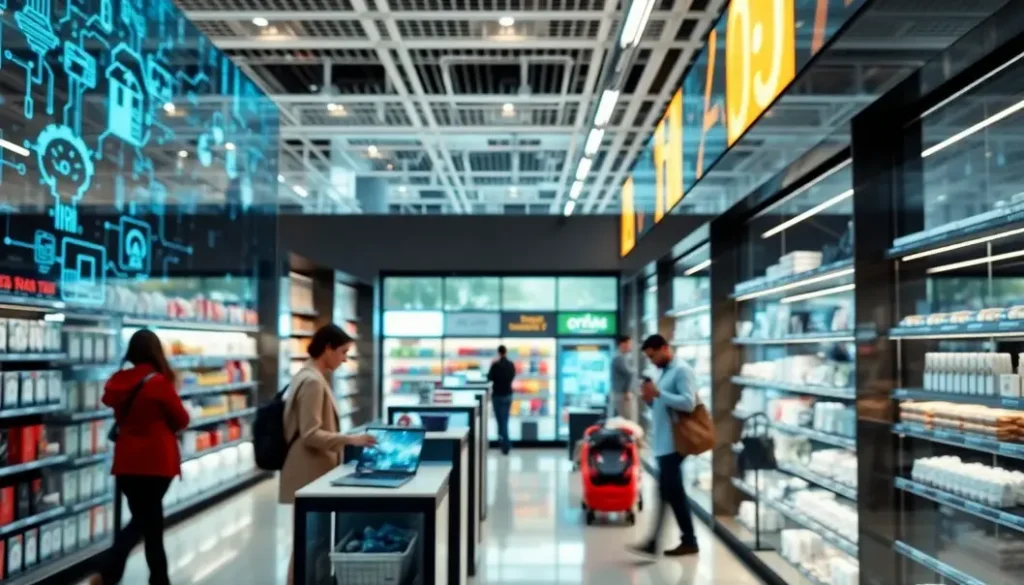
Artificial Intelligence (AI) is becoming increasingly essential in enhancing retail experience risk management. By leveraging data-driven insights, retailers can preemptively identify risks, optimize operations, and improve customer satisfaction. Marketers and HR managers alike can benefit from AI tools that analyze consumer behavior, streamline employee performance monitoring, and reduce operational uncertainties. As the retail landscape continues to evolve, the integration of AI technologies offers invaluable opportunities for proactive risk management and strategic decision-making, ultimately leading to increased profitability and sustained growth.
Understanding AI’s Role in Retail Risk Management
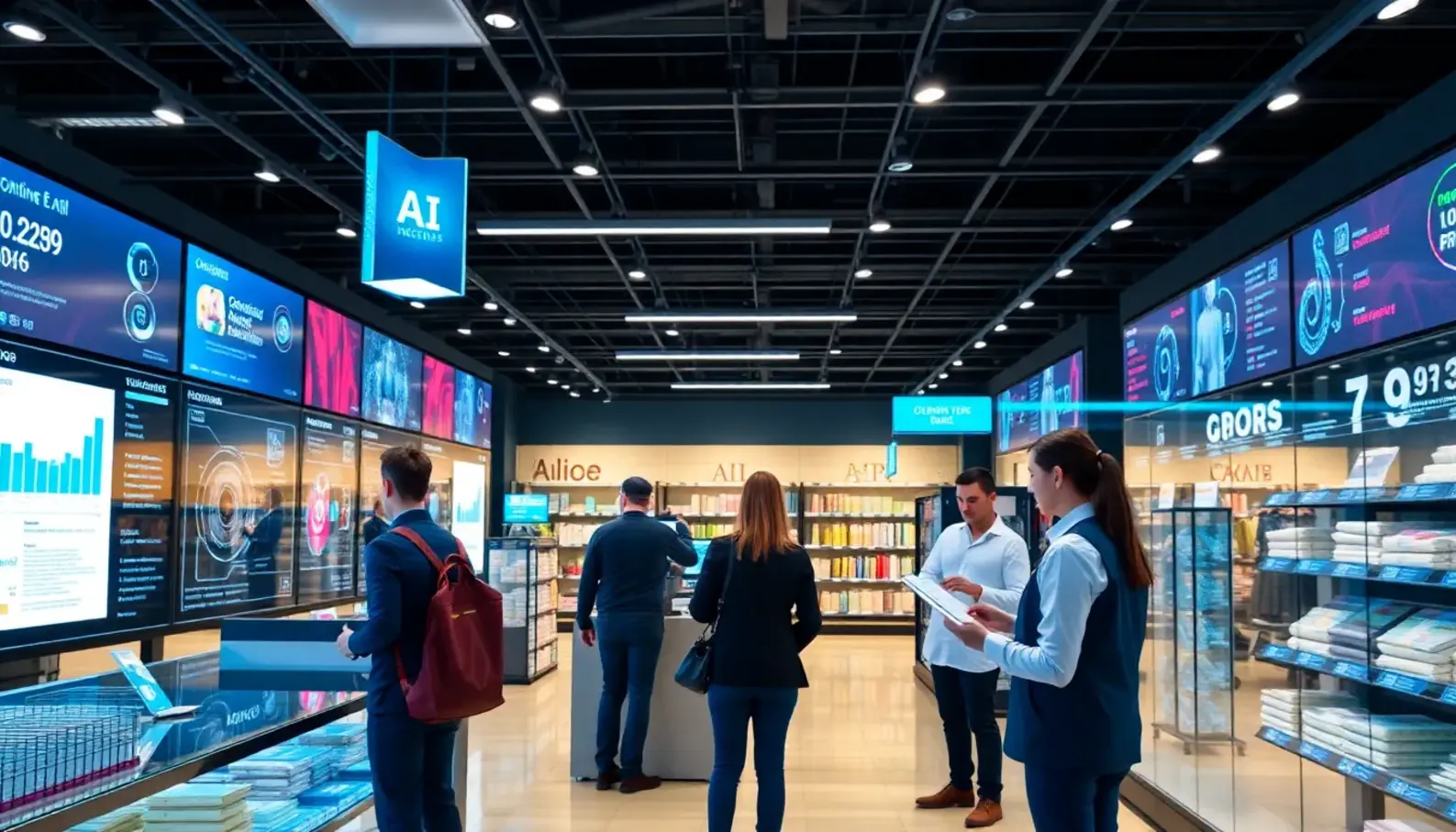
Artificial intelligence is profoundly transforming retail risk management by providing powerful tools for decision-makers. The technologies underpinning AI such as machine learning, deep learning, and natural language processing enable retailers to revolutionize how they perceive and handle risk. AI allows retailers to analyze vast amounts of data, identify patterns, and make predictions that were previously unimaginable, facilitating proactive and informed decision-making.
One of the primary applications of AI in retail risk management is predictive analytics. By analyzing historical data along with real-time inputs such as market trends, inventory changes, and consumer behavior, predictive models can forecast potential risks. For instance, retailers can anticipate inventory shortages or overages and adjust their supply chain accordingly. This capability not only safeguards against merchandise wastage but also optimizes stock levels, ensuring that customer demand is met efficiently.
Moreover, AI’s role extends to identifying and mitigating risks associated with customer behavior. By employing advanced algorithms, retailers can detect anomalies in purchasing patterns that might indicate fraudulent activity. AI can also help assess customer sentiment through social media and review analysis, providing insights into potential brand reputation risks. This capability allows marketers to devise customer engagement strategies that mitigate negative feedback and enhance customer satisfaction.
Human resource managers in retail can leverage AI for workforce risk management. AI can predict employee turnover by analyzing engagement levels, job satisfaction scores, and productivity metrics. Understanding these parameters enables HR to implement targeted initiatives, improving employee retention and minimizing the risks associated with high turnover rates.
Several case studies highlight AI’s formidable impact on retail risk management. For example, a multinational retail corporation faced challenges in managing its vast supply chain. By integrating AI, the company developed a dynamic system capable of predicting supply chain disruptions triggered by external factors such as weather patterns or geopolitical events. This proactive approach reduced the financial impact and improved operational resilience.
In another scenario, a national retailer utilized AI-driven predictive analytics for customer demand forecasting. By doing so, the retailer optimized its inventory management, reducing holding costs and increasing turnover rates. The application of AI allowed the retailer to predict sales fluctuations accurately, empowering them to devise more effective promotional strategies and pricing adjustments.
AI also augments decision-making processes with its ability to integrate multiple data sources. For example, it can combine sales data with local socioeconomic factors to identify demographic shifts that might influence store openings or closures. This level of analysis can guide strategic business decisions and mitigate risks associated with market entry or exit strategies.
The benefits of integrating AI into retail risk management are substantial, providing both quantitative and qualitative advantages. Retailers can achieve quantifiable improvements such as increased revenue, reduced costs, and enhanced operational efficiency. It also offers qualitative benefits like improved customer satisfaction, brand loyalty, and employee engagement.
As retailers continue to embrace AI-driven solutions, the technology’s capability to transform risk management is only expected to grow. Innovations in AI technology promise even deeper insights and more nuanced predictive capabilities, thereby further enhancing risk management strategies. For businesses that navigate the risks associated with competitive and rapidly evolving markets, AI represents an indispensable toolset for maintaining a robust and agile retail operation.
For additional insights into how AI impacts business strategies, you might find AI in Business Growth to be of interest. This article delves into the broader implications of AI across various business domains, further illustrating its transformative potential.
Implementing AI Solutions for Enhanced Decision-Making

Effectively implementing AI-driven solutions in retail operations requires a strategic approach that aligns with the broader business goals. Retailers must first understand the areas where AI can provide the most significant impact, ensuring they address specific operational needs and challenges. This chapter unpacks the integration of AI analytics tools for marketers, enhancing customer insights and engagement strategies, along with applications in HR for workforce management.
For marketers, AI offers a treasure trove of possibilities for gaining deeper insights into customer behavior and preferences. By leveraging advanced analytics, retailers can create more personalized marketing strategies that improve engagement and customer satisfaction. AI algorithms analyze vast amounts of data, identifying patterns that may not be evident to human analysts. These insights allow marketers to segment audiences more effectively and tailor campaigns that resonate with individual customer needs, ultimately driving sales and loyalty.
Moreover, AI-powered predictive analytics can forecast trends and consumer demand, enabling retailers to adjust their marketing strategies proactively. This capability not only enhances decision-making but also optimizes marketing spend by focusing efforts on the most promising segments. In a world where data is king, harnessing AI for customer insights transforms raw data into actionable strategies, improving the efficiency and effectiveness of marketing operations.
In the realm of HR management, AI applications streamline processes, from recruitment to training and performance monitoring. AI-driven recruitment tools assist HR managers in identifying suitable candidates by analyzing CVs and online profiles, ensuring the selection aligns with organizational needs. This not only speeds up the recruitment process but also reduces bias by focusing on data-driven insights rather than subjective evaluations.
Once employees are onboard, AI can enhance training programs through personalized learning paths. These AI-driven platforms evaluate an individual’s performance and learning preferences, offering tailored content and recommendations. Such customization ensures employees’ skills remain sharp and aligned with organizational goals, fostering a culture of continuous improvement.
Performance monitoring is another area where AI excels. By analyzing workforce data, AI can identify productivity trends and potential areas for improvement. Managers receive real-time feedback on team performance, allowing for timely interventions and support. This not only improves employee engagement and satisfaction but also optimizes workforce management, driving overall operational efficiency.
Ensuring a smooth transition to AI-enhanced retail operations involves adopting best practices. Start by fostering a culture of innovation and openness to change. Senior leaders should communicate the benefits of AI adoption clearly, aligning AI initiatives with the company’s vision and values. Training programs should be implemented to enhance the digital literacy of staff, ensuring they can leverage AI tools effectively.
Collaboration between IT and operational departments is crucial for seamless AI integration. Retailers should invest in scalable AI infrastructure that can grow alongside the business and adapt to changing needs. Regular review and assessment of AI systems must be conducted to ensure they remain aligned with business objectives and deliver value.
Potential challenges in AI implementation include data security concerns, the need for substantial initial investments, and resistance to change from employees. Retailers must address data privacy issues proactively, implementing robust security measures and ensuring compliance with relevant regulations. Investing in AI infrastructure may require a substantial upfront investment, but the long-term benefits in efficiency and cost reduction typically outweigh these costs.
To mitigate employee resistance, involving them in the AI adoption process and providing adequate training is essential. Highlighting successful AI implementation examples within the company and industry can also demonstrate the tangible benefits, fostering a positive perception of AI tools.
The journey to integrating AI into retail operations may seem daunting, but with strategic planning and a focus on long-term benefits, retailers can harness AI for smarter decision-making. By effectively implementing AI solutions for marketers and HR managers, organizations can enhance customer insights, improve engagement strategies, and optimize workforce management. The key lies in aligning AI initiatives with business goals, investing in the right infrastructure, and ensuring employees are empowered to leverage AI to its fullest potential. For further insights on developing AI applications within business contexts, you might explore AI Applications in Business Growth.
Final words
AI technologies are revolutionizing the way retail businesses manage risk, enabling marketers and HR managers to make informed decisions based on real-time data and predictive analytics. By integrating these advanced solutions, organizations can foster a more resilient retail experience, effectively countering potential pitfalls and optimizing operations for improved customer satisfaction and loyalty. The future of retail relies on embracing these intelligent systems for strategic growth and sustained competitive advantage.
Watch Video Series
Learn more: innoupdates.com
About us
Our offerings include advanced AI solutions designed specifically for the retail industry, providing tools and systems that support enhanced risk management, predictive analytics, and effective decision-making. We equip marketers with insights on consumer preferences and behaviors while providing HR managers with tools for workforce optimization. Our products ensure that your retail strategy is data-driven, innovative, and positioned for future growth.