The retail landscape is rapidly evolving, and with the arrival of AI, businesses have new opportunities to improve their customer interactions. As administrators and CIOs, understanding how to effectively incorporate AI into retail employee training is paramount. This approach not only optimizes operational efficiency but also enhances the customer experience. Armed with advanced training, employees are able to leverage AI tools confidently, leading to more informed decision-making and personalized customer service. This article dives into methods for embedding AI into retail training programs, equipping your workforce to adapt to and thrive in an AI-driven retail environment.
Integrating AI into Retail Training Programs
As retailers seek to enhance their customer experience, integrating AI into training programs offers a profound way to elevate service standards and operational efficiency. This chapter delves into effective strategies for incorporating AI technologies into retail training, focusing on tools and practices that make a tangible difference.
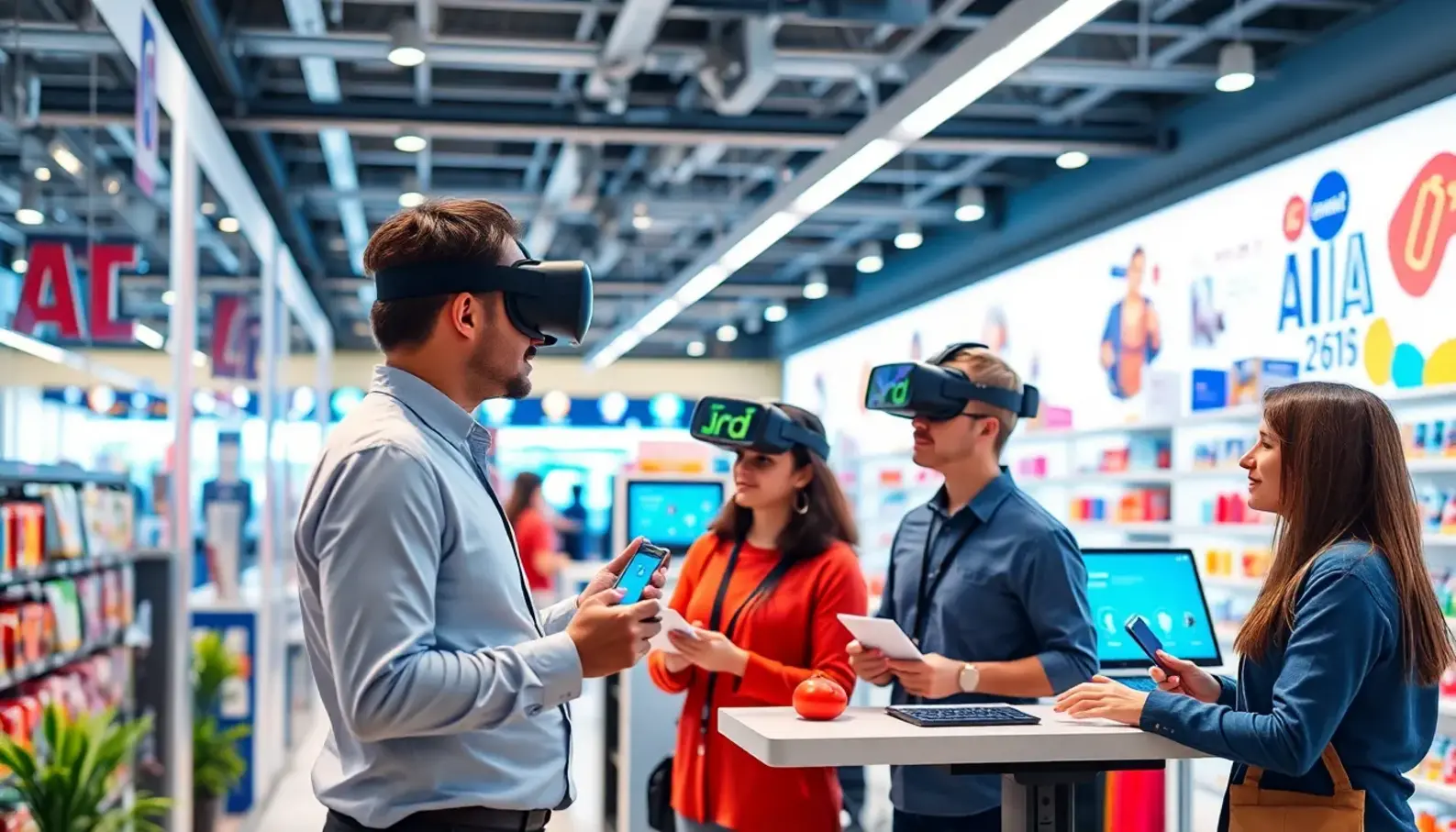
AI technologies present diverse opportunities for enhancing learning in retail environments. Virtual reality simulations allow employees to experience lifelike scenarios, improving their ability to handle customer interactions and operational challenges. These simulations provide a safe environment where employees can learn from their mistakes and iterate on their approaches without actual risk. By immersing staff in realistic settings, virtual reality facilitates experiential learning, which is often more engaging and memorable than traditional methods.
In tandem with virtual reality, AI-powered personalized learning pathways ensure that training is tailored to the individual needs of each employee. By analyzing data such as performance metrics, learning preferences, and skill gaps, AI can curate a customized training agenda that is both efficient and effective. This personalization maximizes learning potential and reflects the individualized service that retailers aim to offer customers.
Sophisticated performance analytics have become an integral tool for evaluating training effectiveness and employee progression. These analytics gather data on various performance indicators, providing insights into areas where training impacts are evident or need improvement. With these insights, training programs can be continuously refined, ensuring alignment with business objectives and employee development goals.
To fully harness AI in training, understanding best practices for execution is crucial. One approach is adopting a blended learning model, which combines digital and face-to-face training methods. This model takes advantage of AI-driven platforms to deliver content and assessments at scale, while in-person interactions reinforce learning and foster team cohesion. Retailers can leverage AI tools to track employee progress through digital modules, freeing trainers to focus their efforts on interactive sessions.
Moreover, feedback loops are essential for refining AI-integrated training programs. Seeking feedback from employees helps identify which aspects of AI tools are most beneficial and where improvements are needed. By fostering an open culture of feedback, retailers encourage continuous improvement in their training methodologies.
Conducting pilot programs is another best practice when integrating AI into training. Starting with a small, focused deployment allows for testing and refinement before a wider rollout. Pilots provide actionable insights into user experience and system performance, enabling adjustments that lead to more successful large-scale implementations.
Consideration for aligning AI training tools with broader organizational goals is equally important. If a retailer prioritizes enhancing customer service, the training should focus on AI applications that improve communication and problem-solving skills. By linking AI tools to clear objectives, retailers ensure that the integration of technology leads to meaningful improvements in both employee and customer experiences.
Retailers must address the ethical implications of AI integration to build trust among employees and stakeholders. Transparency in how data is collected and used ensures that AI tools are perceived as supportive rather than intrusive. This ethical stance fosters trust and encourages employees to engage meaningfully with the technology.
To explore more about AI’s transformative potential in various sectors, consider reading about AI’s impact on business growth, which discusses broader applications beyond retail.
By carefully weaving AI into existing training frameworks, retailers can create dynamic learning environments that foster development and yield better customer interactions. With technology evolving rapidly, staying abreast of AI advancements and maintaining a flexible approach to training will be key to future success.
Measuring the Impact of AI-Driven Training

Evaluating the success of AI-driven training initiatives is crucial in determining the value they add to retail operations. The deployment of AI-enhanced training should aim not only to equip employees with new skills but also to elevate the customer experience. Success in these endeavors is best quantified through a series of carefully selected key performance indicators (KPIs). These KPIs provide invaluable insights into both employee and organizational performance, enabling a continuous feedback loop that informs future training enhancements.
To effectively assess AI training, begin with monitoring employee engagement. Engaged employees are a testament to the training’s effectiveness. They demonstrate increased interest in applying new skills and show enthusiasm in fulfilling customer needs. Various methods can be used to capture this data. For instance, surveys and interactive feedback tools can gauge how engaged employees feel after training sessions. Analyzing participation in optional training modules also reflects engagement levels. Moreover, employee forums and suggestion boxes can offer qualitative insights into how training can be improved.
Another crucial indicator is customer satisfaction. This can be measured directly through customer feedback mechanisms such as post-service surveys, feedback kiosks, or digital feedback forms. An increase in positive feedback or higher ratings post-training often reveals that employees are applying their new skills effectively, leading to a better customer experience. Additionally, measuring changes in customer loyalty metrics, such as repeat purchase rates and net promoter scores, can provide further insights into the impact of training on customer satisfaction.
Performance improvements are the backbone of any training initiative. Retail organizations should scrutinize pre- and post-training metrics to identify areas of improvement. These could include sales figures per employee, the speed of service, and first-time resolution rates. Regularly auditing these metrics helps in identifying patterns that correlate with specific training modules, enabling more targeted improvements.
Collecting data for these KPIs can be streamlined utilizing AI-powered analytics tools. These tools offer the ability to gather large volumes of data seamlessly and generate actionable insights without overwhelming manual intervention. Integrating these tools with existing systems ensures a smooth flow of data, enhancing the accuracy and relevance of insights derived.
AI-driven predictive analytics can further refine the data collection process. By analyzing historical data and training outcomes, these tools can forecast future trends, suggest personalized training paths for employees, and pinpoint areas where additional training resources might be necessary. This capability ensures that training programs remain dynamic and aligned with evolving business needs and employee capabilities.
Creating a robust feedback loop is central to maintaining the relevance of AI-enhanced training programs. This loop should facilitate the regular collection of feedback from both employees and customers, ensuring that training modules remain applicable to real-world challenges. For instance, insights from https://innoupdates.com/innovation/ai-in-hr-strategies/ illustrate how AI in human resources can tailor training programs based on real-time feedback and employee performance, further optimizing learning outcomes.
An inclusive feedback system encourages active participation from all stakeholders. By involving employees in the process, not only in receiving training but also in its formulation, organizations can foster a culture of continuous improvement. This participatory approach ensures that feedback is not only top-down but also reflective of grass-roots level concerns and ideas.
Furthermore, adaptive learning models can be employed to personalize the training experience. These models use AI to adjust the content and delivery of training based on individual employee needs. Employing such sophisticated models ensures that employees receive training tailored to their learning styles and paces, ultimately enhancing the effectiveness of the training program.
Incorporating AI-driven training into retail operations is not a one-time initiative but a continuous process of learning and adaptation. By effectively measuring and scrutinizing the impact of these training programs, organizations can better respond to both employee and customer needs. The use of AI in facilitating these measures not only streamlines the evaluation process but also enables the training to evolve in a manner that truly empowers retail operations.
Final words
Incorporating AI into retail training is not just about technology; it’s about empowering your team to excel in their roles. By understanding AI’s capabilities and measuring its impact, you can foster a culture of continuous improvement and deliver unparalleled customer experiences.
Elevate your retail training with AI today. Subscribe for updates!
Learn more: innoupdates.com
About us
Our company specializes in creating tailored AI training solutions for the retail industry. We provide comprehensive training programs that incorporate cutting-edge AI tools, ensuring your employees are equipped with the latest skills to enhance customer interactions. Our solutions focus on both technology adoption and measurable outcomes, empowering your workforce to thrive in an AI-augmented retail environment.