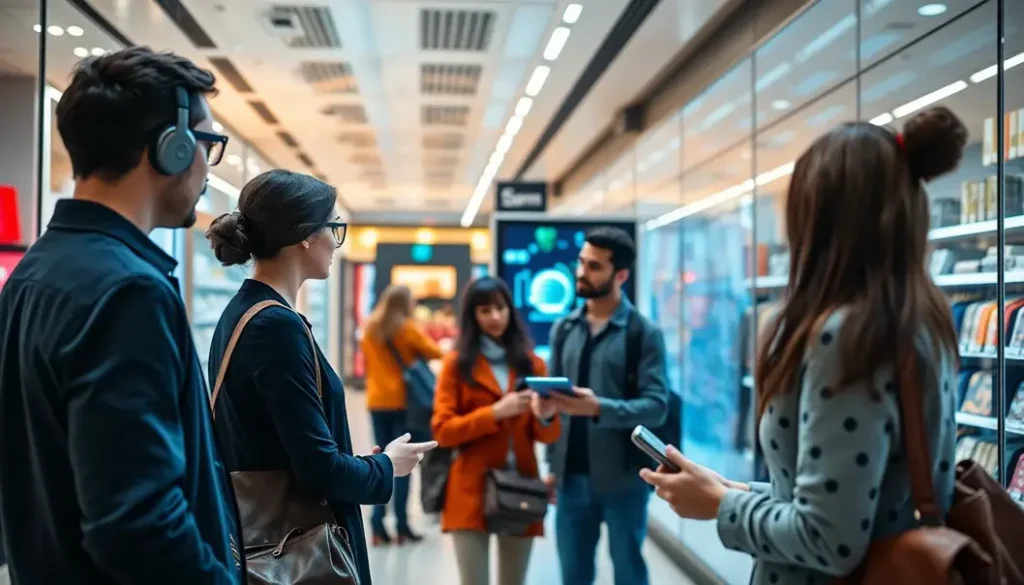
The integration of Artificial Intelligence (AI) in retail is reshaping the way businesses communicate with customers. As technological advancements continue to evolve, AI is being utilized to create personalized shopping experiences, streamline operations, and enhance customer engagement in a highly competitive market. This transformation not only influences customer behavior but also offers new opportunities for educators and innovators to explore the intersection of technology and retail. Understanding the trends and applications of AI in retail communication can pave the way for strategic insights and innovative practices that enhance the overall consumer experience and drive business success.
Chapter One: Personalized Engagement through AI
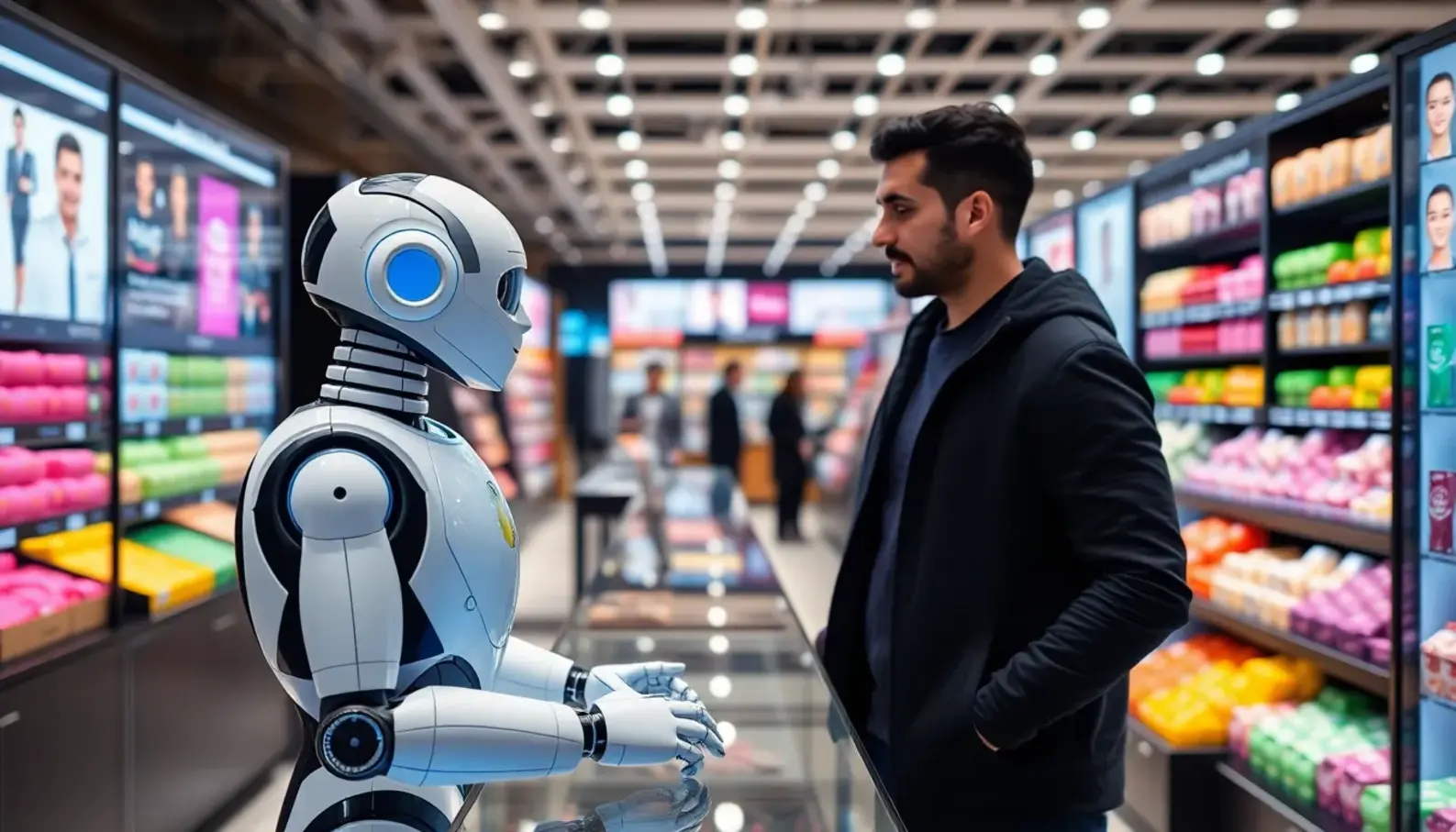
Artificial Intelligence has become a transformative force in retail, shaping how businesses connect with customers. As preferences evolve, AI technologies such as chatbots and recommendation systems play pivotal roles in enhancing personalized engagement. Mature data analytics is the backbone of this evolution, offering profound insights into customer behavior and preferences to create more meaningful interactions.
Chatbots have emerged as essential tools for customer engagement. These AI-driven conversational agents are designed to address various customer queries, delivering instant assistance. By simulating human conversation, chatbots reduce response times and provide 24/7 support. Moreover, they learn from each interaction, continuously improving their conversational abilities. This capability enhances customer experiences and fosters loyalty, as customers appreciate timely, helpful responses.
Recommendation systems, another cornerstone of AI in retail, use sophisticated algorithms to analyze shopping patterns. By leveraging vast amounts of data, these systems suggest products that align with individual preferences, guiding customers towards more informed purchasing decisions. Such tailored recommendations not only increase the likelihood of conversion but also enrich the shopping experience by introducing customers to items they might not have considered.
The role of data in enabling personalized experiences cannot be overstated. Data acts as the lifeblood for AI systems, offering valuable insights into customer behavior. Retailers employ data analytics to understand what customers desire at a granular level. This information aids in crafting messages and offers that resonate with the individual, rather than the masses. It aligns with the growing trend of moving from mass marketing to one-on-one marketing strategies.
Understanding customer preferences involves more than collecting data; it requires a keen analysis to decipher patterns and predict future behaviors. This understanding allows retailers to anticipate needs and preferences, creating a sense of personal touch and care. When customers feel understood, they are more likely to engage deeply with the brand, driving loyalty and sustained sales. Furthermore, the respect for customer privacy in data handling instills trust in the brand.
Loyalty programs powered by AI leverage this rich data to offer personalized rewards and incentives. By recognizing past behaviors and anticipating future actions, these programs create customized experiences that strengthen customer loyalty. This, in turn, encourages repeat business, as customers feel valued and appreciated through offers that are relevant to them.
However, as these technologies advance, ethical considerations arise. Retailers must navigate data privacy laws and ensure transparency in how customer data is used. Ensuring that the data collection offers tangible benefits to the customer while respecting their privacy is crucial. When implemented thoughtfully, AI in retail not only boosts sales but also enhances brand reputation and customer satisfaction.
For educators and innovators exploring these paradigms, the opportunity lies in developing AI systems that are both effective and ethical. By focusing on improving customer service and fostering loyalty through AI, they can pioneer solutions that respect consumer rights while driving business growth. Educators can explore these concepts further through resources such as AI in Business Growth Strategies, which discuss these dynamics in detail.
As we delve deeper into the possibilities of AI, the necessity of an integrative approach becomes clear. Bridging technology with human-centric design will define the next stage of innovation in retail. The insights gained from harnessing AI effectively will influence how future retail strategies are devised, ensuring that technology enhances rather than detracts from the customer experience. Thus, personalized engagement through AI stands as a linchpin in the evolution of retail communication, offering pathways to richer, more meaningful consumer relationships.
Chapter Two: Data-Driven Insights and Future Innovations
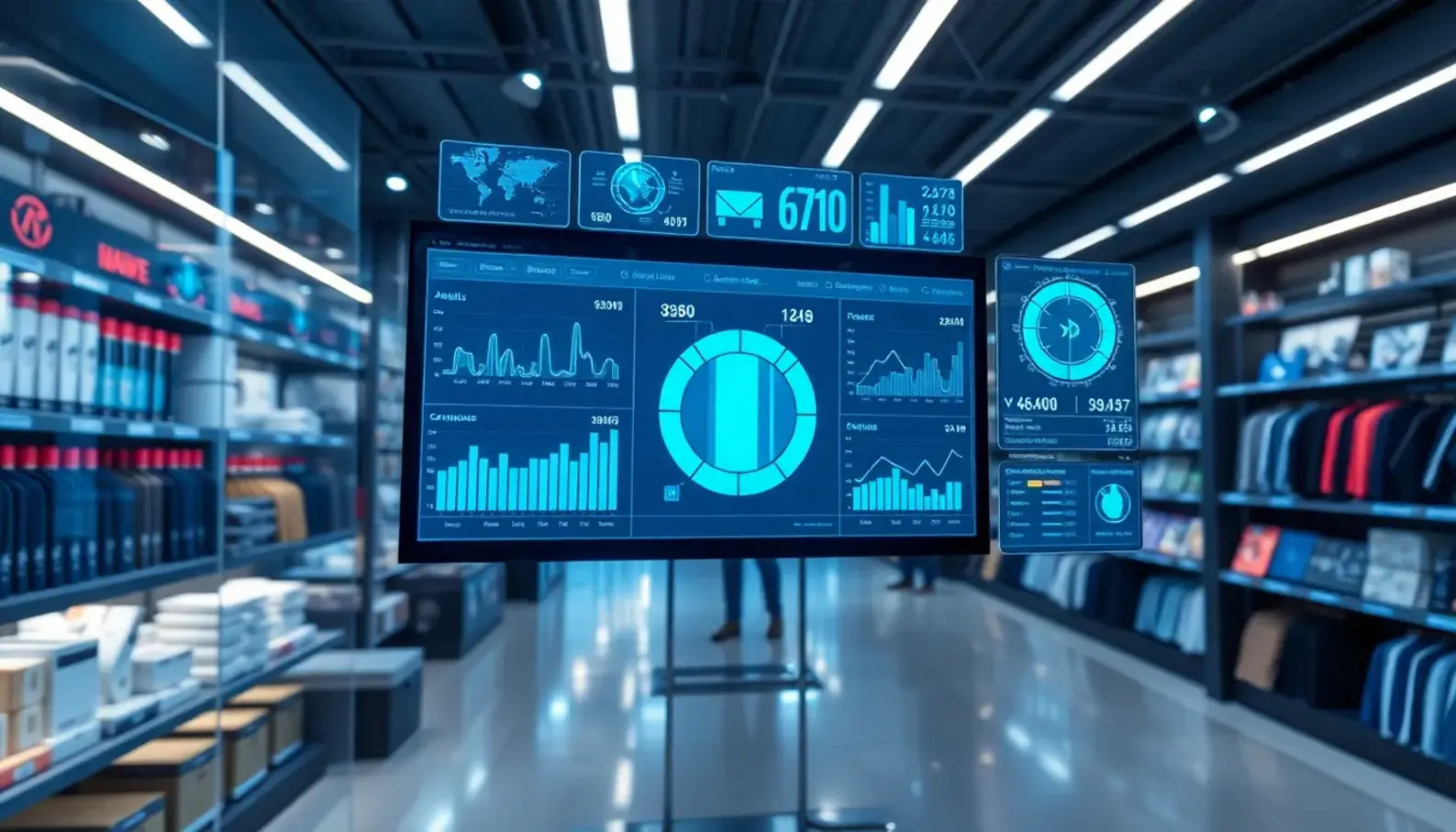
Retailers increasingly harness data analytics to gain insights into consumer behavior. Through sophisticated data collection methods, they tap into customer interactions, preferences, and purchase patterns, using this data to refine their marketing strategies and operational processes. The ability to analyze vast amounts of data in real-time allows businesses to enhance their decision-making and personalize the customer journey more effectively.
One of the primary ways data analytics plays a role in retail communication is by optimizing personalized marketing strategies. By understanding consumer preferences, retailers can tailor their messages and promotions to individual customers, resulting in better engagement rates. For instance, predictive analytics can anticipate future buying trends based on historical data, helping retailers to time their promotional campaigns more effectively.
Retailers also use data analytics to improve operational efficiency. Analyzing foot traffic patterns, for instance, allows store managers to optimize store layouts, ensuring products are placed in high-engagement areas. Inventory management systems similarly benefit from data analytics, predicting stock shortages and surpluses with greater accuracy. Machine learning algorithms analyze sales data to forecast demand, reducing waste and enhancing supply chain efficiency.
The future trends in retail are promising greater transformations with the integration of augmented reality (AR) and AI-driven supply chain solutions. AR offers consumers an immersive shopping experience. Customers can virtually try on clothes or see how furniture fits into their homes, enhancing their engagement without physically interacting with the product. This not only attracts tech-savvy customers but also reduces return rates and enhances brand loyalty.
AI-driven supply chain innovations hold the potential to revolutionize retail by automating complex logistics processes. Machine learning models identify inefficiencies in logistics networks, optimizing transport routes and reducing delivery times. Retailers can ensure timely restocking of goods, maintaining product availability and improving the consumer experience.
Furthermore, conversational AI, such as virtual assistants and chatbots, continues to evolve, providing 24/7 customer support and handling inquiries with precision. This technology enhances customer service, leading to increased satisfaction and brand trust. With these tools, retailers can communicate with their customers efficiently, ensuring quick resolutions and personalized assistance.
As we look ahead, the evolution of data-driven technologies will continue to shape the retail landscape. The integration of ambient intelligence, a development highlighted in the future of ambient intelligence, will further deepen personalization and automation in retail environments. Retail spaces will become smart, capable of adapting to the presence and preferences of individual customers in real-time.
Retailers must continue investing in these technologies, balancing innovation with privacy concerns. With data breaches posing significant risks, ethical data handling and consumer transparency become paramount. By adopting robust AI-generative marketing strategies, retailers can foster trust and enhance brand value.
Through the strategic use of data analytics and emerging technologies, the retail sector can expect enhanced resilience and adaptability in a rapidly changing consumer landscape. This transformative journey will push boundaries, requiring both educators and innovators to be at the forefront of retail evolution.
Final words
AI’s integration into retail communication is creating dynamic opportunities for enhancing customer experiences. As educators and innovators embrace these technologies, they can shape a future where personalized, data-driven strategies achieve both business success and consumer satisfaction. The potential for growth and improvement in the retail sector is immense, making AI an indispensable tool.
Start your free trial today and discover how innovative solutions can transform your retail experience!
Learn more: https://innoupdates.com
About us
Our company provides cutting-edge AI solutions tailored for the retail sector, facilitating improved customer engagement, personalized recommendations, and data analytics to refine marketing efforts and elevate the overall shopping experience. Explore advanced AI tools that empower retailers to stay ahead in a competitive landscape.