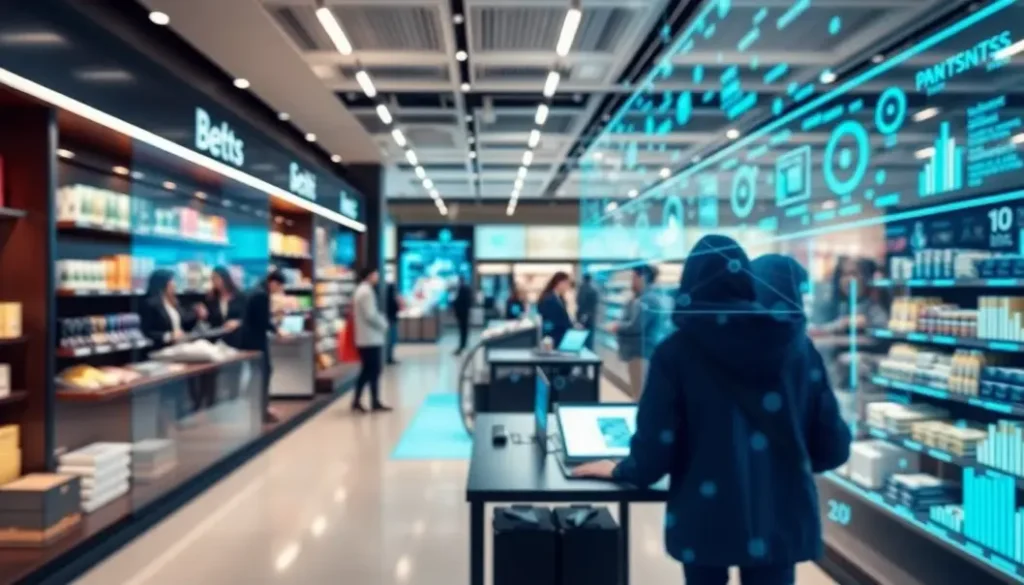
AI is reshaping the retail landscape by enabling seamless collaboration between brands and customers. With data-driven insights, businesses can create personalized shopping experiences that elevate customer satisfaction and loyalty. The importance of this technology in the retail sector cannot be overstated, as it drives efficiency and engagement at every touchpoint.
Understanding AI’s Role in Retail Experience
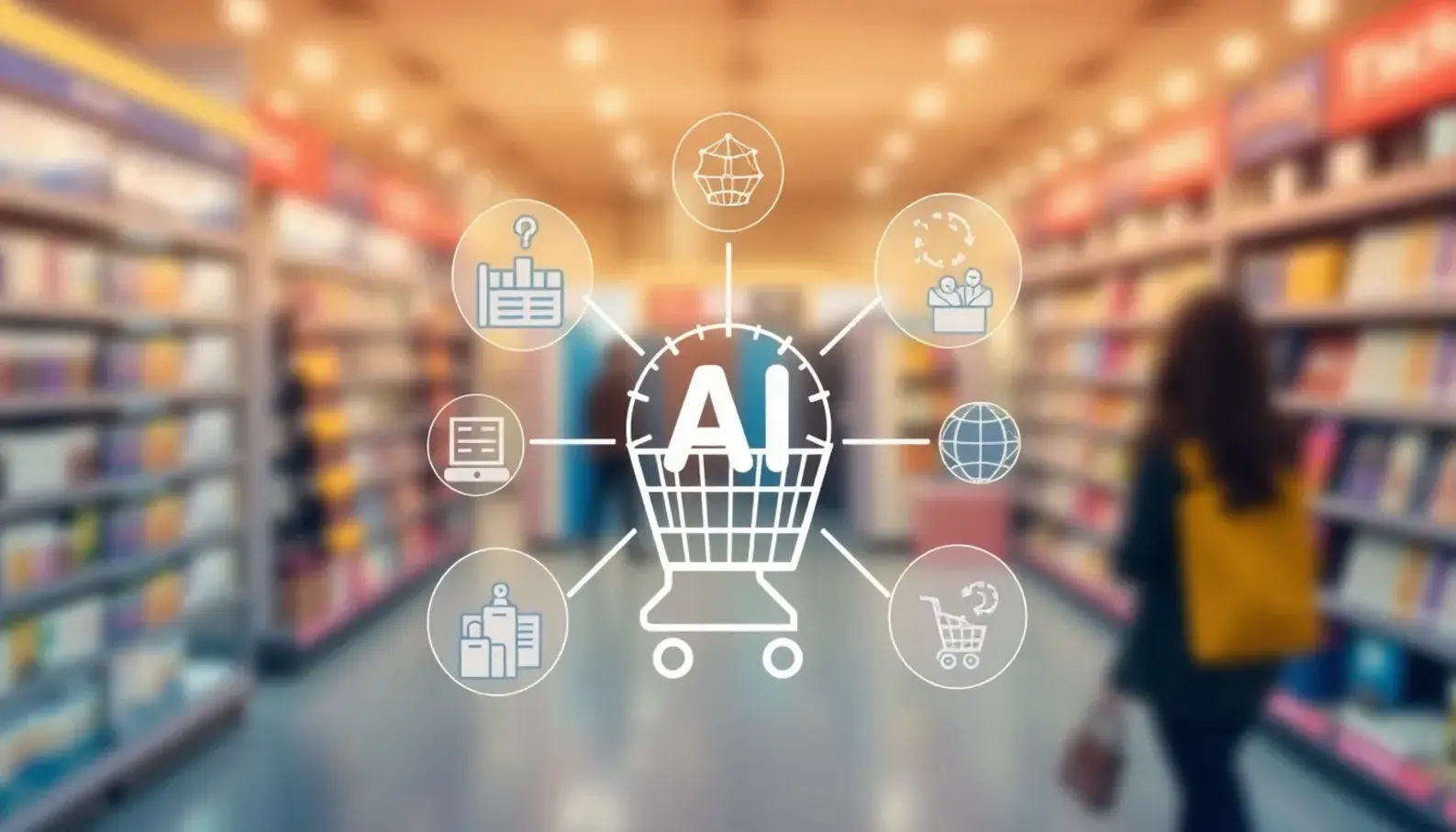
Artificial Intelligence (AI) is reshaping the landscape of retail by harnessing data to provide actionable insights that enhance customer experiences and operational efficiencies. In the retail sector, AI applications are impacting how businesses understand consumer behavior, predict trends, and customize interactions to meet individual shopper needs.
Analyzing consumer behavior involves processing vast amounts of data generated from multiple sources, such as online browsing habits, purchase histories, and social media interactions. AI systems utilize machine learning algorithms to identify patterns and derive insights that might elude human analysis. This capability allows retailers to segment their customer base more effectively, tailoring marketing campaigns to specific demographics and preferences. Consequently, businesses enhance their engagement strategies by reaching customers with the right message at the right time.
Trend prediction is another pivotal area where AI makes a significant impact. By analyzing historical sales data, current global events, and social media trends, AI can forecast upcoming market shifts. This foresight enables retailers to stock products that align with anticipated consumer interests, reducing the risks associated with overstocking or understocking items. With data-driven predictions, retailers can optimize their supply chains, ensuring that the products customers desire are readily available.
Personalizing shopping experiences is one of the most visible applications of AI in retail. By leveraging customer data, AI systems can create customized shopping experiences both online and in physical stores. Recommendations engines are a prime example, using previous purchase data and browsing history to suggest products a customer is likely to find appealing. Such tailored experiences increase the likelihood of sales by making shopping more relevant and enjoyable for customers.
AI’s influence extends beyond customer-facing interactions to transform everyday retail operations. Inventory management systems powered by AI can predict inventory shortages, preventing stockouts and optimizing restocking processes. AI can analyze thousands of variables affecting inventory levels, such as supplier lead times, seasonal demand fluctuations, and logistics constraints. This ensures that inventory is managed efficiently, reducing waste and improving the overall bottom line.
In customer service, AI-driven chatbots and virtual assistants provide 24/7 support to customers, answering questions and resolving issues with minimal human intervention. These tools can handle a variety of tasks, such as order tracking, product inquiries, and troubleshooting, allowing human staff to focus on more complex issues. This not only improves the customer experience by providing immediate assistance but also enables retailers to allocate resources more effectively.
The integration of AI in retail also supports enhanced security measures and fraud detection. Machine learning algorithms can monitor transaction data for suspicious activities, such as unusual spending patterns or high-frequency purchases, triggering alerts for further investigation. This proactive approach helps protect both retailers and their customers from potential threats, fostering a safer shopping environment.
Linking all these advancements is the continuous improvement in AI’s ability to process natural language. By understanding the nuances of human speech better, AI enhances communication between consumers and retailers. For instance, voice-activated shopping assistants allow customers to search and purchase products through conversational interfaces, merging convenience with cutting-edge technology.
The impact of AI on retail is not confined to a single aspect but spans across the entire retail ecosystem. As AI technologies evolve, retailers must remain adaptable, continually exploring innovative ways to leverage these tools for business growth and customer satisfaction. For more insights into business applications of AI, explore AI in Business Growth.
Enhancing Customer Engagement through AI Collaboration

Artificial Intelligence (AI) has become an integral tool in the retail industry, fundamentally altering how businesses engage with their customers. Retailers now leverage AI to craft hyper-personalized shopping experiences that not only meet the expectations of modern consumers but often exceed them. Through AI, retailers glean actionable insights from consumer data, allowing them to tailor interactions and enhance customer satisfaction.
Personalization is a cornerstone of customer engagement, and AI achieves this through advanced data analysis. By scrutinizing customer behaviors, preferences, and purchase histories, AI can predict future buying patterns and desires. This ability to anticipate needs allows retailers to offer highly customized recommendations, increasing the likelihood of sales and fostering customer loyalty.
Chatbots: The Frontline of AI in Retail
One of the most visible applications of AI in enhancing customer engagement is the use of chatbots. These AI-driven assistants interact with customers in real-time, answering queries, providing recommendations, and even facilitating purchases. With natural language processing capabilities, chatbots understand and respond to a wide range of customer inquiries, offering instant support that enhances the shopping experience.
The availability of chatbots around the clock ensures that customers do not encounter frustrating wait times, significantly improving satisfaction levels. More advanced iterations of these chatbots are context-aware, meaning they provide tailored responses based on the customer’s interaction history and data profile. This context sensitivity allows chatbots to act as personal shopping assistants, offering suggestions that resonate with the customer’s tastes and preferences.
Recommendation Systems: A Seamless Shopping Journey
Recommendation systems powered by AI are another vital facet of personalized customer engagement. By analyzing large datasets containing past purchases, search queries, and even social media activity, AI systems generate curated product suggestions for customers. This customization not only facilitates discovery but creates a sense of individualized attention, transforming browsing into a tailored shopping journey.
These systems have evolved to offer bundled recommendations, suggesting complementary items that enhance the value of a purchase. This bundling often results in higher transaction values and improved conversion rates. Retailers implementing AI-driven recommendation engines report increased customer retention and satisfaction—a testament to the power of a customized shopping experience.
Predictive Analytics: Anticipating the Needs of Tomorrow
Predictive analytics further revolutionizes customer engagement by forecasting future buying behaviors. Using historical data, AI can discern trends and anticipate demand for specific products or categories. Retailers can then optimize inventory management, ensuring that popular items are readily available, which reduces out-of-stock scenarios that frustrate customers.
By understanding what products will be in demand, retailers can tailor marketing strategies to highlight these items, aligning promotions with customer interest and increasing engagement. Predictive analytics also helps in identifying at-risk customers who might churn, allowing retailers to take proactive measures to retain them, often through targeted offers or personalized outreach.
Case Studies: Success in the Field
Numerous retailers have successfully incorporated AI into their customer engagement strategies with remarkable outcomes. For instance, a renowned department store utilized AI-based recommendation systems to enhance its online shopping platform. Through data-driven insights, it provided personalized product suggestions, resulting in a 20% increase in sales conversions within the first few months.
Another example is a leading global fashion retailer that deployed AI chatbots to improve customer service. The chatbots handled over 60% of customer inquiries, reducing response times and freeing human agents to focus on more complex issues. This integration not only optimized operational efficiency but also improved customer satisfaction ratings by 30%.
A third case involves a large e-commerce platform that used predictive analytics to manage its inventory more effectively. By understanding purchasing trends, the company reduced its inventory holding costs by 15% while maintaining high levels of customer satisfaction through consistent product availability.
These examples highlight the transformative impact of AI on customer engagement in retail, showcasing how data-driven personalization leads to enhanced customer experiences, increased loyalty, and ultimately, improved business performance. For those interested, more insights on AI implementations across various sectors can be gleaned here.
Data-Driven Decision-Making in Retail
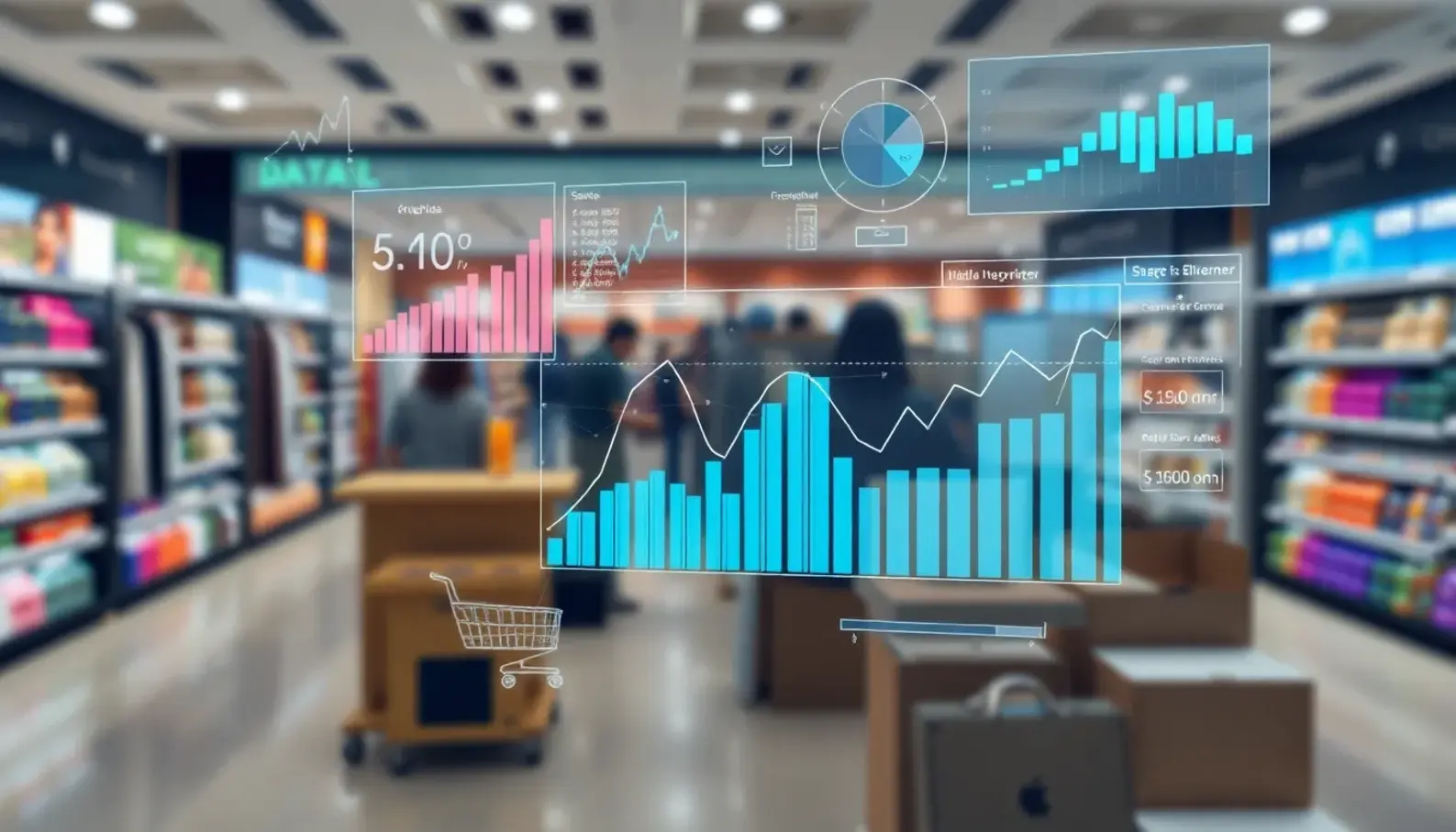
Retailers have long understood the value of data in shaping successful strategies. Yet, the sheer volume and complexity of data available today demand more sophisticated approaches to harness it effectively. Data analytics in retail is no longer just a supplementary tool; it’s a cornerstone of strategic decision-making, leading to improved customer engagement and operational efficiency.
Demand forecasting is one of the most direct applications of AI in retail data analytics. Traditional forecasting methods often relied on historical sales data and manual adjustments, which could result in inaccuracies. AI, through machine learning algorithms, analyzes vast amounts of data, including sales figures, market trends, and even social media sentiment, to predict consumer demand more accurately. By anticipating spikes in product demand, retailers can adjust inventory levels accordingly, preventing stock-outs or overstock situations.
An equally critical area where AI enhances retail operations is pricing strategy optimization. Dynamic pricing models powered by AI analyze multiple variables, such as competitor pricing, customer preferences, and market conditions, to set optimal prices in real-time. This ability to dynamically adjust prices allows retailers to maximize their revenue without compromising customer satisfaction.
Supply chain management, another vital component of retail operations, benefits immensely from AI-driven insights. Predicting supply chain disruptions, optimizing delivery routes, and managing inventory are complex tasks that AI can simplify. By analyzing real-time data from various sources, AI provides visibility into each stage of the supply chain, enabling retailers to mitigate potential risks and improve overall efficiency.
Integrating AI into existing retail systems can be a complex process, yet it’s necessary for maximizing AI’s effectiveness. Retailers should begin by assessing their current infrastructure and data maturity level. Migration to cloud-based solutions can offer the scalability necessary for AI applications. Data governance frameworks must also be established to ensure data quality and compliance with privacy regulations.
Cohesion between AI models and legacy systems is crucial. Retailers can use APIs to allow new AI applications to communicate effectively with existing systems. In doing so, the full potential of data-driven insights can be realized without overhauling the entire technological infrastructure.
As retailers adopt AI technologies, they must also navigate the ethical implications associated with automated decision-making. It’s essential to implement AI responsibly, ensuring transparency in decision processes. This consideration builds trust with customers, who may otherwise be wary of data-driven strategies.
For retailers aiming to capitalize on AI’s potential, investing in talent familiar with data science and AI technology is vital. Upskilling current employees can also ease the transition, fostering a workforce capable of leveraging AI tools effectively. Exploring insights on how AI is transforming business can provide additional depth to strategic planning. Retailers can find valuable perspectives here.
This chapter highlights the significant role data-driven decision-making plays in revolutionizing retail. AI’s influence stretches across forecasting demand, optimizing prices, and streamlining supply chains. With a strategic approach to AI integration, retailers can transform operations, achieving exceptional customer engagement and operational efficiency.
Final words
AI is revolutionizing the retail experience by enabling collaboration that enhances customer engagement and operational efficiency. By leveraging data-driven insights, brands can create personalized interactions that resonate with consumers, ultimately driving loyalty and growth. Embracing this technology is crucial for staying competitive in a rapidly evolving marketplace.
Read Guide
Learn more: innoupdates.com
About us
At Innovate Tech, we specialize in delivering advanced AI solutions for retailers. Our offerings include data analytics platforms, customer engagement tools, and operational optimization strategies designed to enhance your retail experience and drive sustainable growth.