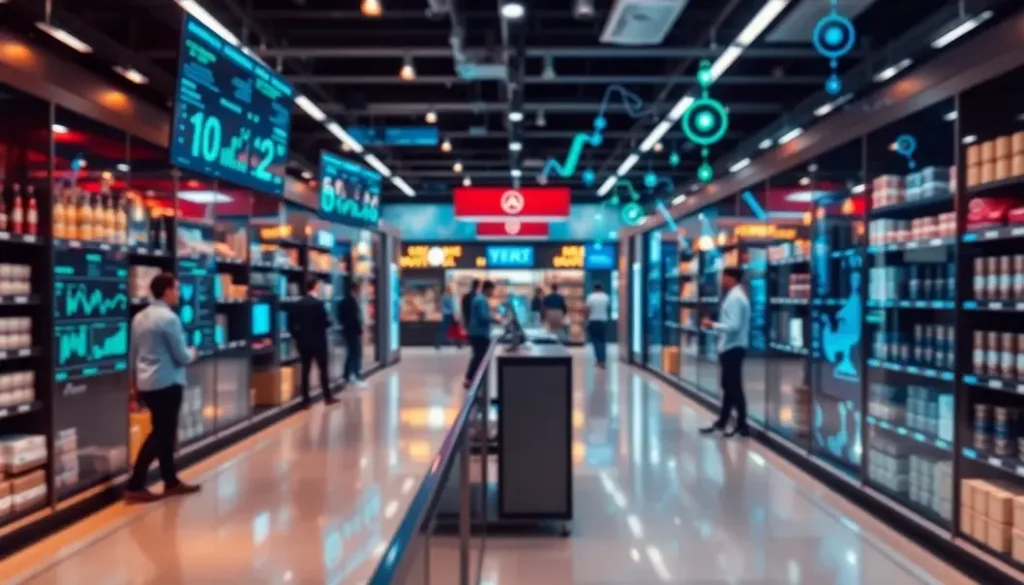
Artificial intelligence is reshaping retail by enhancing customer experiences and optimizing operational efficiencies. From personalizing shopping journeys to automating inventory management, AI technologies are providing deep insights that influence strategic decision-making. Retail executives are now facing an imperative to embrace these advancements to remain competitive. With the ability to predict trends, manage supply chains, and enhance user interactions, AI offers a compelling avenue for retailers seeking to maintain brand loyalty and operational excellence. This exploration into AI’s role in retail experience maintenance reveals actionable strategies for tech leaders and marketers aiming to forge an innovative and customer-centric retail landscape.
Understanding AI’s Impact on Customer Experience

Artificial intelligence has transformed the retail landscape, fundamentally altering how customers interact with brands. At its core, AI’s impact on customer experience in retail revolves around personalized recommendations and automated support systems. These technologies enable retailers to craft individualized experiences that not only engage customers but also foster lasting loyalty. By delving into these AI-driven enhancements, retailers can harness data to tailor experiences to specific customer needs.
Personalized recommendations have become a cornerstone of AI-driven customer interactions. Leveraging machine learning algorithms, retailers can analyze vast amounts of data to discern patterns in customer behavior. This analysis extends beyond mere purchase history, incorporating browsing habits and social interactions to offer nuanced product suggestions. As these predictive algorithms grow more sophisticated, the relevance of recommendations increases, boosting conversion rates and customer satisfaction alike.
A crucial aspect of personalized service is understanding customer intent. AI-powered systems excel at anticipating what a customer might be looking for, even before they have articulated it. By integrating natural language processing with sentiment analysis, these systems can gauge a customer’s mood and tailor interactions accordingly. This deep understanding allows for dynamic adjustments in the shopping pathway, ensuring the experience remains engaging and relevant.
Aside from personalized recommendations, AI has revolutionized customer support. Automated support, via chatbots and virtual assistants, provides quick resolutions to common inquiries without the delay of human intervention. These AI systems, designed with advanced linguistic capabilities, can manage a multitude of customer interactions simultaneously, significantly enhancing efficiency. By continuously learning from interactions, these systems improve response accuracy and helpfulness over time.
Moreover, the integration of AI extends to physical retail environments, enhancing in-store customer experiences. Smart shelves, powered by AI, can track inventory levels in real-time and suggest items based on customer preferences. Digital kiosks equipped with facial recognition can personalize greetings and recommend products, transforming traditional in-store browsing into an interactive journey.
AI also plays a pivotal role in understanding and analyzing customer feedback. Sentiment analysis tools sift through reviews and social media mentions to provide actionable insights into customer perceptions. These insights enable retailers to adjust their strategies rapidly, addressing concerns and capitalizing on positive sentiments. This feedback loop not only improves products and services but also fosters trust and transparency between retailer and shopper.
Actionable analytics derived from AI tools offer a wealth of opportunities for retailers to enhance customer experiences. Detailed reports on shopping patterns, peak times, and preferred channels of interaction allow for fine-tuning of marketing efforts. AI enables segmentation based on numerous customer attributes, empowering retailers to design highly targeted campaigns that resonate with specific demographics.
Integrating such insights requires a strategic approach to data governance and analytics. Retailers must ensure data is collected ethically and used in a manner that respects privacy concerns. Building a robust framework for data protection helps maintain customer trust, which is crucial for long-term loyalty. More on AI’s ethical considerations can be found here.
Through AI’s seamless integration, retailers not only enhance customer satisfaction but also streamline operations, leading to increased efficiency. The ability to anticipate and respond to customer needs allows retailers to remain agile in a competitive landscape. As AI technology continues to advance, those who adapt will find themselves well-positioned to captivate and retain customers in increasingly personalized and fulfilling ways.
Streamlining Operations: AI for Inventory and Supply Chain Management
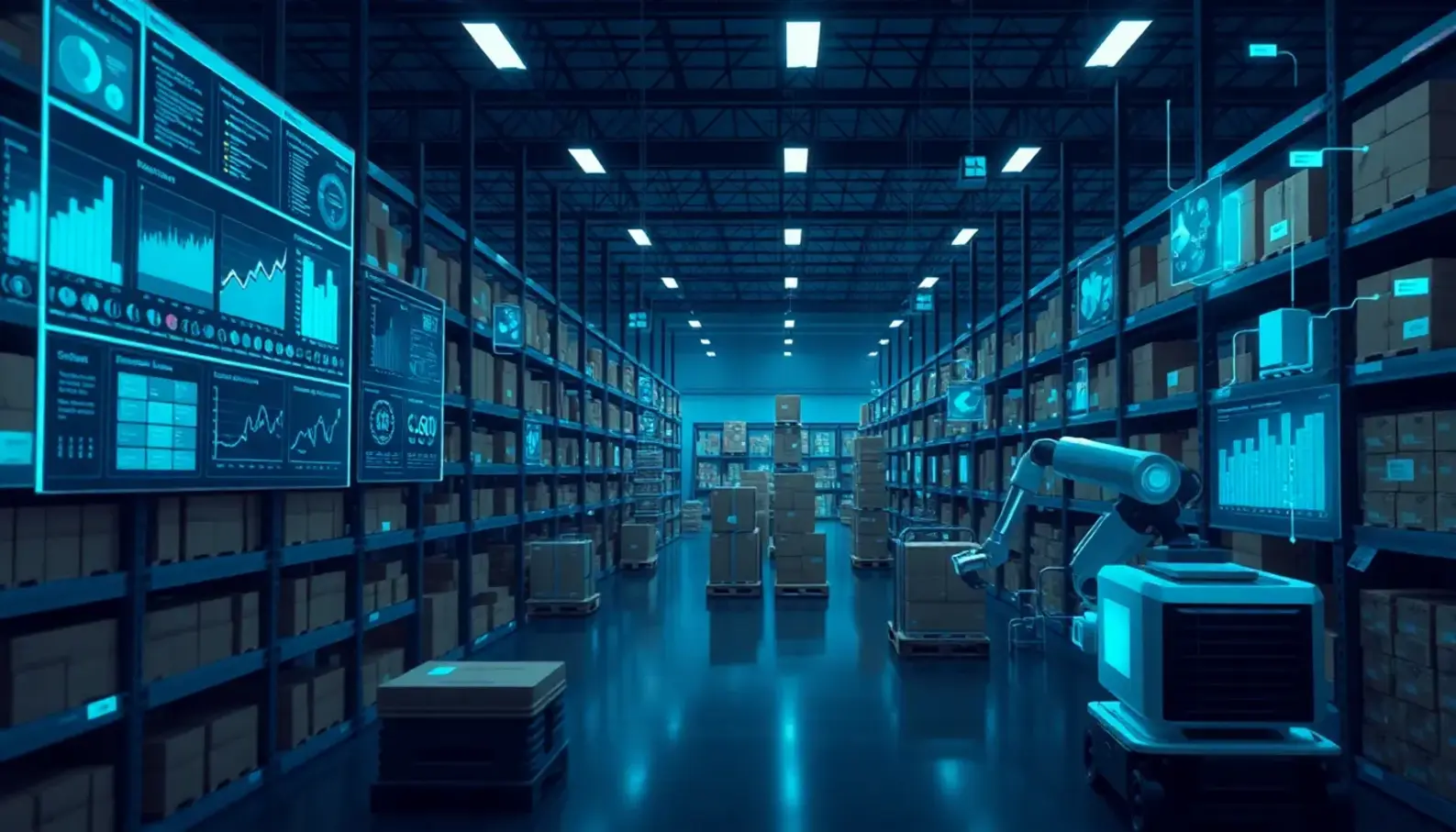
The retail industry stands at the cusp of a transformation driven by artificial intelligence. Efficient inventory and supply chain management systems powered by AI engines enhance efficiency and accuracy. Retailers once relied heavily on intuition and static data analysis to gauge inventory levels and predict consumer demand. Such methods are often fraught with inefficiencies and inaccuracies, leading to either surplus stock or shortages.
AI reshapes inventory management by deploying machine learning algorithms that analyze vast datasets to predict demand fluctuations. These algorithms consider various factors, including historical sales data, seasonal trends, and external influences, such as economic shifts and changing consumer preferences. Consequently, retailers can maintain optimal stock levels, reducing the risks associated with overstocking or stockouts.
Furthermore, AI enhances the supply chain by automating routine tasks and providing deep insights into each process stage. From procurement to final delivery, AI systems can streamline operations significantly. These systems utilize predictive analytics to identify potential disruptions, allowing retailers to proactively address issues before they escalate. This foresight is invaluable, especially when dealing with complex global supply chains.
Implementing AI into existing systems requires a strategic approach. Retailers must first assess their current technological infrastructure and identify integration areas. Investing in scalable AI platforms that can evolve alongside business needs is crucial. Retailers should also train their workforce to work alongside AI, facilitating a seamless transition and maximizing technology utilization.
The economic benefits of AI in inventory and supply chain management are substantial. Retailers can achieve significant cost savings by minimizing waste and optimizing resource allocation. Automated practices reduce the manual labor needed for inventory checks and restocking, freeing up employees to focus on value-added tasks such as customer service and strategic planning.
Productivity gains are another significant advantage. With AI handling routine data-driven tasks, decision-makers can dedicate more time to strategy development and implementation. AI’s ability to provide accurate real-time data and insights empowers retailers to react swiftly to market changes and customer demands, leading to improved service and customer satisfaction.
The proactive utilization of AI insights is critical in supply chain logistics. Retailers can leverage these insights to optimize routes, reduce transportation costs, and improve delivery times. AI models analyze traffic patterns, weather conditions, and road works to suggest the most efficient routes, ensuring timely deliveries and enhancing customer experience.
Retailers should also consider AI’s role in sustainable practices. AI-driven inventory management helps minimize unnecessary stock production, contributing to environmental sustainability. Moreover, optimizing logistics through AI reduces fuel consumption and emissions, aligning retail operations with green goals.
AI’s integration into retail operations extends beyond inventory and supply chain management. It interlinks with other business domains, such as marketing and customer service, creating a cohesive and efficient ecosystem. For an in-depth examination of AI’s broader impact on businesses, this article on AI in business growth provides additional insights.
In conclusion, the strategic deployment of AI in inventory and supply chain management presents numerous benefits. It enhances efficiency, reduces costs, and supports sustainable practices, playing a vital role in modern retail operations. As technology continues to advance, retailers that embrace AI innovations will likely possess a competitive edge, capable of meeting evolving consumer expectations while optimizing their operational efficiency.
Final words
The integration of AI in retail not only enhances customer experiences but also streamlines internal operations, positioning companies for sustainable growth. By focusing on personalized interactions and optimizing supply chain management, retailers can effectively meet the evolving demands of their customers while maintaining operational excellence. Embracing these AI technologies will be essential for remaining competitive in the current retail landscape, ultimately paving the way for a future where customer satisfaction and efficiency are prioritized.
Sign Up for our Webinar to discover more!
Learn more: https://innoupdates.com
About us
Our company specializes in providing cutting-edge AI solutions that transform retail experiences. From personalized customer engagement tools to sophisticated inventory management systems, we equip retailers with the technology needed to thrive in a competitive market. By leveraging data analytics and machine learning, we help businesses understand customer preferences, streamline operations, and drive sales, ensuring a robust retail environment that meets and exceeds consumer expectations.