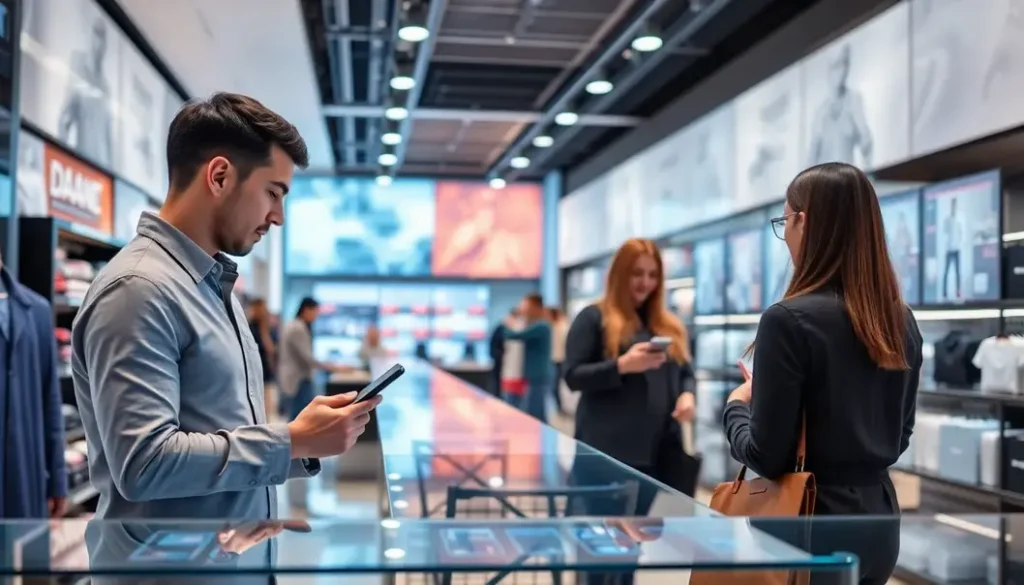
Artificial intelligence (AI) is revolutionizing the landscape of retail, particularly in personalizing customer experiences. With the advent of sophisticated recommendation systems, retailers are increasingly able to tailor their offerings, making product suggestions that resonate deeply with consumers’ preferences. This not only boosts sales but also cultivates customer loyalty. Designers and investors stand at the forefront of this transformation, as they have the power to harness AI-driven insights to shape consumer interactions into engaging, meaningful experiences. Understanding how these technologies can be integrated into retail strategies will be essential for future growth and success.
Understanding AI-Powered Recommendation Systems
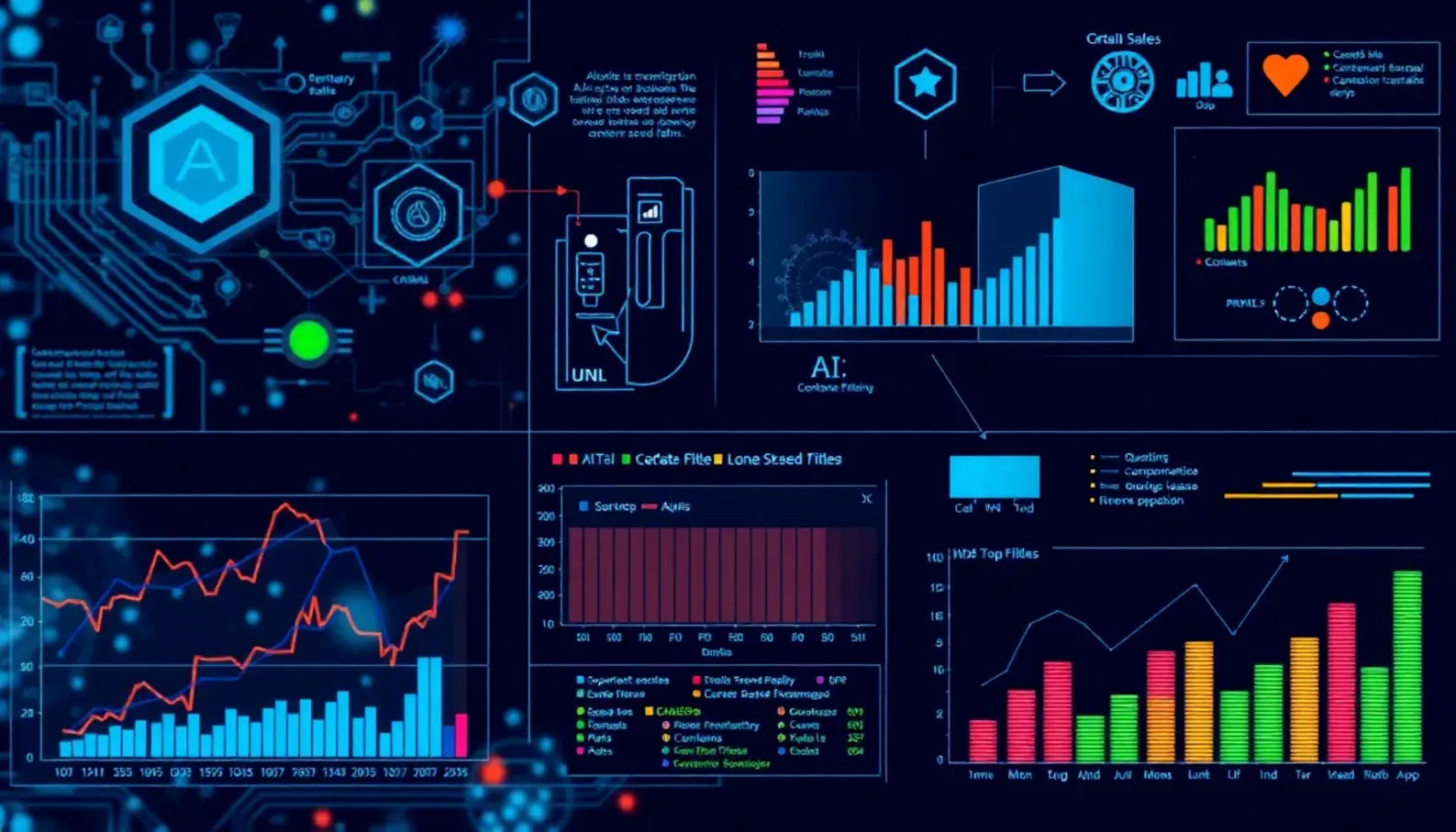
Artificial intelligence is reshaping the retail landscape by providing personalized experiences tailored to individual consumer preferences. At the heart of this transformation are AI-powered recommendation systems. These systems enhance consumer engagement by enabling retailers to offer highly targeted product suggestions.
The mechanics of recommendation systems are rooted in their ability to analyze large volumes of data. By understanding consumer behavior, these systems predict what a customer might enjoy or need. Collaborative filtering is one of the primary algorithms employed. It works by identifying patterns and preferences among similar users. For example, if two customers have overlapping interest areas, the system might recommend a product liked by one customer to the other.
Content-based filtering is another crucial method. This algorithm focuses on the attributes of items a user has shown interest in. For instance, if a consumer often purchases mystery novels, the recommendation system will suggest additional books from the same genre. By concentrating on product characteristics, content-based filtering helps create a unique profile for each consumer.
Both collaborative and content-based filtering have significantly improved sales and customer satisfaction. According to a study, retailers employing these systems have seen an average increase in sales conversion rates by about 15-20%. These algorithms not only drive revenue but also enhance customer loyalty by making them feel understood and valued.
Yet, the sophistication of recommendation systems doesn’t end with these two algorithms. Hybrid models combine collaborative and content-based techniques to offer even more personalized suggestions. These systems analyze user behavior patterns while simultaneously understanding product attributes. This dual approach allows for tailoring recommendations effectively even for new users or items, a challenge often termed the “cold start” problem.
Several enterprises have seen transformative benefits from implementing these hybrid recommendation models. By leveraging AI-driven insights, retailers can dynamically adjust their strategies based on real-time consumer behaviors.
As AI technologies continue to evolve, recommendation systems are integrating deep learning models to improve accuracy. Deep learning enables systems to process vast datasets with numerous parameters, capturing nuanced consumer preferences that simpler models might miss. These models can understand context and provide recommendations that align with a user’s current needs and interests.
Investors and designers interested in AI technology should consider how AI-powered recommendation systems can become a critical component of retail strategy. To harness these systems effectively, understanding the basic algorithms and staying informed about advancements in AI is imperative.
As the retail sector undergoes this AI-driven evolution, the importance of balancing personalization with privacy cannot be overlooked. Consumers are becoming increasingly cautious about the data they share. Transparent data policies and ethical AI practices will play a vital role in maintaining trust.
For those looking to explore further the intersection of AI strategies and business growth, consider visiting the AI in Business Growth page, which delves into related innovations across various sectors.
In essence, the adoption of AI-powered recommendation systems is no longer optional but necessary for retailers looking to maintain a competitive edge. By investing in these technologies, businesses can not only meet the current demands of personalization but also prepare for future consumer expectations.
Designing Engaging Retail Experiences with AI Insights
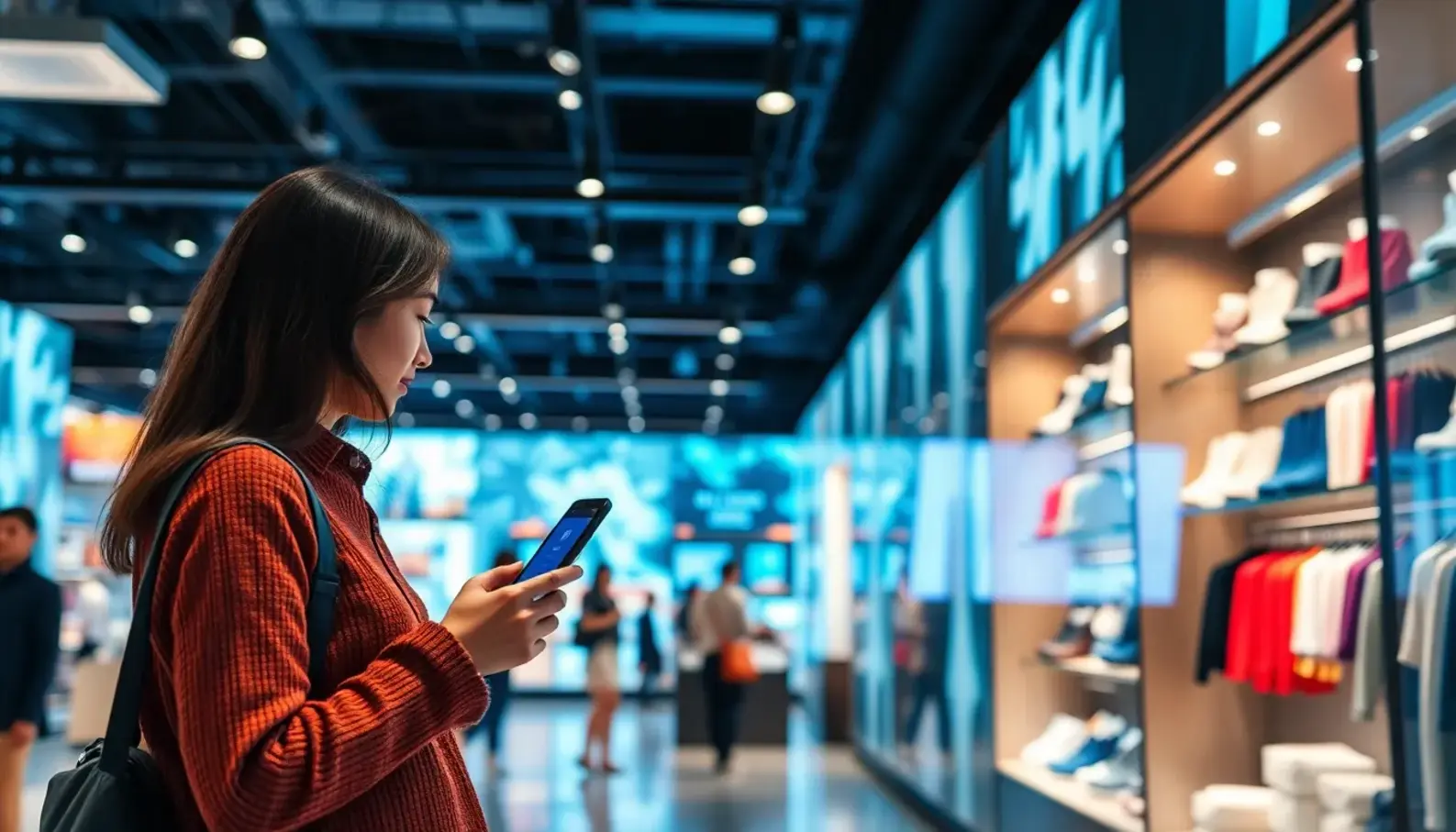
Retail businesses are rapidly evolving through the adoption of AI-driven recommendation systems, creating tailored experiences that enhance customer engagement and satisfaction. These systems analyze vast amounts of data to uncover insights about customers’ preferences, habits, and intent. Leveraging AI, retailers can design more engaging experiences through personalized approaches to communication and product offerings.
One prominent application of AI in retail is the creation of personalized email campaigns. By analyzing customer data, these systems can segment consumers based on previous interactions, purchase history, and browsing behaviors. Retailers can then craft targeted messages that address the individual needs of each customer. Personalized emails can recommend products similar to those previously bought, inform customers about new arrivals that fit their profile, or offer exclusive deals that align with their purchasing behavior. This level of personalization not only improves open rates but also drives conversions, fostering a loyal customer base.
Beyond digital communication, AI insights play a pivotal role in curating product assortments tailored to consumer preferences. By identifying patterns in shopping history, AI can predict future purchases, allowing retailers to optimize their inventory based on anticipated demands. This predictive power minimizes overstock and stockouts, ensuring that customers find the right products when needed. Retail investors will find this aspect particularly attractive, as optimized inventory leads to better cash flow and increased profitability.
In-store experiences also benefit greatly from AI-driven recommendations. By integrating AI with mobile apps or in-store kiosks, retailers can provide real-time suggestions to customers. For instance, a brick-and-mortar store could use AI to analyze a customer’s shopping journey and offer personalized promotions as they browse. Beacon technology can further enhance this by pushing notifications about special offers or product suggestions when a customer approaches a specific aisle. Such interactions not only increase sales but also create a more engaging shopping experience that encourages repeat visits.
Designing seamless retail experiences requires strategic user experience (UX) design that capitalizes on AI insights. Retailers should aim to create interfaces that are intuitive and offer real value to the end-user. Simplifying navigation in mobile apps and ensuring the checkout process is smooth are essential steps in achieving this goal. Incorporating AI to power search functions is beneficial as well, allowing customers to find products easily based on natural language input or even visual search.
For UX designers, integrating AI insights means focusing on context-aware interactions. Providing customers with the right information at the right time maximizes engagement and minimizes the cognitive load. It’s about creating frictionless paths from interest to purchase. Clear, concise messaging and personalized content should guide users naturally through their journey, whether online or in-store.
Investors eyeing the AI-driven retail transformation should focus on companies that prioritize technological innovation and customer experience enhancement. The integration of AI in retail is not just about adopting new technologies but also about fostering a culture of constant improvement and adaptation. Companies that invest in robust AI systems and diligently analyze their customer data are more likely to stay ahead of the competition and deliver substantial returns.
For deeper insights on business growth strategies leveraging AI, visit AI in Business Growth, which explores how businesses are integrating AI to enhance operational efficiency and expand market reach.
Finally, successful implementation of AI-driven recommendation systems requires careful planning and continuous optimization. Retailers must keep iterating on their strategies, analyzing performance metrics and customer feedback to refine their approaches. Strategic partnerships with AI solution providers can provide access to cutting-edge technologies and expertise, allowing retailers to fully harness the potential of AI to transform their customer experiences.
Final words
AI is not just a trend; it is an essential component of modern retail strategy. By leveraging recommendation systems, designers can create more engaging consumer experiences, while investors can capitalize on the evolving market landscape. Embracing AI-driven personalization will undoubtedly influence the future of retail and enhance customer satisfaction.
Download Research Report
Learn more: innoupdates.com
About us
Innoupdates provides comprehensive research reports and insights on AI technologies in retail, equipping designers and investors with valuable data to inform their strategies and decisions.