
As technology evolves, so does the way consumers engage with retail brands. The integration of artificial intelligence in experience marketing is revolutionizing how businesses understand and respond to consumer behavior. By leveraging data-driven insights, AI can create personalized shopping experiences that resonate with the unique preferences of each customer. It’s no longer enough to offer a quality product; brands must also enhance emotional connections through tailored experiences. This pivotal change poses exciting opportunities for policymakers and marketing professionals to stay ahead in the competitive retail landscape.
Understanding Consumer Behavior Through AI
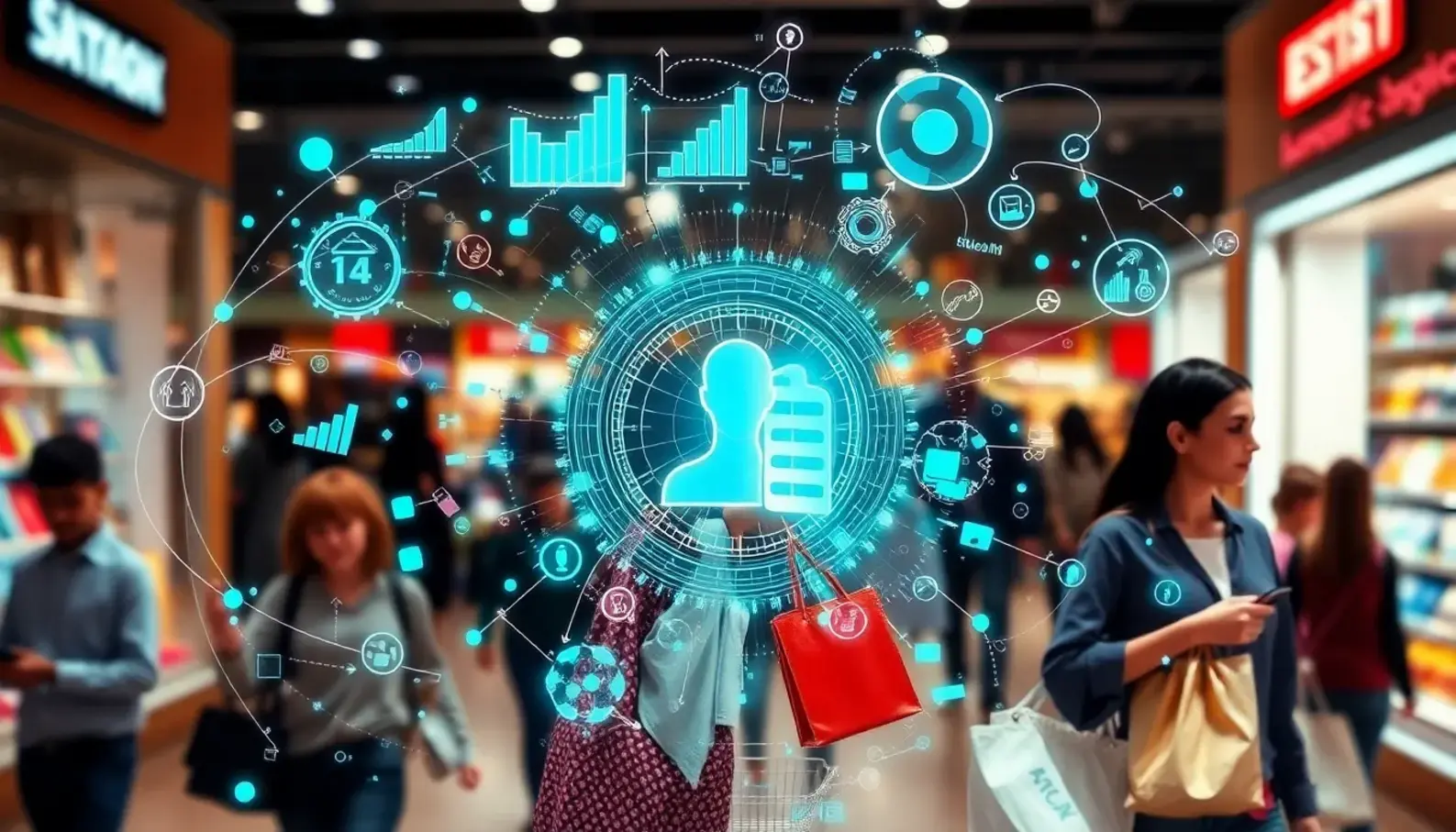
Artificial intelligence is reshaping the way marketers understand consumer behavior. It has become a crucial tool for analyzing vast amounts of data that unveil hidden consumer behavior patterns and preferences. AI technologies, such as predictive analytics and sentiment analysis, allow businesses to interpret these extensive datasets, offering insights that were previously unattainable.
Predictive analytics employs algorithms and machine learning to forecast future consumer actions by analyzing historical data. This technique allows marketers to anticipate trends and make informed decisions without relying solely on intuition. For instance, retailers can adjust inventory based on predicted buying patterns, thereby reducing waste and optimizing supply chains. Predictive analytics also aids in personalized marketing strategies by suggesting products tailored to an individual’s preferences.
Sentiment analysis, on the other hand, involves the use of natural language processing to understand consumer attitudes by examining their texts, such as reviews and social media posts. By analyzing language tone and context, businesses can gauge customer satisfaction and brand perception. This immediate feedback loop helps marketers adapt strategies in real-time to enhance customer engagement and loyalty.
Several companies have harnessed AI successfully to understand their consumers better. A popular online retailer, for instance, employs AI to analyze purchasing data and browsing history to provide customers with personalized recommendations. This approach has significantly increased their conversion rates and customer satisfaction levels. Another example can be seen in the fashion industry, where brands use AI-driven chatbots to interact with customers, offering styling advice and product recommendations based on real-time fashion trends.
These AI advancements have broader implications beyond just enhancing marketing effectiveness. They also raise critical questions about data privacy and ethical marketing practices. Policymakers must consider regulations that balance innovation with consumer protection. It’s essential to ensure user data is acquired, stored, and used transparently and ethically. Consumers should be aware of how their data is being used and should have control over it. This is closely related to broader discussions around AI ethics in business, which is explored on this page.
Moreover, businesses must commit to ethical AI use by implementing best practices for data privacy. This includes employing robust security measures and complying with data protection laws. Marketers need to establish trust with their consumers by being transparent about AI implementations and giving users the freedom to opt-out of data collection.
As AI continues to evolve, its impact on understanding consumer behavior will only grow. Marketers must stay informed about technological advancements to effectively leverage AI without compromising consumer trust. By doing so, they can not only enhance customer engagement but also foster a responsible and ethical marketing environment.
Personalization at Scale: AI-Driven Marketing Strategies

As retailers strive to meet the ever-evolving needs of consumers, personalization stands as a cornerstone of enhanced customer engagement. Artificial Intelligence (AI) brings unprecedented capabilities to deliver personalized marketing experiences at a scale previously unimagined. Through the integration of machine learning algorithms, recommendation engines, and virtual shopping assistants, businesses can transform individual shopping journeys, tailoring them to fit the unique preferences of each customer.
Machine learning lies at the heart of AI-driven personalization strategies. It enables computers to process vast volumes of consumer data, discerning patterns and preferences that can predict future behavior. Retailers can employ these insights to tailor their marketing messages and product recommendations to each consumer’s unique taste and shopping history. By learning from past interactions, machine learning models continuously improve, providing real-time personalization that evolves with the customer. The use of machine learning in e-commerce has shifted the focus from a one-size-fits-all approach to a more personalized shopping experience.
Recommendation engines built upon sophisticated algorithms play a significant role in AI-driven marketing. These engines analyze user behavior data to suggest products that align with personal preferences. Whether it’s an e-commerce website curating a personalized homepage or an online streaming platform suggesting personalized content, these engines enhance user engagement and increase conversion rates. By providing recommendations that resonate with the consumer’s preferences, retailers are more likely to convert casual browsing into actual sales.
Virtual assistants, powered by natural language processing, serve as personal shopping consultants. These AI-driven assistants interact with consumers in a conversational manner, addressing queries, offering product recommendations, and even completing transactions. The ability to handle multiple consumer interactions simultaneously allows virtual assistants to scale personalization efforts, ensuring a seamless shopping experience for thousands of consumers at any given time. As these assistants evolve, their role in creating fluid and personalized shopping journeys becomes increasingly valuable.
Successful implementations of AI-driven marketing strategies showcase the tangible benefits of personalization. Retailers who have effectively integrated AI into their marketing operations report increased customer satisfaction and loyalty, thanks to the enhanced shopping experience. Additionally, businesses see improved sales figures as personalized recommendations drive more targeted consumer interactions. The ability to offer unique, customized experiences creates a competitive advantage, setting these retailers apart in a crowded marketplace.
An important aspect of employing AI in personalized marketing is ensuring ethical practices. As personalization involves handling sensitive consumer data, it necessitates strict adherence to privacy regulations to protect consumer rights. Data protection frameworks must be established to ensure that AI-driven initiatives do not infringe on privacy. Transparent practices, including clear communication of data usage and opt-in policies, are essential in building consumer trust. Regulations must evolve to keep pace with technological advancements, providing a balanced environment where innovation and consumer protection coexist harmoniously.
Incorporating AI into retail marketing offers immense potential, but its execution requires careful consideration of ethical, technical, and strategic aspects. Retailers who navigate these challenges can craft deeply engaging and customized shopping experiences, differentiating themselves in a competitive landscape. For more insights into the ethical considerations of AI in similar fields, you may find related discussions on AI ethics insightful at this link.
The rich intersection of AI and personalization promises a future where customer experiences are continually enhanced, fostering stronger consumer connections and driving sustained business growth. As AI technologies evolve, the retail industry stands on the brink of a new era of hyper-personalized marketing, setting the stage for innovative engagement strategies that are both effective and ethical.
The Future of Retail Marketing: Balancing Innovation and Ethics
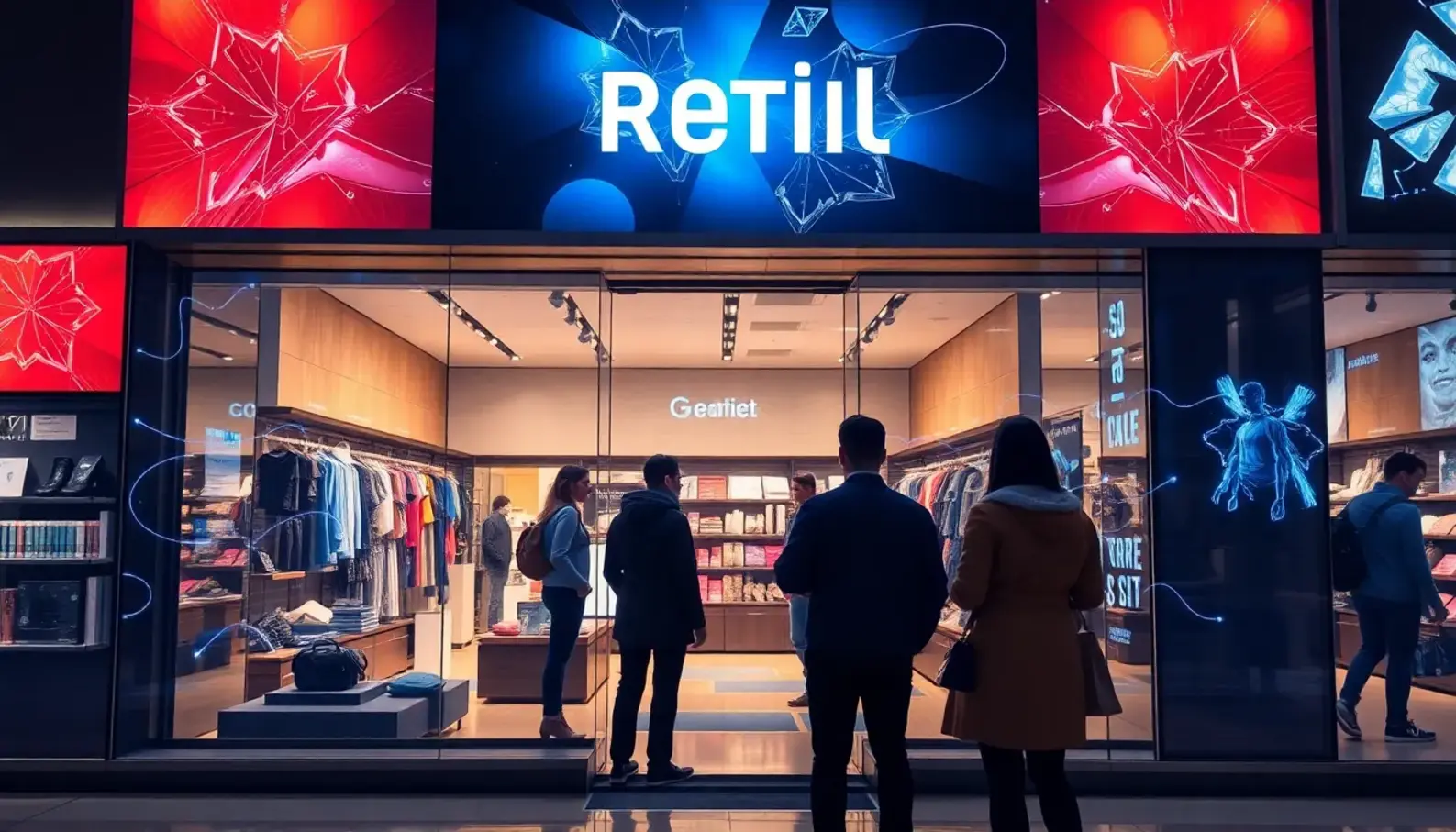
Retail marketing is on the precipice of transformative change, where artificial intelligence is set to play a pivotal role in shaping the customer experience. As businesses strive to integrate AI-driven innovations such as augmented reality and conversational marketing into their strategic arsenal, a balance between technological advancement and ethical responsibility must be achieved.
Augmented reality (AR) shopping represents a significant advancement in retail marketing by creating immersive experiences. Customers can virtually try on clothing, visualize furniture in their own homes, or even test different makeup looks. This heightened level of engagement can notably increase conversion rates and enhance the customer’s decision-making process. However, personal data protection and privacy concerns rise with this immersive technology. Retailers must take care to safeguard user data collected during AR interactions and ensure transparency about how this data is used.
Conversational marketing, leveraging AI chatbots and virtual assistants, personalizes customer service at scale. Through natural language processing, these technologies can understand and respond to customer queries, offering product recommendations and assistance round the clock. While this innovation boosts efficiency and enhances user engagement, businesses must be wary of over-relying on automation. The human touch in customer service should complement, not be replaced by, AI solutions.
As AI continues to permeate the retail sector, ethical considerations become paramount. Retailers face the challenge of ensuring AI tools are used responsibly—without overstepping into intrusive data exploitation. Establishing clear guidelines on data encryption, anonymization, and consent can build consumer trust and foster long-term relationships. Furthermore, maintaining algorithmic fairness is critical. AI systems should be designed to avoid biased outcomes, ensuring all consumer segments receive equal quality of service.
Engaging with policymakers is essential in navigating the intersection of innovation and ethics. Retailers and legislators must collaborate to create a regulatory framework that encourages technological advancements while safeguarding consumer interests. Policymakers can develop legislation that strikes a balance between innovation flexibility and stringent ethical standards. This way, businesses can achieve compliance without stifling creative development.
A forward-thinking approach to regulation involves continuous dialogue between tech developers, retailers, and policymakers. This collaboration can lead to adaptive regulatory measures that evolve with technological advancements. Encouraging the development of ethical AI certifications could also serve as a benchmark for companies striving to prioritize ethical considerations in their operations.
Global collaboration on AI ethics policy can provide a unified stance on issues such as data privacy, consent, and the ethical deployment of AI technologies within the retail sector. Such international agreements can help companies navigate the diverse regulatory landscapes across different jurisdictions, promoting a more cohesive ethical framework.
As the retail industry embraces these cutting-edge technologies, businesses must not only focus on personalization and efficiency but also uphold transparency and fairness. Ethical standards should be at the core of every marketing strategy involving AI.
Successfully blending innovation with ethics is crucial for sustainable growth in retail marketing. By thoughtfully integrating AI tools like AR shopping and conversational marketing, retailers can enhance customer satisfaction, drive sales, and build enduring trust. Establishing a cooperative relationship with policymakers will ensure that this growth is achieved in a manner that benefits both businesses and consumers.
For additional insights on AI’s impact across various industries, explore AI in Law.
Final words
Artificial intelligence is not just a technological trend; it represents a fundamental shift in the retail experience marketing landscape. By providing data-driven insights and personalized experiences, AI can significantly enhance consumer engagement and ultimately drive sales. As policymakers and marketers navigate this rapidly evolving landscape, a commitment to ethical standards and consumer rights will be essential for creating sustainable and meaningful relationships between brands and their customers.
Get Checklist
Learn more: innoupdates.com
About us
We provide innovative marketing solutions that leverage the latest in AI technology, helping retailers optimize their consumer engagement strategies while ensuring adherence to ethical standards. Transform the way your brand interacts with customers through personalized marketing insights and tools tailored to today’s dynamic market.