As organizations become increasingly reliant on digital infrastructures, the demand for advanced cybersecurity solutions grows. AI technologies offer unprecedented capabilities in identifying, predicting, and mitigating cyber threats. By harnessing machine learning algorithms, real-time data analysis, and automation, leaders can create a robust cyber defense strategy. This evolution is not just about protecting data but fostering trust and resilience within digital ecosystems. As we dive deeper into the capabilities of AI in cybersecurity monitoring, we explore its applications, advantages, and future trends that are shaping an secure digital landscape.
AI-Powered Threat Detection: The Next Level of Security

Artificial Intelligence (AI) technologies are pivotal in reshaping cybersecurity landscapes. Their capabilities transcend traditional approaches, equipping organizations with sophisticated tools to anticipate and respond to threats with unparalleled precision.
The evolutionary integration of machine learning (ML) in cybersecurity is at the forefront of these advancements. Machine learning models can churn through enormous datasets, identifying patterns and pinpointing anomalies indicative of potential breaches. Through continuous learning, ML systems enhance their predictive accuracy, adapting to evolving threat vectors. This capability reduces the reliance on static security measures that often fail in the face of modern, dynamic cyber threats.
Behavioral analytics is another critical application, enabling systems to analyze the behavior of users and devices. By establishing a baseline of ‘normal’ activity, AI-driven systems can effectively detect deviations that may signify attempts at unauthorized access or data exfiltration. When an anomaly arises, alerts are triggered, prompting immediate investigation. This proactive approach is crucial in mitigating risks before they manifest into full-blown security incidents.
The importance of real-time analytics cannot be overstated in this context. Traditional security solutions often lag, providing insights only after a breach has occurred. However, AI-powered systems process and analyze data in real-time, ensuring that security teams receive immediate warnings of emerging threats. This immediacy not only reduces the time hackers have to exploit vulnerabilities but also accelerates the decision-making process for security personnel.
Automated threat detection further streamlines an enterprise’s security apparatus. By integrating AI systems capable of autonomous decision-making, organizations can alleviate human resource constraints and allow security professionals to focus on strategic tasks. This automation involves leveraging AI to sift through dependencies in code or detect unusual amounts of outbound traffic—a common symptom of data breaches.
The synergy of AI technologies in threat detection is not just about identifying threats but also about contextual response. Machine learning models now incorporate data from numerous sources, correlating findings to understand the context better and offer recommendations. For instance, if a login attempt’s geographic origin is unusual for a user, the system can flag this as suspicious and initiate additional verification processes.
Despite the remarkable advantages AI introduces, it is essential to acknowledge potential challenges. The sophistication of AI tools may necessitate advanced training for cybersecurity teams. Further, the reliance on vast datasets can raise ethical concerns, as covered in relevant discussions like on the ethics of generative AI. Addressing these concerns requires balancing technological utility with privacy rights and ethical standards.
Integrating AI into cybersecurity is transformative and indispensable. As cyber threats continue to rise in complexity and frequency, AI’s role in augmenting a robust security posture will undoubtedly expand. The emphasis on real-time threat detection and automated response paves the way for more resilient defenses, ensuring security infrastructures remain agile in the face of rapidly changing landscapes.
Proactive Defense: Automating Response and Recovery with AI
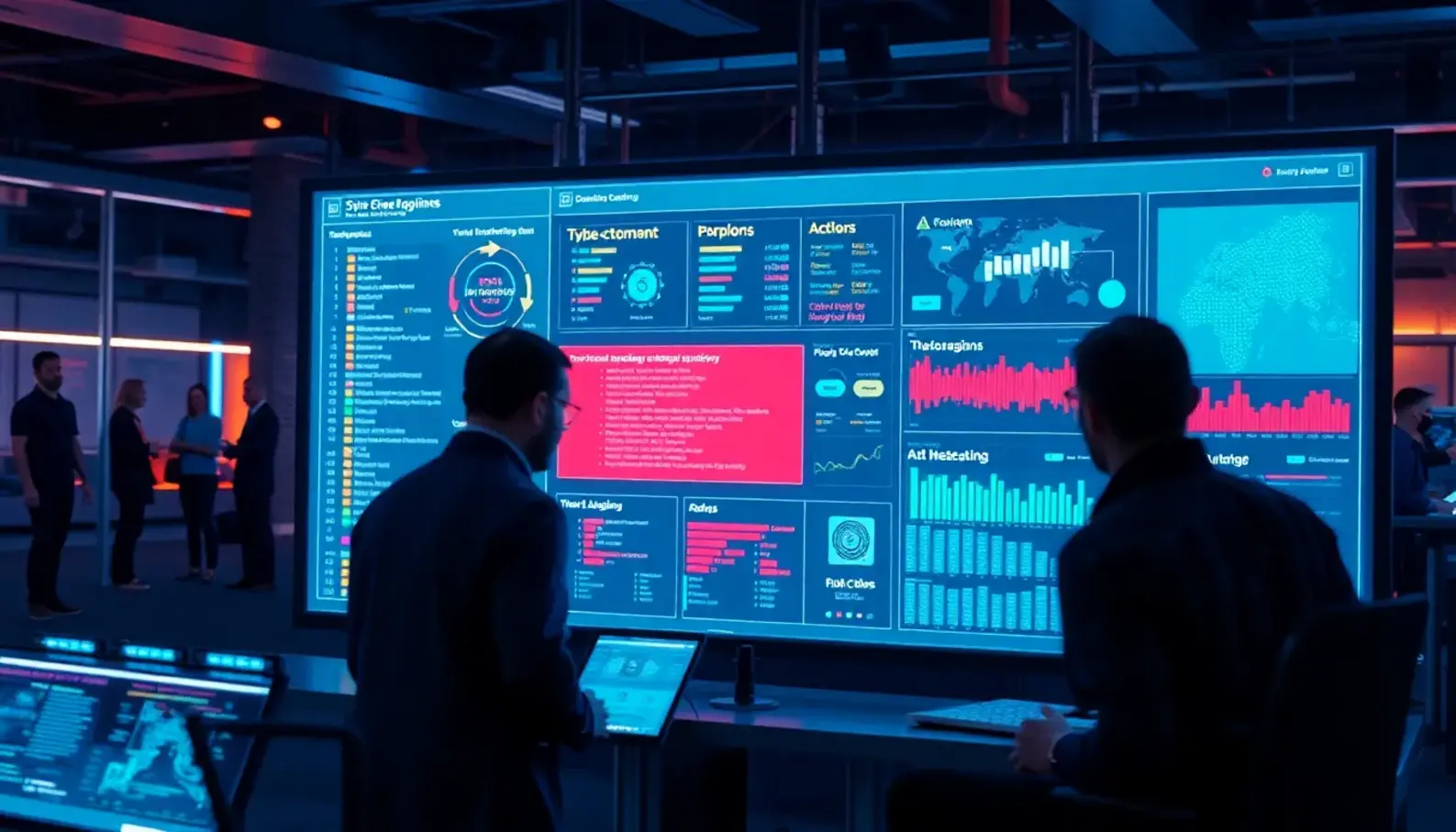
In the ever-evolving digital landscape, the need for efficient cybersecurity measures has never been paramount. Artificial Intelligence (AI) is revolutionizing how organizations respond to cyber incidents. By automating responses, AI empowers firms to thwart attacks swiftly. This fusion of AI and cybersecurity enhances decision-making during crises, optimizing resources to protect critical software assets from evolving threats.
AI supports proactive defense strategies through automation, reducing human error and providing consistent responses. When incidents occur, AI-driven systems analyze threats in real-time, offering insights from vast datasets. This capability significantly reduces response times as the AI actively identifies anomalies, triggers alerts, and implements predefined countermeasures within seconds.
Modern AI systems use machine learning algorithms to predict attack vectors. These algorithms sift through historical attack data, enhancing their predictive accuracy over time. For instance, anomaly detection algorithms pinpoint deviations from normal network behavior, flagging potential threats early. By identifying these anomalies promptly, AI assists in mitigating threats before they escalate into full-blown breaches.
Crisis management in cybersecurity is where AI’s decision-making prowess shines. In the throes of an attack, rapid decisions can mean the difference between containment and catastrophe. AI prioritizes alerts based on severity, ensuring that security teams focus on the most critical threats first. Additionally, AI systems evaluate the effectiveness of implemented measures, providing feedback that fine-tunes response strategies over time.
The role of AI extends beyond initial containment. In post-incident recovery, AI analyzes system logs to reconstruct attack paths. This forensic analysis uncovers vulnerabilities that need patching, preventing similar breaches in the future. What’s more, machine learning aids in automating these patches across systems, ensuring swift recovery and reducing downtime for businesses.
Consider a major financial institution that implemented AI-driven cybersecurity measures. The AI system identified a complex phishing attack that conventional firewalls missed. By analyzing communication patterns, the AI flagged suspicious emails, automatically quarantining them. Upon further analysis, the system discovered an attempt to exfiltrate sensitive data. With AI’s intervention, the incident was contained within minutes, showcasing how AI can decisively protect digital assets.
In another instance, a healthcare provider adopted an AI platform to safeguard patient records. When an unfamiliar device attempted access, the AI immediately isolated the threat. Real-time analytics revealed a botnet attack targeting personal data. The AI-enabled response not only secured the data but also provided insights for refining future security protocols, highlighting AI’s role in continuous learning and adaptation.
The dynamic nature of AI distinguishes it from static systems. As cyber threats evolve, AI systems self-update continuously. This adaptability equips them to counter novel threats, learning from each encounter to build a more robust defense posture.
One significant advantage of AI in cybersecurity is its ability to work alongside human teams, rather than replacing them. Automation handles repetitive and time-consuming tasks, allowing security professionals to focus on strategic decisions. The synergy between AI and human expertise results in a more resilient defense against cyber threats.
Moreover, involving AI in cybersecurity does not mean relinquishing control over decision-making processes. Instead, it highlights a collaborative approach where AI and human intelligence complement each other, accelerating threat response and recovery processes.
Organizations adopting AI-driven cybersecurity strategies witness significantly improved incident response times. The automation of routine tasks minimizes response gaps, vital for maintaining the continuity of business operations. In a digital landscape where every second counts, leveraging AI is not merely an option but a necessity for proactive defense.
For further exploration of AI’s transformative role beyond cybersecurity, visit this in-depth article on AI in business growth, which delves into how AI-driven insights empower business leaders and innovators across various sectors.
Final words
AI is fundamentally reshaping cybersecurity monitoring by enhancing threat detection and automating response efforts. Embracing these innovations not only strengthens defenses but also prepares organizations for an ever-evolving digital landscape. By leveraging AI-driven insights, leaders can foster a culture of resilience and proactive security.
Get Toolkit
Learn more: https://innoupdates.com
About us
Our company specializes in AI-driven cybersecurity solutions designed to enhance threat detection, automate incident responses, and reduce recovery times. Our toolkit empowers organizations to stay ahead of cyber threats, providing comprehensive analytics and real-time insights that enable informed decision-making.