As organizations face an ever-evolving cybersecurity landscape, the integration of AI into security measures paves the way for more personalized strategies. By leveraging machine learning, predictive analytics, and advanced algorithms, businesses can enhance their defenses against sophisticated cyber threats. The need for customized approaches has never been more urgent, as one-size-fits-all solutions fall short in addressing unique vulnerabilities. This article delves into how AI can create tailored cybersecurity experiences, ensuring organizations not only guard against risks but also adapt to their specific operational contexts.
The Imperative for Personalized Cybersecurity Solutions

The digital landscape presents a complex web of threats that can no longer be effectively mitigated by traditional, one-size-fits-all security measures. Organizations face unique challenges based on their operational models, requiring a shift towards personalized cybersecurity solutions. Such tailored approaches not only safeguard data but also enhance the overall resilience of an organization.
Traditional cybersecurity models operate on a reactive basis, addressing threats after they materialize. However, this is inadequate in contemporary settings where cyber threats evolve with alarming rapidity. The lack of specificity in conventional security measures often leaves gaps, allowing cybercriminals to penetrate systems with relative ease. Personalized cybersecurity solutions address these gaps by aligning with the unique operational dynamics and threat environments of each organization.
Business models vary significantly across industries. A healthcare provider’s security needs differ starkly from those of a manufacturing firm. For example, the former might prioritize the protection of sensitive patient information, whereas the latter might focus on safeguarding intellectual property. Personalized cybersecurity approaches analyze specific organizational needs, ensuring customized protection measures are in place. Organizations are thus empowered to predict potential threats and reinforce vulnerabilities specific to their operations.
Regulatory requirements also play a crucial role in defining cybersecurity needs. Various industries must adhere to distinct sets of regulations, which prescribe specific security practices. Financial institutions, for instance, must comply with stringent regulations aimed at protecting consumer information. Customized cybersecurity strategies are implemented not only to adhere to these regulations but to exceed them, thus avoiding potential legal repercussions and fostering consumer trust.
The diverse threat landscapes further necessitate personalized security measures. Consider an online retailer facing substantial threats from bot attacks and data breaches. Generic security configurations might fail to address these specific threats effectively. However, a tailored cybersecurity solution would employ advanced analytics to detect unusual patterns and preemptively block malicious activities, thus adapting swiftly to the ever-changing threat landscape.
Case studies provide a glimpse into how organizations have successfully adopted personalized cybersecurity measures. A notable example is a consumer electronics company that experienced recurrent cyber-attacks targeting its supply chain. By implementing a customized monitoring system, it significantly reduced vulnerabilities within its network. This system utilized machine learning algorithms to continually assess and adjust security protocols based on current threats, allowing the company not only to defend itself effectively but also to maintain the integrity of its supply chain.
Another example features an educational institution that required solutions beyond basic firewall and antivirus measures. With the rise of remote learning, the institution faced an increased risk of unauthorized access to its digital platforms. By developing a personalized security protocol that employed biometric authentication and AI-driven anomaly detection, the institution safeguarded its digital assets while providing secure access to its students and faculty.
The synergy between AI and personalized cybersecurity cannot be overstated. AI enables real-time threat detection, automating the process of identifying and mitigating attacks before they cause harm. Through constant machine learning and analysis, AI systems can discern patterns that even seasoned security professionals might overlook. This is crucial for organizations that require agility in their response to cyber threats, allowing them to stay one step ahead of cyber adversaries.
The push towards tailored cybersecurity solutions is further exemplified by the growing adoption of AI in monitoring and securing complex digital infrastructures. Industries are leveraging AI-driven insights to deepen their understanding of potential threats and craft nuanced responses to them. For further insights into AI’s transformative impact on cybersecurity and beyond, consider exploring AI in Business Growth.
In conclusion, personalized cybersecurity measures have moved from being an optional enhancement to an essential component of digital safety and integrity. They provide the specificity and adaptability required in an era characterized by diverse cyber threats and regulatory environments. By embracing personalized solutions, organizations not only shield themselves more effectively but also lay a solid foundation for future growth and innovation.
AI Technologies Shaping Personalized Cybersecurity
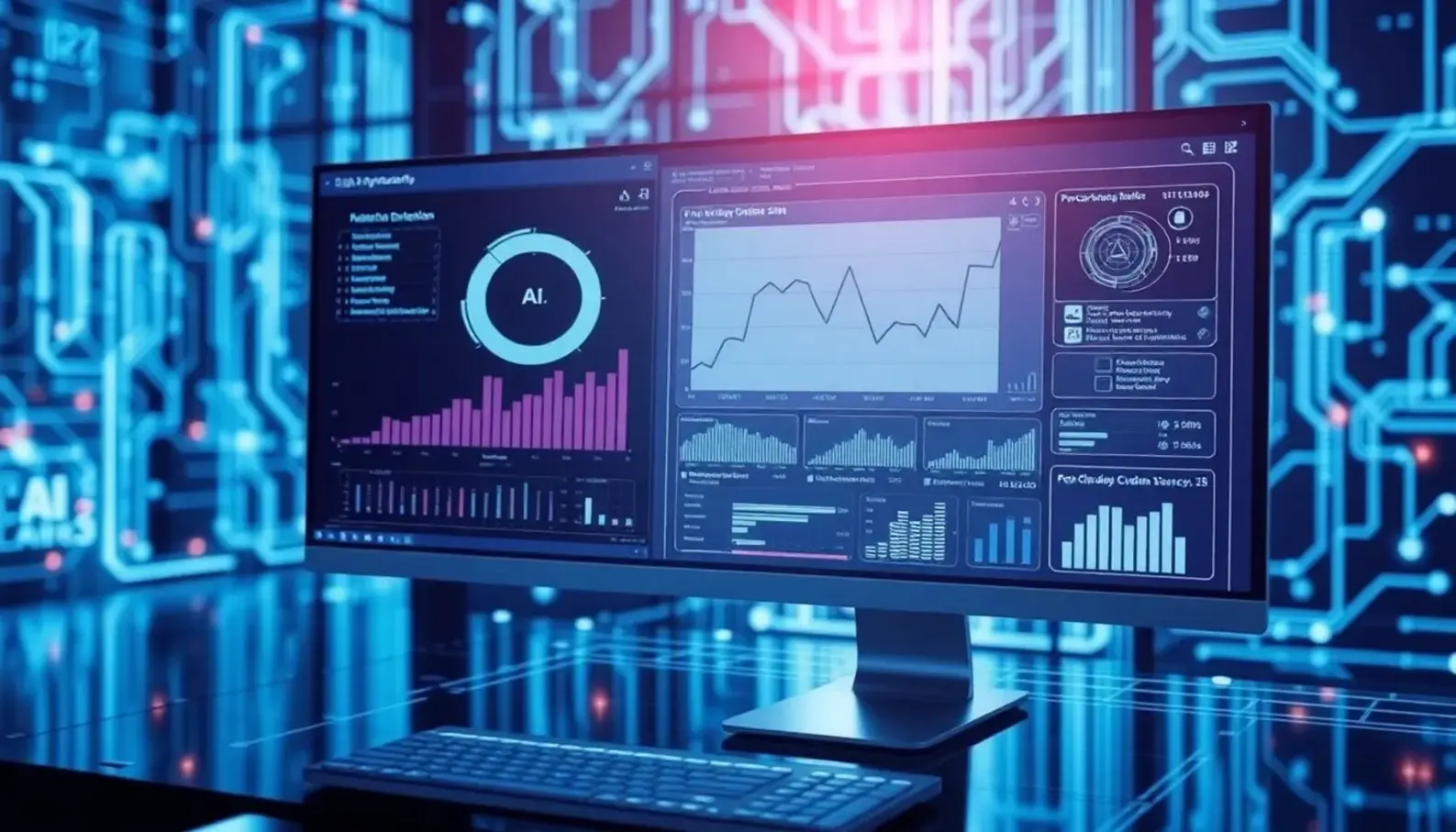
Artificial Intelligence (AI) technologies are revolutionizing personalized cybersecurity by offering tailored solutions that adapt to individual needs and behaviors. Among these technologies, machine learning algorithms, behavioral analytics, and natural language processing play pivotal roles.
Machine learning algorithms are central to personalized cybersecurity. These algorithms are designed to analyze extensive data sets, learning from them to identify patterns and anomalies indicative of potential threats. Unlike traditional security methods, which rely heavily on predefined rules, machine learning enables systems to adapt to emerging threats specific to individual user contexts. Through continuous learning, these algorithms can discern normal behavior from what might be indicative of a breach, thus offering a dynamic and adaptive defense mechanism.
Behavioral analytics further augments cybersecurity by scrutinizing the actions and interactions within a digital environment. This technology observes users’ behaviors—such as login patterns, typing speed, and typical navigational paths—to create unique behavioral profiles. When a user’s behavior deviates significantly from established norms, the system triggers alerts, highlighting potential compromises. This proactive approach enables security systems to identify threats that traditional methods might miss, offering a personalized layer of protection that aligns with each user’s specific actions.
Natural language processing (NLP), another key AI technology, enhances cybersecurity by allowing systems to interpret and understand human language. This capability is critical in threat detection as it enables the analysis of textual data, such as emails or chat logs, to identify phishing attempts or social engineering threats. NLP can detect subtle linguistic patterns or anomalies, such as unusual phrases or excessive emphasis on urgency. Through this insight, cybersecurity systems can offer immediate alerts and countermeasures, thus mitigating the risk of data breaches resulting from human error or manipulation.
In practical applications, these AI technologies facilitate automated threat hunting and real-time alerts. Automated threat hunting uses machine learning and behavioral analytics to proactively seek out vulnerabilities and potential threats within a system. By consistently scanning networks and systems, AI-driven tools can detect anomalies without human intervention, accelerating response times and reducing the risk of exploitation.
Real-time alerts, made possible by the integration of NLP and behavioral analytics, ensure that security professionals are immediately informed of potential threats. This instantaneous feedback allows for swift action, reducing the time between detection and response. For instance, if a phishing email bypasses initial filters, NLP technology catches it by rapidly scrutinizing the content, triggering an alert before any damage is done.
Examples of platforms integrating these technologies are numerous, albeit they remain unnamed here. These platforms offer comprehensive security solutions that incorporate machine learning to fine-tune defenses, behavioral analytics to tailor response strategies, and NLP to enhance communication security.
As cybersecurity threats evolve, the synergy between AI technologies and personalized solutions becomes indispensable. By harnessing the power of AI, organizations can not only anticipate and mitigate threats in real time but also create a secure digital environment tailored to the nuanced needs of each user. As AI continues to advance, the potential for more personalized and effective cybersecurity is vast, promising a more secure digital landscape.
Furthermore, exploring interdisciplinary advancements can enrich these solutions. For more insights on AI integration across various fields, consider reviewing agentic AI insights, offering broader perspectives on AI enhancing human agency, which parallels its application in personalized cybersecurity.
Implementing AI-Driven Personalized Cybersecurity Strategies
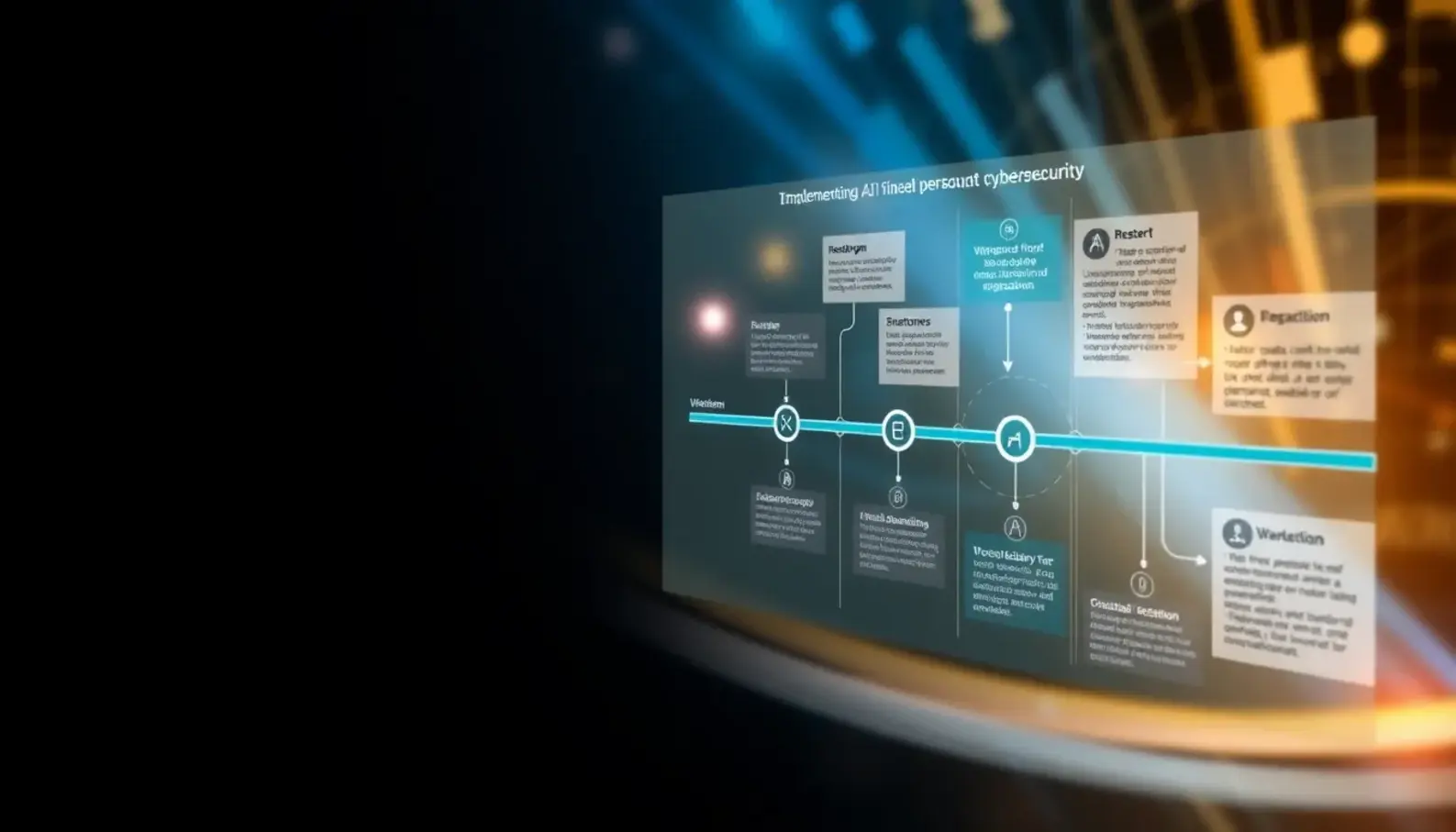
Implementing AI-driven personalized cybersecurity strategies requires a holistic and structured approach. It’s essential to align these strategies with broader business objectives and to create a security culture that penetrates every level of an organization. To achieve these, consider the following framework which emphasizes stakeholder engagement, comprehensive risk assessment, continuous monitoring, and seamless integration of AI technologies.
An essential first step is engaging stakeholders throughout the organization. This involves identifying key decision-makers, technical staff, and end-users who will be impacted by new security implementations. Stakeholder engagement ensures that there’s a clear understanding of security needs and goals, facilitating a smooth adoption of AI-driven solutions. Regular workshops and discussions can enlighten stakeholders about the advantages of personalized cybersecurity, encouraging buy-in and support from all involved parties.
A robust risk assessment forms the core of any cybersecurity strategy. AI technologies can enhance this process by providing dynamic analysis that evolves with the threat landscape. Risk assessments should consider both internal and external threats, exploring vulnerabilities unique to the organization. By leveraging AI, organizations can engage in predictive analysis, identifying potential threats before they manifest. This proactive stance allows for the creation of customized security protocols that address specific risks while minimizing false positives.
Continuous monitoring is crucial in maintaining a robust cybersecurity posture. AI-driven solutions excel in this area due to their capacity to process vast amounts of data in real-time. Implementing machine learning models that adapt to new threats can prevent breaches before they occur. Continuous monitoring should include anomaly detection, user behavior analytics, and network traffic analysis. These components work together to ensure any irregularities are flagged and addressed promptly.
CTOs must align AI-based security strategies with overarching business goals, which demands a balance between innovative technology and practical business needs. Prioritizing data protection and regulatory compliance is vital, but this should not overshadow the necessity for scalability and cost-effectiveness. AI strategies should support business growth without introducing excessive complexity or cost. Regular assessments of the cybersecurity landscape and emerging AI technologies will aid in identifying solutions that both secure the organization and empower its business objectives.
For effective implementation, adopt a gradual integration roadmap that minimizes disruption. Start with pilot projects targeting particular business units or processes. This phased approach allows organizations to evaluate the effectiveness of AI-driven strategies on a small scale before full deployment. Feedback from these trials can steer further implementations, ensuring that broader rollouts are refined and optimized based on real-world learnings.
Finally, fostering a security culture across the organization is paramount. Employees should be educated and empowered to become active participants in maintaining security. Training programs on cybersecurity awareness should be conducted regularly, highlighting the role of AI in safeguarding the organization’s digital assets. Encouraging a sense of shared responsibility creates an environment where security is everyone’s priority.
Overall, implementing AI-driven personalized cybersecurity strategies demands meticulous planning and execution. By focusing on stakeholder engagement, risk assessment, continuous monitoring, and alignment with business goals, organizations can successfully integrate AI into their security frameworks. This not only bolsters their defenses but also prepares them for the evolving cyber landscape.
For organizations looking to leverage AI in synergy with other technologies, strategies discussed in articles such as Hybrid Computing Strategies can offer additional insights and broaden innovation horizons.
Final words
Embracing AI for personalized cybersecurity is not merely a trend; it’s a necessity for organizations facing diverse and evolving threats. By leveraging tailored strategies and cutting-edge technologies, businesses can ensure robust defenses that align with their unique operational needs. As the landscape continues to change, those who invest in AI-driven personalization will be better equipped to navigate the complexities of security in a digital era. The push for customization will define the future of cybersecurity, making it imperative for CTOs to prioritize and implement these advanced strategies.
Download our comprehensive E-Book to explore more about AI in Cybersecurity Personalization.
Learn more: https://innoupdates.com
About us
At Innoupdates, we specialize in innovative cybersecurity solutions tailored to meet the unique needs of your organization. Our offerings include AI-driven threat detection, real-time monitoring, and personalized security strategies designed to guard your business against evolving cyber threats. Partner with us to ensure your cybersecurity framework is robust, adaptive, and aligned with your goals.