Digital twins are rapidly establishing themselves as a vital asset in the industrial sector. By creating virtual replicas of physical assets, companies can streamline operations, enhance predictive maintenance, and drive innovation. This technology empowers industrial firms to analyze real-time data and simulate potential outcomes, effectively bridging the gap between the physical and digital worlds. As more industries adopt digital twins, understanding their implementation and benefits becomes crucial for managers seeking to improve efficiency and competitiveness. This exploration delves into how digital twins can transform industrial practices, enabling better decision-making and operational optimization.
Understanding Digital Twins: Definitions and Benefits
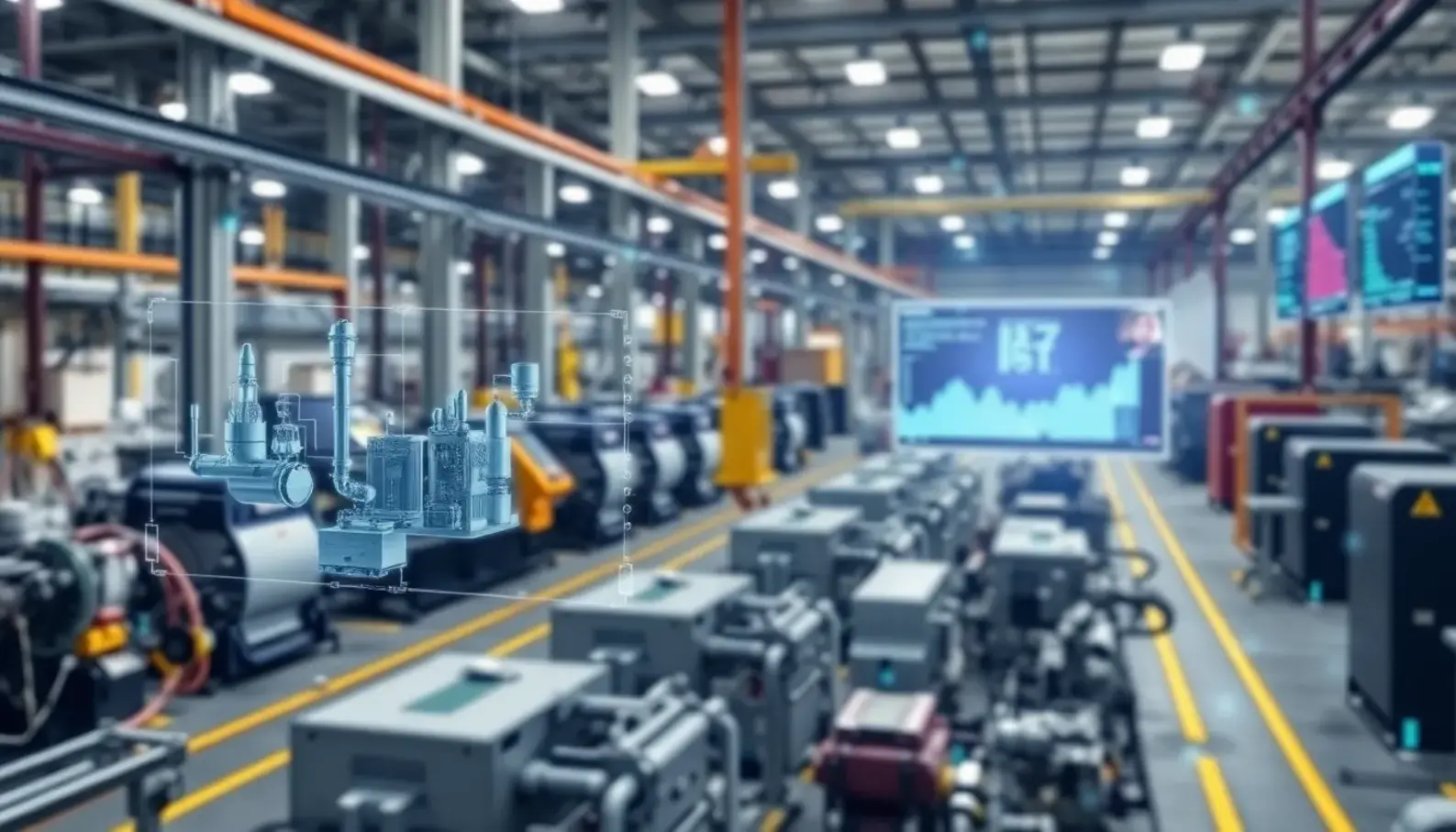
Digital twin technology is a ground-breaking concept that serves as a virtual representation of physical entities or systems, allowing industries to simulate, predict, and optimize operations. By understanding what digital twins truly are and the breadth of their applications, businesses can unlock unprecedented operational efficiencies and strategic insights.
At its core, a digital twin is a sophisticated digital model that mirrors its real-world counterpart. This synchronization allows digital twins to continuously receive data from physical entities via sensors and other data collection mechanisms. The real-time data flow facilitates a seamless connection between the physical and digital worlds, enhancing decision-making processes and operational management.
There are several types of digital twins which vary based on their application and complexity. A basic digital twin might focus on a single component of a system, termed a component twin. More advanced forms include system twins, which encompass entire systems, and process twins, which simulate process flows to optimize efficiency. Hybrid twins combine elements of both physical and digital models that incorporate machine learning algorithms to improve their predictive capabilities. These variations underscore the versatility of digital twin technology across diverse industrial applications.
The benefits of digital twins in industrial contexts are multifaceted. One of the primary advantages is enhanced predictive maintenance. By continuously monitoring the condition of machinery and equipment, digital twins can foresee potential failures, allowing for maintenance before issues escalate. This proactive approach significantly reduces downtime, prolongs equipment life, and ultimately decreases operational costs.
Operational optimization is another critical benefit. Digital twins enable detailed simulations of production lines and supply chains, identifying bottlenecks and inefficiencies that may not be apparent in traditional analysis methods. By adjusting variables in the digital environment, companies can experiment with solutions and pathway adjustments without the risk and cost associated with physical modifications.
Digital twins also offer considerable benefits in the realm of innovation and product development. By simulating products and systems before they are physically built, companies can explore different design configurations and materials. This capability not only fosters innovation but also reduces time-to-market and development costs.
The seamless integration of Internet of Things (IoT) technologies with digital twins has further elevated their impact. The IoT provides the necessary infrastructure for continuous data flow, essential in maintaining an accurate and dynamic relationship between the physical and digital entities. As new data is acquired, digital twins become more intelligent, adjusting to reflect changes in the environment or operations.
Moreover, decision-making and strategic planning are considerably enhanced through digital twin insights. By having an up-to-date, reliable representation of operations, managers gain a holistic view, enabling more informed decisions on scaling, expansion, and resource allocation. This strategic advantage cannot be overstated, especially in industries where competition is fierce, and the margin for error is slim.
Security and risk management also see substantial improvements. By simulating various risk scenarios and their potential impacts, digital twins help firms anticipate vulnerabilities and implement stronger security measures. In industries such as aerospace and energy, where safety is paramount, this predictive capability is invaluable.
Digital twins, however, do not function in isolation. They must integrate with various data and analytical systems, requiring a robust IT infrastructure. This necessitates careful planning and investment by firms intending to harness their full potential. Firms must also address data security and privacy concerns, ensuring that the data exchanges between the digital and physical counterparts are secure.
In sum, digital twins stand at the forefront of a new industrial revolution, transforming how companies approach maintenance, innovation, and strategic management. They offer profound advantages by providing a digital reflection that enhances operational efficiencies, decreases risk, and accelerates production developments. As the technology continues to evolve, its role in defining the future of industry operations becomes increasingly significant. For more insights on how technology is influencing innovation strategies, you can explore the broader implications in diverse fields such as AI-driven business growth and hybrid computing strategies here.
Implementing Digital Twins: Strategies for Success
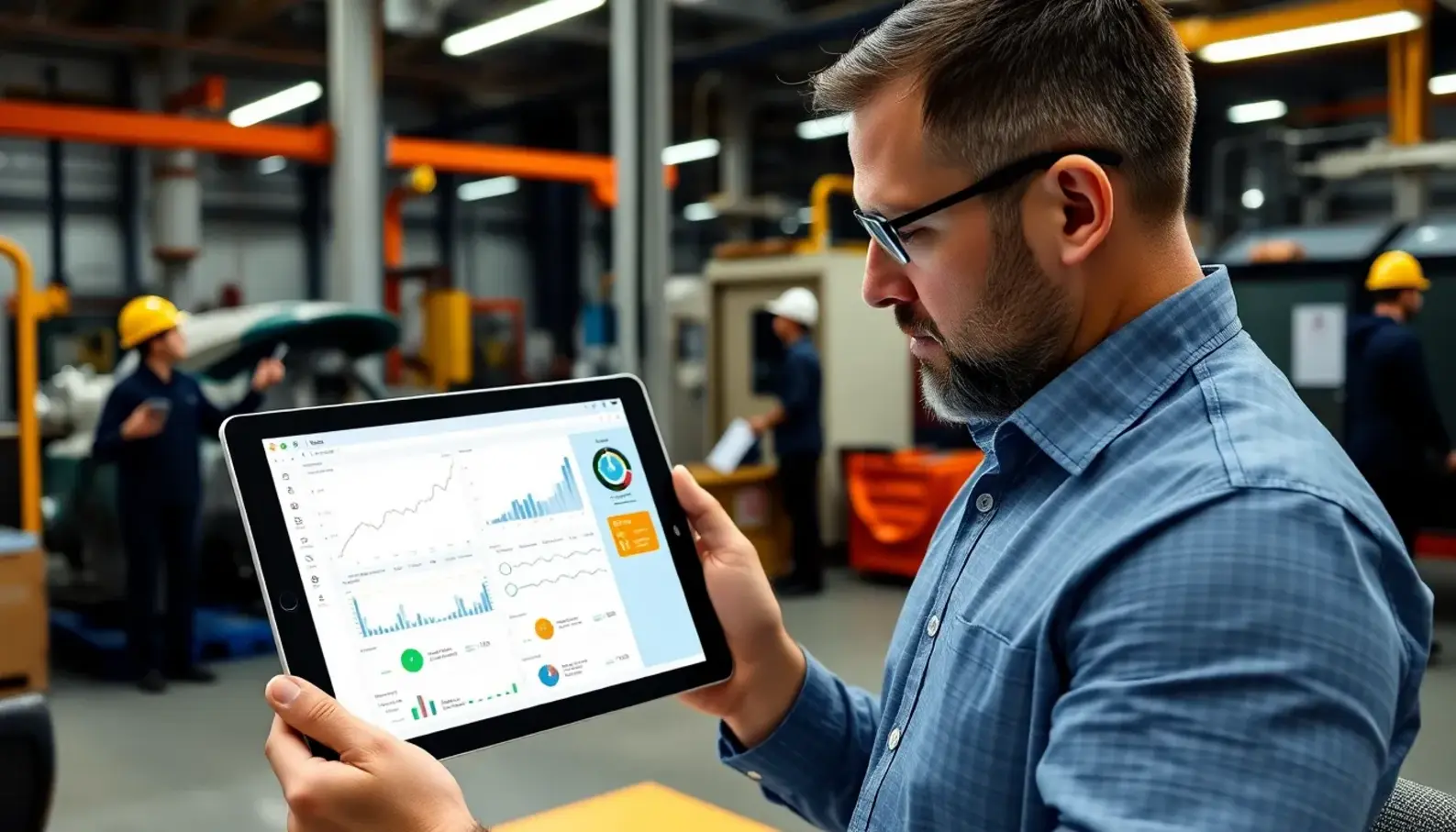
The concept of digital twins promises to transform industrial processes by providing a real-time virtual counterpart of physical objects. These digital replicas enable comprehensive analysis and optimization, leading industrial firms towards increased efficiency and reduced costs. Successfully implementing digital twins requires a strategic approach focusing on several key areas, such as data integration, technological infrastructure, and workforce readiness.
Data integration serves as the backbone of digital twin success. It involves collecting and managing data from various sources to create a comprehensive and cohesive digital model. Companies must ensure data accuracy, consistency, and accessibility across departments. Integrating legacy systems with modern IoT devices forms a crucial part here, requiring seamless data flow through robust APIs and middleware solutions. Establishing a centralized data repository can facilitate real-time data processing, supporting predictive maintenance and performance optimization.
Another cornerstone for digital twin success is a scalable and adaptable technological infrastructure. Firms must invest in high-performance computing resources capable of handling complex simulations and data analytics. Cloud platforms offer scalability and flexibility, enabling organizations to leverage vast computational power without significant upfront costs. Moreover, adopting AI and machine learning technologies augments digital twins by providing insights through advanced data analysis and modeling.
Parallel to the technical dimensions, workforce readiness cannot be underestimated. Employees should be equipped with the necessary skills and knowledge to operate and interact with digital twin applications. Conducting training programs and workshops can bridge the knowledge gap, promoting digital literacy and fostering an environment of innovation. Encouraging cross-functional teams that include data scientists, engineers, and IT professionals can promote effective collaboration, driving digital twin projects toward successful outcomes.
Real-world examples offer valuable lessons on digital twin adoption strategies. A leading automotive manufacturer leveraged digital twins to optimize their production lines, resulting in a 20% increase in efficiency while significantly reducing downtime. By integrating IoT sensors with AI-driven analytics, they could predict equipment failures before they occurred. This proactive approach not only minimized repair costs but also enhanced overall productivity.
Similarly, in the energy sector, an electricity provider employed digital twins to monitor and manage their vast network of assets. This initiative enabled them to simulate various scenarios, identify potential risks, and optimize load management, resulting in improved reliability and customer satisfaction. By transforming raw data into actionable insights, they achieved a more resilient and adaptable infrastructure.
These cases highlight the importance of not only the technological investments but also the strategic alignment of operational and business goals with digital twin technology. Firms need to prioritize clear objectives, whether it’s reducing costs, enhancing product quality, or improving customer experiences. The alignment ensures that digital twin implementations stay focused and deliver tangible benefits.
Managers considering digital twin integration should also pay attention to potential challenges such as data security and privacy concerns. Implementing robust cybersecurity measures and adhering to data protection regulations is essential to safeguard sensitive information and maintain stakeholder trust.
In conclusion, implementing digital twins involves a multi-faceted strategy encompassing data integration, technological infrastructure, and workforce readiness. By learning from real-world applications and addressing potential challenges, industrial firms can harness the power of digital twins to revolutionize their processes. For further insights on aligning AI with industrial practices, consider exploring hybrid computing strategies that merge traditional and modern technologies here.
Final words
Digital twins represent a significant evolution in industrial management, providing unprecedented visibility and control over operations. By integrating this technology, organizations can optimize performance, reduce costs, and foster a culture of innovation. Embracing digital twins is not just a trend but a strategic necessity for firms seeking to thrive in the competitive landscape of today’s industry.
Optimize with Digital Twins
Learn more: https://innoupdates.com
About us
At InnoUpdates, we specialize in Industry 4.0 software solutions that empower businesses to harness digital twin technology for enhanced operational efficiency and strategic decision-making. Our offerings include comprehensive analytics tools, implementation support, and consultation services designed to facilitate a smooth transition toward a more technologically integrated industrial landscape.