
Predictive maintenance is becoming an indispensable strategy for industrial engineers and factory owners aiming to enhance operational efficiency and minimize unplanned downtimes. By utilizing data analytics, artificial intelligence, and IoT technologies, companies can foresee equipment failures and perform maintenance proactively. As industries evolve and competitive pressures intensify, the shift from reactive to predictive approaches ensures not only cost savings but also improved productivity. This exploration into predictive maintenance will illuminate its principles, methodologies, and real-world applications that pave the way for optimized processes and smarter resource allocation.
Understanding Predictive Maintenance: Beyond the Basics
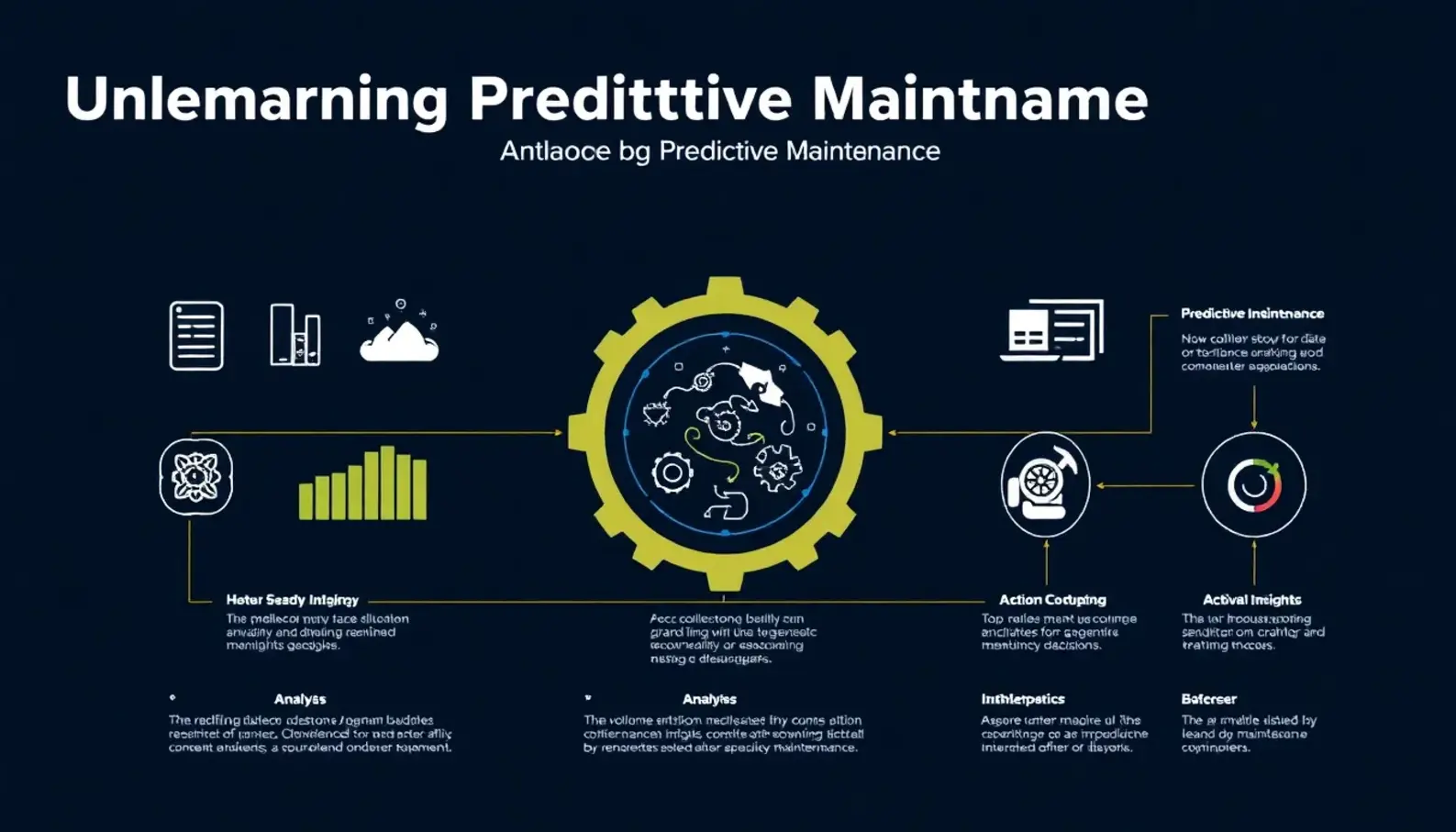
Predictive maintenance signifies a transformative shift in how industries approach equipment management. At its core, it involves forecasting when equipment failures might occur to perform maintenance proactively, thereby avoiding unexpected breakdowns. This strategy harnesses technology and analytics, translating vast data into actionable insights that enhance operational efficiency.
Traditional maintenance strategies often fall into two categories: reactive and preventive. Reactive maintenance waits until a failure occurs before action is taken, typically resulting in costly downtime and repairs. Preventive maintenance, meanwhile, relies on scheduled servicing, aiming to prevent failures through regular checks. However, these scheduled interventions often fail to consider the actual condition of equipment, leading to either over-maintenance or missed opportunities to address developing issues.
In contrast, predictive maintenance uses sophisticated data collection and analysis techniques to predict when a piece of equipment might fail, enabling targeted interventions just in time. This approach reduces unnecessary maintenance activities and ensures equipment longevity and availability.
Technological Enablers of Predictive Maintenance
Predictive maintenance relies heavily on the integration of sensors and Internet of Things (IoT) devices. These devices collect a wide array of data types, such as temperature, vibration, noise, and electrical conductivity. As these data points accumulate, they offer a comprehensive view of equipment performance over time.
IoT devices are pivotal in this ecosystem, providing real-time data which forms the backbone of predictive analytics. By continuously monitoring the operational status and conditions of machinery, IoT devices allow for the early detection of anomalies that may indicate an impending failure.
Machine learning algorithms are the analytical engine at the heart of predictive maintenance. These algorithms process the accumulated data, identifying patterns and correlations that are not apparent to human analysts. Through learning from historical data, these algorithms can recognize deviations from normal operational patterns, thus predicting potential failures with remarkable accuracy.
Case Study: Manufacturing Sector
Consider a manufacturing firm that implemented a predictive maintenance program involving vibrational sensors on its assembly line motors. By analyzing vibration frequencies, machine learning models identified anomalies that suggested bearing wear long before failure. Implementing maintenance ahead of actual failure not only prevented downtime but also saved significant costs associated with emergency repairs and production losses.
Another case involves a utility company that utilized temperature and acoustic data from its transformers. Prior to adopting predictive maintenance, the company experienced frequent transformer outages, leading to service interruptions. With predictive analytics, data patterns indicating developing insulation faults were identified early, allowing for timely interventions. This shift resulted in a drastic reduction in transformer failures, reinforcing reliability and customer satisfaction.
Leveraging Predictive Maintenance for Cost Efficiency
The financial implications of unplanned downtime are profound, ranging from lost production time to the high costs of repair services. Predictive maintenance not only mitigates these direct costs but also extends the useful life of equipment. By maintaining machinery in optimal conditions, companies experience fewer breakdowns and efficiency losses, leading to significant cost savings.
Moreover, predictive maintenance contributes to a more sustainable operational model by reducing energy consumption and the carbon footprint. Equipment running in optimal condition generally consumes less energy, aligning with broader sustainability goals.
When businesses adopt predictive maintenance, they often need to recalibrate their entire approach to equipment management. This strategic realignment involves a cultural shift, where data becomes the central asset driving decision-making processes. Organizations must invest in the right talent, fostering skills in data analytics and machine learning. It’s this investment in human capital that often distinguishes successful predictive maintenance programs from less effective ones.
Enabling predictive maintenance isn’t without challenges, notably the upfront investment in technology and training. However, the ROI in terms of reduced maintenance costs, better equipment uptime, and increased production efficiency makes these initial expenditures worthwhile.
Predictive maintenance exemplifies how advanced technologies and thoughtful strategy can fundamentally reshape industrial operations. It is a step beyond the basics, offering a gateway to enhanced operational efficiency and competitive advantage, a theme echoed in these AI-driven business strategies. By transcending traditional maintenance practices, predictive maintenance paves the way for industries to operate with unprecedented foresight and agility.
Implementation Strategies: Moving Towards Predictive Maintenance
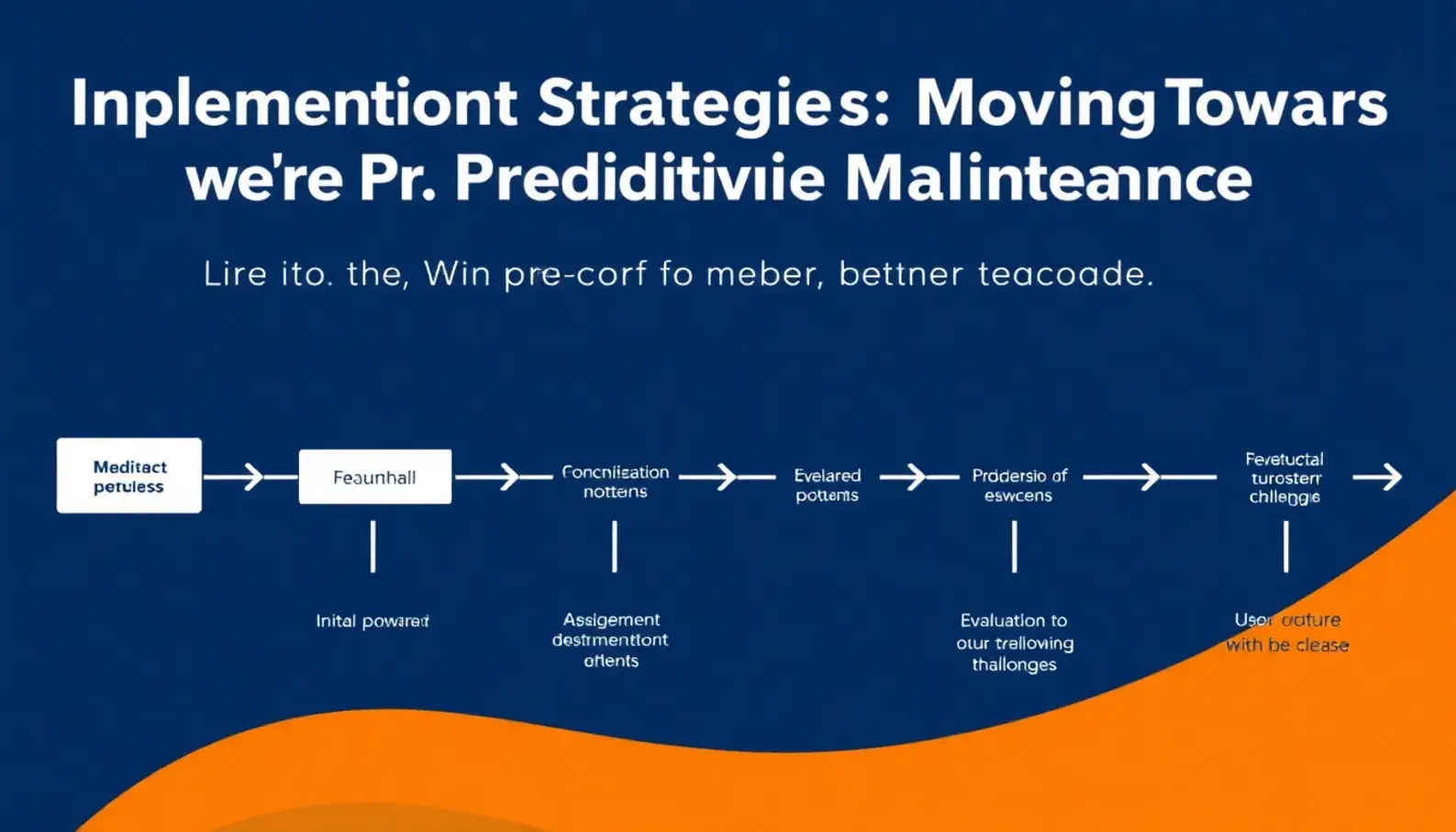
The transition from traditional maintenance practices to a predictive model involves careful planning and execution. To ensure a successful implementation, industries need to focus on the systematic integration of technology, training, and cultural shifts within their operations.
Technology Selection
The first critical step in adopting predictive maintenance is choosing the most appropriate technology. Key elements include selecting the right sensors and software platforms capable of collecting and analyzing data in real time. Sensors should be chosen based on the specific metrics they are designed to monitor, such as vibration, temperature, or pressure. It’s crucial to assess the compatibility of sensors with existing machinery to avoid significant retrofitting costs.
Software platforms play an equally important role. When selecting a platform, prioritize those that provide robust data analytics capabilities, seamless integration with existing enterprise systems, and user-friendly interfaces. Consideration should also be given to cloud-based solutions that offer scalability and remote accessibility, allowing for greater flexibility and efficiency in operations.
Workforce Training
Introducing predictive maintenance requires a workforce that is skilled in interpreting data and using new technologies. Comprehensive training programs should be developed to ensure that employees understand both the theoretical and practical aspects of the technologies they will be using. Training should cover data analysis, interpretation of alerts, and routine maintenance of sensors to maintain their accuracy.
Encouraging a culture of continuous learning and adaptation is essential. Offering ongoing workshops and seminars to keep the staff updated on the latest advancements in predictive technologies can reinforce this culture. Incentive programs can further promote engagement and motivation among employees to adopt these new practices.
Change Management
Resistance to change is a common hurdle in any new initiative. It’s essential to manage change effectively by communicating the benefits of predictive maintenance clearly to all stakeholders. Highlight how this new approach can reduce unexpected downtime and improve overall efficiency, potentially leading to increased profits.
Engaging employees in early discussions about the transition process helps build trust and reduce resistance. Regular feedback loops and open forums allow employees to voice concerns and contribute to the implementation process, further promoting buy-in.
Selecting KPIs
The success of predictive maintenance must be measured through well-defined Key Performance Indicators (KPIs). Select KPIs that reflect both operational efficiency and financial performance, such as reduction in equipment downtime, maintenance cost savings, and increased asset lifespan.
Non-financial KPIs like the improved accuracy of maintenance schedules and enhanced safety metrics should also be tracked. These indicators provide a comprehensive view of the impact of predictive maintenance on various aspects of the business beyond just the bottom line.
Implementation Challenges
Implementing predictive maintenance comes with its own set of challenges. Data integration issues often arise when attempting to unify disparate data sources. Implementing middleware solutions that facilitate communication between old and new systems can mitigate these integration challenges.
Resistance to change from employees can slow the implementation process. To counter this, foster an inclusive environment where employees feel their input is valued and demonstrate the tangible benefits of predictive maintenance through pilot programs.
Concerns about increased maintenance costs also pose a challenge. Demonstrating long-term savings through reduced downtime and lower emergency repair expenses can help alleviate these concerns. Additionally, phased implementation can distribute costs over time, making the transition more financially manageable.
Best Practices and Future Implications
For a smoother transition, organizations should adopt best practices such as starting with a pilot program in a single department before company-wide rollout. This allows for testing and optimization of the process in a controlled environment. Leveraging artificial intelligence in business growth can further enhance predictive maintenance strategies by providing advanced analytics to predict equipment failures more accurately.
Looking ahead, the future of predictive maintenance promises even greater integration with emerging technologies like Internet of Things (IoT) and machine learning. These advancements will likely elevate predictive maintenance to a core component of Industry 4.0, setting new standards for operational efficiency and asset management. As industries continue to evolve, predictive maintenance will not only be a tool for improving efficiency but will also play a pivotal role in shaping sustainable industrial practices.
Final words
Predictive maintenance stands out as a pivotal strategy for industrial engineers and factory owners, allowing for optimized equipment management and reduced downtime. By leveraging advanced technologies and analytics, businesses can make informed decisions that enhance productivity and decrease maintenance costs. Embracing predictive maintenance not only contributes to operational efficiency but also positions companies at the forefront of industry innovation.
Reduce Downtime with Predictions
Learn more: https://innoupdates.com
About us
Our Predictive Maintenance Software harnesses the power of advanced analytics and machine learning to forecast equipment failures, streamline maintenance schedules, and enhance operational efficiency. Designed specifically for industrial applications, our software provides real-time insights, customizable dashboards, and seamless integration with existing systems, helping you stay competitive in a rapidly evolving marketplace.