
Investing in green technologies offers not only potential financial returns but also the chance to make a significant environmental impact. As the urgency of climate change and ecological degradation intensifies, green tech investments present unique opportunities for investors and environmental groups alike. By focusing on sustainable energy solutions, waste management innovations, and environmentally friendly practices, stakeholders can contribute to a cleaner world while achieving financial growth. This exploration highlights critical sectors in the green tech landscape, the role of investment strategies, and the collaborative efforts required to foster a more sustainable economy.
Investment Opportunities in Renewable Energy
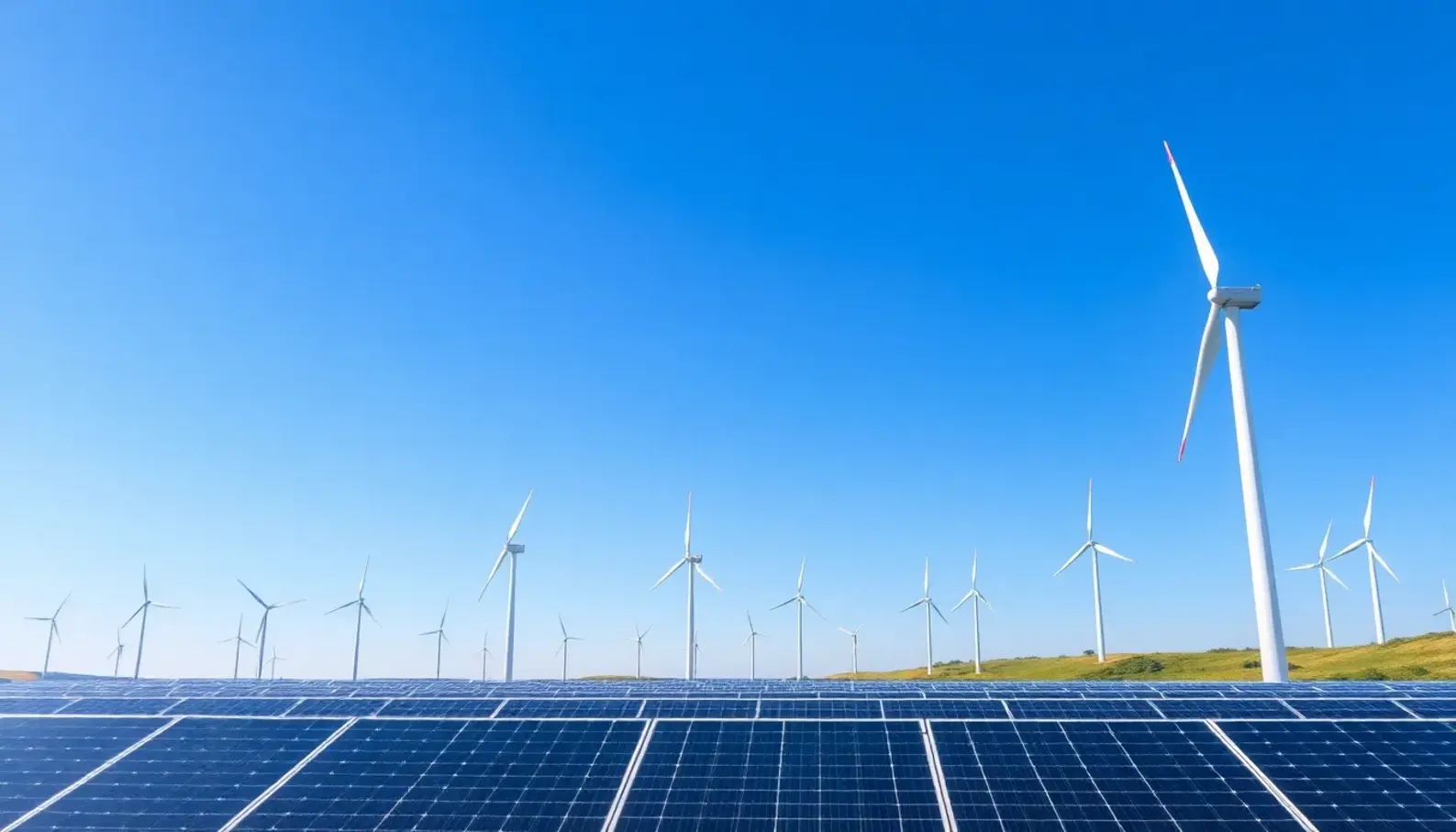
The landscape of renewable energy investments has transformed considerably, offering unparalleled opportunities for growth. Three primary sectors—solar, wind, and geothermal energy—stand out as particularly promising for investors seeking both sustainability and profitability. Fostering an understanding of these areas, alongside scrutinizing market trends and technological advancements, reveals significant investment stakes.
Solar Energy: A Radiant Opportunity
Solar energy remains at the forefront of renewable investments. Falling costs in photovoltaic technologies have driven a surge in global installations. Advancements in manufacturing efficiency, coupled with economies of scale, have reduced solar energy costs by over 70% in the past decade. Such efficiency improvements bolster investor confidence, aligning with supportive policies worldwide.
Several governments have implemented and extended tax credits and tariffs, further incentivizing solar infrastructure development. Nations are keen on meeting climate targets, thus fostering growth in solar capacity. For example, the increased utilization of solar panels for urban and rural electrification projects showcases the sector’s local and global potential.
Technological strides, such as bifacial solar panels and improved battery storage systems, are addressing historical limitations of solar energy—including dependency on sunlight availability. With enhanced storage solutions, solar power can tread into previously untapped markets, providing consistent energy supply regardless of daily and seasonal variations.
Wind Energy: Harnessing Nature’s Power
Wind energy presents a mature investment avenue, driven by technological evolution and project scalability. Offshore wind farms, in particular, represent a burgeoning market segment. These ventures benefit from stronger and more consistent wind patterns offshore, which result in greater energy production.
Over the past few years, key players in the sector have initiated large-scale offshore projects, significantly contributing to energy grids. This growth is underpinned by strategic partnerships between industry leaders and local governments, ensuring a supportive regulatory framework.
As turbine technology advances, wind energy is achieving higher efficiencies. Modern turbines with taller towers and longer blades capture more wind, facilitating energy production even in low-wind areas. The introduction of floating wind farms also expands potential installation sites, overcoming geographic limitations.
Geothermal Energy: The Forgotten Giant
Geothermal energy, despite being less hyped, offers stable and constant power generation. The sector is attracting attention due to its minimal environmental footprint and high capacity factors. Geothermal projects deliver uninterrupted energy, a critical advantage over intermittent renewable sources.
Technological advancements in drilling and plant design are reducing costs and extending accessible geothermal resources. Enhanced Geothermal Systems (EGS) are overcoming traditional resource limitations, unlocking vast energy reserves just beneath the earth’s surface.
Countries along tectonic plate boundaries are seizing these developments, investing heavily in exploring and harnessing underutilized geothermal fields. The reliability of geothermal energy positions it as a sound investment in an unpredictable energy market.
Complex Regulatory Environment
Investing in renewable energy involves navigating a complex regulatory landscape. Policymakers strive to balance environmental considerations with economic growth, creating a dynamic legal environment. Policies differ significantly across regions, but the overarching trend is towards more supportive frameworks for renewable energy.
Subsidies, tax incentives, and renewable energy targets form integral parts of national policies. These measures are crucial for reducing initial investment risks and driving project viability. Investors must stay informed of regulatory shifts to leverage opportunities effectively.
Case Studies: Success in Action
Several successful projects illustrate the potential gains from renewable energy investments:
-
Grid-integrated solar farms in growing economies have demonstrated impressive returns, entirely reshaping local energy markets. These projects, often supported by government-backed initiatives, provide significant returns while reducing carbon footprints.
-
Offshore wind farms along favorable coastlines have become landmark examples of successful partnerships between private enterprises and states. These projects offer lessons in managing offshore installations’ unique logistical and environmental challenges.
-
A large-scale geothermal initiative in a volcanic region has established a model for harnessing naturally occurring heat, influencing both policy and technical strategies globally.
These case studies highlight strategic approaches that can inspire and guide investors looking to enter the renewable energy domain.
Examining these trends and developments reveals that renewable energy investments are not only eco-friendly but also financially rewarding. By understanding core technologies, regulatory impacts, and successful project frameworks, investors can make informed decisions fueling a sustainable future. To delve deeper into related innovations, one may explore agentic AI insights for groundbreaking approaches to energy management and efficiency.
Innovations in Waste Management and Circular Economy
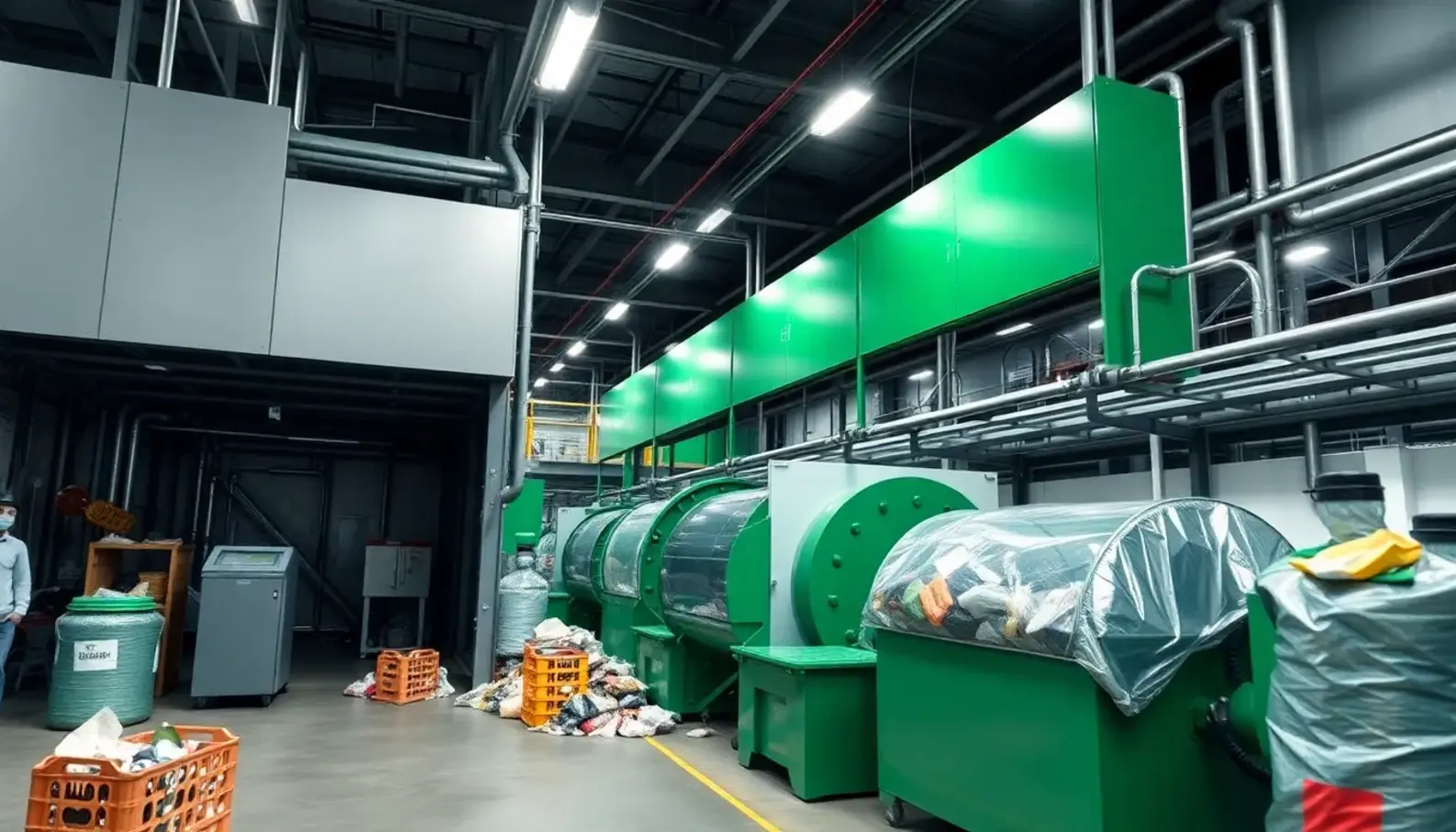
The multifaceted world of waste management is rapidly evolving, driven by technological innovation and a pressing need to transition towards a circular economy. This dynamic shift not only addresses the growing concern over waste but also serves as a catalyst for profitable investments in sustainable solutions.
Advancements in waste-to-energy projects have emerged as a pioneering frontier. These projects are pivotal in transforming traditional waste streams into valuable energy resources. By employing a range of technologies, such as anaerobic digestion and gasification, waste-to-energy systems convert organic waste and other materials into biogas or electricity. These processes significantly reduce landfill dependence while contributing to renewable energy targets. Investment in these projects presents an appealing opportunity as countries worldwide strive to decarbonize their energy sectors.
Recycling technology has also witnessed a renaissance, spurred by the global emphasis on reducing environmental footprints. Innovative sorting technologies, utilizing AI and machine learning, are revolutionizing recycling efficiency. These systems enhance the precision of separating different types of materials, improving the overall quality of recycled products and making them more viable for use in new production cycles. This ensures not just a reduction in raw material consumption, but also minimizes the energy footprint associated with producing new goods.
Moreover, the emergence of new materials created from recycled components is creating new market segments. Innovations in developing sustainable alternatives, like bioplastics from agricultural residues, have shown promise in replacing conventional plastics. Similarly, products made from recycled textiles and electronic waste are introducing new opportunities for sustainable product lines. These materials, due to their reduced environmental impact over traditional options, attract significant consumer interest and consequently, investor attention.
The circular economy models, which emphasize resource efficiency and waste minimization, are embedding themselves across various industries. These models advocate for designing products with greater longevity, reparability, and recyclability. Many businesses are already transitioning to these sustainable practices, driven by both regulatory compliance and consumer preference for eco-friendly products. For investors, this means looking at businesses that integrate circular strategies, as these companies are likely to experience robust growth while minimizing environmental impact.
Collaboration remains a cornerstone for successful implementation of waste management solutions and circular economy principles. Public-private partnerships offer a potent model of collaboration. Municipalities, alongside private enterprises, play a crucial role in optimizing waste management systems. Their combined efforts can facilitate the adoption of cutting-edge waste processing facilities and recycling infrastructures that are economically viable and environmentally sustainable.
Such collaborations also foster a transfer of technology and expertise, further accelerating advancements. By contributing to a shared goal of reducing waste and enhancing resource efficiency, stakeholders can significantly impact both local and global sustainability agendas. Municipalities may provide the necessary regulatory frameworks and incentives, while private enterprises deliver financing, technology, and operational expertise.
In economic terms, waste management and circular economy investments not only create environmental benefits but also offer scalable and profitable opportunities. The capacity to turn waste into valuable resources appeals strongly to investors looking to contribute to sustainable development without sacrificing returns. Thus, technologies that minimize waste and support circular principles are witnessing increased venture capital flow.
For long-term gains, investors should prioritize sectors showing high adaptability to circular economy concepts or possessing significant untapped potential for waste recycling. Industries related to manufacturing, retail, and food services have particularly promising investment opportunities, given their high resource utilization and potential for efficiency improvements.
Going forward, the landscape of waste management and the circular economy presents an exciting frontier for sustainable innovation. It invites a closer look at how technology can be harnessed for greener outcomes while yielding substantial financial returns. Investors, municipalities, and enterprises must continue to innovate and collaborate to fully tap into the potential of this evolving field.
This synergistic approach not only propels us towards a more sustainable future but also aligns economic growth with environmental stewardship. By investing in and supporting eco-friendly technologies within this domain, stakeholders can ensure their portfolios are not only sustainable but also resilient in the face of global environmental challenges.
Final words
Emphasizing the essential role of green tech investments provides a dual benefit: financial returns alongside positive ecological impacts. This burgeoning market offers rich opportunities for investors eager to champion sustainability while enhancing their portfolios. By participating in the green technology revolution, stakeholders can be a part of a brighter future.
Invest in Sustainable Technologies
Learn more: innoupdates.com
About us
Green Tech Investment Portfolio: Offering a curated selection of sustainable investments across various sectors, from renewable energy to innovative waste management solutions, designed to align with both financial goals and environmental responsibility.