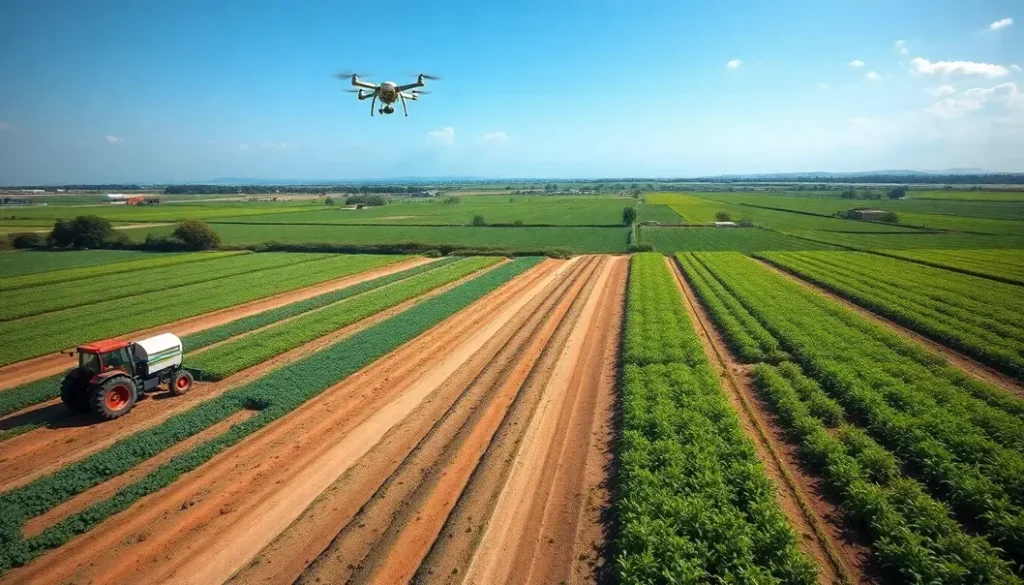
As the agricultural landscape evolves, the integration of artificial intelligence (AI) in farming presents unprecedented opportunities. AI tools are now aiding farmers in streamlining operations, optimizing yield, and reducing environmental impact. Embracing these technologies empowers farmers and agricultural companies to make data-driven decisions, improve crop management, and enhance overall productivity. This exploration aims to uncover how AI can be the key to unlocking smarter farming practices, ultimately transforming agriculture into a more efficient and sustainable industry.
Revolutionizing Farm Management with AI Tools
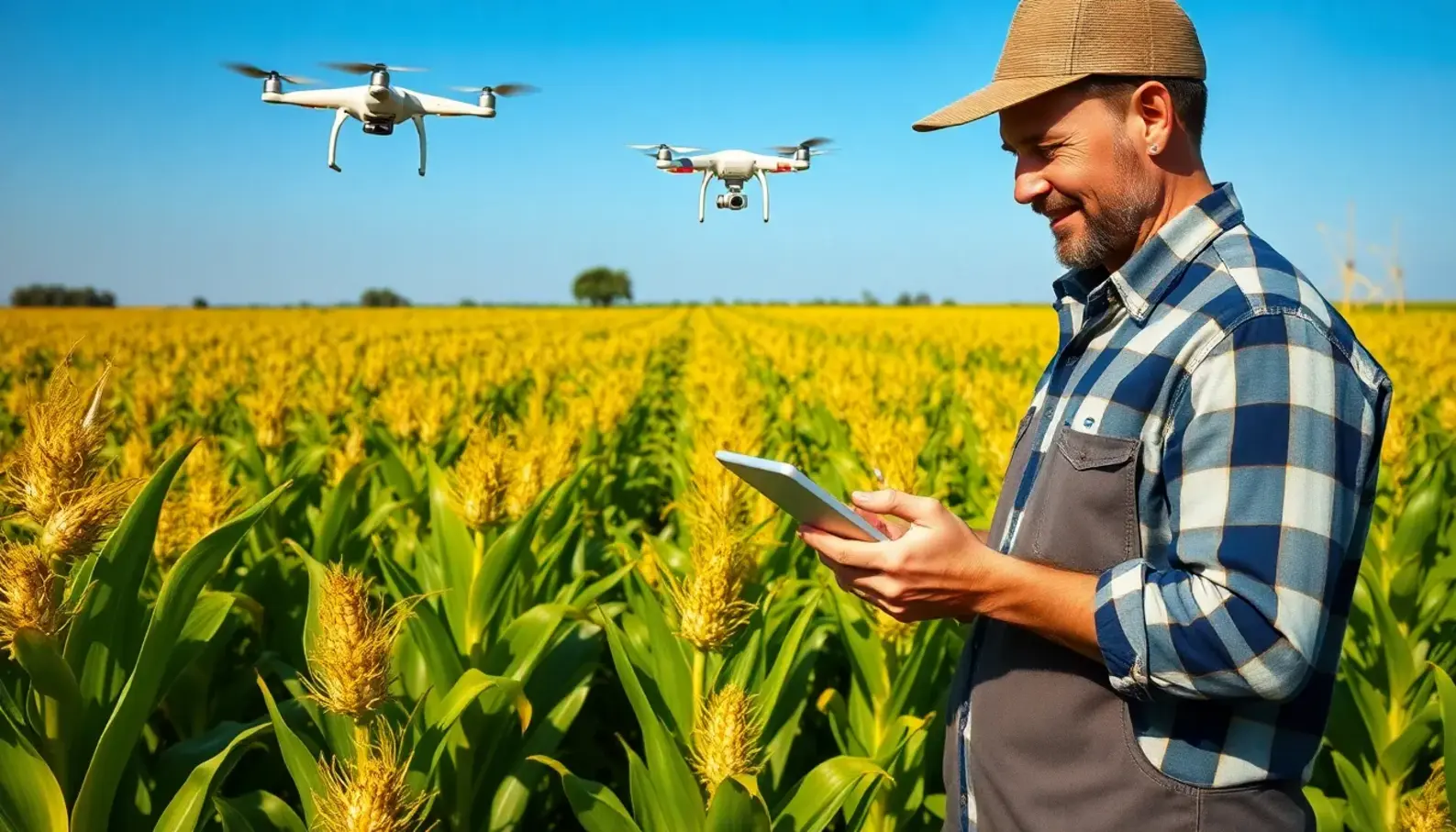
Artificial intelligence is reshaping agriculture by providing innovative tools that significantly enhance farm management practices across the board. This transformation is driven by applications in precision agriculture, yield monitoring, and resource management, dramatically improving efficiency and productivity in farming operations.
Precision Agriculture: Enhancing Decision-Making
At the core of precision agriculture are AI tools that empower farmers to make informed decisions. By utilizing machine learning algorithms, farmers can analyze a massive amount of data collected from various sources, such as satellite imagery, weather stations, and soil sensors. This data analysis helps in understanding the specific needs of different sections of their fields. For instance, AI-based platforms can predict the optimal time for planting and harvesting, identify crop diseases early, and even recommend precise fertilizer applications.
The effectiveness of these AI systems lies in their ability to continuously learn and adapt to changing conditions. Instead of relying on general guidelines, farmers can now tailor their practices to specific field conditions, leading to higher yields and reduced resource waste. One key success story involves the adoption of these systems in managing wheat crops, where yield increases of over 20% have been reported due to more precise irrigation and fertilization approaches.
Yield Monitoring: Maximizing Outputs from Minimum Inputs
Yield monitoring is another crucial application where AI tools are making a substantial impact. By employing AI-driven systems, farmers can measure the output of specific crops in real-time across different parts of their farms. These systems employ advanced sensors and data processing algorithms to provide a detailed overview of crop health. The insights gained can vastly improve decision-making regarding which crops are thriving and which need more attention.
Moreover, AI can forecast future yields with remarkable accuracy by analyzing historical yield data alongside current field conditions. This allows farmers to plan their operations better, ensuring market demands are met without overextending resources. The successful deployment of AI in vineyards presents a notable example, where AI systems have optimized grape yield and quality by customizing treatments to specific vineyard sections, catering to individual vine needs rather than a one-size-fits-all approach.
Resource Management: Sustainable and Efficient Farming Practices
Resource management represents an area where AI significantly aids in promoting sustainable agricultural practices. Through intelligent irrigation systems, AI can regulate water supply with precision, reducing waste and conserving vital resources. These systems analyze real-time data related to soil moisture, plant health, and weather forecasts to dispense water only where and when it is needed.
Similarly, AI applications in fertilization strategies ensure that nutrients are supplied accurately to enhance plant growth without causing environmental harm. These applications monitor nutrient levels in soil and adapt fertilization plans to prevent runoff and soil degradation. Fertility experts have noted how these AI systems have refined strategies to mitigate nitrogen leaching into water systems, promoting environmental health.
Real-Life Implementations: Case Studies of Success
Across the globe, AI-driven tools have delivered tangible improvements in various farming operations. In Brazil, a large soybean farm employed AI to optimize its resource allocation, resulting in a significant reduction in water usage by over 30%, while simultaneously increasing yields. Similarly, rice paddies in Vietnam have applied AI-based monitoring systems that predict disease outbreaks, helping farmers act swiftly to mitigate potential losses.
The deployment of AI in agriculture is not limited to large-scale operations. Smallholders, too, are reaping benefits. In sub-Saharan Africa, small farms using AI-powered mobile applications have reported crop yield increases by optimizing planting schedules and enhancing pest control measures through AI insights.
Challenges and Future Outlook
Despite the promising advances, integrating AI into agricultural practices presents challenges. Access to technology, training, and infrastructure availability can hinder the adoption rate, particularly in less-developed regions. Additionally, data privacy and regulatory hurdles also pose significant barriers that need addressing to foster wider acceptance.
However, the potential benefits of AI in agriculture cannot be overstated. As machine learning techniques advance, the scope and accuracy of AI applications will only improve. There is an ongoing push towards developing more affordable and accessible AI solutions, which promises a future where AI-enabled agriculture is the norm rather than the exception.
Exploring more about how AI integrates with other fields could offer additional perspectives on this technological frontier. For instance, how AI enhances business growth in agricultural sectors is further discussed in this insightful article. These expansions emphasize the cross-disciplinary impact AI continues to have on enhancing productivity across industries.
Continuing to harness AI for farming efficiency promises not only increased agricultural output but also more sustainable practices that could address some of the pressing environmental concerns facing global agriculture today. By optimizing inputs and predicting outcomes with greater accuracy, AI is proving to be an essential ally in the quest for a more food-secure future.
AI-Driven Decision Making for Crop Management
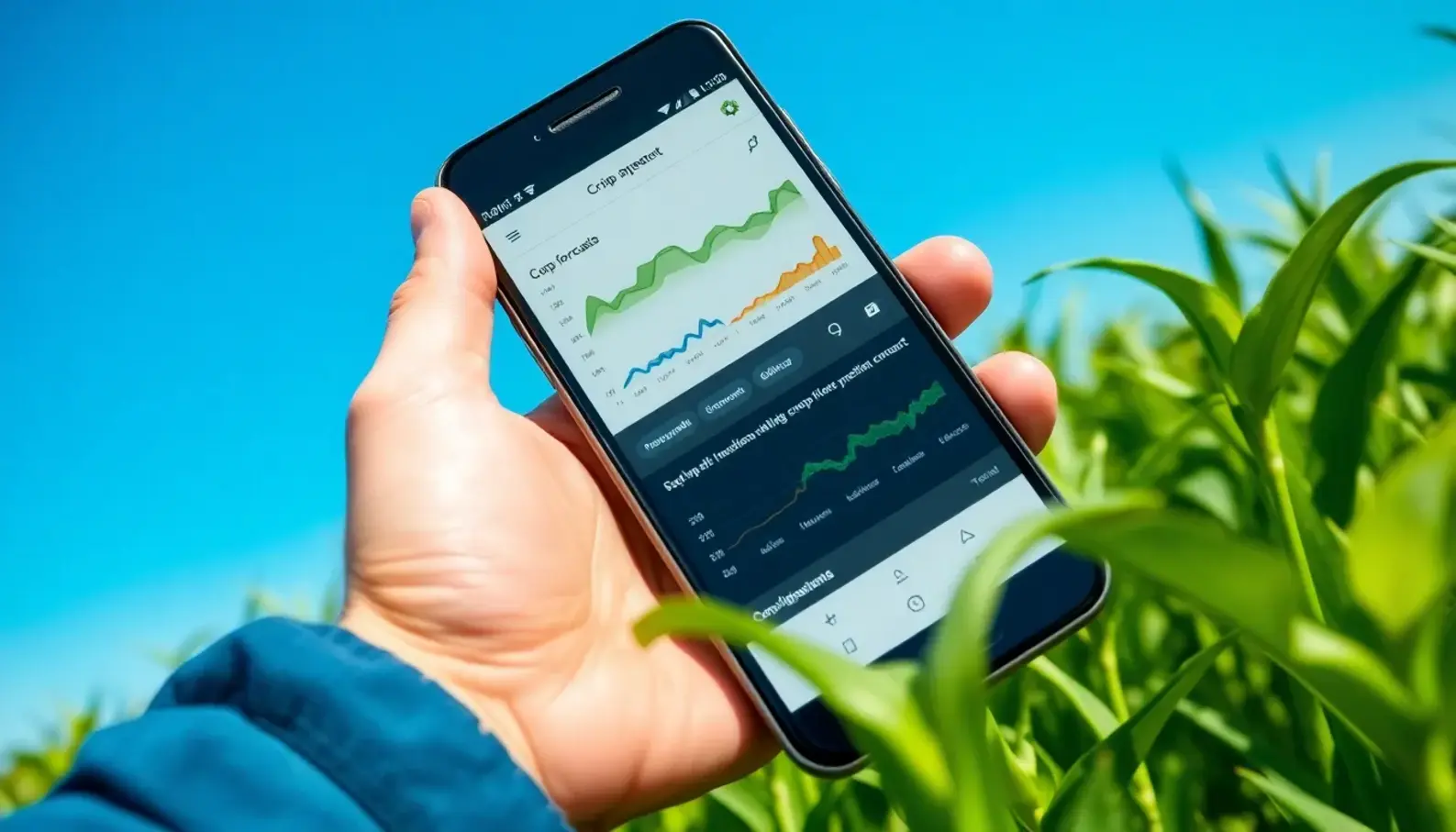
Adopting AI in agriculture allows farmers to leverage advanced tools for precise crop management. AI-powered decision-making systems play a pivotal role in improving crop yield and quality. They provide vital insights into soil health, crop diseases, and superior planting strategies. By exploiting predictive analytics and machine learning, farmers can optimize their crop management practices effectively.
Predictive analytics involves using historical and real-time data to foresee future occurrences. In agriculture, this translates into better understanding plant growth cycles, disease outbreaks, and yield predictions. Machine learning algorithms analyze vast data sets, generating actionable insights that help in maximizing productivity. With these insights, optimized decisions are made regarding planting times, crop rotations, and input application.
One significant advantage AI brings to the table is pest and disease detection. Traditional methods relied heavily on manual inspections, which are time-consuming and prone to human error. On the other hand, AI models can quickly scan vast tracts of farm imagery, identifying early signs of pests or diseases. Machine learning algorithms are trained to recognize specific patterns indicative of plant stress or infestation.
For instance, image recognition technology supports identifying disease symptoms in crops, facilitating early intervention. Farmers, equipped with smartphones or drones, capture images of their fields, which are then analyzed by AI models. These systems compare the imagery against vast databases of plant diseases, offering precise diagnostics within minutes. This proactive approach significantly enhances plant health and reduces crop losses.
Moreover, AI-driven weather forecasting tools are transforming decision-making processes in agriculture. Traditional weather forecasts provide limited information specific to localized agricultural needs. AI incorporates local weather patterns and integrates them with global climatic data for better accuracy. Machine learning enhances these forecasts by adjusting predictions as conditions change, ensuring that farmers receive up-to-date information.
As an example, AI models can predict the precise timing of rainfall, helping farmers plan irrigation schedules and minimize water wastage. Accurate weather forecasts also allow farmers to plan their harvests more effectively, reducing the risk of loss due to unexpected weather changes. By understanding potential weather risks, farmers can make strategic decisions that protect their investments.
A practical application of AI in crop management is illustrated by a farming cooperative that implemented AI-based data analytics across their operations. This cooperative used AI tools to analyze weather patterns and field data, resulting in a remarkable increase in their overall yield. By tailoring their irrigation schedules to AI-generated weather forecasts, they optimized water usage, significantly reducing costs and enhancing crop quality.
Another notable example is a tech-savvy organic farm integrating AI for disease detection and management. Through the application of drone imaging and machine learning algorithms, this farm can predict disease outbreaks before they become devastative. As a result, they have experienced a 30% reduction in pesticide usage, leading to more sustainable farming practices and better crop quality.
The use of AI also fosters better resource allocation. By assessing various parameters like soil moisture, temperature, and crop health, AI systems guide farmers in allocating fertilizers and other inputs precisely where needed. This targeted approach not only improves yield but also minimizes unnecessary chemical usage, contributing positively to environmental sustainability.
Moreover, AI-driven technologies facilitate enhanced communication and collaboration among farmers, researchers, and supply chain participants. By sharing data insights across networks, farmers can collectively tackle challenges such as pest outbreaks or climate anomalies. The collective intelligence harnessed through AI technologies empowers stakeholders to develop and apply more effective crop management strategies.
The integration of AI in crop management is not without challenges. Ensuring data accuracy, model reliability, and user-friendly interfaces are critical to success. Moreover, farmers require training and support in adopting these technologies effectively. However, the potential benefits outweigh the hurdles, paving the way for more sustainable, efficient, and resilient agribusiness models.
As the landscape of agriculture continues to evolve, AI’s role expands beyond decision-making, moving towards holistic farm management. By connecting predictive analytics with emerging technologies like IoT and robotics, the future of agriculture looks promising. These technologies can work in synergy to build an innovative ecosystem where data-led insights drive every aspect of crop management.
For further insights into how innovation can transform industries, explore the Innovation in Business Growth article, which delves into leveraging AI across multiple sectors.
Final words
The adoption of AI in agriculture is not just an option but a necessity for farmers aiming to thrive in a highly competitive market. By integrating sophisticated AI tools and strategies, agricultural producers can drive efficiency, improve yield qualities, and take significant strides toward sustainability. The future of farming lies in embracing technology, and AI is at the forefront of this evolution.
Optimize Farming with AI
Learn more: innoupdates.com
About us
Agricultural AI Solutions specialize in providing farmers and agricultural companies with cutting-edge AI technologies that optimize farm management, enhance decision-making, and drive sustainable practices.