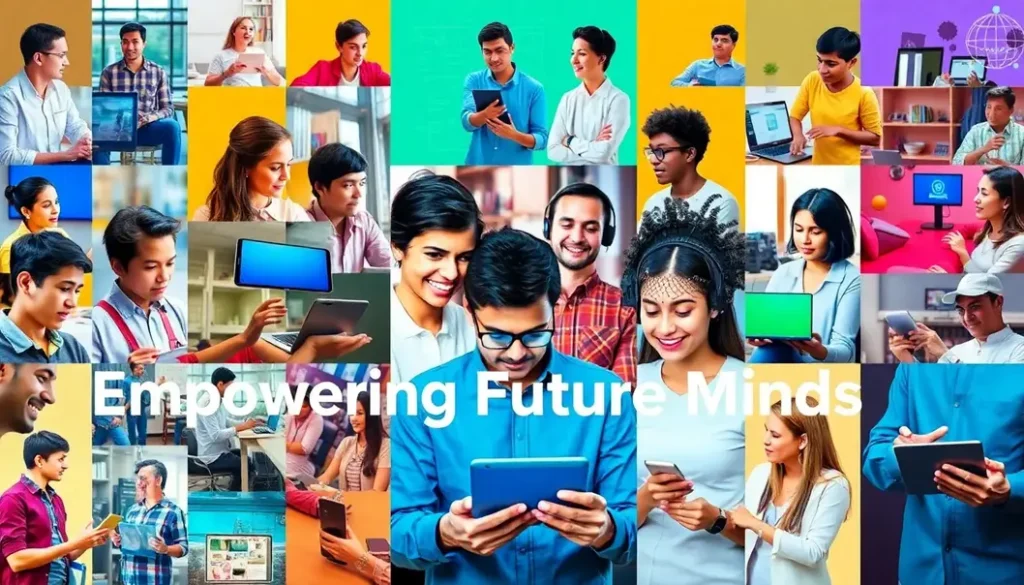
Artificial intelligence is reshaping educational landscapes, offering innovative solutions that lighten the workload for teachers while enhancing student engagement. From personalized learning paths to data-driven decision-making, AI tools are increasingly indispensable in classrooms. Understanding how to harness these technologies can empower educators and institutions, fostering an environment conducive to effective learning. This exploration will uncover the transformative potential of AI in education, providing insights and actionable steps for implementing these tools in meaningful ways.
Personalized Learning: Tailoring Education with AI
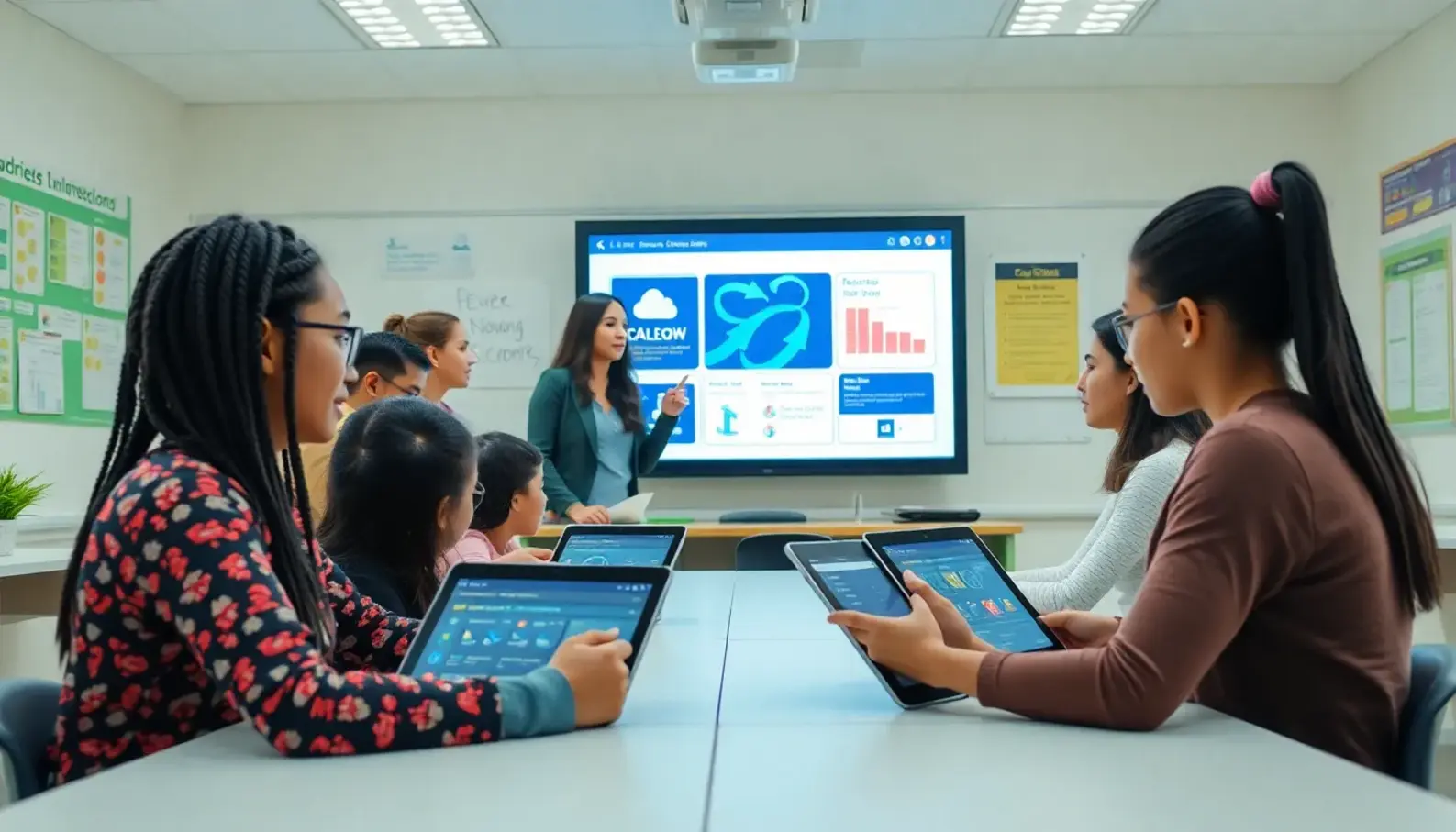
Artificial intelligence has ushered in a new era of educational personalization, transforming traditional teaching methods. By analyzing vast arrays of data on student performance and preferences, AI enables the creation of tailored learning experiences that adapt to the unique needs and learning styles of each individual. This personalization can significantly enhance both engagement and retention, fostering a more effective educational journey.
Adapting to Learning Styles
AI systems can discern patterns in how students absorb and process information, allowing educators to tailor content delivery. For example, some students may thrive on visual data, preferring graphs and animations, while others benefit from auditory inputs such as podcasts and voice explanations. AI-driven platforms use sophisticated algorithms to analyze student interactions and tailor content delivery accordingly. The result is a fluid learning environment that aligns with each student’s preferences.
These adaptive learning systems can outline a path customized to each learner, presenting challenges and support at the right moments. Such systems monitor students’ progress in real-time, assessing their strengths and identifying areas needing additional emphasis. The immediacy with which AI can respond and adjust makes it a revolutionary tool in fostering personalized learning at scale.
Tools Facilitating Personalized Learning
Several AI tools are at the forefront of this educational transformation. Machine learning algorithms create models of students’ learning habits, predicting which teaching methods yield the best outcomes for individuals. Intelligent tutoring systems, for instance, offer personalized tutoring in subjects like math and language learning, adapting the difficulty of problems in real-time to match the learner’s capabilities.
Moreover, virtual teaching assistants are capable of answering students’ questions on-the-fly, providing them with the support they need outside typical classroom hours. These assistants not only help students but also alleviate the workload on educators, allowing teachers more time to focus on critical thinking and creative lesson planning.
Successful Implementations
In classrooms worldwide, AI-enhanced tools have marked notable successes. In one instance, a school introduced an adaptive learning platform for mathematics. The AI evaluated each student’s problem-solving process, identified specific areas of difficulty, and automatically adjusted the curriculum to address these challenges. By the end of the term, student performance in math rose significantly, with the AI system contributing largely to their improved understanding.
Another example can be found in customized reading programs which use AI to adjust reading materials to suit the reader’s level. By analyzing comprehension skills and reading speed, these programs curate literature that challenges yet doesn’t overwhelm the student, fostering gradual improvement and a love for reading.
Advantages for Students and Educators
For students, personalized learning fosters a more engaging and relevant educational experience. Lessons are delivered at an appropriate pace and complexity, increasing retention and understanding. Students build confidence as they meet learning goals tailored specifically for them, contributing positively to their educational outlook and academic self-esteem.
Educators benefit from AI by gaining a deeper insight into student needs. This insight allows teachers to concentrate on providing high-level support, rather than drowning in administrative tasks. AI provides comprehensive analytics on student performance, enabling a more informed approach to teaching strategies and interventions.
Furthermore, the data-driven insights offered by AI systems can help educators identify not just individual but also classroom-wide trends, paving the way for curricular adjustments that benefit the entire class.
In summary, AI’s role in personalizing education extends beyond mere adaption. It empowers students by respecting individual learning curves and equips educators with tools to enhance their teaching methods. For a deeper dive into personalized learning facilitated by AI, visit this detailed exploration. As AI continues to evolve, its ability to personalize education will only deepen, offering new opportunities for educational advancement and innovation.
Data-Driven Decisions: Enhancing Educational Outcomes

The integration of data analytics into education has redefined how learning outcomes can be measured and optimized. Artificial intelligence (AI) plays a pivotal role in this transformation by providing insights that were previously unattainable. When harnessed effectively, data-driven approaches can drastically improve both curriculum design and teaching strategies.
At the heart of AI’s contribution to education is the capability to analyze vast amounts of data. This includes student performance, engagement levels, and even emotional responses. By processing this data, AI systems can identify patterns that point to areas where students excel or need additional support. Subsequently, educators can tailor their instructional methods to address these specific needs, enhancing learning outcomes.
The Role of Predictive Analytics
Predictive analytics, a crucial component of AI in education, forecasts student performance based on historical data. By assessing past behaviors and achievements, these tools can predict future academic outcomes. This insight enables educators to intervene proactively, offering remedial assistance before a student falls too far behind. For instance, if data indicates that a student struggles with algebra, teachers can introduce targeted exercises that reinforce foundational skills.
Moreover, predictive analytics can assist in resource allocation. Schools can identify which programs yield the best results and direct funding appropriately. This ensures that educational institutions maximize the impact of their often-limited budgets, investing in initiatives that foster substantial improvement.
Customizing Curriculum with Data Insights
Curriculum design is no longer a static process thanks to AI-powered analytics. By continuously evaluating student feedback and performance data, educators can modify course content in real-time. This dynamic approach ensures that learning remains relevant and engaging. Furthermore, AI tools can suggest supplementary content for students who grasp concepts quickly or need extra challenges, creating a personalized learning path.
For example, data might reveal that students respond better to interactive digital content than traditional textbooks. With this knowledge, educators could integrate more multimedia resources into their teaching practices, thus increasing engagement levels and retention rates.
Enhancing Teaching Strategies
AI not only assists in shaping curricula but also enhances teaching methodologies. By analyzing classroom interactions, AI can suggest effective pedagogical strategies tailored to specific cohorts. For instance, if a particular teaching method results in higher student engagement, educators can apply similar techniques across different subjects.
Feedback loops facilitated by AI allow teachers to refine their approaches continuously. Instead of relying solely on traditional assessment results, educators gain additional performance metrics that inform instructional adjustments. This data-driven feedback system promotes a more effective and responsive teaching process.
Tools for Analyzing Student Performance
Several AI-based tools offer insights into student performance that go beyond grades and test scores. These tools evaluate participation levels, attention spans, and even collaborative abilities during group work. By aggregating and analyzing this data, AI systems can provide comprehensive reports that highlight a student’s strengths and weaknesses. Importantly, these tools do not identify only struggling students; they also highlight those who might benefit from advanced challenges.
With these insights, educators can customize lesson plans to include diverse teaching materials and methods, meeting a wide range of learning needs. Notably, AI tools can provide visual dashboards that make it easy for teachers to understand complex data patterns, thereby reducing the learning curve required to interpret these insights effectively.
Impact on Educators and Students
The move towards data-driven education has profound implications for both teachers and students. For educators, it represents a shift towards more informed and efficient teaching strategies. Teachers can focus their efforts on methods that yield the highest impact, supported by empirical evidence from AI analytics. This shift allows educators to engage more meaningfully with their students, dedicating more time to interactive teaching rather than monotonous data gathering.
For students, a data-centric educational environment offers a personalized learning journey tailored to their unique needs. By identifying individual learning paths, students receive support that aligns with their abilities and challenges them accordingly. This personalization fosters a deeper love for learning and helps students develop critical thinking skills that last a lifetime.
Conclusion
As AI continues to advance, its integration into education promises even more sophisticated tools designed for data-driven decision-making. The real-time insights generated by AI systems will further empower educators to make more informed decisions, ultimately leading to better educational outcomes. For more information on personalizing education with AI, visit this article on EdTech Personalization. By embracing these methodologies, the education sector can create a more inclusive, efficient, and engaging learning experience for future generations.
Final words
The integration of AI into education technology paves the way for a dynamic learning experience that stands to benefit both teachers and students. By fostering personalized learning and data-driven decision-making, AI empowers educators to focus on what truly matters: inspiring and guiding students on their learning journeys. Embracing these advancements can lead to profound changes in educational outcomes.
Sign Up for Our AI in Education Webinar
Learn more: innoupdates.com
About us
Our Educational AI Platforms and Tools provide innovative solutions designed to enhance teaching and learning experiences. Explore cutting-edge applications that empower educators and engage students effectively.