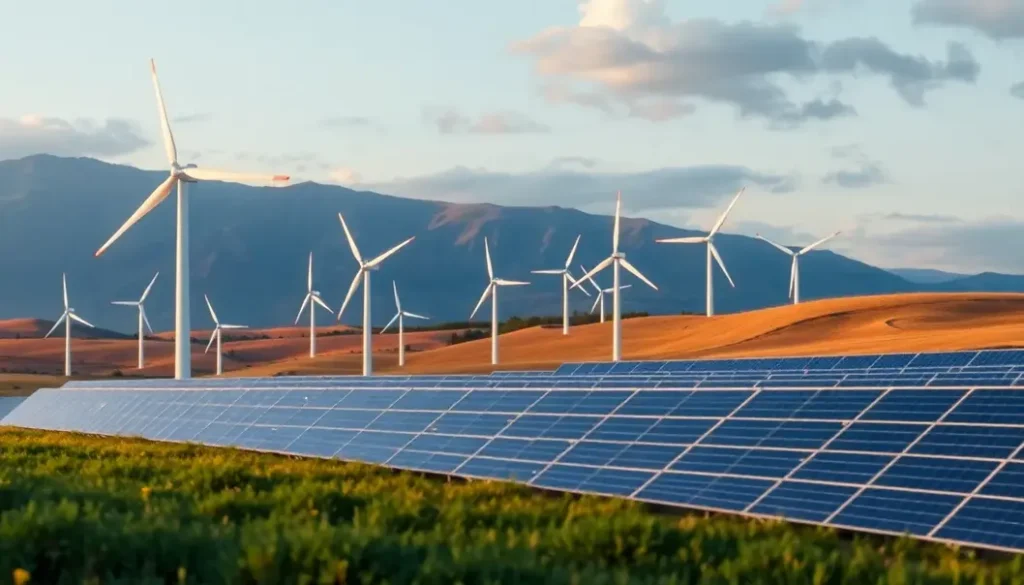
Artificial Intelligence (AI) is revolutionizing how renewable energy systems are optimized. By analyzing vast amounts of data, AI enables energy engineers and environmentalists to improve efficiency and reduce costs in energy production and consumption. This innovation not only facilitates enhanced decision-making but also promotes sustainability by integrating smarter technologies into renewable energy systems. Understanding how AI can be effectively applied in this domain empowers professionals to drive impactful changes in their organizations and contributes to a greener future.
Data-Driven Decision Making in Renewable Energy
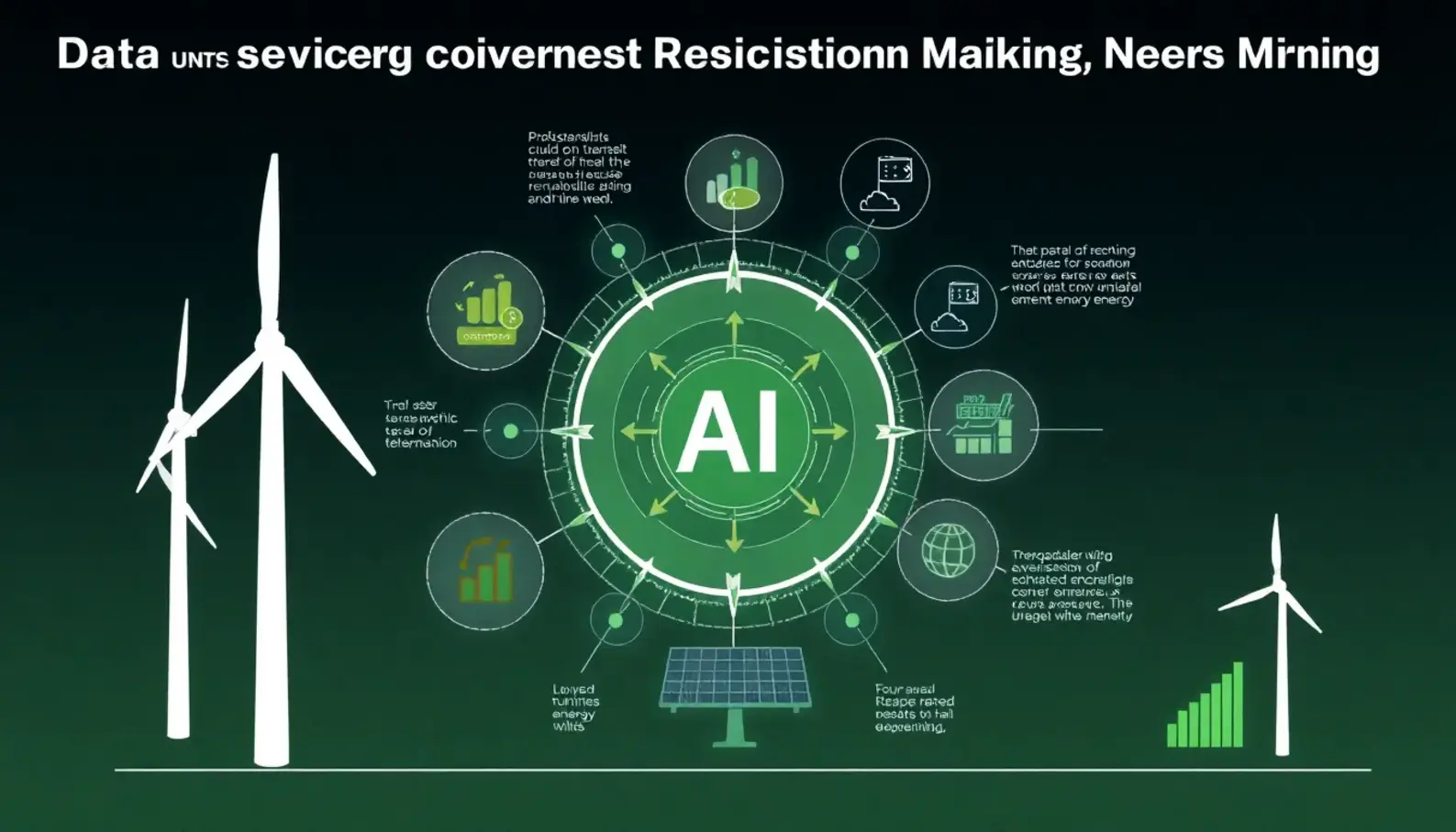
In the renewable energy sector, the ability to make informed decisions relies heavily on data analytics and machine learning. These technologies offer transformative insights by analyzing vast and complex datasets, which are crucial in optimizing energy production processes across solar, wind, and other renewable resources.
The abundance of data generated by wind turbines and solar panels presents both a challenge and an opportunity. Each component of a renewable energy system produces a continuous stream of information, including electricity output, environmental conditions, and system performance metrics. Traditional data processing methods are often insufficient to handle this vast amount of information. Herein lies the advantage of artificial intelligence (AI) and machine learning, which excel at extracting meaningful insights from large datasets.
AI models can predict weather patterns by analyzing historical meteorological data, thus optimizing the utilization of solar and wind resources. For instance, machine learning algorithms forecast cloud cover changes, enabling solar plants to adjust operations for maximum efficiency. Similarly, wind farm optimization techniques use predictive analytics to adjust turbine orientations, maximizing energy capture during variable wind conditions.
Another key aspect of AI’s role in renewable energy is predictive maintenance. By continuously monitoring the health indicators of turbines and panels, AI algorithms detect anomalies that could indicate potential failures. This preemptive approach significantly reduces downtime and maintenance costs by scheduling repairs before breakdowns occur. Such strategies are an essential element in ensuring the reliability and efficiency of renewable energy systems.
Energy experts are also employing AI-driven analytics to enhance the design and configuration of renewable energy systems. By modeling different configurations and simulating their performance under various conditions, engineers can identify the most effective setups. These simulations leverage historical weather data and predictive analytics to forecast energy production potential, ensuring that installations are strategically placed and oriented.
The integration of AI in these processes is reflected in several successful case studies. One notable example involves a large-scale solar farm utilizing machine learning to optimize photovoltaic panel angles throughout the day. As sunlight direction changes, AI algorithms identify and implement the optimal panel orientation, which has led to a notable increase in energy yield. This exemplifies how AI can be integral in boosting the efficiency of renewable systems and making them more adaptive to environmental changes.
In another scenario, a wind energy company employed a real-time AI-based monitoring system to predict turbine component wear and operational fatigue. The company observed over a 15% reduction in maintenance costs and a significant increase in turbine availability, resulting in improved overall performance and profitability.
Data-driven decision-making in renewable energy extends beyond immediate operational improvements; it also plays a crucial role in long-term strategic planning. With AI algorithms processing and analyzing vast datasets, insights regarding resource management and investment strategies become more apparent. AI analyses can provide stakeholders with forecasts about the potential output and efficiency of different technologies, aiding in better allocation of resources and investment decisions.
Furthermore, AI technologies directly contribute to achieving sustainability goals. By optimizing renewable energy systems and reducing waste through efficient energy usage and predictive maintenance, AI provides a clear path toward lowering the carbon footprint of energy production. The insights from data analytics allow for energy distribution to be managed more effectively, ensuring that renewable resources are being harnessed optimally and sustainably.
In summary, the integration of AI into the renewable energy sector stands as a testament to the benefits of data-driven decision-making. From optimizing current energy production to planning for future sustainability, machine learning and data analytics play a pivotal role in transforming how energy engineers and environmental professionals approach their work. By leveraging these technologies, the renewable energy industry is moving toward a future where energy systems are not only efficient and reliable but also aligned with global sustainability objectives. This chapter underscores the transformative potential of AI in renewable energy, an area ripe for continued innovation and exploration. For further insights into the role of AI across various sectors, you may explore AI in Business Growth.
Integrating AI into Energy Management Systems
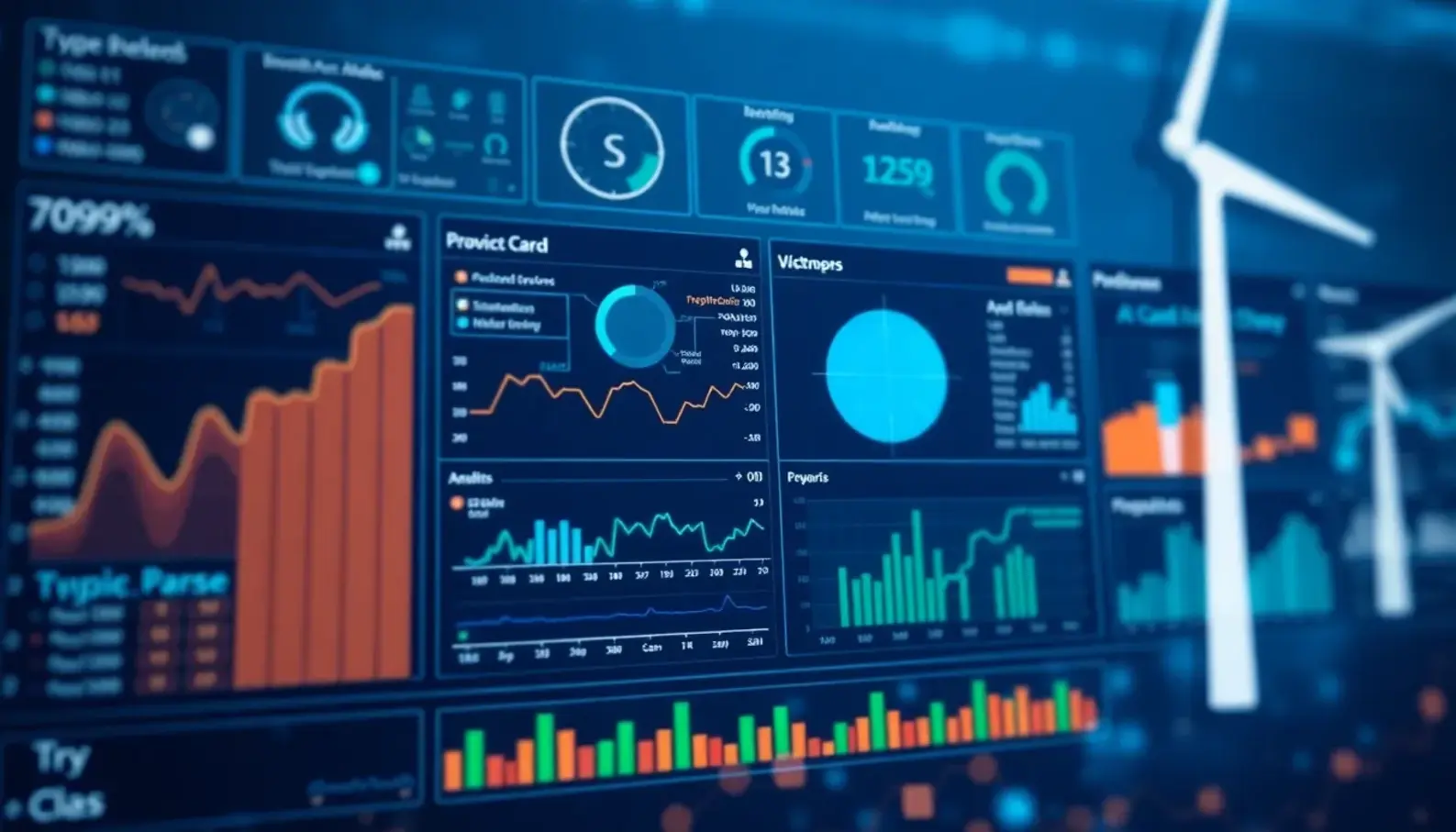
The integration of Artificial Intelligence (AI) into energy management systems (EMS) is revolutionizing the way energy is generated, distributed, and consumed. AI technologies have advanced to a point where they can offer unprecedented improvements in efficiency and sustainability for renewable energy sources. By incorporating AI into EMS, energy engineers are able to optimize grid systems that adaptively respond to changing demands, forecast loads with high accuracy, and allocate resources dynamically.
At the core of this transformation is the development of intelligent grid systems. These systems leverage AI to enhance demand response mechanisms, which adjust energy load based on user consumption patterns and predictive analytics. AI algorithms analyze both historical and real-time data to anticipate fluctuations in energy demand, enabling the grid to allocate resources more wisely and minimize waste. Such systems respond in real-time to changes in energy supply and demand, ensuring stable energy distribution and reducing reliance on non-renewable energy backup.
AI-Driven Load Forecasting
Load forecasting is another crucial application of AI in EMS. Accurate load forecasts allow energy providers to manage generation resources effectively. AI models, such as machine learning algorithms, can predict consumption patterns over various time horizons, from hours to seasonal changes. This foresight means energy providers can preemptively align generation with demand, minimizing excess energy production and avoiding shortages.
These algorithms take into account weather forecasts, economic indicators, and emergent regional consumption trends, offering a comprehensive view that surpasses traditional methods. By integrating these predictions into operational protocols, energy producers can reduce operational costs and carbon footprints, aligning operations with sustainable development goals.
Adaptive Resource Allocation
Resource allocation in grid management has historically been static, leading to inefficiencies. AI’s capability to dynamically reconfigure resource allocation marks a significant shift. Through continuous monitoring and learning, AI identifies opportunities to redirect energy flows between regions based on real-time insights into demand and supply.
One practical example is the use of AI in managing wind energy. Wind energy output is inherently variable; however, AI models can adjust operations to keep the balance of the grid within optimal operational windows. By processing meteorological data and integrating it with real-time supply-demand metrics, AI enhances the reliability and predictability of wind energy, making it a more viable choice in the renewable energy mix.
Challenges in AI Integration
Despite these advancements, integrating AI in EMS faces several challenges. Key among them is the inherent complexity of energy systems. The transition to AI-enhanced operations requires substantial investments in infrastructure and skilled manpower. Moreover, the interoperability of AI systems with existing energy assets is crucial but often difficult to achieve. Energy engineers and environmentalists must collaborate to ensure seamless integration without disrupting existing workflows.
Additionally, data privacy and security concerns may arise due to the vast amounts of sensitive data AI systems must process. Implementing robust cybersecurity measures is essential to mitigate risks associated with data breaches and ensure the resilience of energy management systems.
Opportunities for Growth
The integration of AI into EMS presents a myriad of opportunities. For energy engineers, AI offers tools to enhance grid stability, optimize resource distribution, and anticipate maintenance needs before failures occur. This predictive maintenance capability extends the lifespan of infrastructure while minimizing downtime and costs.
Environmentalists benefit from AI’s contribution to reducing carbon emissions by improving the efficiency of renewable energy use. AI-driven systems enable a greater proportion of energy to be sourced from renewable options, supporting global efforts to combat climate change.
One exemplary case of successful AI-EMS integration is a solar farm implementation where AI systems predict sunlight availability and adjust solar panel angles for maximum efficiency. Such projects have demonstrated improved energy capture rates and decreased reliance on conventional energy sources.
Looking ahead, the continuous development of AI technologies promises further enhancements in renewable energy management. Efforts are underway to refine AI models to manage more complex and interconnected energy systems, promising broader adoption and increased scalability.
The successful integration of AI into EMS has far-reaching implications beyond immediate technical improvements. It embodies a forward-thinking approach to energy management, setting a standard for other sectors to follow. As AI technologies evolve, their role in renewable energy management will deepen, driven by a commitment to sustainability and efficiency.
Final words
AI is set to revolutionize renewable energy optimization by enabling more informed decision-making and improving operational efficiency. As energy engineers and environmentalists adopt these technologies, they can significantly contribute to sustainable energy practices and pave the way for a greener tomorrow.
Optimize Renewable Energy Systems with AI
Learn more: https://innoupdates.com
About us
Renewable Energy AI Management and Optimization solutions streamline operations, enhance efficiency, and empower organizations to achieve their sustainability goals using advanced AI technologies.