
Hybrid computing synergizes the benefits of cloud and on-premises solutions, offering organizations flexible deployment options. This method enables seamless scalability, efficient resource management, and improved performance. As enterprises adapt to evolving technology needs, hybrid computing emerges as a strategic asset to enhance agility and drive innovation. Understanding its architecture, benefits, and deployment strategies is crucial for IT managers aiming to optimize their operations. This exploration delves deeply into how hybrid computing can redefine enterprise capabilities and provide a roadmap for successful implementation.
Understanding Hybrid Computing Architecture
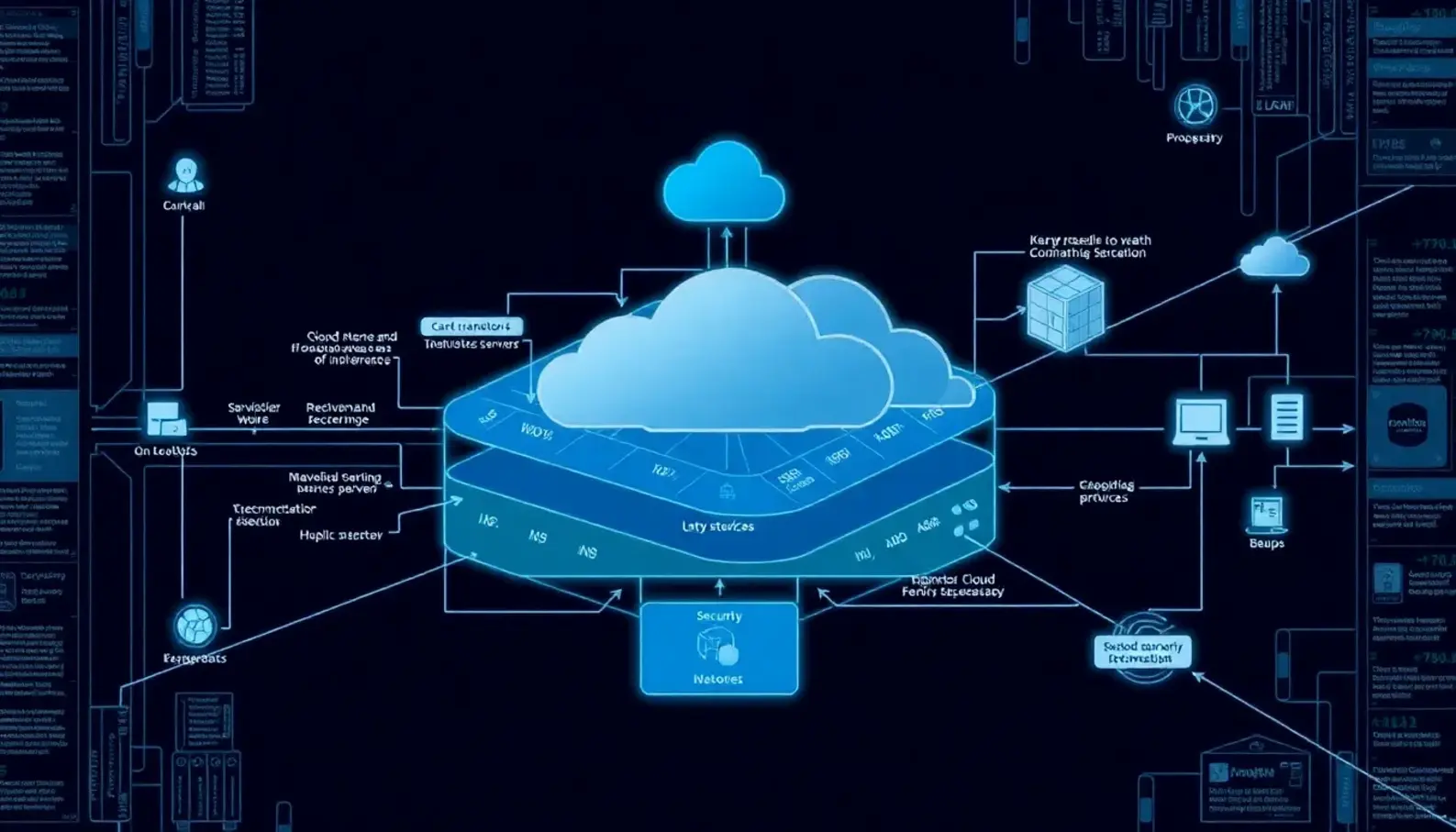
In the evolving enterprise landscape, hybrid computing stands out by cohesively marrying traditional on-premises infrastructure with modern cloud services. This amalgamation provides unparalleled flexibility and scalability, allowing businesses to adapt to shifting demands gracefully. At the heart of hybrid computing lies its architecture, which can be dissected into distinct layers, each playing a crucial role in ensuring seamless operation.
The network layer is foundational in hybrid architectures. It serves as the conduit for data transfer between different parts of the system. Effective network management ensures low latency and high throughput, critical for applications that rely on real-time data processing. Advanced networking technologies, such as software-defined networking (SDN) and network function virtualization (NFV), facilitate such integration by providing dynamic control over the network flow and resources. This ensures that communication between on-premises and cloud environments is both secure and efficient.
Above the network layer sits the compute layer, tasked with allocating and managing computing resources. This layer leverages a combination of local data centers and cloud-based resources to optimize performance based on current demands. Workloads can be dynamically shifted between on-premises servers and the cloud, ensuring that resource allocation is both cost-effective and capable of scaling rapidly during peak times. Virtualization and containerization technologies are pivotal here, enabling applications to run consistently and efficiently across disparate environments.
The management layer is integral to orchestrating operations across these hybrid environments. This layer provides tools for monitoring, automation, and management across the network and compute layers. Effective management solutions must integrate robust API frameworks to facilitate interoperability between disparate systems. These systems often use machine learning algorithms to predict and mitigate potential system bottlenecks before they impact performance, ensuring reliability and efficiency.
Interoperability between public and private clouds is enhanced through key technologies like hybrid cloud brokers. These intermediary platforms abstract the complexity of managing multiple cloud services, providing a unified interface for deployment and management. Tools like API gateways facilitate seamless integration, providing robust yet flexible pathways for data and control flows across different parts of the hybrid environment.
Security considerations are paramount in hybrid architectures. The integration of multiple platforms increases the attack surface, necessitating comprehensive security protocols. Organizations must implement strong encryption standards both in transit and at rest, along with robust authentication mechanisms to safeguard access to sensitive data. Regular security audits and adopting zero-trust frameworks can ensure data stays protected across mixed environments.
Data governance within hybrid networks is complex due to the diverse nature of the storage and processing locations. It is crucial to maintain compliance with regulations, such as GDPR or CCPA, which dictate specific controls over data location and access. Implementing automated data classification and tracking systems is beneficial in maintaining data integrity and ensuring compliance across varied jurisdictions.
Best practices for managing hybrid deployments involve focusing on flexibility and resilience. Organizations should adopt a ‘cloud-first’ strategy where appropriate, allowing for the primary use of cloud resources with the ability to fall back on on-premises infrastructure. Regular performance assessments and audits help in understanding the changing requirements and tailoring the infrastructure accordingly.
Automation plays a significant role in optimizing hybrid strategies. By automating routine tasks and using intelligent dashboards for system management, enterprises can dynamically adapt to load changes without incurring unnecessary overhead. Moreover, leveraging predictive analytics can provide foresight into demand spikes, allowing preemptive allocation of resources to maintain optimal performance.
Lastly, regular training and development programs are vital to keeping enterprise IT teams well-versed with the latest advancements in hybrid computing. Organizations should invest in continuous learning to cultivate a culture of innovation and readiness, ensuring they are always prepared to leverage emerging technologies effectively. For further insights into innovation in computing, explore the comprehensive discussion on quantum computing innovations.
By understanding and implementing these facets of hybrid computing architecture, modern enterprises can craft optimized IT strategies that harness the full potential of both cloud and traditional resources, driving digital transformation with confidence.
Deploying Hybrid Computing Solutions: Strategies and Best Practices
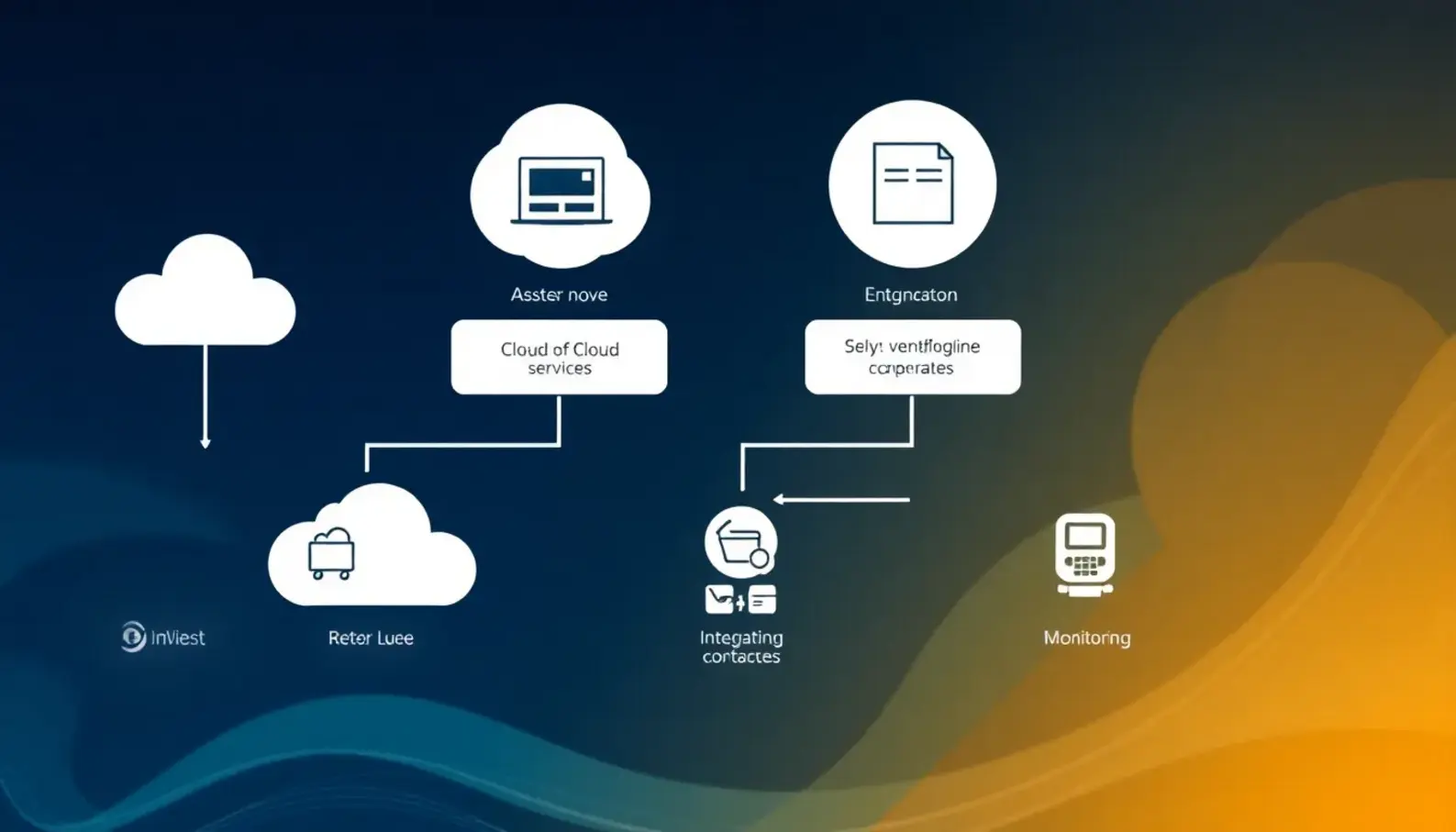
Implementing hybrid computing solutions in enterprises requires a strategic approach, taking into account various factors that ensure a seamless transition and effective operational integration. The process begins with a thorough assessment of business needs, ensuring alignment between organizational goals and the capabilities of hybrid computing. This assessment should involve stakeholders from various departments to gather a holistic view of the organizational requirements and constraints.
Assessing Business Needs
The first step involves identifying specific workloads and applications that can benefit from a hybrid approach. Enterprises should evaluate current IT infrastructure and pinpoint areas needing scalability, flexibility, or enhanced data processing capabilities. This analysis will help determine which processes to migrate to the cloud while maintaining certain critical operations on-premises.
Additionally, understanding the data management requirements is crucial. Businesses must consider not only the type of data they handle but also how quickly they need to access and process this data. Balancing between cloud storage and on-premise solutions can optimize both costs and performance.
Selecting Appropriate Cloud Providers
Once the organization’s needs are clear, the next step is selecting a cloud provider that aligns with these objectives. Factors to consider include the provider’s compliance certifications, data security measures, and geographic data center locations. Enterprises must also ensure the provider offers customizable services suitable for their specific use cases.
It’s beneficial to review the service-level agreements (SLAs) of potential cloud providers. Understanding the commitments regarding uptime, data access, and support is essential to mitigate any potential risks associated with cloud operations.
Developing a Strategic Roadmap for Integration
A well-defined strategic roadmap is vital for successful implementation. This roadmap should outline the phases of deployment, from initial pilot programs to full-scale integration. Moreover, setting clear timelines and milestones ensures that the implementation does not disrupt ongoing operations.
Security is a critical component of this roadmap. Developing robust security protocols to protect data in transit and at rest, along with defining access controls, can prevent unauthorized access and data breaches.
Addressing Common Challenges
As with any technological shift, deploying hybrid computing comes with challenges. Data migration is a significant hurdle, often complicated by differing data formats or legacy system constraints. Establishing a detailed migration plan can help minimize downtime and data discrepancies.
Compliance issues are another concern, especially for organizations handling sensitive data. It’s crucial to ensure that both on-premises and cloud environments comply with industry regulations and standards. Close collaboration with legal and compliance teams can aid in navigating these complexities.
Training staff is an often underestimated requirement of hybrid solutions. By providing comprehensive training sessions and resources, organizations can ease the transition and boost user adoption rates, enabling teams to utilize new tools effectively.
Establishing Monitoring and Management Practices
After deployment, maintaining optimal performance is key to capitalizing on hybrid computing benefits. Establishing robust monitoring practices involves setting up systems that track resource utilization, application performance, and security alerts.
Automated monitoring tools can assist in managing dynamic cloud environments, enabling real-time adjustments to resource allocations based on demand fluctuations. These tools also help ensure compliance by providing audit logs and alerts on potential vulnerabilities.
Moreover, regular performance reviews and updates to the hybrid system should be part of the ongoing management practices. These evaluations allow enterprises to refine their strategies and introduce innovations such as quantum computing that can further enhance computing capabilities.
Through careful planning and execution, enterprises can lever hybrid computing to realize significant operational efficiencies and adaptability, driving growth and innovation.
Final words
Hybrid computing offers a dynamic approach to managing IT resources, blending the extensiveness of cloud services with the control of on-premises infrastructure. By grasping its architecture and deployment strategies, IT managers can leverage hybrid computing to enhance operational efficiency and drive innovation within their organizations. This strategic integration paves the way for modernization and future growth, ensuring enterprises remain competitive in a technology-driven landscape.
Upgrade Your Systems
Learn more: https://innoupdates.com
About us
InNoupdates provides comprehensive Cloud Integration Services, empowering enterprises to seamlessly adopt hybrid computing solutions. Our expert team guides businesses through the evaluation, integration, and optimization phases, ensuring a smooth transition to a hybrid model that enhances operational efficiency and scalability.