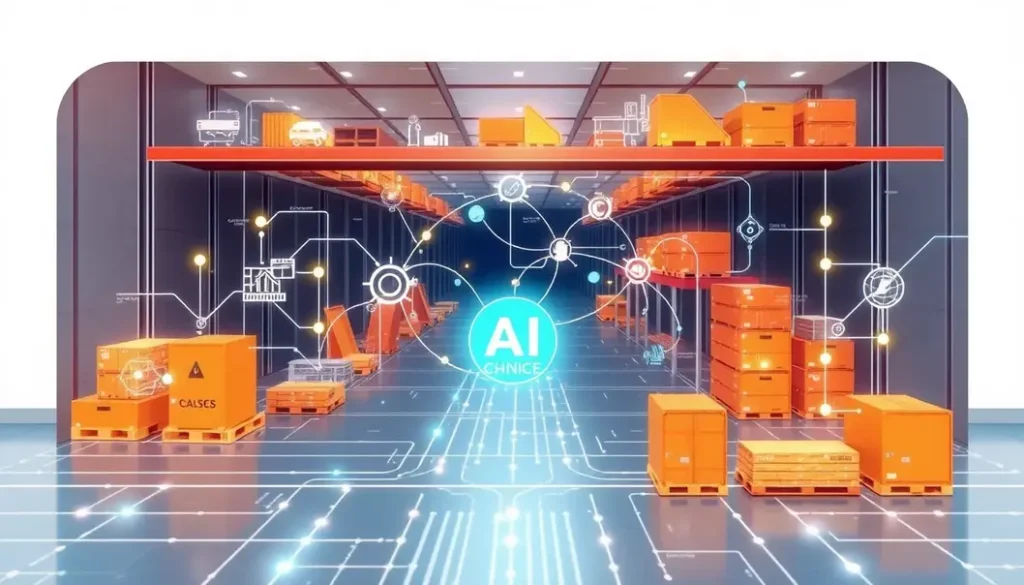
Artificial Intelligence (AI) is reshaping how businesses operate, particularly in supply chain management. As HR and managerial teams recognize the significance of streamlined operations, AI emerges as a strategic tool for assessment. Organizations can improve efficiency, minimize risks, and ensure sustainability through intelligent assessments. This new wave not only enhances productivity but also augments decision-making processes, allowing companies to anticipate challenges and adapt proactively. For HR managers and creative leaders alike, understanding AI’s impact on supply chain assessment is crucial. It offers a pathway to not only optimize current methodologies but also embrace future innovations in a rapidly evolving market landscape.
Harnessing AI: The Impact on Supply Chain Assessment
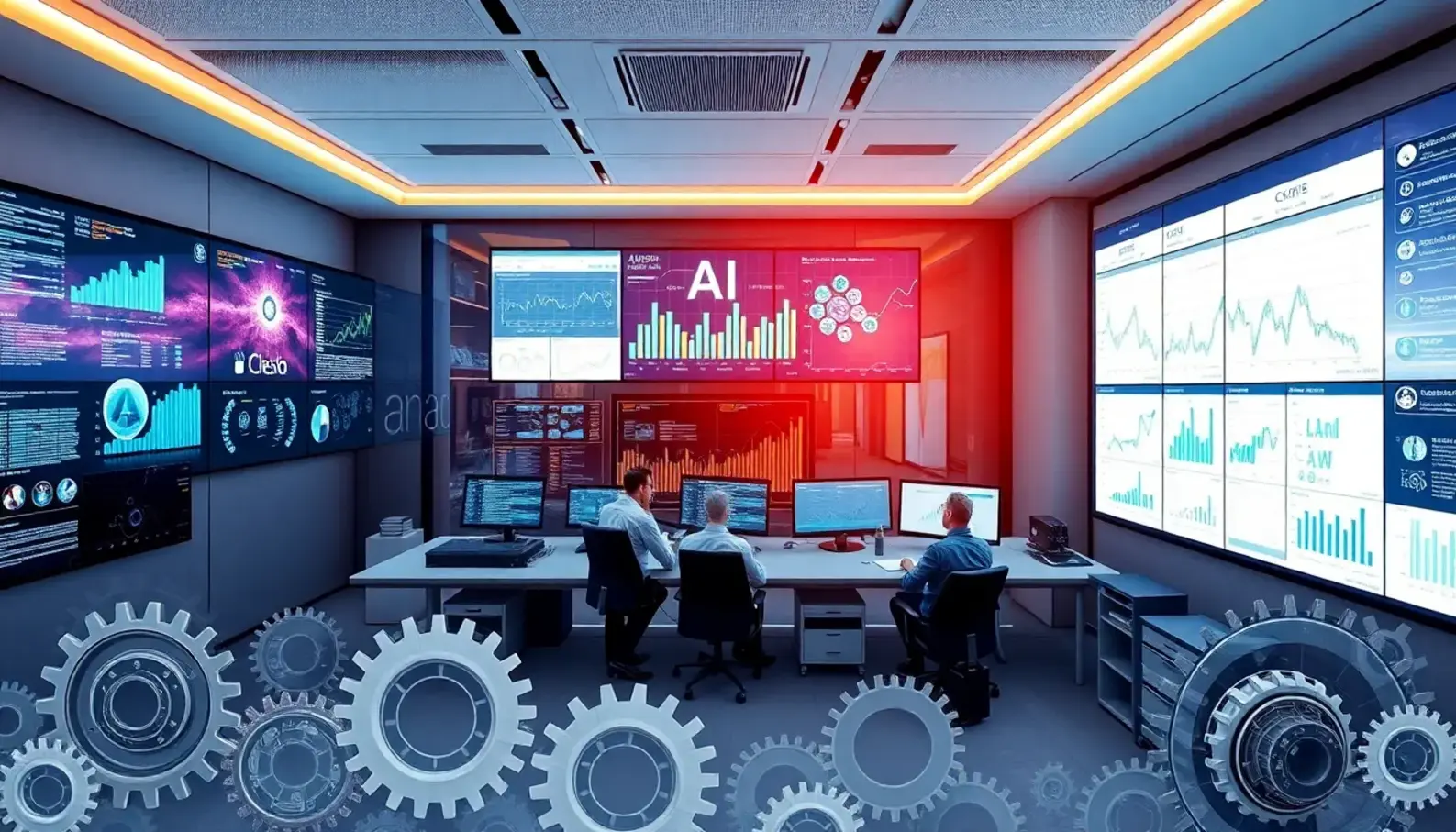
Artificial Intelligence (AI) is fundamentally transforming how companies assess their supply chains. By deploying predictive analytics, real-time monitoring, and advanced optimization strategies, AI not only improves efficiency but also significantly reduces risks across various stages of the supply chain. The integration of AI technologies facilitates a more dynamic and responsive supply chain, allowing companies to manage challenges with unprecedented agility.
Predictive Analytics: Anticipating Market Dynamics
Predictive analytics, empowered by AI, enables businesses to foresee potential disruptions and demand fluctuations with remarkable precision. By analyzing historical data alongside current market conditions, AI systems can predict trends and potential bottlenecks before they occur. This proactive approach allows supply chain teams to make informed decisions, optimizing inventory levels, and adjusting procurement strategies to meet projected demands. In sectors such as retail and manufacturing, predictive analytics can prevent overstock and stockouts, maintaining a delicate balance that maximizes both customer satisfaction and cost-effectiveness.
For instance, a multinational consumer goods company leveraged AI-powered predictive analytics to improve its demand forecasting. With data sourced from purchase histories, social media trends, and regional economic indicators, they achieved a 20% increase in forecast accuracy, leading to a significant reduction in lost sales and surplus inventory.
Real-Time Monitoring: Enhancing Visibility
AI-driven real-time monitoring offers unparalleled visibility into the supply chain’s intricate networks. Sensor technology paired with AI algorithms captures and processes data in real-time, providing instantaneous insights into the flow of goods, equipment conditions, and environmental factors throughout the supply network. This constant stream of data enables swift responses to any disruptions, such as transportation delays or environmental impacts, which can be mitigated promptly.
For example, a logistics company implemented AI-based monitoring systems across its fleet of delivery vehicles. By analyzing real-time data about vehicle locations and traffic patterns, they optimized delivery routes, reducing fuel consumption and improving delivery timeframes. This approach not only decreased operational costs but also enhanced customer satisfaction by consistently meeting delivery windows.
Optimization Strategies: Streamlining Operations
Optimization within supply chains involves streamlining operations to achieve maximum efficiency with minimal waste. AI plays a crucial role in this process by evaluating vast sets of data to identify inefficiencies and suggesting improvements. From warehouse management systems to distribution logistics, AI algorithms optimize resource allocation by calculating the most efficient paths to success.
A notable case study involves a large e-commerce platform that utilized AI to enhance its warehousing operations. By analyzing order data, customer locations, and item specifics, AI systems reorganized storage solutions, reducing picking times by 30%. This increased throughput allowed the company to handle higher volumes without expanding its physical footprint, thus preserving capital expenditure.
Risk Reduction: Mitigating Potential Threats
AI’s role in assessing and mitigating risks within supply chains cannot be overstated. Through predictive maintenance, machine learning models identify patterns that precede equipment failures, allowing pre-emptive actions to be taken. Additionally, AI systems enhance risk management by analyzing geopolitical factors, weather forecasts, and financial market conditions, helping companies adjust their strategies accordingly.
One illustrative example is an automotive manufacturer that deployed AI to predict supply chain disruptions due to geopolitical tensions. By simulating various scenarios based on political developments and corresponding logistical impacts, the company developed contingency plans that minimized potential disruptions.
Case Studies: Transformational Impact
Several industries have experienced transformative improvements by integrating AI within their supply chain assessments. A major pharmaceutical company revamped its distribution models using AI, ensuring timely delivery of crucial medications by predicting demand spikes influenced by health trends and seasonal outbreaks. Similarly, a global fashion retailer embraced AI to automate over 70% of its supply chain tasks, leading to a dramatic improvement in speed-to-market and adaptability to fashion trends.
Furthermore, AI’s impact extends beyond logistical optimization. Advanced analytics determine the sustainability impact of each link in the supply chain, promoting environmentally friendly practices by suggesting routes and materials that minimize carbon footprints. By aligning operational efficiency with sustainability goals, businesses achieve both economic and ecological benefits.
In conclusion, the infusion of AI into supply chain assessment methodologies drives a more efficient, resilient, and responsive infrastructure. Companies that embrace these advancements are better positioned to navigate the complexities of global markets. For a deeper dive into AI’s transformative power across various sectors, explore insights within AI in Business Growth.
The Future is Here: Embracing AI for Sustainable Supply Chains

The rapid integration of artificial intelligence into supply chains is not merely a technological shift but a fundamental transformation that touches every facet of its operations. AI brings a suite of solutions that redefine assessments, offering real-time innovations to enhance both efficiency and sustainability. This transformation speaks to the overarching goals of modern supply chains, driving them towards not just profitability but also responsibility and transparency.
AI-driven assessments within supply chains offer an unprecedented ability to gauge performance across various nodes. By employing machine learning algorithms, these assessments acquire the capability to predict and model supply scenarios, thereby optimizing inventory levels and distribution routes. This foresight directly reduces waste, lowering excess production and mitigating the environmental impact associated with unsold goods.
Sustainable practices, powered by AI, are now within reach, and organizations can leverage these capabilities to bridge the gap between current operations and sustainable targets. AI can analyze vast amounts of data sourced from Internet of Things (IoT) sensors embedded within the supply chain. This level of insight allows companies to fine-tune their processes to reduce emissions, conserve energy, and decrease the carbon footprint. Essentially, AI lends the precision that manual methods cannot achieve, facilitating operations that align with eco-friendly objectives.
Corporate responsibility in the context of supply chains has expanded beyond simple compliance. It encompasses a broader dynamic where AI assists in forging transparent and ethical operations. By enhancing visibility into supplier networks through blockchain technology, AI can ensure adherence to ethical standards at every turn. Furthermore, AI algorithms can identify potential bottlenecks or compliance risks before they develop into significant issues, ensuring swift corrective measures.
The resource management solutions provided by AI are transformative. With algorithms capable of processing and interpreting complex data sets, AI paves the way for informed decision-making that capitalizes on available resources. These algorithms automate processes such as demand forecasting, which, when done accurately, precludes the pitfalls of overproduction or underutilization, leading to better resource conservation.
Community impact is another sphere where AI-driven supply chains make a marked difference. By improving resource management, AI ensures that consumption does not overshadow replenishment. This equilibrium upholds the long-term availability of resources for local communities, ensuring that economic gains do not come at the expense of environmental health. Local economies also benefit from operational efficiencies gained from streamlined logistics, as reduced waste and optimized routes lower costs that ripple through to urban and rural suppliers alike.
For organizations, the adoption of AI is not only about immediate efficiency but also about leading the charge towards long-term sustainability goals. Transparency is a significant advantage provided by AI, offering stakeholders a clear view of the supply chain’s operational integrity. With the ability to trace goods throughout their lifecycle, AI enables companies to demonstrate their commitment to sustainability by clearly illustrating their ethical procurement processes.
To fully embrace AI in supply chains, organizations need a concerted strategy that incorporates AI into their existing technological infrastructure. This transformation requires a cultural shift as much as a technological one, with leadership setting the tone for open innovation. Training and upskilling employees to work alongside AI are critical, ensuring that the human workforce remains vital and engaged in the supply chain’s progression.
Leveraging AI for compliance purposes is becoming increasingly streamlined. AI systems offer continuous monitoring capabilities, meaning compliance isn’t a reactive measure but an ongoing state that adapts to changes in regulatory landscapes. This process not only ensures that operations remain within legal bounds but also strengthens reputational capital.
Finally, AI provides a roadmap for supply chains striving for sustainability through metrics that measure progress against environmental, social, and governance (ESG) goals. These metrics present actionable insights, transforming priorities into quantifiable outcomes. With AI, these outcomes are transparent, enabling companies to publicly disclose their achievements in sustainable practices.
For an exploration of AI’s broader impact in business sectors, check out the article on AI in business growth. It provides insights into leveraging AI not just for operational efficiency but as a strategic tool for expansion and competitive advantage.
Final words
The integration of AI into supply chain assessments is not merely a trend; it’s a vital shift toward smarter, more sustainable operations. By leveraging AI technologies, companies can enhance efficiency, reduce risks, and promote sustainability, ultimately leading to stronger marketplace positioning. For HR and managerial teams, embracing this technological evolution is essential for fostering adaptable and innovative environments that thrive in a competitive landscape.
Download Research Report
Learn more: innoupdates.com
About us
Our company specializes in deploying advanced AI solutions tailored to optimize supply chain assessments, ensuring operational excellence and sustainability. We provide consulting services, training, and implementation strategies that empower organizations to integrate AI technologies effectively.