Supply chain performance hinges on the ability to interpret vast amounts of data from various sources effectively. In this context, artificial intelligence (AI) emerges as a pivotal technology, enabling engineers and designers to unearth actionable insights. By employing advanced algorithms and machine learning models, businesses can analyze patterns, predict demand fluctuations, minimize risks, and streamline operations. AI not only enhances decision-making but also fosters collaboration across global supply networks. As industries increasingly integrate AI into their supply chains, it becomes essential for technical professionals to grasp its applications thoroughly to remain competitive and drive innovation. This exploration will delve into the methods of AI integration in supply chain insight generation and its profound implications for engineering and design within the sector.
Understanding AI’s Role in Data Insight Generation
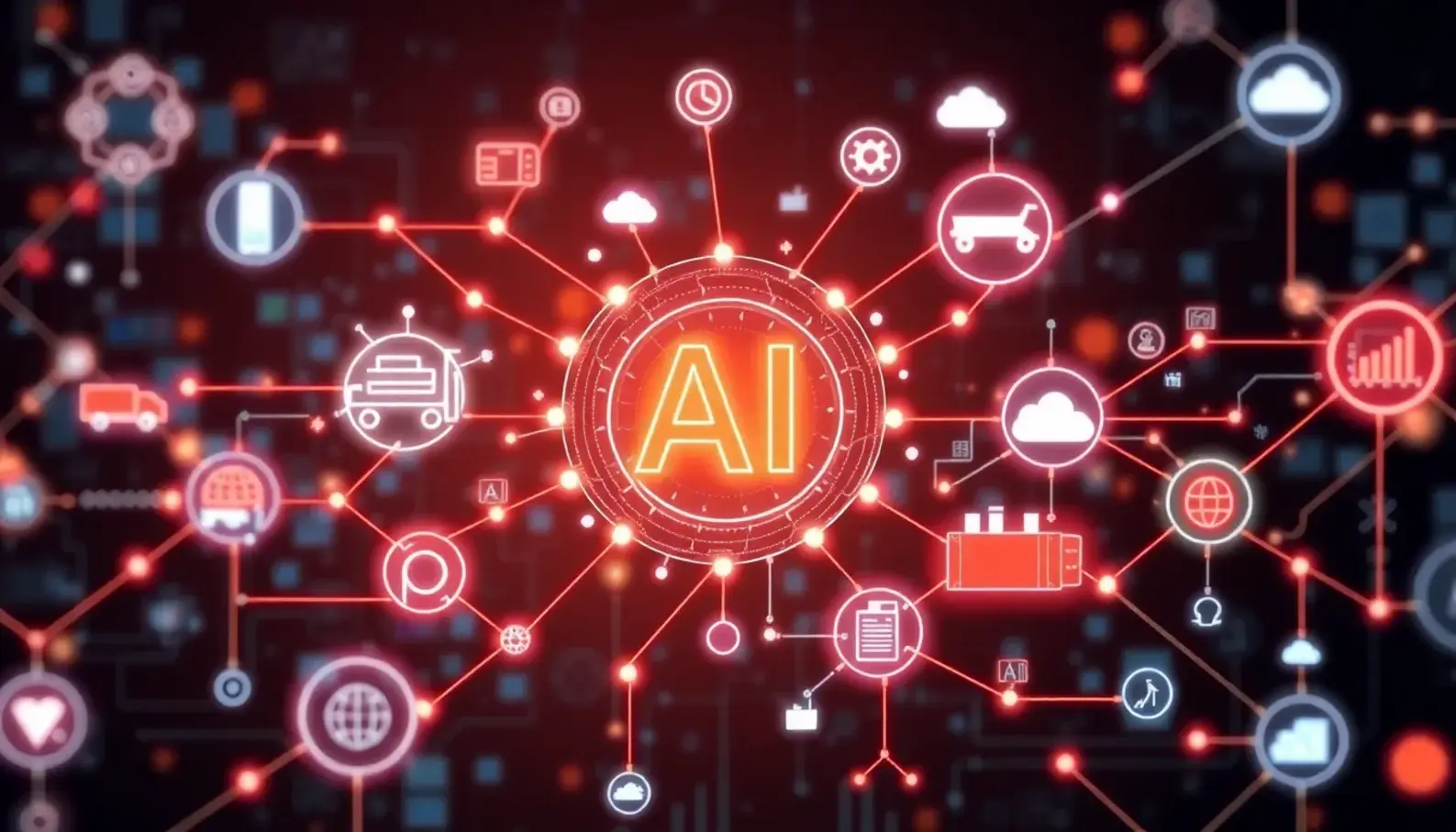
Supply chain management stands at the forefront of leveraging artificial intelligence (AI) for generating deeper data insights, aspiring to transform operational efficiency across industries. The journey of AI in supply chain begins with the aggregation of extensive datasets from diverse sources. Understanding how AI processes these datasets provides a foundation for its profound impact on decision-making and operational precision.
Data collection is the critical first step, involving comprehensive gathering from internal systems such as ERP and CRM, as well as external environments. IoT devices play a pivotal role, continuously feeding real-time data about logistics, warehousing conditions, and the movement of goods. This constant stream offers a rich bedrock from which AI can extract valuable insights, identifying efficiencies and bottlenecks that mundane analysis might overlook.
One of the primary AI technologies utilized here is machine learning (ML). ML algorithms excel in recognizing patterns amidst vast datasets. By training on historical data, these algorithms predict future trends and anomalies, facilitating proactive decisions. In inventory management, for example, ML predicts stock levels needed to meet future demand while minimizing surplus, thereby optimizing inventory turnover.
Natural Language Processing (NLP) widens the scope further by tapping into unstructured data. Supply chain documents, customer queries, and supplier correspondences often contain unstructured information, which NLP can interpret and analyze. Parsing through emails or service tickets, NLP can prioritize issues, ensuring that critical supply chain disruptions are addressed promptly.
Complementing ML and NLP is predictive analytics. By integrating historical and real-time data, predictive analytics offers foresight into potential supply chain disruptions. Weather patterns, geopolitical tensions, and market fluctuations all play roles in forecasting the risks that could affect logistics. This forward-looking insight enables supply chain managers to devise strategic contingencies, minimizing impact and maintaining service levels.
One compelling example involves the transportation sector. AI models analyze data from GPS trackers, traffic sensors, and fuel consumption reports, providing insights into route optimizations and fuel efficiency. Machine learning algorithms predict optimal delivery times and routes, reducing transportation costs and carbon footprint, thus creating a more sustainable supply chain.
Warehouse operations benefit immensely as well. Automated systems powered by AI manage stock levels and restocking schedules with impeccable accuracy. Advanced robotics, guided by AI analytics, efficiently handle orders, reducing human errors and accelerating fulfillment times. This synergy of AI and automation heralds a new era of productivity in warehousing.
By leveraging AI for data-driven insights, companies can refine their procurement processes. AI models evaluate supplier data, assessing reliability and performance over time. This analysis enables supply chain managers to make informed sourcing decisions, selecting vendors who best meet quality and delivery expectations.
Furthermore, AI’s role extends into demand forecasting. Traditionally based on past sales data and intuition, demand forecasting now involves ML algorithms capable of incorporating complex datasets like social media trends and macroeconomic indicators. This holistic approach yields more precise demand predictions, assisting firms in aligning production schedules with anticipated market needs.
AI technologies thus afford a dual advantage in supply chain: they enhance immediate operational functions while equipping companies with strategic foresight. The profound relationship they establish between data collection, processing, and actionable insights sturdily supports the overarching goal of streamlining supply chain operations for maximum efficiency and innovation.
For more on related topics, consider visiting AI’s Role in Business Growth Strategies, which touches on broader applications of AI in enhancing business practices beyond the supply chain context.
Embracing AI’s capabilities throughout the supply chain not only fortifies each logistical step but also lays the groundwork for continuous improvement and adaptability, reflecting the dynamic nature of global commerce. With AI, supply chains become a resilient backbone for modern enterprises, indelibly marked by their intelligence and adaptability.
Practical Applications of AI in Supply Chains
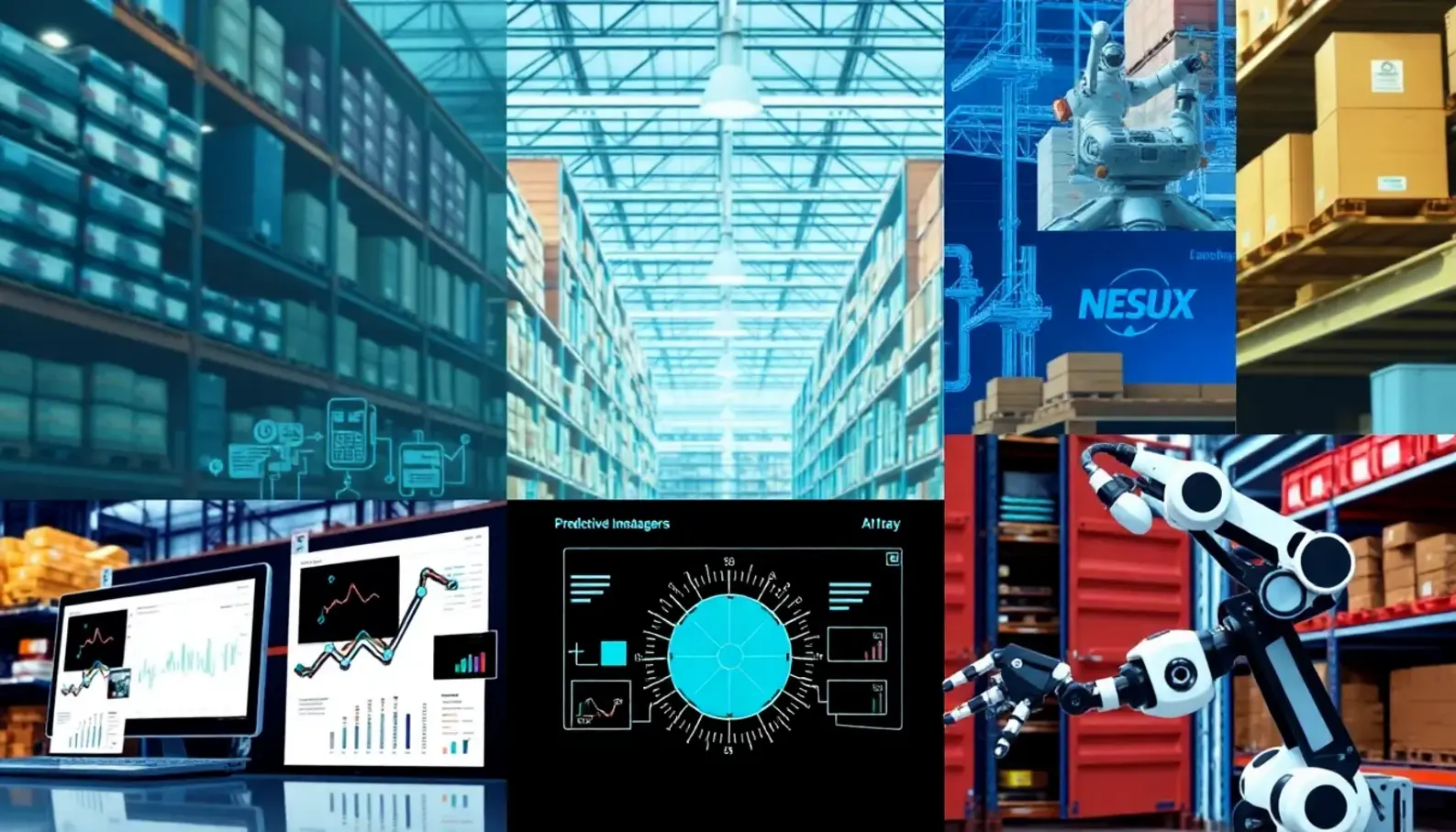
Artificial intelligence (AI) is rapidly transforming supply chains by enabling unparalleled efficiency and innovation. This transformation is evident in several practical applications that utilise AI’s capabilities to address longstanding supply chain challenges effectively.
One of the most impactful applications is in inventory optimization. AI algorithms can analyze vast amounts of data to determine ideal inventory levels, significantly reducing the risk of both stockouts and overstock. By processing historical sales data, seasonal trends, and economic indicators, AI systems can predict the precise amount of inventory needed at any given time. A major retailer recently implemented an AI-driven inventory management system that reduced excess inventory by 30%, freeing up capital and reducing waste.
Demand forecasting is another area where AI excels. Traditional methods rely heavily on historical sales trends, which can fail to account for real-time changes in consumer behavior or external factors such as weather conditions, economic shifts, or even social media trends. AI systems can ingest and analyze diverse datasets in real-time, providing more accurate forecasts. For instance, a consumer electronics company leveraged AI to integrate social media sentiment analysis into their forecasting models, resulting in a 20% improvement in prediction accuracy.
AI’s role in risk assessment is also notable. Supply chains are susceptible to numerous risks, including geopolitical issues, natural disasters, and market fluctuations. AI systems can predict and mitigate these risks by continuously scanning global news, weather conditions, and geopolitical developments. A logistics company implemented an AI risk assessment tool that detected potential supplier disruptions weeks in advance, allowing for proactive contingency planning and minimizing operational impacts.
In terms of dynamic pricing strategies, AI offers unprecedented flexibility. By analyzing competitor pricing, market demand, and consumer purchasing patterns in real-time, AI systems can dynamically adjust prices to maximize revenue while maintaining competitive edge. An online retailer utilized AI to adjust pricing across thousands of SKUs in response to competitor promotions and demand fluctuations, enhancing profits by 15% without losing market share.
Real-world examples underline the competitive advantage AI provides across industries. In manufacturing, predictive maintenance powered by AI reduces equipment downtimes and costly repairs. AI systems analyze sensor data to predict when a machine is likely to fail, enabling preemptive maintenance actions. This approach helped a global automotive manufacturer decrease machine downtime by 25% in their production line.
Despite the clear benefits, implementing AI in supply chains is not without challenges. Data quality and integration remain significant hurdles. Supply chains generate vast amounts of data in various formats, which must be consolidated and cleaned for effective AI application. This requires robust data management strategies and often, a significant investment in IT infrastructure.
Moreover, the adaptation of AI technologies necessitates a cultural shift within organizations. Engineers and designers must embrace a data-driven mindset, potentially requiring retraining and reevaluation of existing processes. There is also the need to balance automation with human oversight, ensuring AI systems do not operate as “black boxes” and that human judgment remains a pivotal part of supply chain decision-making.
These challenges are not insurmountable, but they require careful planning and execution. For those designing AI solutions, understanding these practical applications and challenges is crucial. This allows for better strategizing around implementation and maximization of AI’s potential in enhancing supply chain efficiency and innovation.
To gather more insights on adapting AI solutions in complex operational environments, explore hybrid computing strategies which discuss integrating AI with existing systems seamlessly. This integration approach minimizes disruption while unlocking new efficiencies, a critical consideration for large-scale supply chain operations.
Final words
Artificial intelligence is redefining the boundaries of supply chain insight generation, providing engineers and designers with the tools to harness data for strategic decision-making. The integration of AI not only enhances forecasting accuracy and operational efficiency but also fosters innovative solutions to traditional challenges. As industries continue to evolve, understanding and embracing these AI applications will be pivotal in driving the future of supply chain management. Engaging with these technologies today will ensure a competitive edge and equip professionals to navigate the complexities of tomorrow’s supply chain landscapes.
Download Insights
Learn more: https://innoupdates.com
About us
- Our company specializes in developing cutting-edge AI solutions designed to optimize supply chain operations. By implementing advanced analytics, machine learning algorithms, and automation tools, we empower businesses to achieve efficiency, reduce costs, and enhance decision-making capabilities. Our comprehensive offerings are tailored to address the unique challenges of different industries, ensuring that every solution is effective and impactful.