The rise of digital threats has complicated traditional cybersecurity measures, making it crucial for policymakers and researchers to explore advanced solutions. Artificial Intelligence (AI) offers opportunities not only for enhancing threat detection but also for predictive analysis. As cyber threats evolve, so too must our strategies for defense. By leveraging AI insights, we can design a resilient cybersecurity framework equipped to anticipate and counteract emerging risks. Understanding the intersection of AI and cybersecurity is vital for developing policies and practices that safeguard our virtual environments.
Understanding the AI Landscape in Cybersecurity
Artificial Intelligence (AI) has emerged as a transformative force across numerous sectors, with its impact on cybersecurity being particularly profound. The integration of AI into cybersecurity frameworks is enhancing the ability to detect, respond, and mitigate threats more effectively than ever before.
AI fundamentally shifts how cybersecurity threats are identified and neutralized. Traditional methods primarily rely on predefined rules and human intervention, which are often slow and reactive. In contrast, AI introduces dynamic capabilities such as machine learning and deep learning, enabling systems to adapt and improve over time without human input. These technologies provide a proactive defense, crucial in an era where cyber threats constantly evolve.
One of the primary capabilities of AI in cybersecurity is threat detection. Through sophisticated algorithms, AI can analyze vast amounts of data at unprecedented speeds. This capability ensures the real-time identification of anomalies that may indicate a cyber threat. Unlike manual inspections, where the volume of data can overwhelm human analysts, AI systems tirelessly process and assess data to ensure any potential threat is quickly flagged for further investigation.
Moreover, AI enhances response strategies by employing automation. Automated responses reduce the time between threat detection and the deployment of appropriate countermeasures. This is crucial in minimizing damage and preventing breaches from spreading throughout an organization’s network.
The ability of AI to learn from each threat it encounters is another game-changing facet. Machine learning models analyze past cyber incidents to predict and recognize similar patterns in future attacks. This learning capability ensures that defense mechanisms are not stagnant but continually evolving to meet new challenges.
AI addresses a range of cyber threats, from malware to sophisticated phishing attacks and zero-day exploits. Its ability to process natural language also allows it to detect phishing attempts by analyzing email content for malicious intent. This is especially significant given the increasing sophistication of social engineering attacks.
For policymakers and researchers, understanding AI’s potential is essential to develop effective cybersecurity strategies. Policymakers can use insights from AI research to craft regulations and guidelines that encourage responsible deployment and management of AI in cybersecurity. Researchers can push the boundaries by exploring new AI applications, ensuring these systems remain at the cutting edge of innovation.
Creating an environment conducive to AI innovation in cybersecurity demands collaboration between industry players, academic institutions, and government entities. By fostering this collaboration, stakeholders can ensure AI tools are both secure and ethical in their application, protecting the freedom and integrity of digital landscapes.
By integrating AI into cybersecurity, organizations can achieve a level of efficiency and effectiveness that was previously unattainable. This integration requires a holistic approach, ensuring AI systems are designed with built-in security measures and comply with ethical guidelines to prevent misuse. Collaboration across sectors is indispensable to propel AI innovation in cybersecurity.
In this context, AI is not merely a tool but a strategic partner in defense. Embracing its potential requires commitment and an understanding of both its capabilities and limitations. By doing so, stakeholders can harness AI as an invaluable asset in their cybersecurity arsenals, meeting the digital threats of today and those on the horizon.
For those interested in learning about various AI applications in different domains, check out this in-depth exploration of AI in business growth.
Policy Implications and Future Trends
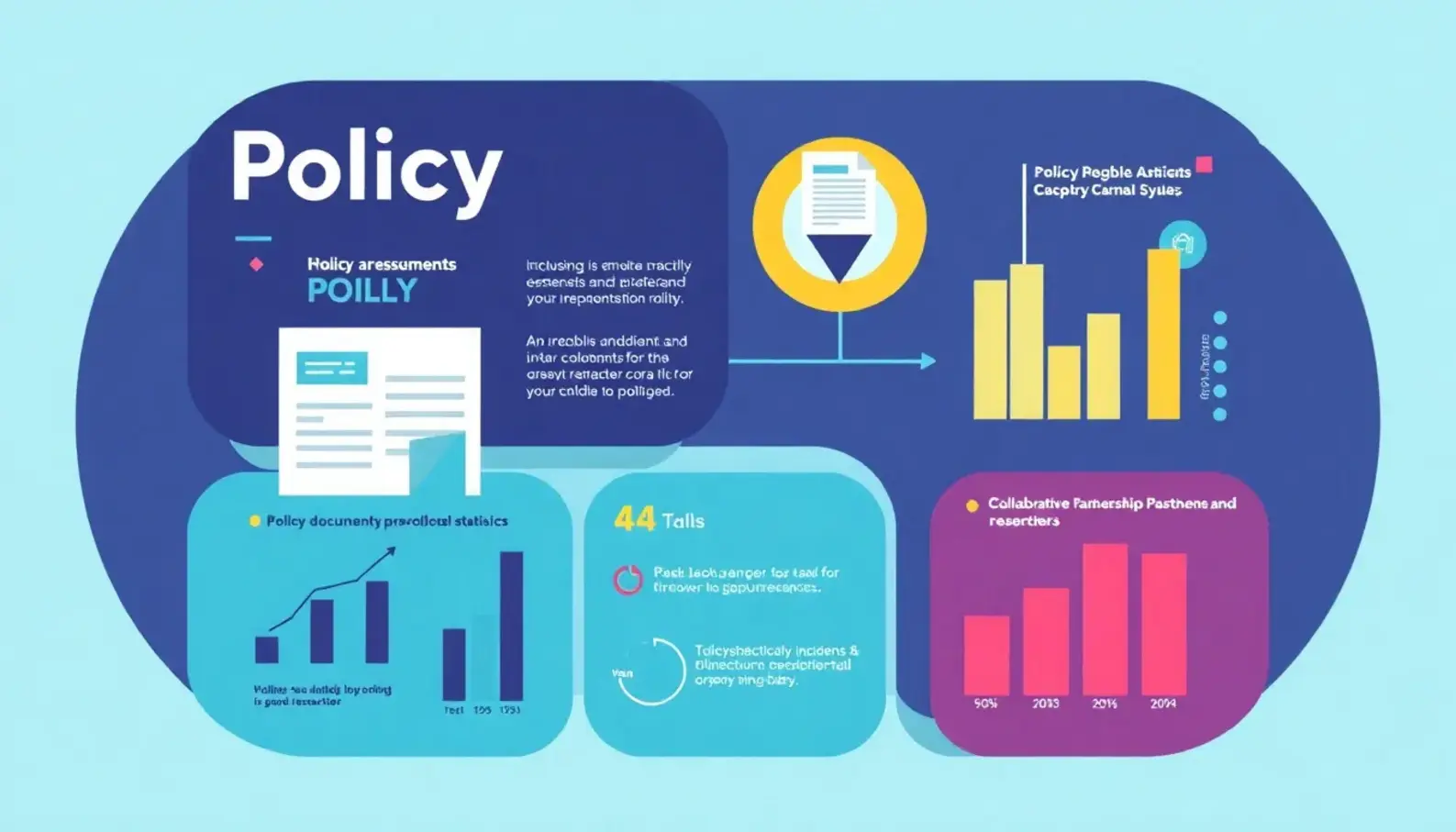
In the current cybersecurity landscape, integrating AI into existing frameworks demands a multifaceted approach from policymakers. Governments worldwide recognize the potential of AI to bolster cybersecurity measures. However, the rapid evolution of AI also poses regulatory challenges that require attention.
Regulatory Measures
AI technologies must operate within a framework that ensures they are not only effective but also ethical and secure. Crafting policies that address data privacy while enabling AI advancements is paramount. Regulations should focus on transparency in AI decision-making processes, ensuring algorithms are auditable and biases are minimized.
Furthermore, regulatory bodies must consider the implications of AI-driven decisions in security incidents. Policies should delineate accountability and liability in cases where AI systems fail or produce undesirable outcomes. A clear regulatory pathway will promote trust in AI technologies used for cybersecurity.
Funding Mechanisms for Research
Investment in AI-driven cybersecurity research is crucial. Policymakers should establish funding mechanisms that support innovation in this field. Government grants and public-private partnerships can accelerate the development of cutting-edge security solutions.
Dedicated funding can enable thorough testing of AI systems’ robustness against complex cyber attacks. By fostering an environment where innovative solutions receive appropriate resources, policymakers can help produce systems capable of adaptive defense.
Creating Partnerships
Close collaboration between government, academia, and the tech industry is essential in the fight against cyber threats. Partnerships should focus on knowledge exchange and resource sharing to develop comprehensive solutions.
Policymakers should incentivize collaboration through joint initiatives and funding opportunities. These partnerships can drive the creation of standardized practices for AI use in cybersecurity, facilitating improved response times and effectiveness.
Enhancing Workforce Skills
The cybersecurity workforce must be equipped with the skills necessary to implement AI effectively. Policymakers should encourage educational programs that incorporate AI and cybersecurity training. Initiatives could include government-funded scholarships or incentives for courses in AI technology applications in security.
Continuous professional development programs can help the workforce stay updated on emerging technologies and methodologies. As AI and cyber threats evolve, so must the skills of those tasked with defending against them.
Adaptive Policies for Technological Advancements
Technology is never static, and neither should the policies governing it be. Adaptive frameworks that evolve with technological progress are essential. Policymakers must implement feedback loops in regulatory processes to ensure policies remain relevant.
Regular reviews of AI technologies and updates to regulations based on new threat vectors can maintain robust cybersecurity defenses. This adaptive approach will enable policymakers to anticipate and respond to future challenges swiftly.
Predictions for Future Interaction of AI and Cybersecurity
Looking ahead, AI’s role in cybersecurity is poised to expand significantly. Advanced machine learning algorithms will increasingly analyze vast datasets to predict and mitigate threats before they materialize.
The integration of AI into autonomous defensive systems promises to reshape future security architectures. These systems will leverage AI to monitor networks in real time, automatically responding to threats with minimal human intervention. Predictive analytics will further enhance these systems, providing insights into potential vulnerabilities and allowing proactive measures.
For stakeholders, the challenge lies in preparing for emerging trends, such as the adoption of quantum computing. Quantum technologies may potentially render traditional encryption methods obsolete, requiring a reassessment of AI’s role in securing data encryptions.
Policymakers must also consider the ethical implications of AI in cybersecurity. As AI systems become deeply embedded in defensive infrastructures, ensuring these systems respect human rights and ethical standards is vital.
Internal discussions and strategies on AI adoption could be further explored in resources such as AI in Business Growth, which offers insights into broader AI integration strategies across industries.
By considering these recommendations, policymakers can guide the responsible integration of AI into cybersecurity frameworks, ensuring enhanced safety and resilience in the face of evolving digital threats.
Final words
Integrating AI into cybersecurity strategies is no longer optional; it is an imperative for enhancing our defenses against evolving threats. By understanding AI’s potential and implementing informed policies, stakeholders can create a resilient cybersecurity landscape. As collaboration between researchers and policymakers strengthens, the ability to anticipate and respond to cyber threats will vastly improve. Embracing AI-driven solutions is essential for future-proofing our digital environments.
Stay Ahead in Cybersecurity – Subscribe for Updates
Learn more: innoupdates.com
About us
We provide innovative solutions in cybersecurity, focusing on integrating AI technologies to enhance threat detection, response strategies, and policy development. Our multidisciplinary team collaborates with stakeholders to deliver actionable insights and frameworks that empower organizations to safeguard their digital resources effectively.