
Healthcare analytics is amid a rapid evolution, driven by Artificial Intelligence (AI). With the ability to sift vast amounts of data, AI optimizes predictive models, enhances decision-making processes, and improves patient outcomes. Stakeholders, from investors to healthcare directors, find themselves at a critical juncture where leveraging AI can translate complex data into actionable insights. By understanding the role of AI in optimizing healthcare analytics, stakeholders can not only enhance operational efficiencies but also unlock new value streams. The integration of AI in analytics can streamline resource allocation, minimize costs, and ultimately enhance care quality. This creates significant opportunities for investment and innovation, making it imperative for leaders to grasp the nuances of AI technologies as they relate to healthcare metrics.
Harnessing AI for Predictive Healthcare Analytics
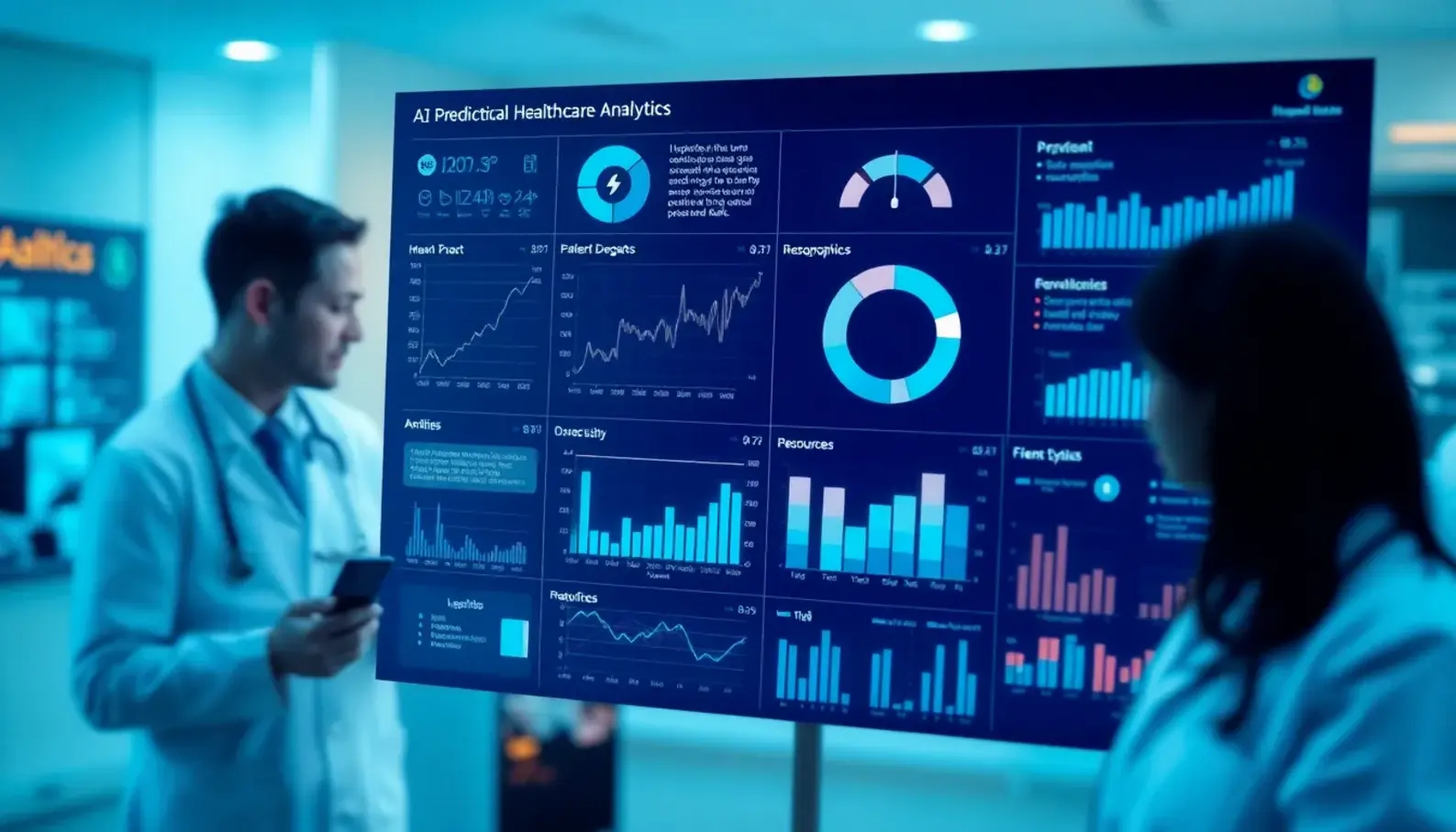
The integration of artificial intelligence into healthcare analytics has revolutionized predictive capabilities, allowing stakeholders to foresee patient needs and optimize resource allocation. The journey of refining predictive analytics in this domain hinges on the power of AI algorithms that synthesize vast amounts of data to anticipate future events and trends.
At the core of AI-driven predictive analytics are machine learning models like regression analyses, neural networks, and decision trees. These algorithms excel in identifying patterns that even the most experienced healthcare professionals may overlook. More advanced techniques, such as deep learning and reinforcement learning, further enhance predictive accuracy by adapting to new data over time.
Data Sources and Integration
An effective predictive model is as strong as the data fed into it. Healthcare analytics leverage a multitude of data sources: electronic health records (EHRs), patient-generated health data from wearables, and even social determinants of health. These data streams provide a comprehensive view of a patient’s health journey, enriching the predictive models with context and nuance.
Interoperability is critical in integrating diverse data sources while maintaining data privacy and security. Sophisticated data integration platforms and strategies ensure that disparate data sets can be harmonized effectively, providing a singular, actionable data repository for AI algorithms to analyze.
Contributions to Proactive Patient Management
Predictive analytics drive proactive patient management by transforming reactive healthcare systems. For instance, predictive modeling can alert healthcare providers about potential adverse events before they occur, enabling timely interventions. Chronic disease management has particularly benefited, with predictive tools flagging high-risk patients for conditions like diabetes and cardiovascular diseases.
Moreover, AI-powered analytics help in crafting personalized medicine plans. By analyzing genetic, lifestyle, and environmental factors, predictive models can recommend individualized treatment regimens that optimize therapeutic efficacy and minimize side effects.
Investors should consider how predictive analytics streamline operations in healthcare facilities. By accurately forecasting patient admissions, staffing needs, and resource utilization, healthcare providers can reduce wait times and enhance patient satisfaction, leading to operational efficiency and cost savings.
Case Studies and Successful Implementations
Numerous case studies highlight the tangible impact of AI in predictive healthcare analytics. One prominent example involves a leading hospital network that implemented AI algorithms to predict sepsis onset in patients. Through real-time data analysis and patient monitoring, the network reduced sepsis-related mortality by over 30% within a year.
Another compelling case is a healthcare provider that integrated AI for personalized cancer treatment planning. Utilizing predictive analytics, the provider was able to increase successful treatment outcomes by tailoring therapies to the unique profile of each cancer patient, effectively doubling survival rates in certain demographics.
Return on Investment and Competitive Advantages
The return on investment for predictive healthcare analytics is substantial, offering both direct and indirect financial benefits. Direct savings manifest through reduced hospital readmissions and optimized treatment plans, which lower operational costs. Indirectly, enhanced patient outcomes foster brand loyalty and increase the market share among health-conscious consumers.
Healthcare facilities that adopt AI-driven predictive analytics gain a competitive edge. The ability to offer personalized, anticipatory care services differentiates them in a crowded market, attracting more patients seeking cutting-edge healthcare solutions. Furthermore, these systems offer scalability, allowing facilities to expand services without a proportional increase in costs.
For more insights on AI’s transformative role across industries, you might be interested in how it affects business growth strategies as explored in this article.
Harnessing AI for predictive analytics in healthcare is not merely an investment in technology; it is an investment in the future of patient care. As AI continues to evolve, the horizon for predictive capabilities in healthcare expands, promising enhancements in patient outcomes and operational excellence.
Strategies for Investment in AI-Enhanced Healthcare Analytics

Investing in AI-enhanced healthcare analytics requires a strategic approach grounded in the dynamics of the healthcare industry. By focusing on detailed evaluation processes, investors can ensure that their financial inputs drive genuine value and innovation in care delivery systems.
Evaluating AI Vendors
Investors should begin by conducting in-depth evaluations of potential AI vendors. This involves assessing their technological capabilities, reputation, and alignment with healthcare industry standards. Understanding the history of a vendor’s solutions in real-world applications provides insights into their ability to deliver on promises. Investors should ask:
- Does the vendor have a track record of implementing successful AI solutions in healthcare?
- Are they compliant with healthcare regulations such as HIPAA?
- How robust is their customer support for long-term sustainability?
Furthermore, considering the data privacy protocols established by vendors is crucial. The protection of patient data is paramount, and vendors must demonstrate a strong commitment to cybersecurity and data encryption methods.
Understanding Regulatory Frameworks
AI solutions in healthcare are not exempt from regulatory scrutiny. Navigating these frameworks ensures investments align with legal requirements, mitigating risks of non-compliance which could lead to financial or reputational damage.
Investors should familiarize themselves with the regulatory bodies that oversee AI applications in healthcare, such as the FDA in the United States or equivalent organizations globally. They must also track regulatory trends to predict future compliance demands. Understanding the approval process for AI products can shed light on timelines and potential hurdles.
Assessing Scalability of Analytics Solutions
The scalability of AI analytics solutions is a decisive factor in investment decisions. Scalability not only indicates a solution’s potential to adapt to increasing data volumes but also its capability to support diverse healthcare settings.
Key aspects to evaluate include:
- Infrastructure Requirements: Can the solution be integrated into existing systems without significant overhauls?
- Cost Efficiency: Are there diminishing returns as the solution scales?
- Interoperability: Does the solution work seamlessly across different platforms and devices?
An investment in a scalable solution can result in exponential returns as healthcare providers expand their patient engagement capabilities across facilities or regions.
Aligning with Strategic Healthcare Goals
Investments in AI-based analytics should align with broader healthcare strategic goals. This involves understanding how the technology supports or enhances patient outcomes and operational efficiencies.
For instance:
- Improved Patient Care: Does the solution provide actionable insights that lead to better diagnosis or treatment plans?
- Operational Efficiency: Can it streamline administrative processes or reduce costs associated with healthcare delivery?
- Patient Engagement: How does it enhance the patient experience or improve healthcare accessibility?
Investors must ensure their funding decisions reflect these priorities, maximizing impact and fostering advancements in healthcare delivery.
Case Studies: Funding Success Stories
Case Study 1: Predictive Analytics for Chronic Disease Management
An AI startup specializing in predictive analytics aimed at managing chronic diseases received significant investment. The company’s platform leverages patient data to foresee potential complications, allowing for preemptive care interventions. By aligning with strategic healthcare goals of reducing hospital readmissions, the investment boosted patient outcomes and cut costs for healthcare providers.
Case Study 2: AI-Assisted Radiology
Another success story involves a company providing AI-assisted diagnostic tools for radiology. The tool aids radiologists in rapidly identifying abnormalities, thus reducing diagnosis times. This investment aligned with the goal of enhancing diagnostic precision and efficiency within radiology departments. The company saw rapid growth and scalability due to its broad applicability across multiple health institutions.
These case studies underscore the importance of strategic alignment and thorough evaluation in achieving successful investment outcomes.
For further insights on how AI is transforming various sectors and driving growth, see AI in Business Growth. By leveraging lessons learned from diverse applications, investors can make informed decisions that not only meet healthcare objectives but also catalyze transformative innovations in the industry.
Final words
AI holds immense potential to redefine healthcare analytics, offering investors and directors crucial insights for their strategic decisions. By optimizing healthcare data through AI, stakeholders position themselves to drive significant improvements in patient outcomes and operational efficiencies. Recognizing these opportunities is vital in navigating the future of healthcare.
Watch our insightful video series to explore more about AI in healthcare analytics!
Learn more: innoupdates.com
About us
- Our company specializes in providing comprehensive AI analytics solutions tailored for the healthcare sector. We leverage cutting-edge technology to transform large datasets into actionable insights, enhancing decision-making and operational efficiency. Our offerings include implementation support, customized analytics dashboards, and ongoing strategic advice to optimize healthcare outcomes while meeting the demands of a rapidly evolving market.