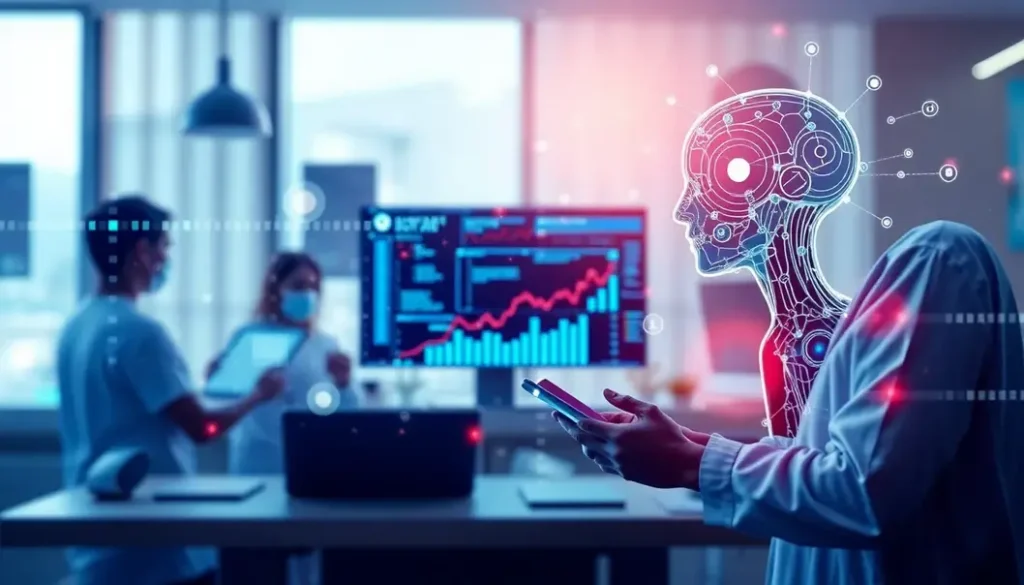
The application of artificial intelligence in healthcare analytics is revolutionizing the way professionals manage data, enhance patient care, and streamline operations. With the immense volume of patient information generated daily, AI offers powerful tools for interpreting complex datasets and deriving actionable insights. By refining healthcare analytics training programs to incorporate AI technologies, specialists can cultivate a workforce adept at leveraging data to drive innovative solutions. This approach not only improves patient outcomes but also promotes a culture of continuous learning in healthcare settings.
AI: The Catalyst for Enhanced Data Interpretation
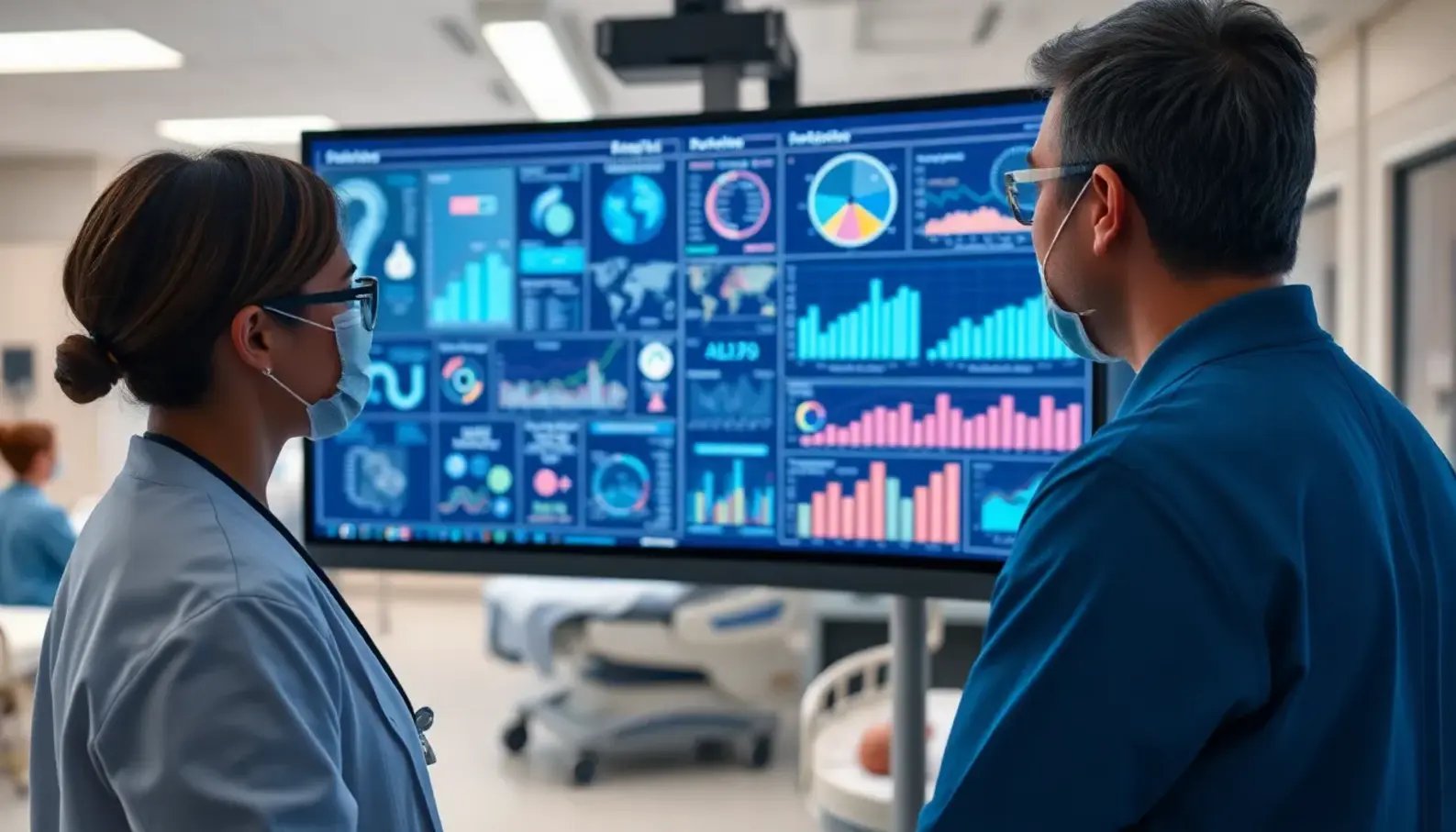
The integration of artificial intelligence into healthcare analytics marks a paradigm shift in how we interpret and act upon vast datasets. AI technologies, particularly machine learning and natural language processing, are at the forefront of this transformation. These tools not only enhance data interpretation but also offer predictive insights that are revolutionizing healthcare management and decision-making processes.
Machine learning models, designed to recognize patterns and make decisions with minimal human intervention, enhance our ability to draw actionable conclusions from healthcare data. Through training algorithms on large datasets, these models can identify trends and correlations that might go unnoticed by human analysts. This capability is especially valuable in areas like patient diagnosis, treatment personalization, and resource allocation, where vast amounts of data must be processed quickly and accurately.
For instance, machine learning has proven effective in predicting patient outcomes and identifying high-risk patients. By analyzing patient histories, genetic information, and treatment responses, AI-powered tools can forecast disease progression and suggest personalized treatment plans. This proactive approach enables healthcare providers to intervene earlier and more effectively, potentially saving lives and reducing costs.
Natural language processing (NLP) complements these efforts by transforming unstructured data, like clinical notes and medical journals, into structured and analyzable information. NLP algorithms can extract relevant patient information, improve the accuracy of medical records, and provide clinicians with comprehensive insights from diverse data sources. This capability not only streamlines clinical workflows but also enables more informed and timely decision-making.
A notable case study illustrating the successful integration of AI in healthcare analytics is its application in radiology. AI algorithms can now analyze medical images, such as X-rays and MRIs, to detect anomalies with remarkable accuracy. These systems function as decision-support tools, helping radiologists make more precise diagnoses and prioritize critical cases. By reducing the time required for image interpretation and minimizing human error, AI enhances the overall efficiency and effectiveness of radiological services.
However, the successful implementation of AI in healthcare analytics requires a delicate balance between technical proficiency and domain-specific knowledge. Specialists must develop a strong understanding of both AI technologies and healthcare systems to harness these tools effectively. Training programs should focus on equipping healthcare professionals with the technical skills needed to operate AI tools and the analytical abilities required to interpret AI-generated insights.
Moreover, fostering collaboration between data scientists and healthcare professionals is essential. While data scientists bring expertise in AI and machine learning, healthcare professionals offer critical context and understanding of clinical environments. Joint training programs and interdisciplinary teams can bridge the gap between these groups, ensuring that AI solutions are both technically robust and practically applicable.
Training should also emphasize ethical considerations in AI application. Professionals must be aware of issues such as data privacy, algorithmic bias, and transparency to use AI responsibly. Understanding these ethical dimensions is crucial in maintaining patient trust and ensuring that AI tools are employed for the benefit of all patients.
The implementation of AI in healthcare analytics is not without challenges. One notable hurdle is the need for high-quality data. AI models require vast amounts of accurate, labeled data to train effectively. Ensuring data privacy and security while facilitating data sharing across institutions is another critical concern. Organizations must invest in secure data infrastructure and establish clear protocols for data governance to address these challenges.
Additionally, continuous monitoring and updating of AI models are necessary to maintain their accuracy and relevance. As healthcare environments and technologies evolve, AI systems must adapt to new conditions and data types. Ongoing training and evaluation of AI tools help ensure their continued effectiveness in providing reliable insights.
In exploring the vast potential of AI in healthcare analytics, it is also crucial to recognize the broader implications of these innovations. Integrating AI with emerging technologies, such as quantum computing and hybrid computing strategies, could further enhance data processing capabilities and unlock unprecedented analytical potential. Explore more about hybrid computing strategies, which are promising steps towards a new era of healthcare analytics.
In summary, AI stands as a transformative catalyst for enhanced data interpretation in healthcare analytics. The successful integration of machine learning and natural language processing promises to revolutionize how we manage, interpret, and act upon health data. By balancing technical skills with domain knowledge, promoting interdisciplinary collaboration, and addressing ethical concerns, the healthcare industry can fully realize the potential of AI-driven insights to improve patient outcomes and streamline health services.
Building a Future-Ready Workforce: Training Paradigms
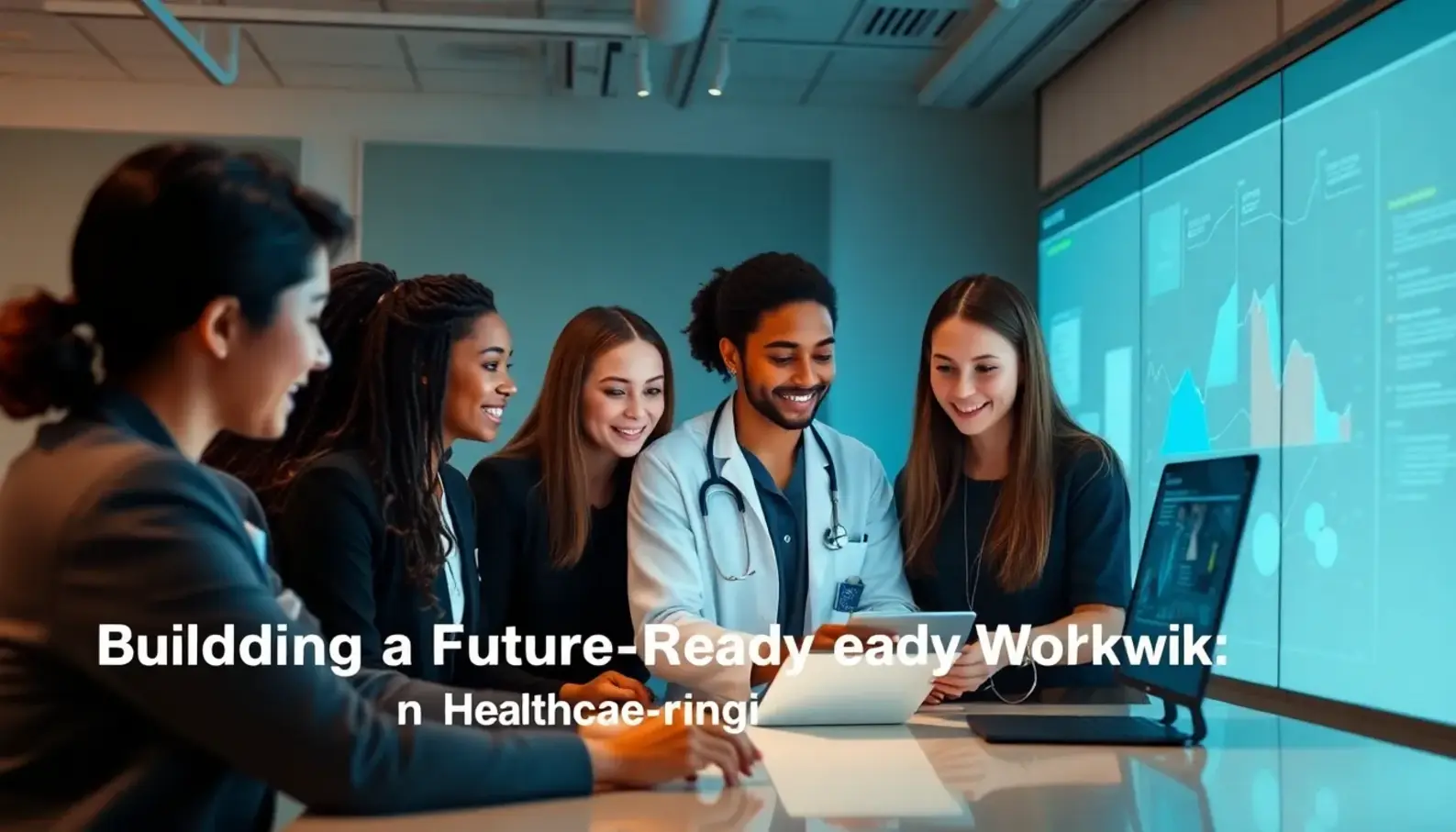
As healthcare systems increasingly rely on data-driven decisions, the integration of AI into analytics becomes paramount. The shift towards AI demands that healthcare professionals not only develop technical skills but also engage in continuous learning that encompasses critical thinking and ethical considerations in AI deployment. Effective training paradigms must rise to meet these multifaceted needs.
One innovative approach is crafting curricula that blend technical proficiency with decision-making frameworks. Professionals should not just understand how to operate AI tools but also when and why to use them. This requires domain-specific knowledge integrated with AI literacy. Programs that focus on examples drawn from real-world scenarios help reinforce learning, allowing trainees to see the application of their skills in day-to-day situations.
Hands-on training is vital. Simulations can recreate complex healthcare environments where trainees can practice AI deployment in a controlled setting. This practical exposure helps learners build confidence in their ability to manipulate AI tools effectively and navigate their outputs. By simulating intricate clinical scenarios, these practice sessions instill a deep understanding of machine learning models and their limitations. Such experiences empower healthcare professionals to apply AI ethically and effectively.
Interdisciplinary learning holds significant potential in building a future-ready workforce. Collaboration between technologists, ethicists, medical professionals, and business strategists can foster a more comprehensive learning ecosystem. Courses that encourage cross-disciplinary projects can help professionals appreciate diverse perspectives in AI applications, better preparing them for real-world challenges. This holistic approach ensures that the workforce is not merely technically adept, but also culturally and ethically aware.
Institutions aiming to implement these innovative education models must invest in resources, both in terms of infrastructure and expert faculty. Developing partnerships with tech companies and academic institutions can provide the necessary support and insight into the latest advancements. Online platforms and workshops can offer flexibility, making education accessible to professionals juggling healthcare demands.
The outcome of implementing these programs is a workforce capable of harnessing AI to glean insights that enhance patient care quality and streamline operations. Enhanced analytical capabilities translate to better resource management, predictive modeling in patient care pathways, and improved health outcomes.
Healthcare systems embracing these training paradigms position themselves advantageously in a competitive landscape. By equipping their teams with these skills, institutions can leverage AI effectively to drive innovation. Future-ready professionals become change agents, steering their organizations towards data-driven excellence.
The stakes are high, but so are the rewards. A comprehensive strategy combining technical training with ethical guidance, supported by practical and interdisciplinary learning experiences, builds a foundation on which the future of healthcare analytics rests. It’s an investment not just in technology, but in the people who will use it to transform the industry.
For those interested in learning more about these innovative learning strategies and their impact, the exploration of edtech personalization showcases parallel industries where AI-driven curricula are already making significant strides.
Final words
The infusion of AI into healthcare analytics training is indisputable, offering unparalleled opportunities for professionals to cultivate skills that enhance patient care and operational efficiency. Focusing on comprehensive education strategies ensures specialists not only thrive but also lead the charge in leveraging data for superior health outcomes. Embracing this trend will position healthcare organizations at the forefront of innovation.
Try Free Demo
Learn more: innoupdates.com
About us
InnoUpdates provides cutting-edge solutions for healthcare analytics, empowering institutions with AI technology to leverage data for optimized healthcare delivery. Our innovative training programs equip professionals with the necessary skills to navigate and apply these technologies effectively, ensuring better patient outcomes and operational efficiencies. Explore our comprehensive platforms designed to enhance learning and practical application in the evolving landscape of healthcare.