
The integration of artificial intelligence into healthcare scheduling and analytics is paving the way for a more efficient delivery of care. By harnessing data and sophisticated algorithms, healthcare providers are responding to the complexities of patient flow, resource allocation, and operational management. This intersection of technology and healthcare not only enhances appointment scheduling but also improves patient outcomes and satisfaction. Consultants and investors are presented with unique opportunities to engage with innovative solutions that optimize operational efficiencies and revolutionize care delivery.
The Mechanics of AI-Driven Scheduling
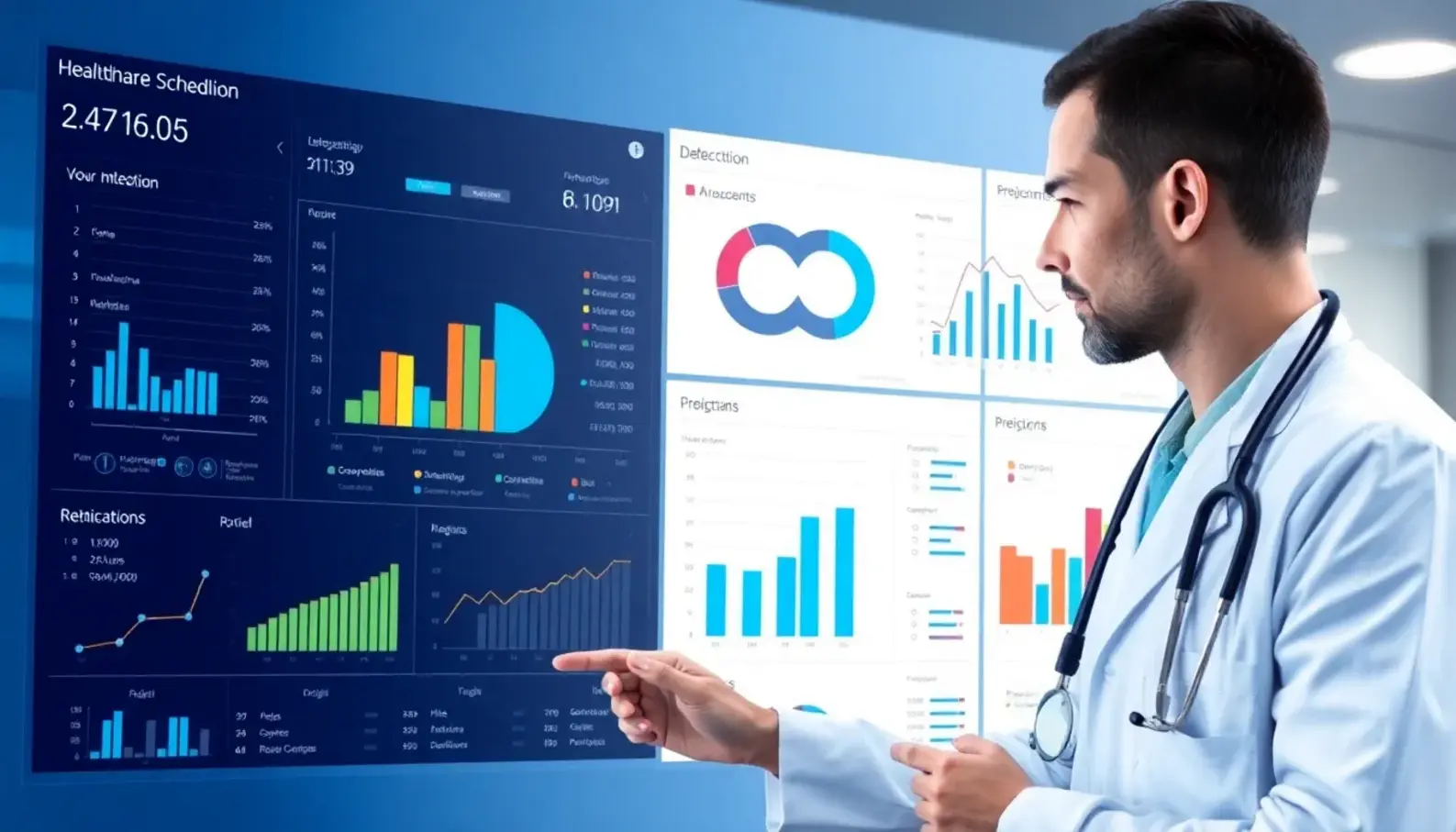
Artificial Intelligence (AI) is revolutionizing healthcare scheduling, particularly through automating appointment management and optimizing resource allocation. This transformation is not just about replacing manual processes but enhancing them with a level of precision and foresight that was previously unattainable.
AI-driven scheduling systems leverage sophisticated algorithms and predictive analytics to anticipate and manage patient flow. By analyzing vast datasets, these systems can predict peak times, efficiently allocate resources, and suggest optimum schedules for various treatments. The result is a significant reduction in patient wait times and an improvement in the overall healthcare experience.
One of the key technological advancements in AI scheduling is the use of machine learning algorithms. These algorithms continuously learn from data, enabling the system to refine scheduling predictions and resource allocations over time. For instance, by analyzing historical appointment data, machine learning models can forecast appointment durations more accurately and adjust schedules dynamically to accommodate unexpected changes.
Predictive analytics is another cornerstone of AI-driven scheduling. By harnessing data from electronic health records (EHRs), demographic information, and even social determinants of health, predictive models can assess the likelihood of no-shows and cancellations. These insights allow healthcare providers to implement proactive measures, such as automated reminders or double-booking strategies, thereby minimizing idle time and maximizing service efficiency.
The implications for healthcare providers are profound. AI systems not only streamline operations but also enhance the quality of care by ensuring that resources are available when and where they are most needed. For example, a clinic using AI scheduling might find that they can fit in more patients per day, thus expanding access to care without sacrificing quality.
Case studies illustrate the efficiency improvements AI brings. One hospital implemented an AI-driven scheduling system and saw a 25% reduction in patient wait times within a few months. Another healthcare network reported a 30% increase in staff productivity due to more balanced workload distribution. These examples highlight how AI can transform challenges into opportunities for growth and innovation in healthcare settings.
Additionally, AI-driven scheduling can improve the patient experience by providing greater transparency and convenience. Patients can receive real-time updates about appointment availability and expected wait times, empowering them to manage their schedules more effectively. By fostering better communication and reducing uncertainty, AI systems enhance patient satisfaction and engagement.
Operational efficiency gains extend beyond clinical settings. Health systems can deploy AI to manage ancillary services, such as laboratory work and imaging, ensuring that these services align seamlessly with patient appointments. This holistic integration of scheduling across departments streamlines workflows and reduces bottlenecks.
Despite its promise, implementing AI-driven scheduling is not without challenges. Data privacy concerns and the integration with existing IT systems require careful navigation. Nonetheless, the potential benefits far outweigh the hurdles. Healthcare providers looking to embrace this technology must prioritize robust data governance and invest in training staff to interact with AI tools effectively.
Linking healthcare scheduling with AI to broader technological trends reveals a landscape ripe for innovation. For instance, the fusion of AI with wearable health tech could further enhance predictive capabilities by incorporating real-time biometric data into scheduling algorithms. Such integrations could bring us closer to a future where healthcare is not only more efficient but also more personalized.
In conclusion, AI-driven scheduling represents a paradigm shift in healthcare. By leveraging predictive analytics and automation, healthcare providers can optimize resources, reduce wait times, and significantly enhance patient experiences. As AI technologies continue to mature, their role in reshaping the healthcare landscape will only become more crucial. For those interested in further applications of AI in different industries, the exploration of AI in business growth provides additional insights into the transformative power of this technology.
Investment Horizons: The Future of AI in Healthcare
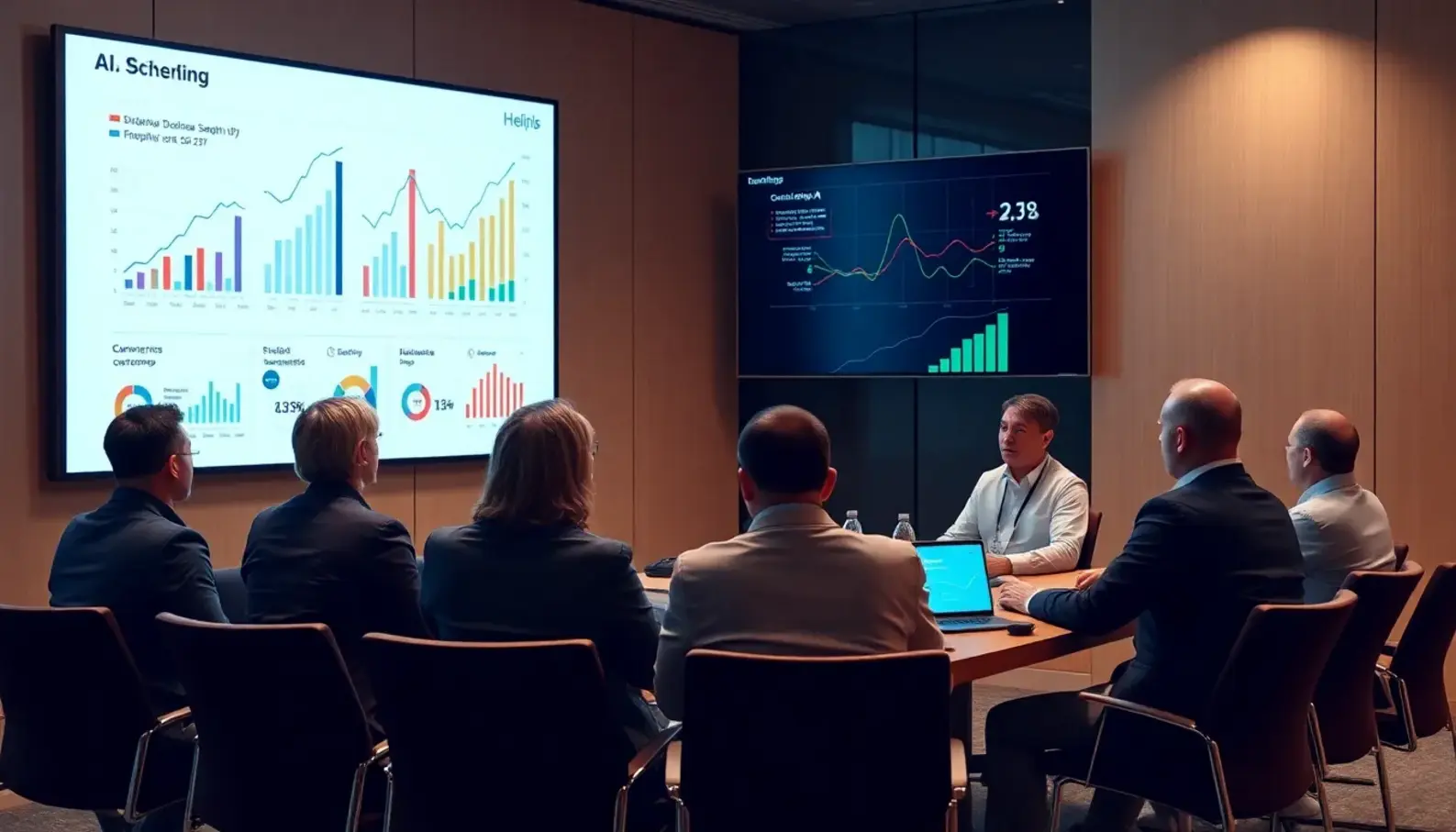
The investment landscape for AI in healthcare analytics and scheduling is both dynamic and promising. Over the past few years, we have witnessed a surge in investments from venture capitalists, private equity firms, and corporate investors, all eager to capitalize on emerging technologies that promise to revolutionize patient management, operational efficiency, and healthcare delivery.
Market trends suggest a growing interest in AI-driven solutions that can address the inefficiencies in traditional healthcare systems. With the global healthcare industry poised for digital transformation, AI has become a beacon for investors seeking robust opportunities. This trend is evidenced by an increasing number of funding rounds that prioritize AI-driven healthcare startups focusing on innovative scheduling and analytics tools.
Among the noteworthy developments attracting investors is the integration of machine learning algorithms with electronic health record systems. These advancements enable healthcare providers to predict patient influx, optimize resource allocation, and reduce wait times, thereby enhancing the overall patient experience. Furthermore, AI solutions are increasingly being designed to personalize patient interaction and streamline administrative processes, reducing operational costs and improving outcomes.
Several startups are making significant strides in this area, focusing on enhancing the capabilities of AI in predictive analytics for patient scheduling. These startups are employing cutting-edge technologies such as natural language processing and computer vision to automate and refine appointment scheduling systems. Moreover, advanced AI-driven platforms are being developed to manage cancellations and no-shows, which are common challenges that disrupt patient flow and healthcare facility efficiency.
Emerging technologies that are capturing investor interest include predictive modeling tools and decision-support systems. These tools utilize big data and AI to assess patterns in patient behavior and clinical history, enabling healthcare providers to anticipate and better manage patient needs. The predictive capabilities offered by these systems help enhance the demand forecasting of healthcare services, making them crucial components for scaling operations effectively.
The potential return on investment (ROI) for these technologies is significant. By decreasing inefficiencies, optimizing resource management, and improving patient satisfaction, AI in healthcare scheduling and analytics can lead to notable cost savings and increased revenue. For instance, reducing patient no-shows increases provider utilization rates, which directly correlates with enhanced revenue generation. Additionally, improved scheduling efficiencies can lead to better patient outcomes, indirectly influencing overall financial performance by reducing readmissions and associated costs.
For consultants advising clients in healthcare settings, several factors must be carefully considered. Firstly, the integration of AI technologies must align with the organization’s strategic goals and operational capacity. It’s crucial to assess the organization’s readiness for digital transformation and to identify areas where AI can deliver the most value. Moreover, a comprehensive understanding of the regulatory environment and data privacy laws is essential, as these factors significantly influence the deployment and scalability of AI solutions.
Consultants should also emphasize the importance of change management and user adoption. Implementing new AI technologies often necessitates shifts in workflow and culture; thus, engaging and training staff effectively is paramount. Providing tailored education and fostering an environment of collaboration between IT teams and healthcare professionals can facilitate smoother transitions and maximize the benefits of AI integration.
While the future of AI in healthcare scheduling is promising, it remains subject to ongoing research, development, and validation. The continuous evolution of AI technologies will invariably present new challenges and opportunities for investors and healthcare organizations. As AI initiatives mature, they will likely open new pathways for innovation—reshaping the landscape of healthcare systems for years to come.
For more insights into how AI could reshape similar industries, the article on agentic AI insights provides valuable context on the transformative impact AI could have beyond the healthcare sector.
Final words
AI’s role in healthcare scheduling and analytics is evolving, creating pathways for improved efficiencies and better patient experiences. As consultants and investors tap into this arena, they stand to reshape not only the patient journey but also the operational landscape of healthcare organizations. Engaging with these AI innovations will not only benefit clients but also present lucrative opportunities in a rapidly changing market.
Download Insights
Learn more: https://innoupdates.com
About us
Our company specializes in integrating advanced AI solutions into healthcare operations, enabling providers to streamline scheduling processes, enhance analytics, and improve patient care. With our expertise, healthcare organizations can harness data-driven insights to optimize workflow, ensure better resource utilization, and ultimately deliver a higher quality of care.