
With the healthcare landscape becoming increasingly data-driven, AI stands out as a game-changer in the realm of healthcare analytics forecasting. Leveraging advanced algorithms, predictive analytics, and real-time data, AI is taking center stage, guiding healthcare analysts and consultants through complex datasets to unearth insights that drive better patient care and operational efficiencies. This article delves into how AI shapes healthcare analytics forecasting, setting the foundation for data-driven decisions that enhance patient outcomes and organizational performance.
The New Frontier: Understanding AI’s Role in Predicting Health Trends
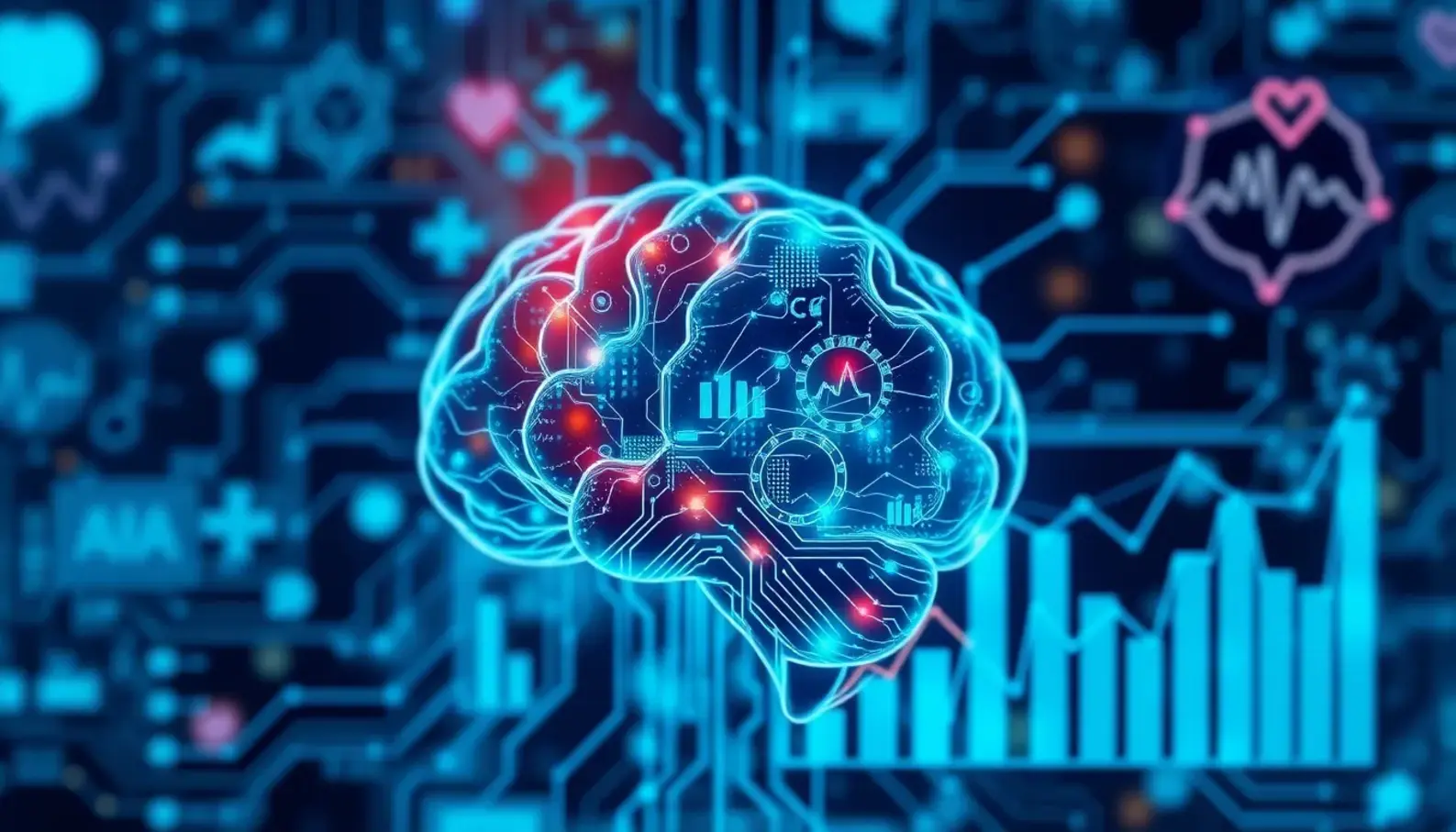
The convergence of artificial intelligence and healthcare analytics marks a transformative epoch in medical history. The power of AI lies in its capacity to analyze enormous datasets, parsing through vast quantities of information to uncover intricate patterns that remain elusive to human observers. This capability serves as a catalyst for predicting health trends, optimizing operational efficiency, and improving patient outcomes.
AI-driven systems meld sophisticated algorithms with datasets drawn from myriad sources, including electronic health records, medical imaging, genomic databases, and even wearable technology. These algorithms, especially those rooted in machine learning, are designed to learn from data iteratively, enhancing their predictive accuracy over time. Notably, deep learning, a subset of machine learning, identifies patterns in data that are impossible to discern even by seasoned experts.
Healthcare is moving beyond traditional analytics, driven by a need for predictive insights. One salient application of AI in healthcare is in the realm of personalized medicine. Machine learning models can predict how a patient might respond to a treatment plan by analyzing their genetic information alongside population-wide healthcare data. This advancement is instrumental in crafting individualized treatment plans leading to better patient adherence and outcomes.
Additionally, AI aids in managing and predicting the trajectory of chronic diseases. For instance, algorithms can analyze patient data to detect early signs of deterioration, thus enabling preemptive interventions. Predictive analytics in diabetes management, for instance, utilizes data from glucose monitors and patient histories to anticipate hypo- or hyperglycemic events, fostering timely and precise interventions.
AI’s role extends further to public health by empowering systems to predict disease outbreaks. Such predictive models leverage data from climate patterns, historical outbreak data, and travel itineraries to anticipate the spread of infectious diseases. This early detection facilitates rapid response strategies, potentially curbing widespread transmission and saving countless lives.
Operational efficiency within healthcare systems is another domain witnessing the transformative impact of AI. Resource allocation is optimized by predicting patient influx patterns, thus ensuring that staffing and facilities are aligned with actual demand. Moreover, predictive maintenance of medical equipment minimizes downtime, ensuring that hospitals operate smoothly and efficiently.
The amalgamation of AI and healthcare is also redefining patient triaging. AI algorithms can prioritize cases based on the severity and complexity derived from patient data, ensuring that critical cases receive urgent attention. This fosters an equitable and effective healthcare delivery model.
Nevertheless, with these advancements come challenges. The reliance on AI for clinical decision-making necessitates robust ethical frameworks to safeguard patient privacy and ensure data integrity. Moreover, the bias inherent in datasets could potentially lead to skewed predictions, underscoring the importance of equitable data representation in healthcare AI.
Furthermore, deploying AI in healthcare demands a synergistic relationship between technology and human expertise. Clinicians and data scientists need to collaborate closely to interpret AI insights accurately and implement them within the context of holistic patient care.
AI in healthcare analytics is continually evolving, with researchers and healthcare professionals relentlessly pushing the boundaries of what is possible. Innovations like quantum computing could further augment AI’s capability in healthcare by dramatically increasing computational power and expediting the processing of complex datasets. Exploring how quantum computing intersects with AI could offer unprecedented insights and breakthroughs in healthcare analytics.
To stay ahead, the healthcare industry must invest in infrastructure that supports AI-driven analytics while fostering an environment conducive to innovation. This involves cultivating a culture of data literacy where clinicians appreciate the nuances of AI insights and their potential to revolutionize healthcare.
For a deeper exploration into the ethical considerations of AI impacts, see Exploring AI’s Ethical Dimensions in Healthcare. This interconnects the technological capabilities with critical ethical imperatives, ensuring a holistic approach to AI integration in healthcare.
In summary, AI poses unprecedented opportunities to propel healthcare towards a future characterized by proactive, personalized, and precise care. As technology continues to advance, its symbiosis with healthcare will undoubtedly reshape the industry, heralding a new era of predictive analytics that promises significantly improved patient outcomes and operational efficiencies.
Predictive Analytics in Action: Case Studies and Real-World Applications
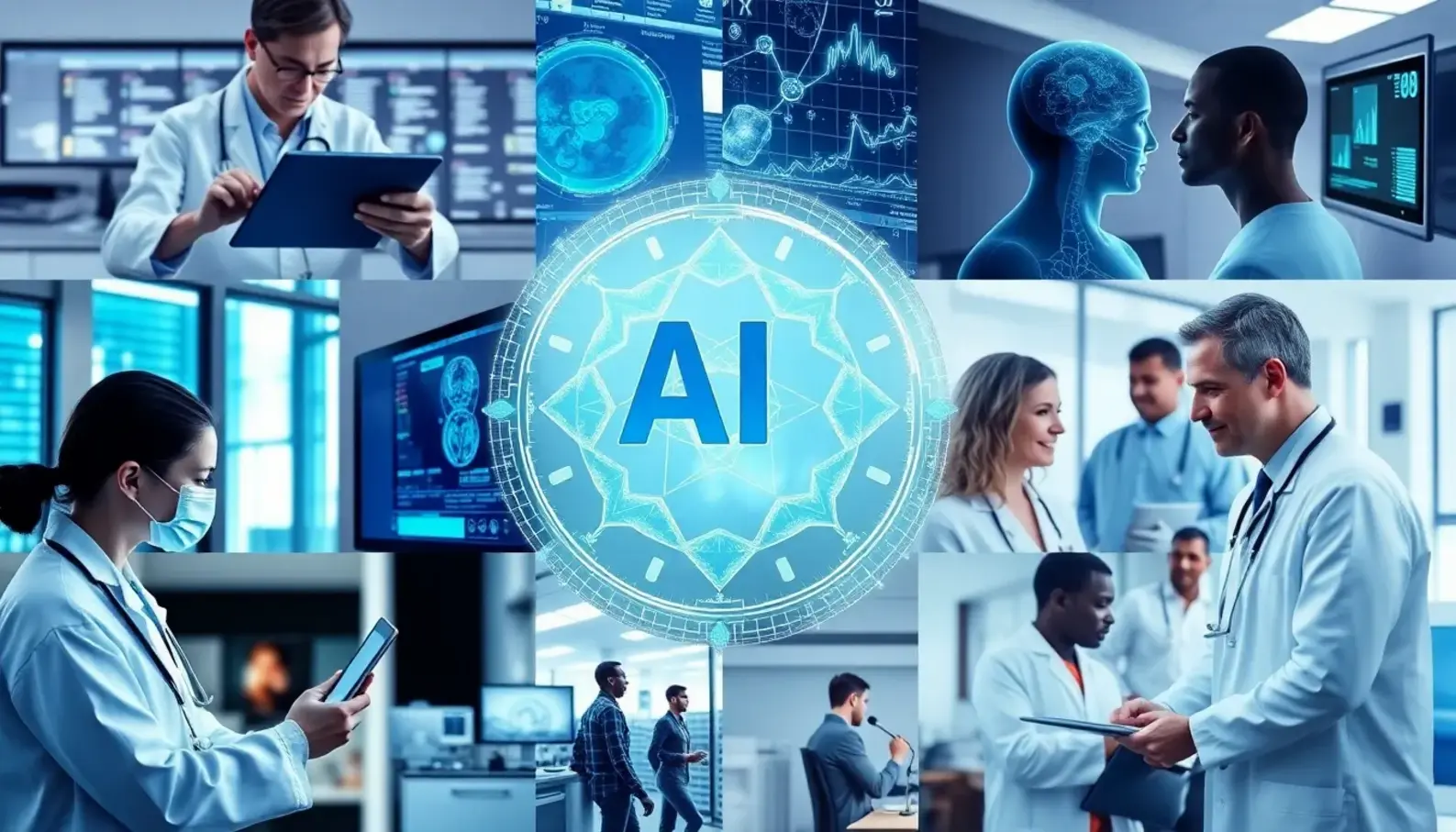
The transformative potential of AI-driven predictive analytics in healthcare is monumental, with real-world applications illustrating its impact across various facets of patient care. From disease prediction to resource allocation and personalized medicine, this chapter delves into case studies from diverse healthcare settings, showcasing how predictive analytics fosters improved decision-making.
Consider the case of disease prediction within hospital settings. One renowned institution employed an AI model to foresee sepsis, a life-threatening condition that arises when the body’s response to infection causes injury to its own tissues. By analyzing patient data, the model identified sepsis risk with greater accuracy than traditional methods. Implementing this predictive model enabled physicians to administer early interventions, reducing sepsis-related mortality by over 20%. The model analyzed various parameters from electronic health records like vital signs and lab results, flagging potential cases even before clinical symptoms became evident.
Resource allocation presents another domain where predictive analytics shows promise. A network of rural clinics faced challenges with staffing, often seeing resource shortages compromising patient care. By deploying an AI-based solution to predict patient influx, administrators could optimize staffing levels across clinics. Algorithms conducted time series analyses over historical patient visits, correlating it with external variables like flu season data and local events. As a result, clinics achieved more balanced team deployments and improved patient satisfaction ratings.
The strides made in personalized medicine owe much to AI’s capabilities to delve into genomic data. Imagine a scenario where a patient diagnosed with a specific type of cancer receives tailored treatment options. Through machine learning models that sift through genetic markers, oncologists can determine which therapies a patient might respond to best. This has shifted treatment plans from generic to bespoke, improving patient outcomes significantly. For example, AI analytics helped identify a subset of patients with rare mutations who benefited from a novel therapy, prolonging survival rates in an otherwise refractory disease.
The deployment of AI-driven technologies in healthcare isn’t devoid of challenges. One pressing issue revolves around data governance and integrity. With predictive analytics heavily reliant on vast datasets, ensuring data quality and consistency becomes paramount. Additionally, privacy concerns are amplified, particularly when handling sensitive health information. Thus, mastering the intricacies of data anonymization and consent management is crucial to maintaining patient trust.
Moreover, algorithmic bias poses another risk, where AI systems, trained on historical data, might perpetuate existing disparities, particularly affecting marginalized groups. In mitigating bias, healthcare systems must implement rigorous model validation protocols and ensure diverse data representation during the training phase.
Ethical considerations further complicate AI implementation. The question of accountability looms large—as healthcare decisions increasingly lean on AI, determining responsibility for outcomes becomes intricate. Would the onus lie on the developers, clinicians, or the healthcare facility? Collaborative efforts among stakeholders are essential to establish clear guidelines that delineate accountability frameworks as AI continues to evolve.
Despite these challenges, the immense potential of AI in healthcare analytics cannot be overstated. As predictive models become more sophisticated, their capacity to transform patient care scales new heights, offering foresight into disease patterns and unforeseen clinical exigencies.
For those interested in exploring broader AI innovations, the article “Generative AI Ethics” examines the ethical considerations comprehensively, relevant also within the healthcare analytics domain.
As healthcare systems worldwide increasingly adopt AI technologies, the symbiosis between human judgment and computational analytics promises a new era of medicine that is not just reactive but proactive, curating and tailoring therapeutic interventions with unprecedented precision.
Final words
As the healthcare industry embraces the power of AI in analytics forecasting, its potential to revolutionize patient care and operational efficiency becomes increasingly clear. By harnessing predictive insights derived from vast datasets, healthcare analysts and consultants can guide organizations towards better decision-making and enhanced outcomes. Adapting to this new landscape will not only improve healthcare delivery but also pave the way for innovative treatments and preventive strategies, ultimately fostering a healthier future for all.
Access our comprehensive case study to learn more about implementing AI in healthcare analytics forecasting.
Learn more: https://innoupdates.com
About us
Our company specializes in leveraging advanced analytics and AI technologies tailored to the healthcare industry. We empower organizations with sophisticated tools and insights that enhance decision-making processes, optimize patient care, and improve operational efficiency. Through a blend of data science and domain expertise, we help you navigate the complexities of healthcare analytics, ensuring you remain at the forefront of innovation while delivering superior care to your patients.