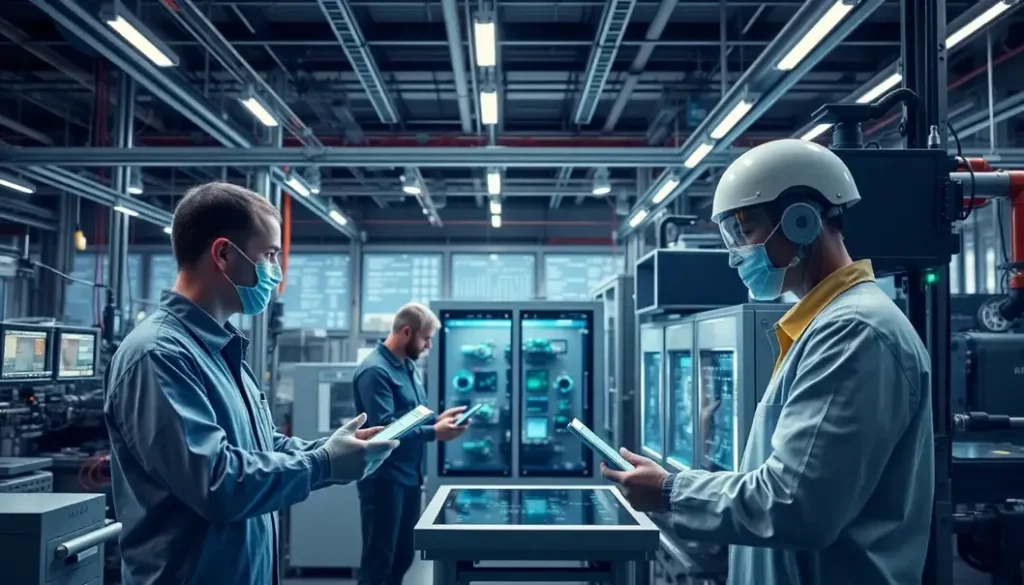
The integration of artificial intelligence (AI) in manufacturing is revolutionizing how industries operate, effectively enhancing productivity, efficiency, and quality control. Engineers are increasingly relying on machine learning algorithms, robotics, and data analytics to streamline operations and mitigate human error. As the manufacturing landscape continues to evolve, it’s crucial for manufacturing engineers to explore AI’s capabilities in automating processes, optimizing supply chains, and improving workforce allocation. This exploration not only fosters competitiveness but also paves the way for sustainable and intelligent manufacturing solutions.
Enhancing Production Efficiency with AI
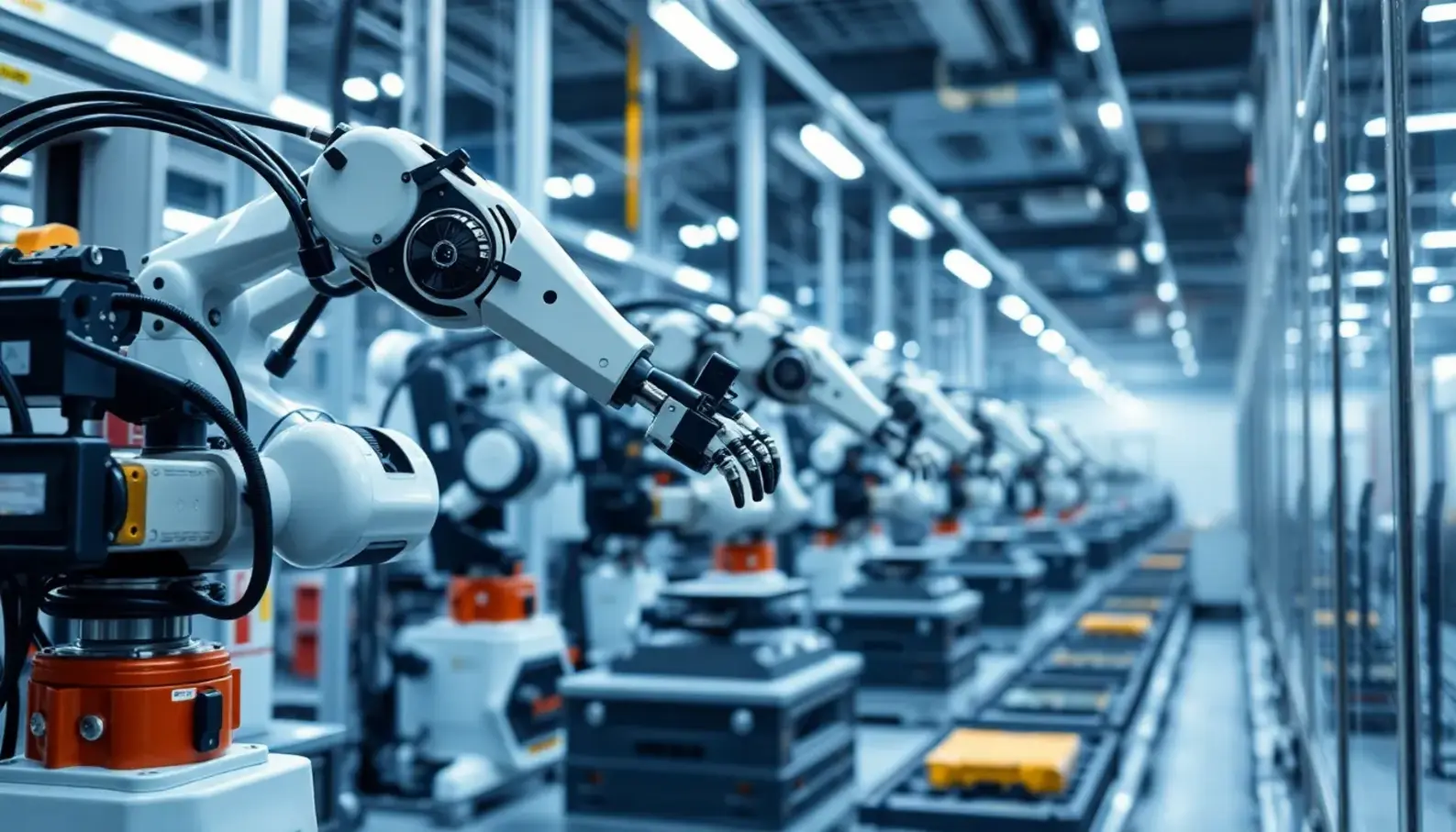
Artificial Intelligence (AI) is reshaping manufacturing by optimizing production lines with unparalleled efficiency. Among the most transformative technologies are predictive analytics and robotics, which serve as cornerstones in this paradigm shift. By leveraging these advancements, manufacturing engineers can significantly reduce downtime, minimize waste, and boost productivity in their operations.
Predictive analytics is a game-changer for manufacturing. It involves analyzing vast amounts of data to predict future events. This capability is invaluable in anticipating equipment failures before they occur. Traditional maintenance approaches often rely on reactive strategies, fixing issues only after they disrupt production. In contrast, predictive analytics allows for proactive maintenance, identifying potential failures well in advance and scheduling interventions at the most opportune times.
Consider a case study from a major automotive manufacturer. By integrating predictive analytics across their production lines, they reduced unexpected machine failures by 30%. The algorithm processed data from sensors and historical maintenance records to ensure each machine received timely attention. As a result, overall production efficiency improved, allowing the manufacturer to avoid costly delays and maintain a smooth supply chain.
Robotic automation, paired with AI, enhances production efficiency by handling tasks with precision and speed that far outpace human capabilities. These robots are adept at repetitive tasks, from assembly and welding to painting and packaging. The constant evolution of AI allows these machines to learn and improve their performance over time. Such abilities are instrumental in maintaining high output volumes with minimal errors.
In an electronics manufacturing plant, the deployment of AI-driven robotics increased throughput by 40%. By learning from errors in initial test runs, these robots quickly adapted their actions to minimize defects and significantly reduced the cycle time for each unit produced. Integrating robots not only reduced waste but also freed human workers to focus on more complex tasks that require critical thinking and problem-solving skills.
AI systems also contribute to optimizing supply chain management, another area critical to manufacturing success. By analyzing market trends, demand forecasts, and inventory levels, AI helps in determining optimal order quantities and restocking times. This insight minimizes the risk of overproduction and ensures resources are used effectively.
A promising example comes from a large-scale consumer goods company that embraced AI in its supply chain management. By predicting demand more accurately, the company reduced inventory holding costs by 25% while maintaining customer satisfaction. This balance between supply and demand, achieved through AI, underscores the technology’s potential to deliver more efficient and sustainable manufacturing operations.
Incorporating AI into quality control processes has also shown significant benefits. Machine vision systems, powered by AI, can inspect products far more quickly and accurately than human inspectors. This technology captures even the most minute defects, ensuring that only products that meet the highest quality standards make it through the production line.
For instance, a multinational pharmaceutical company improved its quality assurance practices using AI-enhanced inspection systems. The integration of machine vision reduced the rate of defects from undetected anomalies by 50%, saving millions in potential recalls and maintaining the company’s reputation for quality.
Moreover, AI helps in energy management, a crucial component in sustainable manufacturing. AI algorithms optimize energy use by predicting peak usage times and adjusting machinery operations accordingly. This reduces costs and lessens the environmental impact of production activities, aligning industrial operations with growing global sustainability goals.
The success stories and real-world applications of AI in manufacturing prove its capability to transform operations. Companies adopting these technologies have seen remarkable improvements in efficiency, cost savings, and sustainability. However, adopting AI requires thoughtful integration strategies and the support of skilled professionals adept at managing these advanced systems.
In conclusion, the seamless integration of AI technologies enhances production efficiency, catering to modern manufacturing demands. As AI continues to evolve, its applications will undoubtedly expand, promising even greater innovations and efficiencies in the manufacturing sector. For insights into how AI is transforming other industrial sectors, see AI in Business Growth.
AI-Driven Quality Control and Supply Chain Optimization
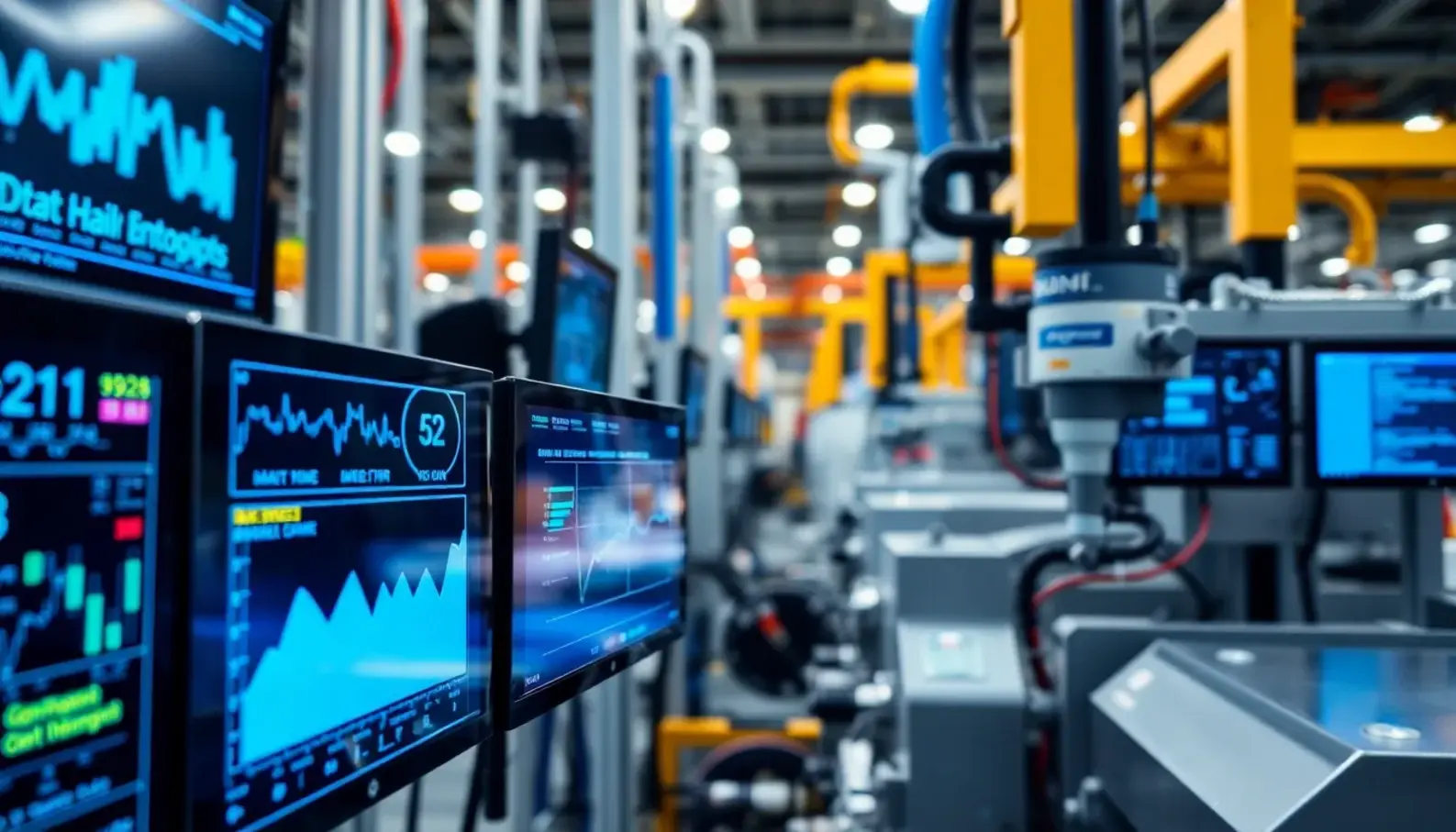
In the quest to maintain superior product standards, the integration of artificial intelligence in quality control represents a transformative approach in the manufacturing sector. AI enhances traditional methods through capabilities like image recognition and anomaly detection, significantly boosting the efficiency and precision of quality checks.
AI and Image Recognition in Quality Control
AI-powered image recognition systems can meticulously inspect products with a speed and accuracy far beyond human ability. By training algorithms on vast datasets, machine learning models identify defects that are hard to detect with the naked eye. This includes subtle imperfections that could compromise product quality. In practical terms, these systems reduce the need for manual inspections, freeing human resources for more complex problem-solving tasks. Thus, quality control not only becomes more efficient but also more reliable.
Anomaly Detection for Quality Assurance
Anomaly detection utilizes AI to identify deviations in product specifications or production processes. These systems continuously analyze data streams from various production stages. When they detect irregular patterns or data points, they alert operators to potential issues. This real-time monitoring allows manufacturers to address defects before they propagate, reducing waste and minimizing production stoppages. This proactive approach becomes paramount in maintaining consistent quality and operational efficiency.
Data Analysis for Improved Quality
Beyond identifying flaws, AI systems leverage data analysis to pinpoint root causes of defects. By systematically analyzing operational data, AI algorithms uncover patterns that suggest underlying issues. Manufacturers can then implement changes to processes or equipment to rectify these problems, leading to long-term quality improvements. The insights gained drive continuous improvement, fostering a culture of precision and excellence within manufacturing operations.
Optimizing Supply Chain Logistics with AI
AI’s role extends beyond quality control into supply chain optimization, where it significantly impacts logistics, forecasting, and inventory management. AI-driven systems provide predictive analytics that anticipate demand fluctuations, enabling manufacturers to adjust their production schedules accordingly.
Demand Forecasting
AI technologies analyze historical sales data, market trends, and external factors to build demand forecasts. This predictive capacity helps businesses align their production with expected demand, avoiding overproduction or stock shortages. Enhanced demand forecasting reduces the risk of inventory obsolescence while ensuring timely delivery to customers. The competitive edge gained from accurate demand predictions contributes to improved customer satisfaction and business growth.
Inventory Management
Effective inventory management capitalizes on AI’s capability to optimize stock levels. By analyzing purchase patterns and supplier lead times, AI systems can predict optimal reorder points and order quantities. This reduces holding costs and minimizes the risk of stockouts. Consequently, companies maintain leaner inventories, reducing the capital tied up in stock while maximizing supply chain responsiveness.
The Advantages of AI-Driven Systems in Manufacturing
Integrating AI into manufacturing offers significant benefits, including the ability to maintain high-quality standards and decrease operational costs. The automation of routine tasks improves efficiency, allowing workers to focus on strategic initiatives. Cost savings arise from reduced waste, minimized rework, and optimized resource use.
AI systems also provide valuable insights for continuous improvement, contributing to innovation and increased competitiveness. Automated data collection and analysis support informed decision-making, leading to faster responses to market changes and competitive pressures. For more insights on leveraging AI for business advancement, you can explore diverse strategies discussed here.
As AI continues to evolve, its role in manufacturing will expand, offering unprecedented opportunities for optimization throughout the entire production lifecycle. Harnessing these technologies will be vital for manufacturers striving to remain at the forefront of the industry, ensuring their operations are resilient, efficient, and sustainable.
Final words
The incorporation of AI into manufacturing processes presents an unprecedented opportunity for engineers to enhance productivity, streamline operations, and maintain superior quality control. As these technologies evolve, embracing AI will enable engineers to effectively address challenges and capitalize on efficiencies that propel their organizations toward greater success. Staying abreast of innovations in AI will ensure that manufacturing remains agile and competitive in a rapidly changing marketplace.
Request a Demo of Our AI Manufacturing System
Learn more: https://innoupdates.com
About us
Manufacturing AI & Robotics solutions designed to optimize manufacturing processes through intelligent automation, quality control, and supply chain management.