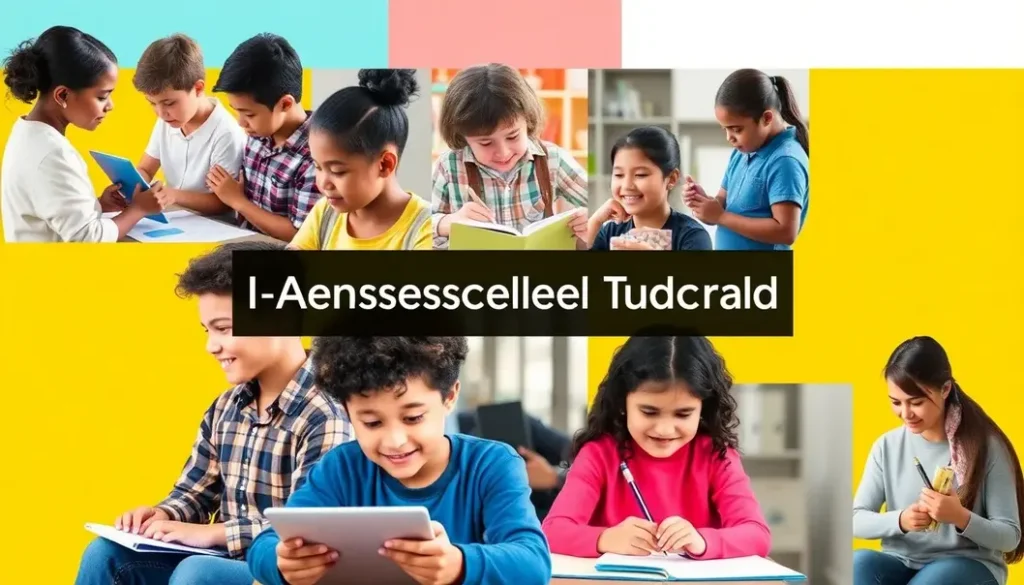
Artificial Intelligence is revolutionizing the educational landscape, presenting remarkable opportunities for personalized learning. With its ability to analyze student performance data, adapt content to individual needs, and provide tailored feedback, AI becomes a powerful tool in educators’ hands. Learning platform developers can also harness these innovations to create more engaging and effective learning experiences. This seamless integration fosters a nurturing environment where every learner has the chance to thrive. Educators and developers alike must explore how to leverage AI effectively to craft personalized educational journeys that address unique learning styles and paces.
Understanding AI’s Role in Personalized Learning
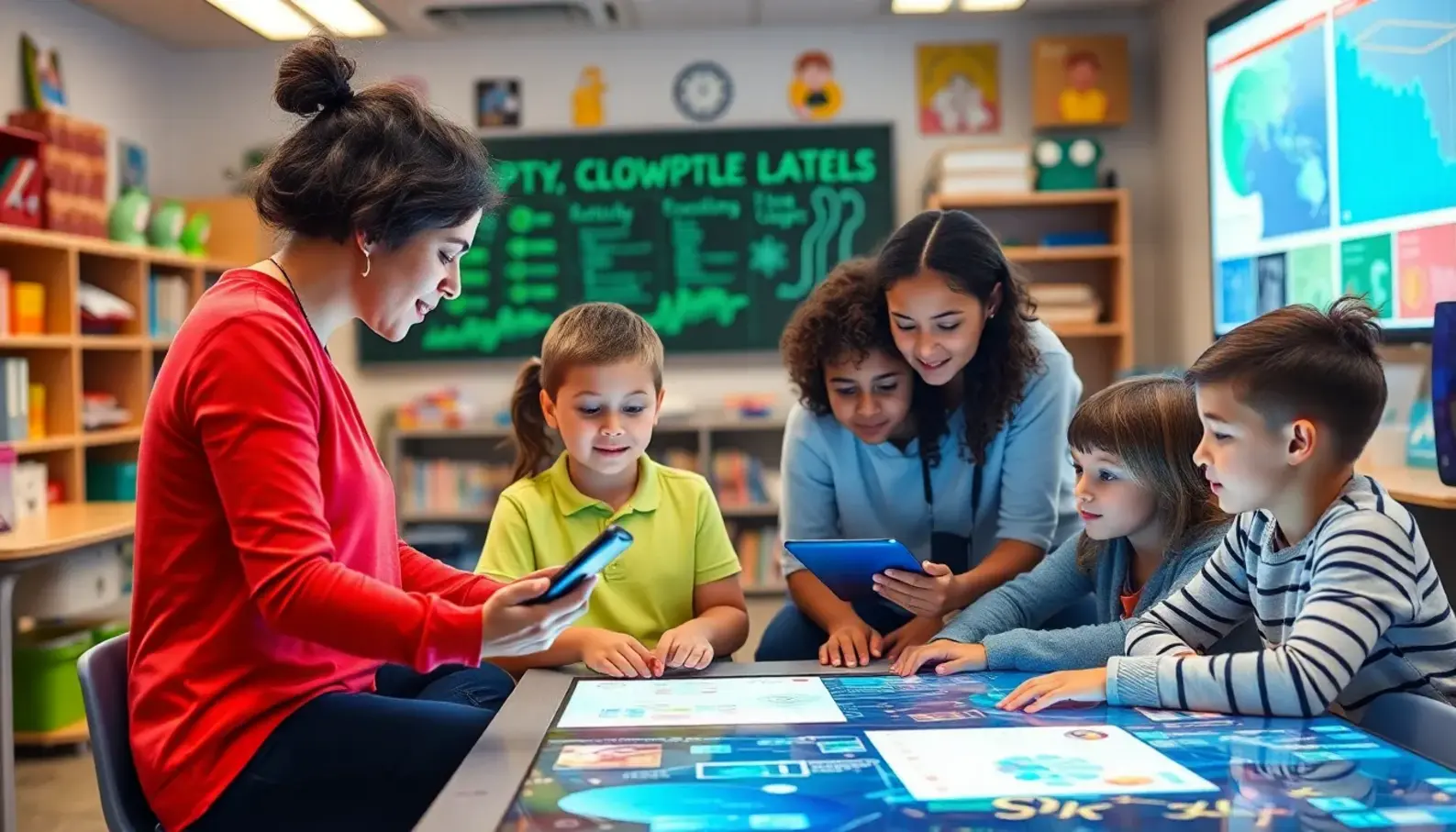
Artificial Intelligence is redefining educational landscapes by offering seamless, personalized learning experiences that adapt to the individual needs of students. Through intricate machine learning algorithms and data analytics, AI tailors educational content, ensuring that each student’s unique learning pace and style is respected.
AI-driven personalized learning begins with data collection, harvesting vast amounts of information on student behavior, performance, and preferences. This data feeds into sophisticated machine learning models that predict student needs and customize learning paths accordingly. For instance, a student lagging in specific math skills may receive additional practice problems, while another excelling in history might be challenged with advanced reading materials.
Imagine a virtual tutor, deeply understanding a student’s strengths and weaknesses, providing contextual feedback in real-time. This is the realm of adaptive learning technologies, where AI dynamically adjusts content based on ongoing assessment. The innovation lies in their ability to present information in a variety of formats—be it text, video, or interactive simulations—enhancing engagement and comprehension.
By continuously monitoring students’ progress, AI systems can promptly identify when a learner is struggling. Learning gaps are detected through pattern recognition, enabling timely interventions. Educators are then equipped with actionable insights, ensuring support is personalized and effective. Moreover, these systems can suggest tailored instructional strategies, aligning with each student’s goals.
Assessment, traditionally a once-in-a-term activity, transforms into a continuous evaluation process with AI’s capabilities. Through methods such as predictive analytics, outcomes are forecasted, allowing preemptive measures to be taken. This means assessments evolve beyond mere grading, enabling a thorough understanding of students’ cognitive and emotional engagement.
Moreover, AI helps educators by reducing administrative tasks, offering robust analytics and dashboards that save time and effort. This frees educators to focus their energy on high-impact teaching activities. The blend of AI and human expertise creates a symbiotic relationship that leverages the best of both worlds.
The pathways AI creates are not just linear; they offer differentiated instruction that adjusts to each learner’s pace. Strengthening this interrelationship, AI brings an unprecedented level of flexibility, allowing students to explore subjects at their own rhythm and in their unique style.
The role of AI extends beyond addressing current educational gaps. By using predictive tools, it identifies emerging trends within the classroom, foreseeing needs before they become apparent. This foresight empowers educators with the necessary tools to evolve and adapt teaching strategies seamlessly.
For educators, understanding these technologies might seem daunting. However, the integration of AI does not intend to replace, but rather enhance human educators. The goal is to create an environment where teachers can refine their craft, supported by powerful data-driven insights.
Even as AI continues to revolutionize educational methodologies, ethical considerations play a crucial role. Privacy, data security, and bias are central areas of concern that must be addressed. Ensuring AI systems operate transparently and equitably is paramount to trust and efficacy.
In terms of future possibilities, AI not only promises to understand current educational landscapes but also to build the learning ecosystems of tomorrow. These technologies link to the broader realm of innovative tech in education, as discussed in EdTech Personalization.
Ultimately, AI’s potential in personalized learning signifies a transformative phase in education. It equips educators with the capacity to deliver unique, personalized experiences, meeting the diverse needs of future generations.
Implementing AI for Engaging Learning Experiences
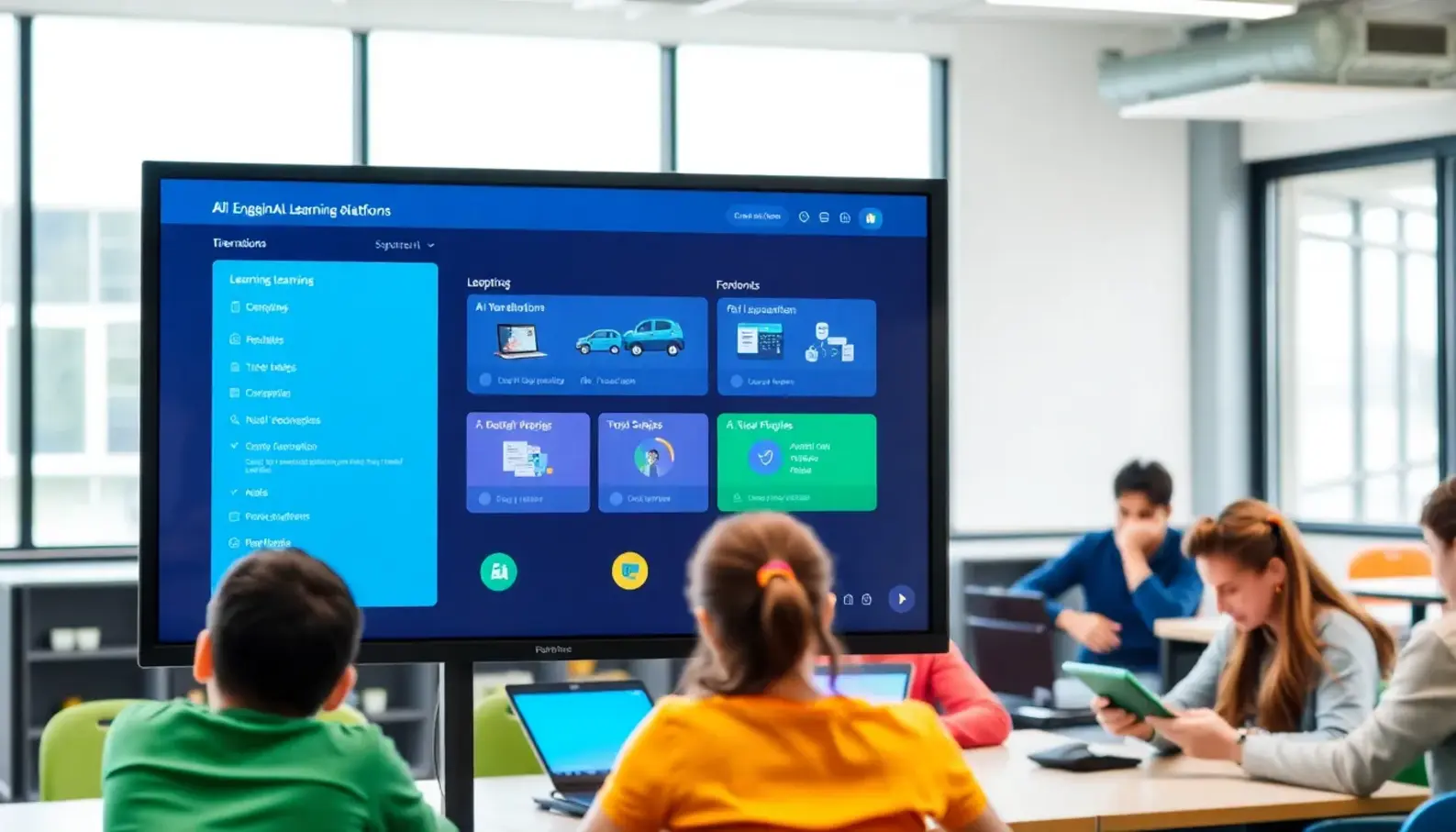
Incorporating artificial intelligence into educational platforms offers transformative opportunities for creating engaging and personalized learning experiences. The convergence of AI technologies, such as machine learning, natural language processing, and predictive analytics, enables educators to tailor educational content to individual student needs. By doing so, it not only enhances engagement but also supports a variety of learning styles and paces.
One major strategy for integrating AI into educational platforms is the use of interactive content. AI can dynamically adapt the content presented to learners based on their progress and responses. This can be particularly beneficial in subjects where problem-solving paths may vary widely among students. For example, when studying mathematics or science, AI can provide alternative explanations or problems that reflect a student’s learning style or difficulty level. This adaptability fosters an environment where engagement remains high as content remains challenging yet understandable.
Intelligent tutoring systems (ITS) are another powerful application of AI in education. These systems simulate a personalized tutor experience, guiding students through complex subject matter and providing insights based on their interactions. ITS can identify and respond to learners’ strengths and weaknesses, offering targeted interventions that traditional classroom settings may not allow due to resources or time constraints. With AI analyzing large datasets of student performance, these systems can offer immediate feedback to learners, which is essential for effective skill acquisition and retention.
Building AI systems which can provide instant and feedback-driven assessments is critical for engagement. This system rigorously analyzes student input, not just for correctness, but also for process and reasoning. AI can identify patterns in mistakes, offering corrective advice and subsequent exercises that focus on areas needing improvement. This continual feedback loop not only motivates learners by immediate evaluation but also personalizes their learning journey based on real-time analytics.
A critical aspect of these AI implementations involves effective user interface (UI) design. The UI must be intuitive to ensure that users, regardless of age or technical prowess, can navigate and utilize the system efficiently. Designers should focus on minimalism and clarity, avoiding cluttered interfaces that might overwhelm users. Employing adaptive UI elements that can change based on the users’ interactions exemplifies how AI can optimize the learning experience, accommodating the diverse needs and preferences of various learners.
Moreover, AI pedagogy—an educational philosophy that emphasizes learner-centric AI applications—plays a crucial role. It suggests that AI should not only deliver content but also coach learners on how to engage critically and creatively. This could involve AI challenging students to think beyond standard curriculum questions, promoting divergent thinking and innovation. Through AI pedagogy, students learn to interact with technology not just as passive recipients but as active contributors to their educational pathways.
Importantly, these AI tools offer profound implications for creating a more inclusive learning environment. AI has the potential to assist students with disabilities by offering tailored interactions and support. For instance, voice recognition and synthetic speech can facilitate learning for those with visual impairments, while personalized timing and sequence adjustments help students with attention deficits maintain focus.
Implementing AI in education platforms should also focus on learning analytics to ensure equitable access to high-quality education for all. By analyzing data points from diverse learner demographics, AI can help educators understand and address potential inequities in educational outcomes, ensuring that content is not only engaging but also equitable.
To conclude, harnessing AI to create engaging and adaptable learning experiences is a multifaceted endeavor. By leveraging technologies like intelligent tutoring systems and interactive content underpinned by robust user interface design, educators can maintain high levels of engagement across diverse learning needs. Incorporating AI pedagogy ensures that AI systems remain learner-focused, cultivating critical engagement with technology. By focusing on these innovative strategies, educators can create enriching, inclusive, and effective educational experiences.
For those interested in further exploration of AI’s profound impact on education and beyond, visiting this link can provide additional insights into the ongoing evolution of educational personalization technologies.
Final words
AI stands at the forefront of personalized education, offering innovative tools to enrich learning experiences. Educators and developers are equipped to create dynamic, adaptive curriculums that meet the distinct needs of each student. By embracing these advancements, the educational community can foster a future where every student receives a customized learning journey designed for success.
Create Personalized Learning Experiences with AI
Learn more: innoupdates.com
About us
AI-driven Educational Software and Platforms designed to provide tailored learning experiences for students, enhancing engagement and fostering individual growth.