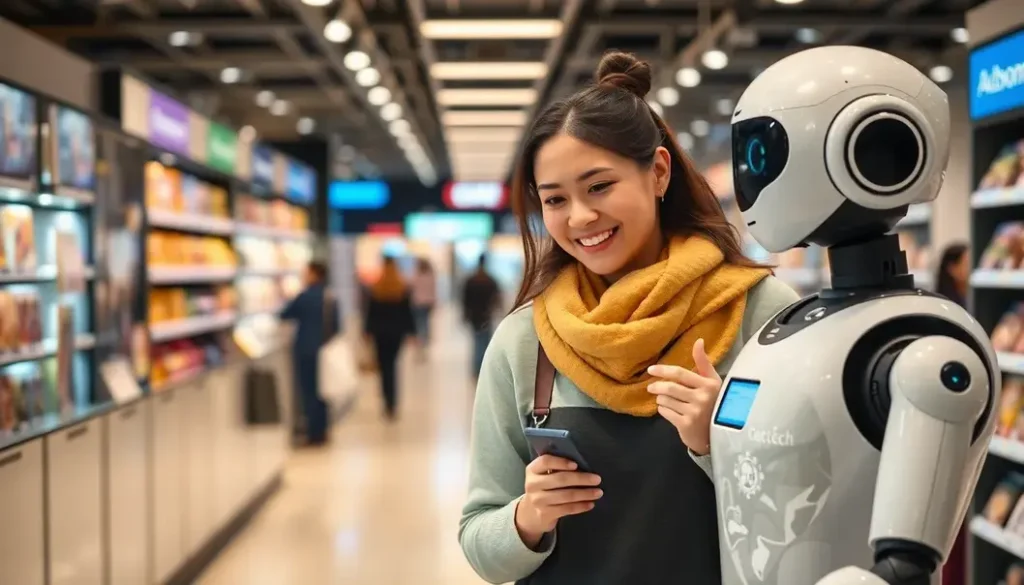
The fusion of artificial intelligence (AI) within retail is not merely a trend; it represents a seismic shift in how businesses interact with customers. By leveraging AI-driven insights and technologies, retailers can create personalized experiences that meet consumer demands, streamline operations, and optimize inventory management. The question is no longer whether to integrate AI, but how to do it effectively. This exploration delves into the practical integration of AI technologies, the innovative solutions that enhance customer experience, and the strategic benefits that lead to a competitive advantage.
Understanding AI’s Role in the Retail Experience
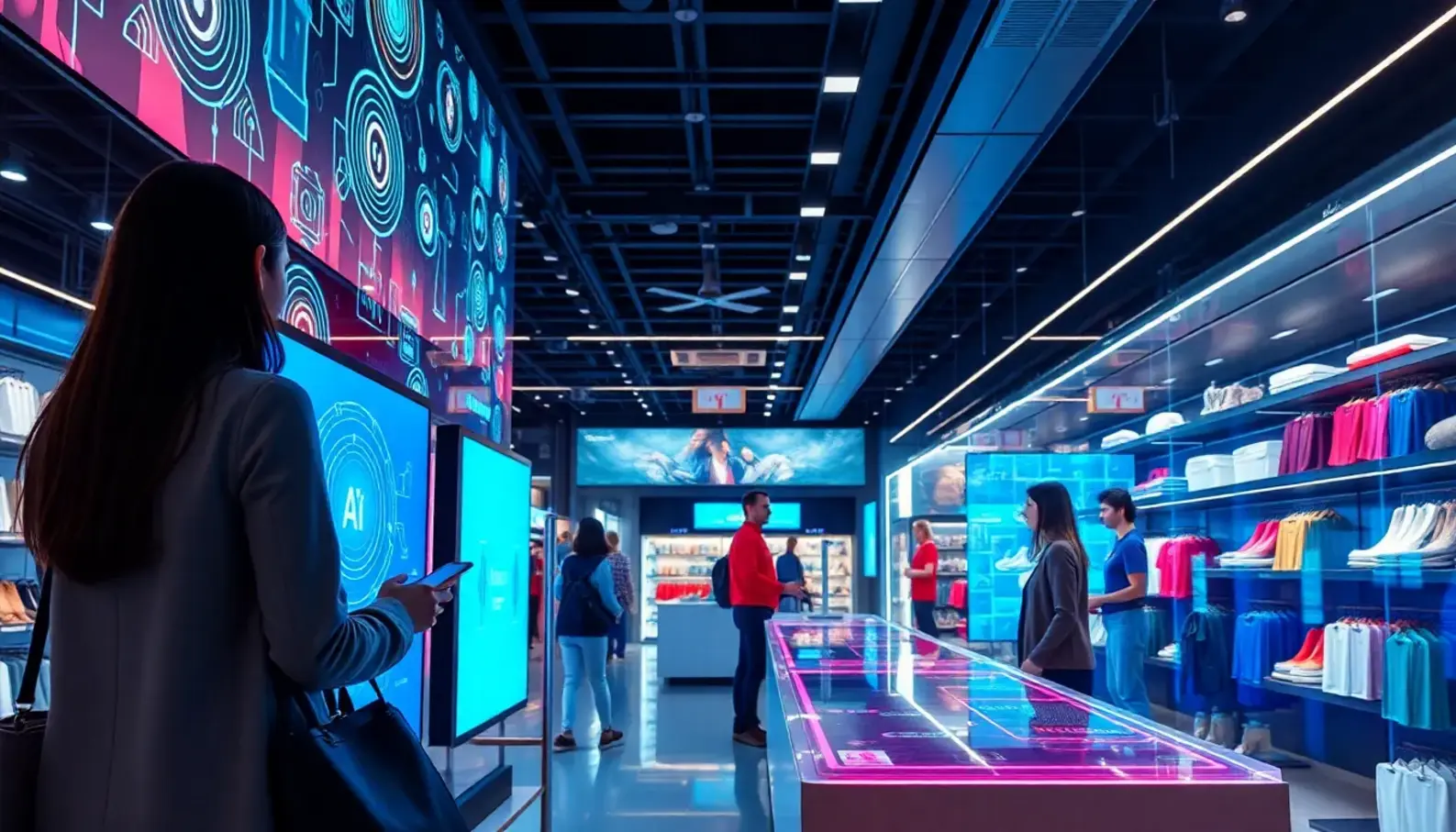
Artificial Intelligence (AI) has cemented its place as a transformative force in retail. The technological integrations of machine learning, natural language processing (NLP), and data analytics are reshaping how retailers interact with customers, optimize operations, and personalize offerings.
Machine Learning plays an essential role in understanding consumer behavior patterns. It processes vast amounts of data, enabling retailers to anticipate customer needs and preferences. For instance, by analyzing purchase history and browsing patterns, machine learning algorithms generate personalized product recommendations, thus enhancing customer satisfaction and driving sales. This not only tailors the shopping experience but also assists retailers in developing dynamic pricing strategies, which can adapt in real-time to market demands and competition.
In customer service, AI proves invaluable with the integration of NLP. Chatbots and virtual assistants, powered by NLP, provide immediate support by understanding and responding to customer inquiries in natural language. These AI-driven tools handle routine queries efficiently, allowing human employees to focus on more complex interactions. Enhanced with deep learning techniques, NLP applications grow more sophisticated, capable of understanding context and emotional nuances, thus offering a more human-like interaction.
Data Analytics serves as the backbone of modern retail strategies, generating insights from various data streams such as sales transactions, customer feedback, and social media activity. This comprehensive analysis helps retailers understand emerging trends and consumer demand shifts. By leveraging these insights, businesses can make informed decisions about product assortments and marketing strategies, ensuring they meet the market’s evolving needs.
Another significant area where AI exhibits its potential is inventory management. Machine learning algorithms predict demand with substantial accuracy, minimizing overstock and stockouts. AI systems analyze patterns in sales and seasonal fluctuations, helping retailers maintain optimal inventory levels. These predictive analytics reduce costs associated with excess inventory and lost sales, creating a more efficient supply chain.
AI’s ability to personalize the shopping experience is unprecedented. Retailers can craft personalized marketing campaigns that resonate with individual customers. Through data-driven insights, AI identifies optimal touchpoints and messaging strategies, ensuring marketing efforts are both timely and relevant. This personalization extends to in-store experiences, where AI solutions tailor promotions and product information to the individual shopper.
Efficiency is another hallmark benefit of AI in retail. Automated systems streamline processes, from order fulfillment to customer service, significantly reducing operational costs and human error. This automation extends to backend operations, such as robotic process automation in warehouses, where AI systems manage inventory and fulfill orders with precision and speed.
By embedding AI technologies into retail operations, businesses are poised to create a seamless customer experience. AI not only enhances existing processes but also unlocks new opportunities for innovation and growth. Retailers who leverage the full potential of AI, aligning technology with customer-centric strategies, will increasingly lead in a competitive market.
For more insights into applying AI in business, particularly how it drives growth and innovation, visit this AI in Business Growth link for comprehensive strategies and approaches.
Innovative AI Solutions Reshaping Retail Operations

Artificial intelligence is setting the stage for a transformative shift in retail operations. At the forefront of this evolution are advanced inventory management systems, predictive analytics, and automated customer service solutions, all contributing to enhanced operational efficiency and heightened customer satisfaction.
Advanced Inventory Management Systems
Retailers are leveraging AI-powered inventory management systems to manage stock levels more effectively. These systems use machine learning algorithms to predict demand with exceptional accuracy. By analyzing historical sales data, seasonal trends, and even external factors like weather patterns, these systems prevent overstock and stockouts. This fine-tuning of inventory levels reduces waste, optimizes storage costs, and ensures that products customers desire are always available.
For instance, a major global retailer implemented an AI system to predict demand for particular SKUs during peak seasons. This implementation significantly reduced waiting times for popular items, achieving a 25% decrease in stockout occurrences. It exemplifies how AI can enhance supply chain fluidity and directly impact customer satisfaction by aligning stock with consumer expectations.
Predictive Analytics for Sales Forecasting
AI-driven predictive analytics play a pivotal role in retail sales forecasting. By processing vast amounts of data, including consumer behavior, social media trends, and economic indicators, these tools provide nuanced insights into future sales patterns. Retailers can adjust marketing strategies and promotional offers based on these forecasts to maximize revenue during crucial time frames.
For example, a leading fashion retailer utilized predictive analytics to anticipate the impact of a social media influencer campaign. The retailer accurately forecasted a 30% sales increase in targeted demographics by syncing promotional efforts with AI-generated insights. Such data-driven decisions enhance profitability and foster a strategic alignment between marketing and sales functions.
Automated Customer Service Solutions
Customer service is another domain where AI is making waves, primarily through automation. Chatbots, powered by natural language processing (NLP), are revolutionizing how retailers interact with customers. These AI assistants provide 24/7 customer support, promptly answering inquiries and resolving issues, thereby enhancing the overall customer experience.
Retailers have successfully used AI to reduce human resource costs by deploying chatbots that handle a large volume of routine queries, allowing human agents to focus on more complex customer service tasks. A case study involving a global electronics chain showed that integrating chatbots into their service platform reduced response times by 50% and increased customer satisfaction scores significantly.
Case Studies Demonstrating Successful Integration
One notable example is a top-tier e-commerce platform that adopted a comprehensive AI-driven strategy across its operations. By integrating AI in inventory management, sales forecasting, and customer service, the company saw a 40% improvement in operational efficiency within the first year. Moreover, customer feedback surveys indicated an 18% increase in satisfaction rates, largely attributed to the seamless customer service experience and better product availability.
Another example involves a brick-and-mortar retailer that incorporated AI to refine its inventory tracking system. With RFID technology and AI algorithms, they achieved a nearly flawless accuracy rate in inventory counts, significantly reducing shrinkage and stock discrepancies. They realized a 15% increase in sales due to improved inventory management, showcasing how integrating AI technologies optimizes both backend operations and customer-facing processes.
Furthermore, the importance of a proper understanding of AI ethics in business cannot be overstated. As illustrated in the evolving landscape of AI deployment across sectors, including retail, considerations of privacy and ethical responsibility are paramount (source: AI in Business Growth).
Integrating AI into retail operations is more than a technological upgrade; it is a strategic imperative. As these innovative solutions continue to evolve, retailers adopting AI will be well-positioned to meet and exceed customer expectations and operational benchmarks.
Strategic Implementation of AI: Challenges and Opportunities

Successfully integrating AI into retail requires a strategic approach that goes beyond technology adoption. Beyond the allure of enhanced customer experience, retailers must first evaluate their data infrastructure and ensure its robustness. This includes focusing on data privacy and security to mitigate potential breaches. As customer trust becomes increasingly fragile, retailers should prioritize transparent data usage policies, ensuring customers understand how their data is collected and used.
Data privacy concerns are paramount. Retailers should implement strong data encryption measures and access controls. Moreover, adhering to regulations like GDPR not only fosters trust but also prevents legal repercussions. Clear communication with customers about data handling practices can reinforce loyalty and engagement, turning potential challenges into opportunities.
Change management presents another significant hurdle. Employees may fear job displacement due to AI implementation, potentially leading to resistance. Retailers can counter this by investing in employee training programs that highlight AI as a tool to enhance productivity rather than replace human roles. Creating environments where staff are encouraged to provide input during the AI integration process can also ease transition.
Effective change management involves strategic communication. Retailers should clearly articulate AI’s benefits, such as automating repetitive tasks and providing deeper customer insights, allowing employees to focus on more meaningful interactions. This not only improves staff morale but also enhances the overall customer experience.
Retailers can seize numerous opportunities by embracing AI. One such opportunity lies in personalized customer experiences. AI can analyze consumer behavior and preferences, tailoring product recommendations to individual needs. This level of personalization can foster brand loyalty by demonstrating a deep understanding of customer needs.
Enhanced inventory management is another advantage. AI algorithms can predict demand patterns, optimizing stock levels and reducing both shortages and surpluses. This not only reduces waste but also ensures customers find what they need when they visit either a physical store or an online platform.
Moreover, AI-powered chatbots and virtual assistants are transforming customer service. They provide 24/7 support, addressing common queries promptly and efficiently. This not only reduces wait times but also allows human staff to focus on complex issues that require personal attention.
Differentiation in a competitive market can be achieved through innovative AI applications. Retailers utilizing AI for immersive experiences—such as augmented reality try-ons—can captivate tech-savvy consumers. Providing a unique customer journey by integrating cutting-edge technology can set brands apart from their competitors.
Ultimately, the strategic implementation of AI in retail hinges on choosing the right technologies to align with business goals, addressing privacy concerns proactively, and adopting a comprehensive change management approach. This creates a foundation for sustainable growth and a loyal customer base.
Understanding both the challenges and opportunities of AI in retail can offer insights into broader applications across various sectors. For more insights on AI adoption beyond retail, exploring strategies such as AI-in-business-growth can provide valuable perspectives.
As the retail landscape continues to evolve, those who can seamlessly integrate AI into their business model will not only enhance operational efficiency but also redefine customer engagement, setting new benchmarks in the industry.
Final words
AI integration in retail is not just a possibility; it is a necessity for future success. As businesses navigate the complexities of consumer expectations and operational efficiency, the informed application of AI technologies will lead to richer customer experiences and optimized retail environments. The effective harnessing of AI is poised to distinguish forward-thinking retailers in a crowded marketplace.
Start your journey towards AI integration in retail with our free trial!
Learn more: innoupdates.com
About us
At Innoupdates, we provide comprehensive AI solutions tailored for the retail industry. Our services include AI-driven analytics, customer engagement platforms, and inventory management tools designed to streamline operations and enhance customer experiences. By leveraging our expertise, retailers can navigate the complexities of AI integration effectively, driving growth and innovation across their operations.