
Artificial Intelligence (AI) is reshaping the way retailers engage with consumers. Through advanced research methodologies, retailers can tap into AI’s potential to personalize services, streamline operations, and analyze consumer behavior. As the retail landscape becomes increasingly competitive, leveraging AI becomes crucial in fostering an enriched customer experience.
Understanding the Role of AI in Retail Experience Research
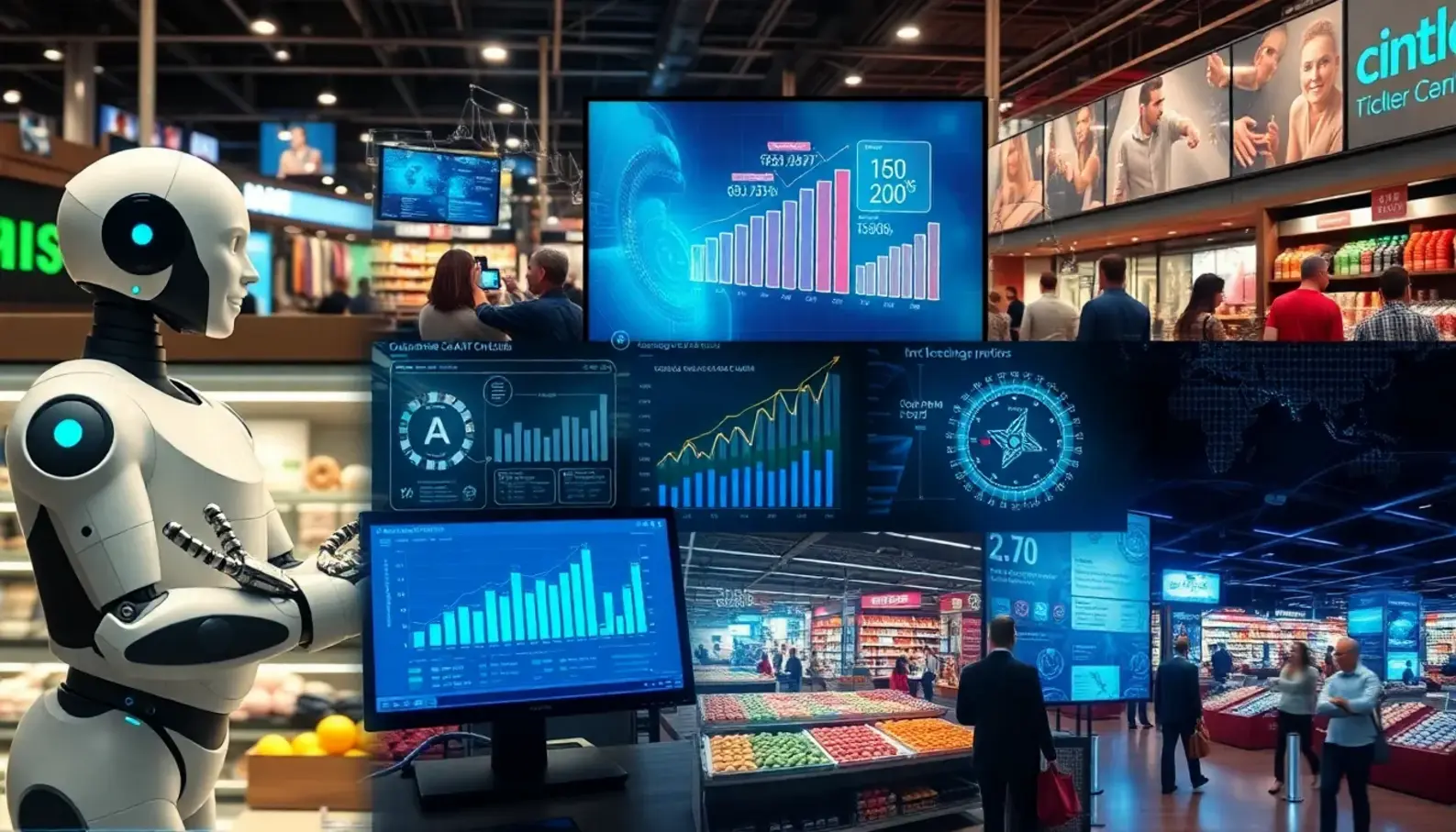
Artificial intelligence is transforming the retail experience by providing profound insights into consumer behavior, preferences, and market trends. By integrating AI technologies, retailers can dissect vast data, identify meaningful patterns, and anticipate future consumer needs. Through the use of predictive analytics, AI can forecast purchasing trends, enabling retailers to optimize their inventory and tailor their offerings.
Predictive analytics leverages historical sales data, seasonal changes, and social media trends to generate accurate demand forecasts. This foresight helps retailers minimize stockouts or overstock situations, thereby improving the balance between supply and demand. Advanced machine learning algorithms further enhance these predictions by continuously learning from new data and refining the accuracy of the forecasts.
Machine learning goes beyond simple predictions. It automates the analysis of consumer data to uncover intricate relationships between various factors affecting purchasing decisions. By clustering consumers into distinct segments based on buying behavior, preferences, or demographics, machine learning models enable highly personalized marketing strategies. These personalized approaches can significantly enhance customer engagement and increase conversion rates.
Natural Language Processing (NLP) also plays a pivotal role in understanding the voice of the customer. By analyzing text data from emails, reviews, and social media, NLP reveals consumer sentiment and identifies key trends affecting customer satisfaction. This analysis allows retailers to adjust their offerings and strategies in real time, fostering a more responsive and customer-oriented business model.
Integrating AI into retail strategies requires a nuanced understanding of existing workflows and data architectures. Retailers must identify areas where AI tools can provide the most value and seamlessly incorporate these technologies into their operations. This might involve upgrading infrastructure to support data-intensive processes or training staff to leverage AI-driven insights effectively.
AI also facilitates enhanced customer interaction through digital platforms. For example, AI-powered chatbots provide round-the-clock service, answering queries and assisting in transactions. These chatbots learn from each interaction, progressively improving their ability to mimic human conversation and provide relevant suggestions to shoppers.
Moreover, AI’s role in loyalty programs cannot be overstated. By analyzing customer purchase data and behavior patterns, AI can tailor rewards and offers that best resonate with individual shoppers, increasing their likelihood of repeat purchases and brand loyalty.
The incorporation of AI in retail is not merely about efficiency; it transforms the consumer experience by making it more engaging and personalized than ever before. Retailers that harness AI effectively can provide an experience that is tailored, timely, and in tune with customer expectations, enhancing both satisfaction and loyalty.
To explore how AI collaborates with other innovative technologies to drive business growth, visit this article on AI in business growth. Ensuring that AI tools are ethically implemented and aligned with consumer privacy expectations is also crucial. Retailers must strike a balance between technological innovation and ethical considerations, cultivating trust while pursuing advanced analytical capabilities.
As AI continues to evolve, its potential to shape the retail landscape grows. Retailers that successfully integrate AI into their operations will not only enhance efficiency but also redefine customer engagement, setting new benchmarks for the future retail experience.
Implementing AI Solutions for Enhanced Customer Engagement

Developing a robust AI strategy begins with a clear understanding of the specific goals a retailer aims to achieve. This involves mapping customer journeys and identifying key touchpoints where AI can add value. Start by pinpointing operational inefficiencies or customer service gaps that could benefit from automation or advanced data analysis. Engage stakeholders across the organization to ensure alignment and support for AI initiatives.
Once clear objectives are defined, selecting the appropriate AI tools becomes essential. Retailers should evaluate AI solutions based on scalability, compatibility with existing systems, and ease of integration. Tools for personalized recommendations, chatbots, and demand forecasting are particularly beneficial in enhancing customer engagement. Retailers must choose tools that can process large data volumes efficiently, ensuring real-time response capability.
Training staff to work effectively alongside AI technology is a crucial step in implementation. Employees must understand AI capabilities and limitations to fully leverage these tools. Retailers can organize workshops and continuous learning sessions that focus on technology integration and skills development, fostering a culture of innovation and adaptability.
Effective data collection methods underpin successful AI deployments. Retailers should implement data governance frameworks that ensure data quality and compliance with privacy regulations. Invest in technologies that enable data capture across multiple customer interaction points, including online platforms and physical stores. Employing robust data analytics will help extract meaningful insights, driving more informed decision-making.
Real-world examples of AI adoption in retail highlight significant improvements in customer engagement and sales conversions. One success story involves a major online retailer that integrated AI-driven chatbots to provide 24/7 customer support. This implementation reduced response times and increased customer satisfaction by offering instantaneous assistance. Another retailer employed AI to analyze buying patterns, optimizing inventory and personalizing product recommendations, which resulted in a notable spike in sales.
AI has also been instrumental in streamlining operations, reducing costs, and enhancing logistical efficiency. By leveraging AI-powered forecasting tools, retailers can better anticipate demand, minimizing overstock and stockouts. This not only enhances customer satisfaction but also reduces environmental impact by minimizing waste, aligning with the growing consumer demand for sustainable practices.
Despite these advantages, retailers may encounter challenges in AI implementation, such as data privacy concerns and technical integration obstacles. To overcome these, retailers should work closely with IT and legal teams to establish strong data protection measures. Ensuring data privacy through anonymization techniques and transparent customer communication can build trust and encourage data sharing.
Technical hurdles can be addressed by partnering with AI vendors that offer robust support and integration services. Retailers can also pursue hybrid computing strategies to seamlessly integrate AI into existing infrastructures. Building cross-functional teams with diverse expertise will enhance problem-solving capabilities, driving more effective and agile AI implementations.
In conclusion, by developing a tailored AI strategy, selecting the right technologies, training staff, and implementing comprehensive data strategies, retailers can significantly enhance customer engagement. Through careful planning and execution, AI can transform retail operations, fostering deeper connections with customers and creating more personalized experiences.
For further exploration on how AI is impacting business growth across various sectors, you can visit this insightful article on AI in Business Growth.
Final words
AI is no longer an option but a necessity in retail experience research. By understanding its role and implementing effective solutions, retailers can not only enrich customer interactions but also drive sales and loyalty. Embracing AI enables businesses to remain competitive in an evolving market landscape, equipping them with the tools to analyze and respond to consumer needs swiftly.
Start Free Trial
Learn more: https://innoupdates.com
About us
Our company offers comprehensive AI solutions tailored for the retail industry, including customized analytics tools, customer engagement platforms, and consultation services to help retailers integrate AI seamlessly into their operations for improved performance and customer satisfaction.