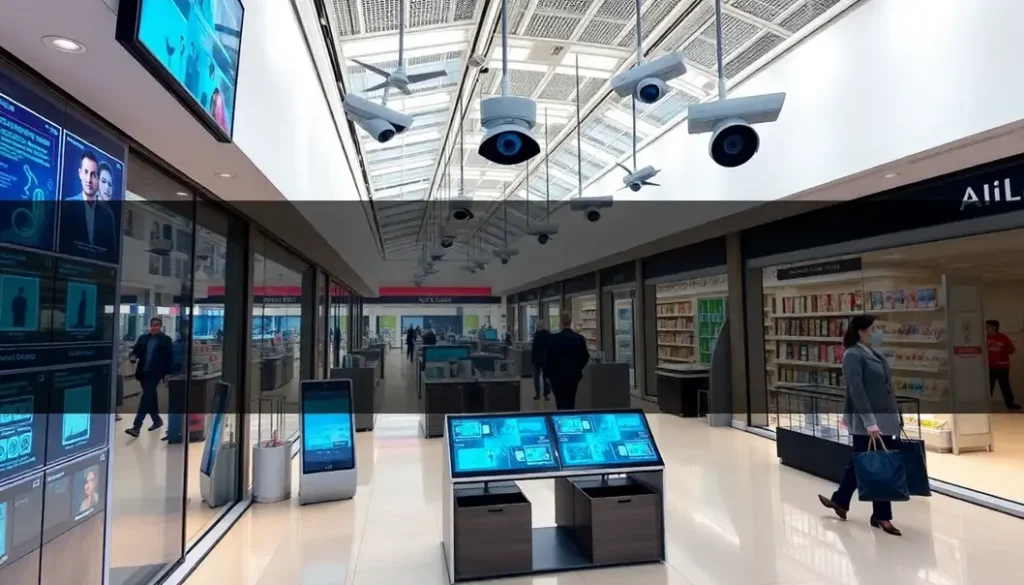
The retail industry is undergoing a profound shift, where traditional methods of ensuring customer and employee safety are being integrated with advanced AI technologies. As consumer expectations evolve, harnessing AI capabilities not only guarantees a seamless shopping experience but also fortifies the safety of those within retail environments. This integration is vital for maintaining customer trust and operational efficiency in a post-pandemic landscape, where safety is paramount. Engineers and marketers alike must focus on pioneering AI-driven security measures that address current vulnerabilities while enhancing overall retail performance.
AI-Driven Surveillance Systems
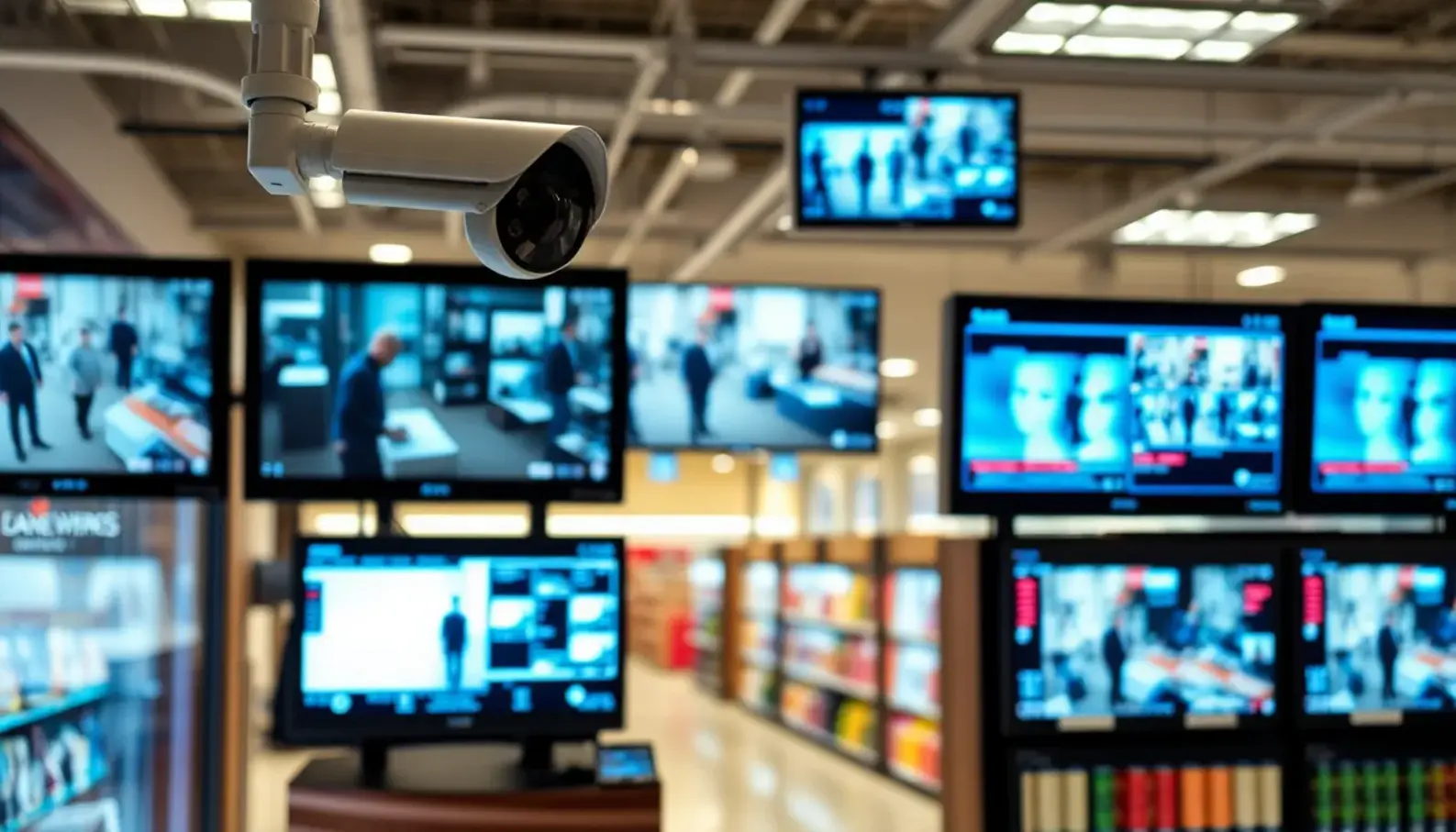
The integration of AI technologies into retail surveillance systems marks a transformative evolution in security practices. Machine learning algorithms now play a pivotal role in enhancing real-time monitoring capabilities. These algorithms can analyze vast swaths of video data continually, distinguishing between regular activity and potential security threats with remarkable accuracy.
Real-time monitoring through AI is no longer limited to passive observation. Instead, it provides active insights, enabling security personnel to react promptly to unusual activities. For instance, when a person stays in a secluded area of the store for an extended period or exhibits erratic behavior, the system can alert staff in real-time. This proactive approach significantly reduces response times during potential security incidents.
One of the substantial benefits of AI in surveillance is its ability to detect anomalies in patterns. Traditional security systems often struggle with high volumes of false positives, especially in high-traffic retail environments. However, machine learning models excel by adapting to the normal behavior patterns of both customers and employees. They can accurately identify deviations from the norm, thereby reducing false alarm rates. This accuracy ensures that security personnel focus on genuine threats, streamlining their operations effectively.
Facial recognition technology is another cornerstone of AI-driven surveillance. While this technology raises valid concerns regarding privacy, its potential to enhance retail security is undeniable. With facial recognition, stores can recognize known shoplifters or other security threats as soon as they enter the premises. This early identification allows management to maintain a vigilant approach without eliciting unnecessary alarms that could detract from the shopping experience.
Moreover, AI-driven video analytics contribute significantly to loss prevention strategies. By analyzing customer movements and behaviors, these systems provide insights into areas that are especially vulnerable to theft. For instance, analytics can highlight zones within the store where theft incidences are frequent, prompting a change in layout or additional surveillance.
In enhancing customer service, AI surveillance systems play a transformative role. By monitoring queue lengths and customer flow, these systems can alert management when additional check-out counters need to be opened, thus improving the shopping experience. Video analytics can also aid in assessing customer engagement with product displays, providing retailers with valuable data to optimize their store layouts and marketing strategies.
Case studies underscore the effectiveness of AI-driven surveillance in mitigating security risks. A prominent example is a large retail chain that incorporated AI-powered cameras to monitor and analyze customer flows. The results were a noticeable decrease in theft incidences and an overall safer shopping environment. By equipping their security personnel with precise predictive insights, the chain minimized loss and improved operational efficiency.
Furthermore, a smaller boutique store implemented a similar AI surveillance system, focusing on anomaly detection. Within months, they reported not only a reduction in theft but also an enhancement in customer satisfaction due to improved in-store operations.
The integration of AI in surveillance systems is not without its challenges, primarily concerning data privacy and ethical considerations. For more insights into the intersection of AI and ethical concerns, readers may explore topics related to generative AI ethics. Balancing enhanced security with respect for customer privacy remains an ongoing discussion within the industry. Nevertheless, the advantages of AI in creating safer retail environments are profound, offering a glimpse into the future of retail security.
Personalized Security Experiences
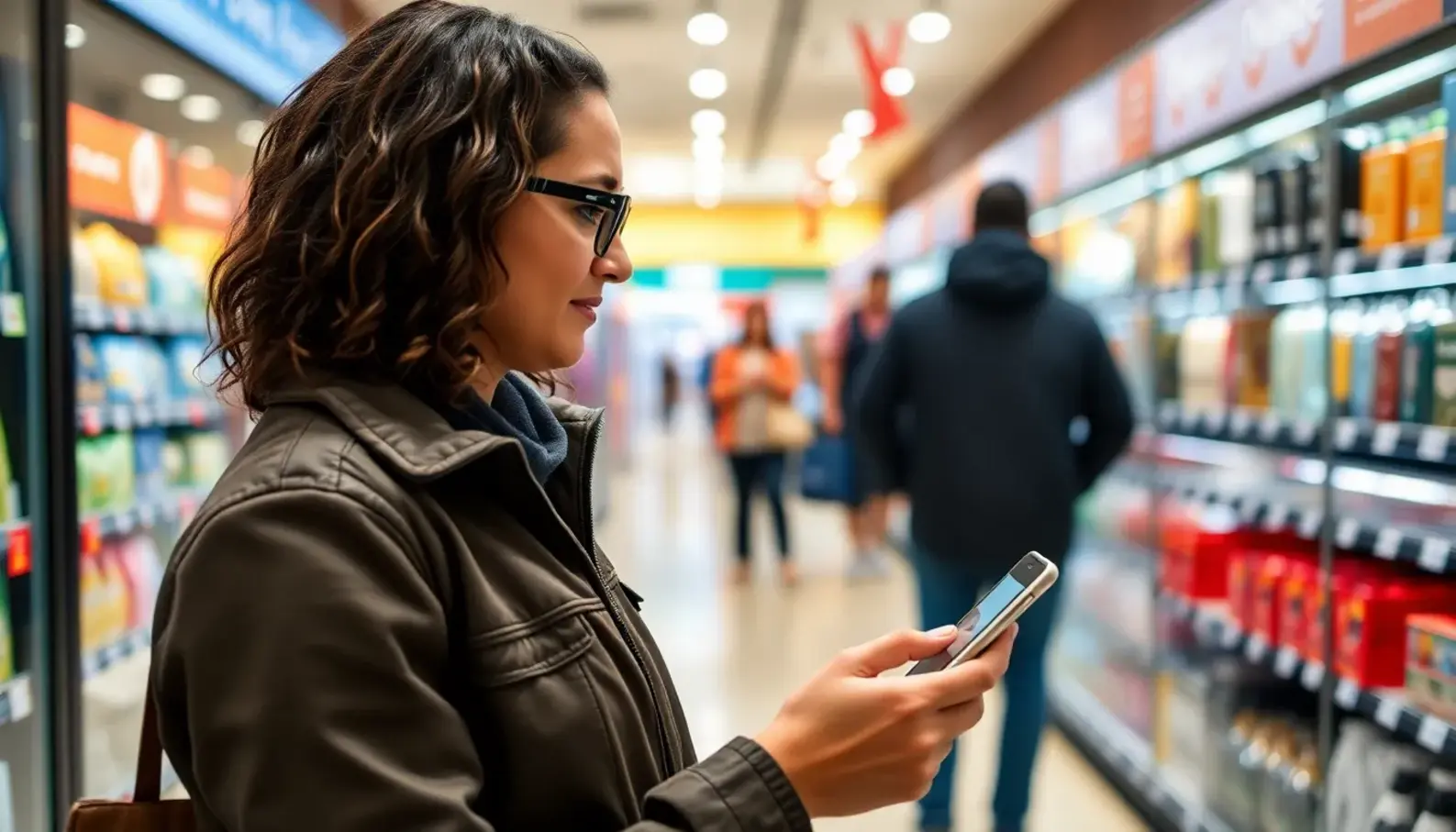
Retail environments increasingly rely on AI-driven solutions to offer personalized security experiences, ensuring a safer shopping atmosphere while respecting individual privacy preferences. By utilizing intelligent systems, retailers can tailor security protocols in a manner that feels less intrusive to customers, all while ensuring a robust protective presence.
One of the foundational elements in creating personalized security experiences is the integration of smart technologies into mobile apps and in-store devices. These technologies are designed to interact seamlessly with customers, providing them with real-time notifications and assistance. For example, mobile apps can alert customers to nearby security assistance stations or inform them about security protocols within the store. This level of interaction not only empowers customers but also builds trust within the shopping environment.
In-store devices, such as smart cameras and sensors, play a crucial role in monitoring and analyzing customer movements without compromising privacy. By employing computer vision and machine learning, these devices can discern patterns and recognize anomalies that might indicate a potential security threat. For instance, unusual movement patterns that deviate from established shopping habits can trigger alerts, enabling security personnel to respond promptly and appropriately.
Moreover, the integration of AI in these systems allows for advanced data analysis to predict potential security breaches. By examining aggregated data on shopping habits, AI can identify patterns and trends that might escape human oversight. This predictive analysis enables stores to preemptively address security concerns, often going unnoticed until an incident occurs.
A notable implementation of personalized security through AI is found in the use of geofencing technologies. By defining virtual boundaries around a retail space, stores can detect when customers enter or exit specific areas. Combined with AI, geofencing can send personalized alerts, such as reminders to check out or promotions on nearby products, enhancing the shopping experience while maintaining a secure environment.
Examples of successful implementations highlight the enhancement of safety protocols and improved customer feedback. Retailers that have deployed AI-driven security measures have reported not only a decrease in theft and other criminal activities but also an increase in customer satisfaction. Customers appreciate the unobtrusive nature of personalized security, which respects their space while ensuring their safety.
The psychological comfort provided by these systems can lead to a more relaxed shopping experience, encouraging longer store visits and higher customer engagement. As such, AI not only acts as a guardian but also as an enabler for business growth. By fostering a secure environment, retailers can focus more on customer service and business development strategies, knowing that their security needs are being proactively managed.
For further exploration into how AI is transforming traditional business practices, visit this article on AI in business growth, which delves into innovative applications across various sectors.
In conclusion, personalized security experiences driven by AI technologies hold the promise of revolutionizing retail safety. They provide a seamless blend of protection and engagement, crafting an environment where customers feel both secure and valued. As AI continues to evolve, the depth of personalization and the breadth of security capabilities in retail spaces will only expand, marking a significant evolution in how we perceive and experience safety in our shopping endeavors.
Final words
AI’s integration into retail safety measures serves not only as a shield against potential risks but also elevates the shopping experience. Enhancing security protocols through innovative AI applications instills confidence in consumers and employees alike. As technology evolves, those in engineering and marketing roles must continue to adapt and embrace these advancements for a safer retail landscape.
Join the Community
Learn more: innoupdates.com
About us
Our company specializes in creating cutting-edge AI solutions for retail environments. We focus on enhancing security measures through innovative technologies that protect customers and streamline operations. By integrating AI, we empower retailers to build safer, more efficient shopping experiences that cater to the evolving needs of the consumer market.