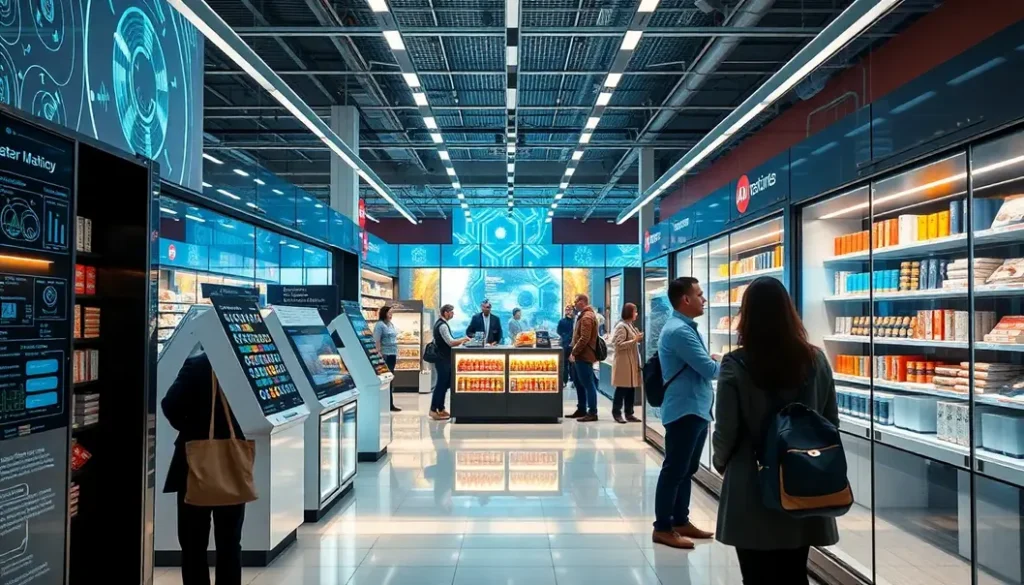
Embracing AI in scheduling can revolutionize how retail businesses operate, balancing customer needs with operational efficiency. With innovations that allow for real-time adjustments based on data-driven insights, retailers can provide seamless experiences that meet consumers’ evolving expectations. This evolving technology not only enhances customer interactions but significantly improves overall staff productivity and resource management. From optimizing store layouts to personalizing customer engagements, AI is at the forefront of shaping the future of retail. Entrepreneurs and administrators in the sector must harness these advancements to stay competitive and relevant in a rapidly changing landscape.
Harnessing AI to Optimize Scheduling
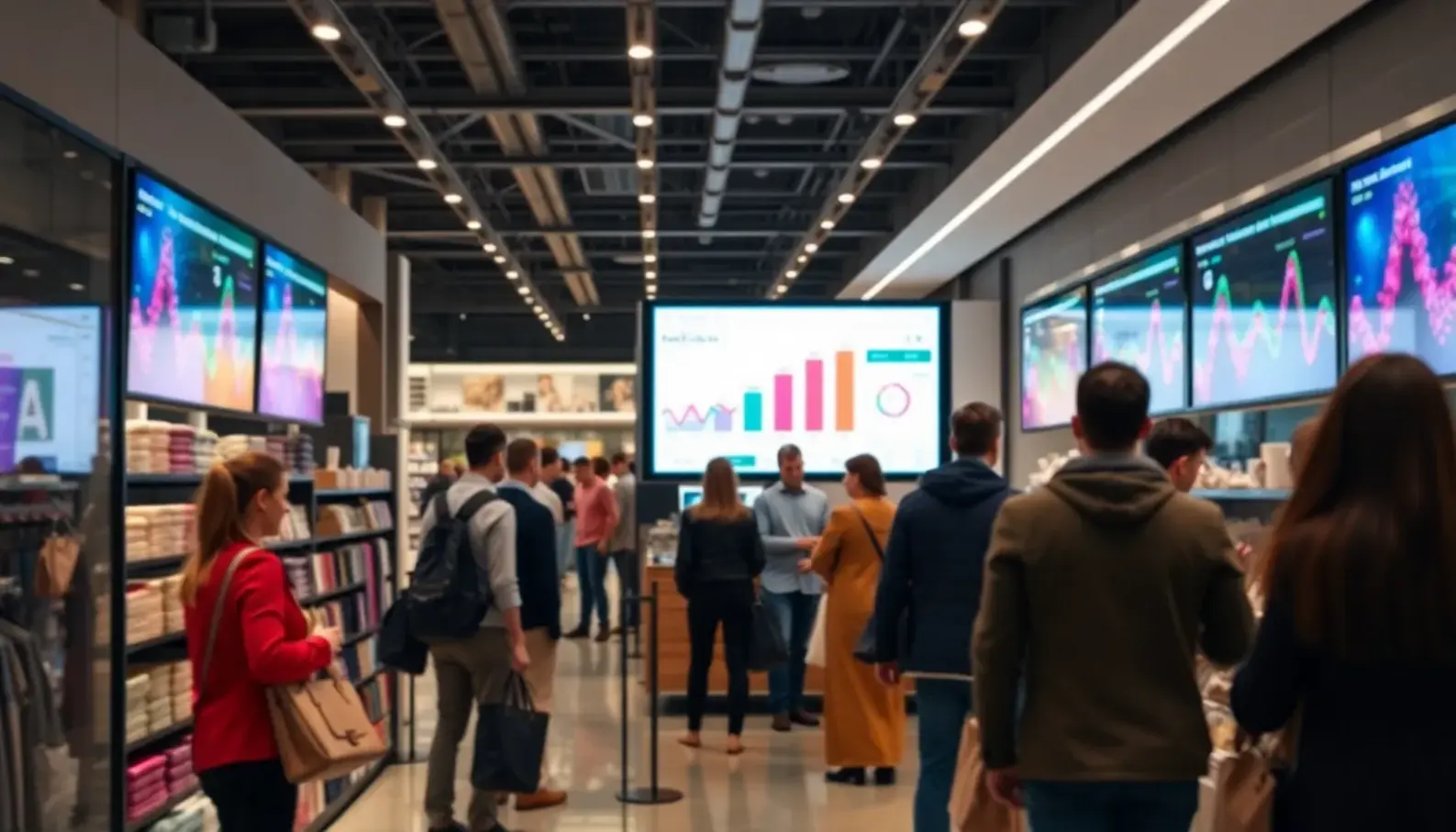
Artificial Intelligence (AI) is revolutionizing how retailers approach scheduling, providing a data-driven strategy that aligns operational needs with customer expectations. AI-driven scheduling systems utilize advanced algorithms, offering unprecedented accuracy in forecasting and decision-making. By understanding purchasing patterns, retailers can effectively optimize staffing levels to meet demand fluctuations without overcommitment.
In retail, customer satisfaction hinges on timely service and product availability. AI tools analyze vast swathes of historical and real-time data to predict customer behavior accurately. This analysis includes buying cycles, peak hours, and promotional response rates, which inform dynamic scheduling. For instance, AI can predict increased foot traffic after a promotional campaign, allowing retailers to staff accordingly.
Moreover, AI algorithms delve into individual transaction histories, leveraging such insights to tailor in-store experiences. Machine learning models recognize patterns in consumer preferences, suggesting optimal product placement and store arrangement to enhance engagement. The seamless blend of AI technology into retail workflows thus directly contributes to elevated customer experiences.
AI’s role in staff scheduling optimization goes beyond predicting workload demands. It also considers employee preferences, skill sets, availability, and historical performance. This sophisticated matching process not only aligns associates with store needs but also fosters a more satisfying work environment. Employees are less likely to experience burnout and more inclined towards achieving performance excellence when their schedules align with personal flexibility and skill utilization.
Real-time operational adjustments are integral in responding to unforeseen circumstances. AI systems can recalibrate schedules quickly in response to disruptions like unexpected call-outs or surges in customer demand. The ability to adjust staffing in real-time ensures service levels remain consistent and operations uninterrupted.
One compelling case study is the implementation of AI scheduling in a major department store chain. By employing AI algorithms, this retailer witnessed a 15% improvement in labor efficiency. Customer satisfaction scores rose by 20% owing to enhanced service speed and availability. The chain’s application of AI-driven insights streamlined operations, minimized wait times, and enriched overall shopper experiences.
Such successful cases underscore the transformative potential of AI in retail. Retailers aiming to embed AI into their scheduling practices should consider the following strategies:
- Data Integration: Merge AI tools with existing datasets to tailor scheduling models to specific operational contexts. This requires seamless integration with transactional systems and employee management platforms.
- Continuous Learning Models: Implement adaptive AI models that refine algorithms based on new data. This approach ensures ongoing precision in scheduling decisions.
- Employee Engagement: Engage staff in the adoption process, allowing them to understand and embrace AI’s role in creating fair and equitable schedules.
- Pilot Programs: Implement test cases in specific outlets to measure AI’s impact on scheduling and make necessary tweaks before a full-scale rollout.
- Feedback Mechanism: Establish channels for both customer and employee feedback to continuously improve AI systems and achieve enhanced operational outcomes.
Retailers should also consider AI’s broader implications in optimizing diverse business functions, as explored in studies like AI in business growth, which illuminate AI’s role in fueling organizational advancement.
Integrating AI into scheduling is not merely a technological upgrade but a strategic enabler of operational efficiency and customer satisfaction. As AI technologies continue to evolve, retailers capable of leveraging these tools will not only streamline their operations but also elevate their market positioning by offering superior customer experiences.
Personalization through AI in Experience Scheduling
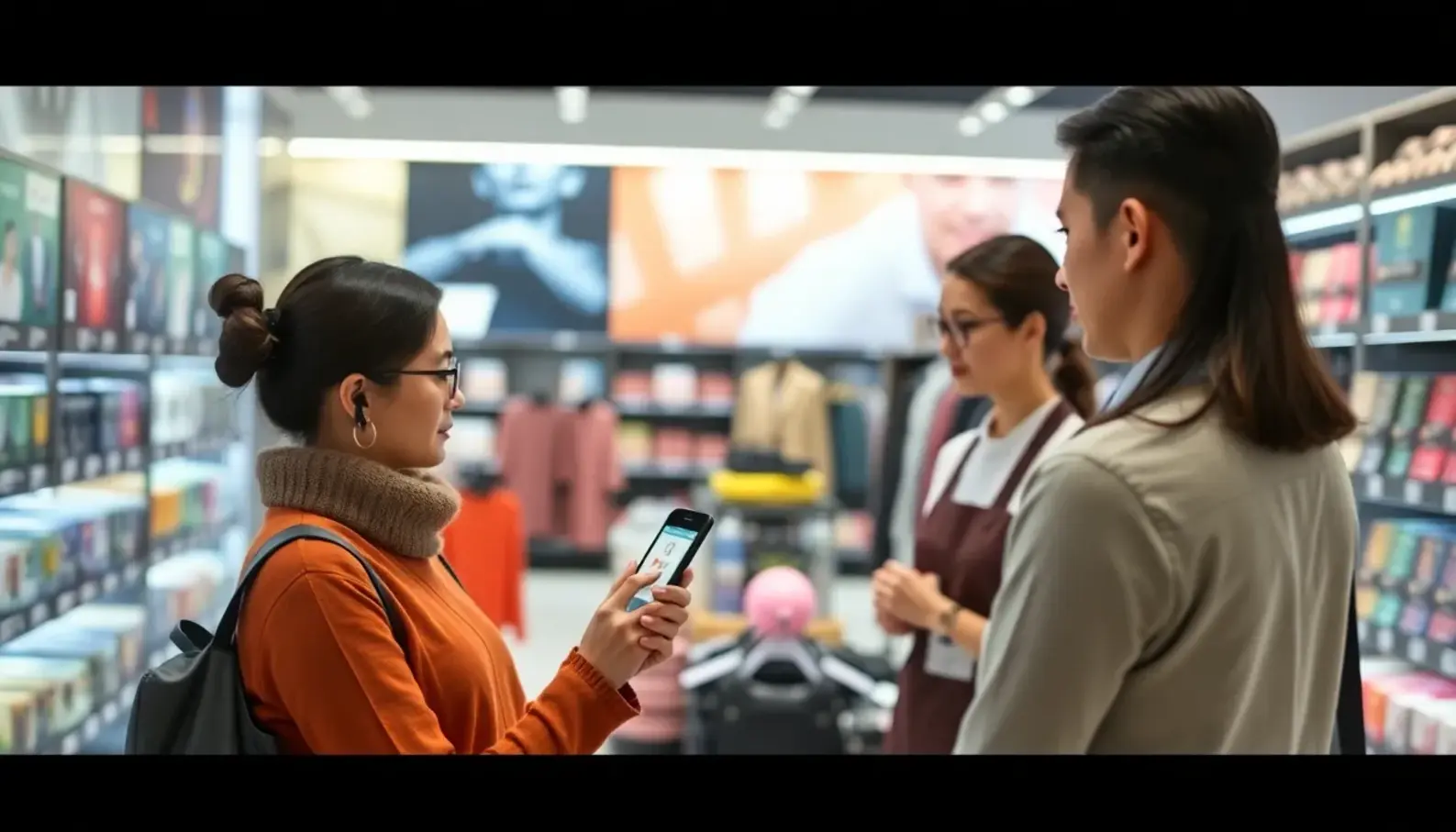
AI has emerged as a powerful tool for understanding and predicting customer behaviors in the retail sector. By analyzing vast datasets, AI can identify trends in shopping habits, preferences, and behaviors. This understanding forms the foundation for creating highly personalized shopping experiences, which are increasingly expected by modern consumers. Through these personalized tactics, retailers can capture the attention and loyalty of customers more effectively.
One significant way AI personalizes the shopping experience is by tailoring promotions. Based on previous purchase history, browsing patterns, and even social media interactions, AI can craft unique promotional offers for individual consumers. This approach ensures that customers receive information about products and services they are most interested in, which increases the likelihood of making a purchase.
AI algorithms can also segment customers into distinctive categories based on their shopping behaviors and predictive analyses. These segments allow retailers to design specific promotions that resonate with targeted groups. For instance, a retailer might determine that a certain group of customers prefers online shopping for seasonal items, whereas another might respond favorably to in-store promotions. Tailoring promotions in this manner not only enhances customer satisfaction but also optimizes marketing spend and boosts conversion rates.
Furthermore, personalization through AI extends to resource scheduling, aligning staff availability with peak shopping periods. Through predictive analytics, AI tools can evaluate shopping patterns to forecast peak times. This data allows managers to schedule staff effectively, ensuring a sufficient number of employees are available during busy periods while reducing idle staff during quieter times. Not only does this maximize operational efficiency, but it also enhances the customer experience by minimizing wait times and improving service quality.
Successful implementations of personalized scheduling have yielded tangible benefits for retailers. For instance, a major retail chain utilized AI-driven scheduling to align their in-store promotions with customer shopping behaviors. They personalized in-store layouts and product placements based on detailed customer insights. Consequently, they observed a significant increase in foot traffic and sales during these tailored promotional periods. The impact on customer loyalty was profoundly positive, with an observable increase in repeat customers who appreciated the customized attention.
Moreover, personalization through AI is not confined to physical stores. Online retailers are capitalizing on AI to personalize the entire customer journey. From personalized recommendations on websites and apps to dynamically adjusting pricing or product bundles, AI creates an engaging online experience tailored to individual user preferences. This can significantly enhance the digital shopping experience, driving both conversion rates and customer satisfaction.
Entrepreneurs looking to implement AI-driven personalization strategies should start by investing in robust data infrastructure. Collecting and analyzing customer data is foundational to unlocking AI’s full potential in personalization. Once the data backbone is in place, businesses can leverage machine learning models to gain insights that drive personalized offerings and optimize schedules.
An essential consideration for implementation is ensuring data privacy and security. With increased data usage comes the responsibility to protect customer information. Retailers must adhere to stringent data privacy regulations and provide transparency in data usage, instilling trust among consumers.
For those seeking a competitive edge, understanding AI’s role in creating personalized experiences is crucial. It not only drives immediate sales growth but also fosters long-term customer relationships. Personalized experiences lead to retained customers willing to advocate for brands that cater to their unique needs.
In a landscape where customer expectation for personalization grows continuously, leveraging AI in experience scheduling creates a competitive advantage. Entrepreneurs can design retail experiences that are not only efficient but also engaging for the consumer, ensuring sustained relevance and profitability in a dynamic market. To delve further into strategic implementations of AI, exploring resources such as AI in Business Growth can offer additional insights into leveraging AI technologies effectively.
Final words
The integration of AI in retail experience scheduling is not just about efficiency; it is a pathway to creating engaging, personalized experiences for consumers. By understanding customer needs and behaviors through AI, retailers can optimize their operations and ultimately drive more sales. The future will be defined by those who adapt and utilize these technological advancements effectively. Retailers that embrace AI for scheduling will certainly gain a competitive edge in the market.
Start Free Trial
Learn more: https://innoupdates.com
About us
Innoupdates offers cutting-edge AI solutions designed specifically for retail, enhancing operational efficiency and customer interactions. Our tools integrate seamlessly with existing systems to provide real-time analytics, schedule optimization, and personalized shopping experiences. Leverage our expertise to transform your retail operations and exceed customer expectations.