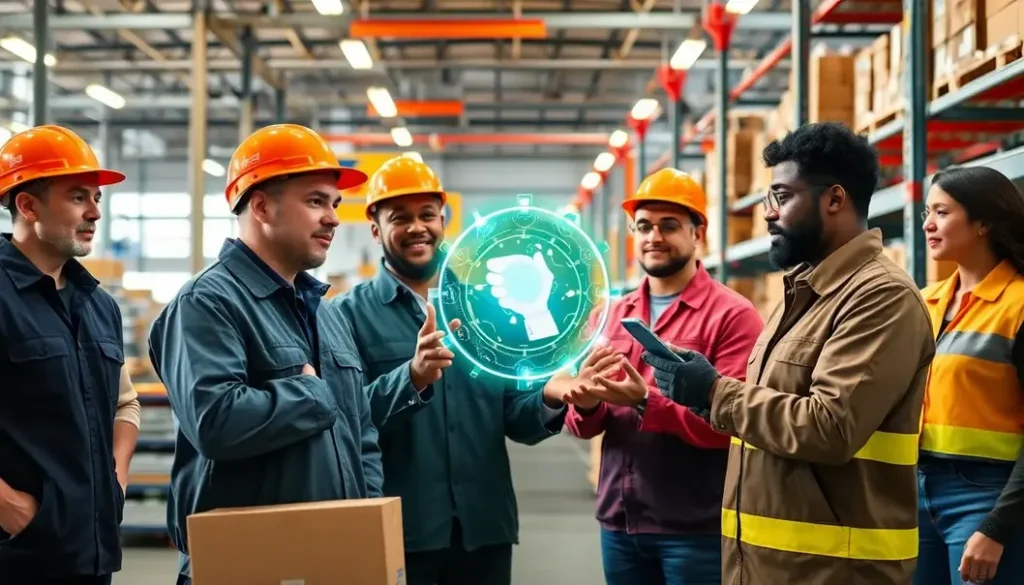
Artificial Intelligence (AI) is reshaping the landscape of supply chain testing by enabling faster, more accurate, and efficient processes. As businesses strive to meet customer demands while maintaining operational efficiency, AI technology offers predictive analytics, real-time data processing, and automation. Engineers and leaders in supply chain management are recognizing the pivotal role AI plays in optimizing testing protocols, identifying bottlenecks, and enhancing decision-making capabilities. This technological shift not only improves reliability but also fosters an agile supply chain adaptable to market fluctuations. Understanding the practical applications and benefits of AI in supply chain testing is essential for stakeholders aiming to harness its potential for competitive advantage.
The Role of AI in Supply Chain Testing: Insights and Innovations
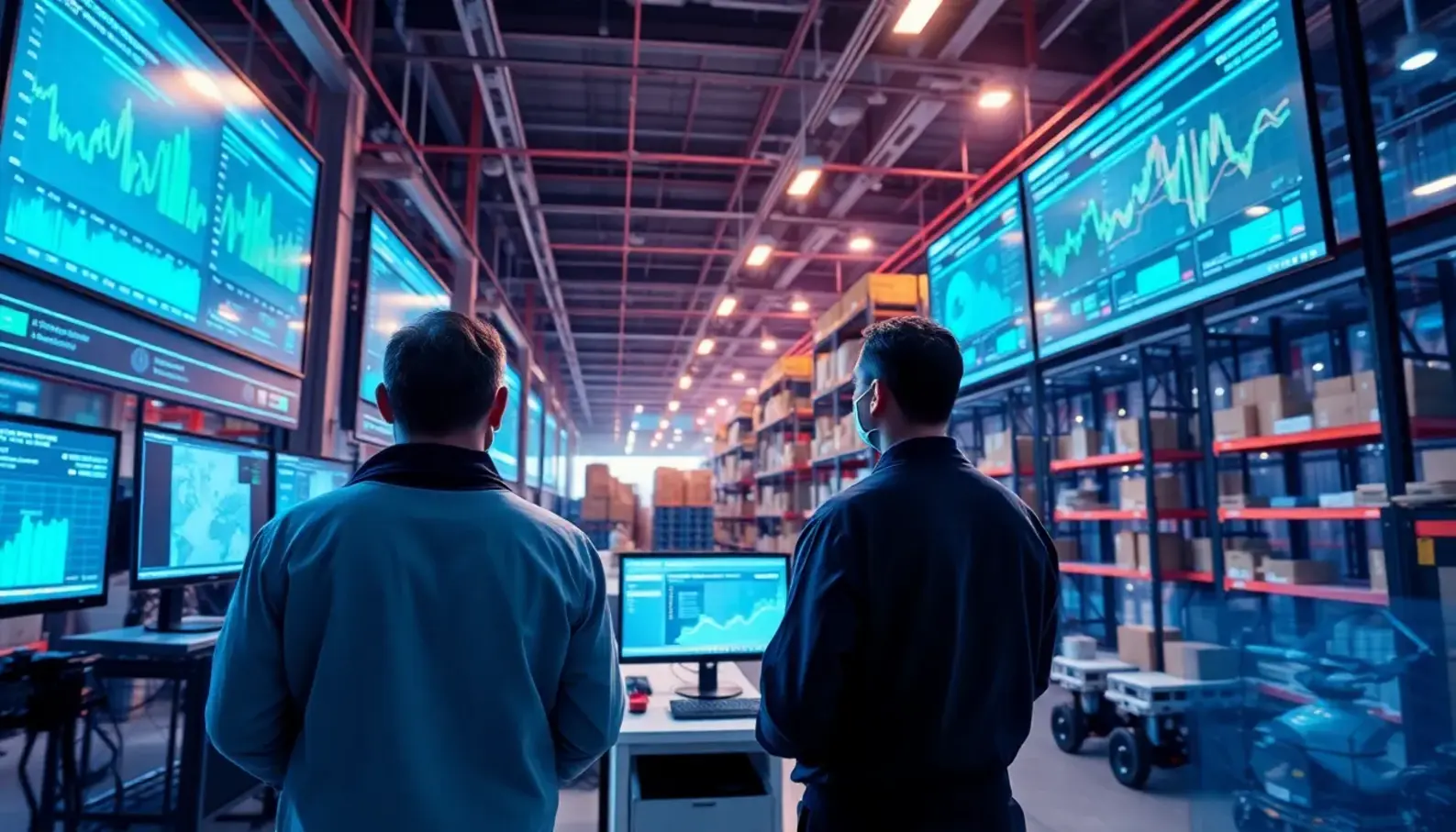
Artificial Intelligence (AI) is revolutionizing supply chain testing by introducing capabilities in data analysis, predictive modeling, and real-time data processing. These technologies are reshaping traditional methods and paving the way for more efficient and reliable operations.
The power of AI lies in its ability to process enormous amounts of data and extract meaningful patterns. Advanced analytics tools can evaluate historical data to identify trends, anomalies, and potential disruption sources within the supply chain. These insights are crucial for organizations aiming to prevent disruptions before they occur. AI-driven analytics can replace manual data processing, which is often time-consuming and prone to human error, thereby enhancing both speed and precision.
Predictive modeling, a core component of AI, enables supply chains to anticipate future scenarios and prepare accordingly. By simulating different supply chain variables, predictive models can forecast demand, supply shortages, and logistical challenges. This foresight allows companies to make data-driven decisions, optimize inventory levels, and reduce waste. AI models continuously learn from new data inputs, improving their accuracy and reliability over time.
Real-time data processing is another transformative aspect introduced by AI. Supply chains generate immense volumes of data every second, from transaction details to shipment locations. AI systems can handle this influx, providing stakeholders with up-to-date information that enhances situational awareness. Real-time analysis supports rapid decision-making, critical during disruptions or demand surges.
A noteworthy case study demonstrating AI’s efficacy in supply chain testing involves a global retailer whose operations span multiple continents. The company integrated AI to manage its inventory, leveraging predictive analytics to adjust stock levels dynamically. This initiative resulted in a 20% reduction in stockouts and a 15% decrease in excess inventory, highlighting AI’s capability to balance supply with demand effectively.
Another example comes from a leading logistics provider using AI-driven route optimization. By analyzing traffic patterns, weather conditions, and delivery schedules, the AI system optimized routes for efficiency and cost-effectiveness. This technology decreased fuel consumption by 12% and delivery times by 18%, exemplifying how AI can enhance logistical operations.
Despite its advantages, integrating AI into existing supply chain frameworks does present challenges. Compatibility issues between AI technologies and legacy systems can inhibit seamless integration. Moreover, the demand for skilled professionals to develop and manage AI systems is growing, yet supply remains limited. Addressing these shortages involves investing in training programs and partnerships with academic institutions to foster talent development.
Security is another critical concern, as AI systems are vulnerable to cyber threats if not properly safeguarded. Companies are implementing robust cybersecurity measures to protect sensitive data and ensure the integrity of AI models. This includes encryption practices and regular security audits to identify vulnerabilities proactively.
Ensuring accuracy and avoiding bias in AI predictions pose additional challenges. Continuous monitoring and fine-tuning of AI algorithms are necessary to maintain their robustness. Organizations are adopting governance frameworks to oversee the ethical use of AI, ensuring that models are fair and their decision-making processes transparent and justifiable.
These challenges, while significant, are being addressed through collaborative efforts across industries. AI technologies are increasingly modular, facilitating their integration with diverse systems. Innovations in hybrid computing strategies, as discussed in resources like Inno Updates, are helping bridge the gap between new technologies and legacy systems.
The application of AI in supply chain testing is not just about enhancing efficiency; it’s about future-proofing operations against uncertainties. As organizations continue to embrace AI-driven innovations, the potential to transform supply chains into more agile, resilient networks grows exponentially. By leveraging AI, companies are not only optimizing their current processes but are also setting a foundation for sustained growth and adaptability in a rapidly evolving landscape.
Implementing AI Solutions in Supply Chain Testing: Best Practices and Strategies

Integrating artificial intelligence (AI) into supply chain testing processes involves a blend of strategic planning and practical application. Executing these processes effectively can significantly enhance the efficiency and reliability of supply chains. Here, we explore actionable best practices for engineers and leaders, focusing on data quality, inter-team collaboration, and the choice of suitable AI tools.
Ensuring High-Quality Data
The cornerstone of any AI solution is the quality of data it processes. High-quality, accurate, and relevant data sets are essential for successful AI implementation in supply chain testing. Inadequate or flawed data can lead to incorrect predictions, inefficiencies, and potentially costly errors. Organizations should prioritize data governance frameworks that ensure data integrity and cleanliness.
Implementing robust data acquisition and processing pipelines is one approach to achieve this. These pipelines must filter out noise and anomalies, standardize data formats, and ensure data is up to date. Regular audits of these pipelines can further ensure quality control.
Promoting Inter-Disciplinary Collaboration
AI in supply chain testing thrives on collaboration between diverse disciplinary teams. Engineers, data scientists, operations managers, and IT professionals need to work in concert to integrate AI solutions effectively. Establishing a dedicated cross-functional team can facilitate this integration, pooling diverse expertise and insights.
Encourage open communication across teams to promote a culture of knowledge sharing. Regular workshops, cross-functional meetings, and collaborative platforms can bridge gaps between departments. Emphasizing common goals and shared successes can foster a spirit of collaboration and mutual respect.
Selecting Appropriate AI Tools
Choosing the right AI tools is crucial for successful integration. Each organization’s requirements will differ based on its supply chain configuration, scale, and industry. Conducting a thorough needs assessment is an initial step to identify the most suitable AI technologies.
Organizations can benefit from adopting modular AI solutions that offer customization and scalability. This flexibility allows them to tailor the AI tools to their specific testing needs, easily upgrade capabilities, and quickly adapt to changes in demand or technology.
Monitoring and Measuring Success
Once AI solutions are implemented, ongoing monitoring is vital. Continual evaluation of AI-driven processes ensures they meet performance benchmarks and deliver expected improvements. Define clear metrics that align with organizational objectives, such as reduced delivery times, minimized errors, or improved resource allocation.
Implementing a feedback loop where results are regularly reviewed, and processes are adjusted can help maintain peak performance. Leveraging AI to generate predictive analytics can further enhance this iterative cycle by forecasting changes and proactively suggesting optimizations.
Maintaining Flexibility in Testing Methodologies
AI’s rapid evolution necessitates flexibility in testing methodologies. Organizations should remain agile, preparedness to iterate on their strategies as technologies and market conditions evolve. Implementing an adaptive testing framework ensures AI models remain responsive to new variables and maintain accuracy over time.
Encourage continuous learning within teams to stay updated on the latest AI trends and methodologies. Training sessions, industry seminars, and online courses are effective avenues for upskilling employees. Cultivating a mindset of innovation and experimentation will enable organizations to pivot strategies in response to new challenges or opportunities.
Embracing Ethical AI Practices
As AI tools are incorporated into supply chain testing, organizations must consider the ethical implications of their use. It’s crucial to acknowledge AI’s ethical dimensions and strive to uphold privacy standards and transparency in AI-driven processes. Establishing ethical guidelines for AI applications can guide the organization toward responsible AI usage.
For further insights into how AI can be utilized in other areas of business growth, you might explore strategies discussed in this article.
Implementing AI solutions in supply chain testing requires a strategic approach that values data integrity, fosters collaboration, and emphasizes flexibility. By following these best practices, organizations can unlock the full potential of AI, enhancing efficiency and resilience in their supply chains.
Final words
The integration of AI in supply chain testing is not merely a trend but a necessity for modern businesses looking to enhance efficiency and maintain competitive advantage. Engineers and industry leaders must prioritize the adoption and adaptation of AI solutions in their testing protocols. By embracing these innovations, organizations can unlock improved decision-making capabilities, streamline operations, and respond more effectively to dynamic market demands.
Download Free Report
Learn more: innoupdates.com
About us
InnoUpdates specializes in delivering cutting-edge AI solutions tailored for supply chain management. Our offerings include predictive analytics, real-time data processing, and automation tools designed to enhance operational efficiency. With a focus on practical applications and innovative technologies, we empower organizations to optimize their supply chain testing processes, ensuring responsiveness to market changes and improved decision-making capabilities.