
Artificial Intelligence is more than a trend; it is a force reshaping the landscape of Virtual Reality development. By integrating smart algorithms, VR developers and designers can create dynamic environments, enhance interactivity, and offer rich narratives that captivate users. This fusion not only streamlines workflows but also pushes the boundaries of imagination, allowing for unprecedented creative expression and user engagement. As industries transition toward immersive experiences, understanding how to leverage AI in your VR projects is vital for staying ahead in this burgeoning field.
AI Tools Revolutionizing VR Development
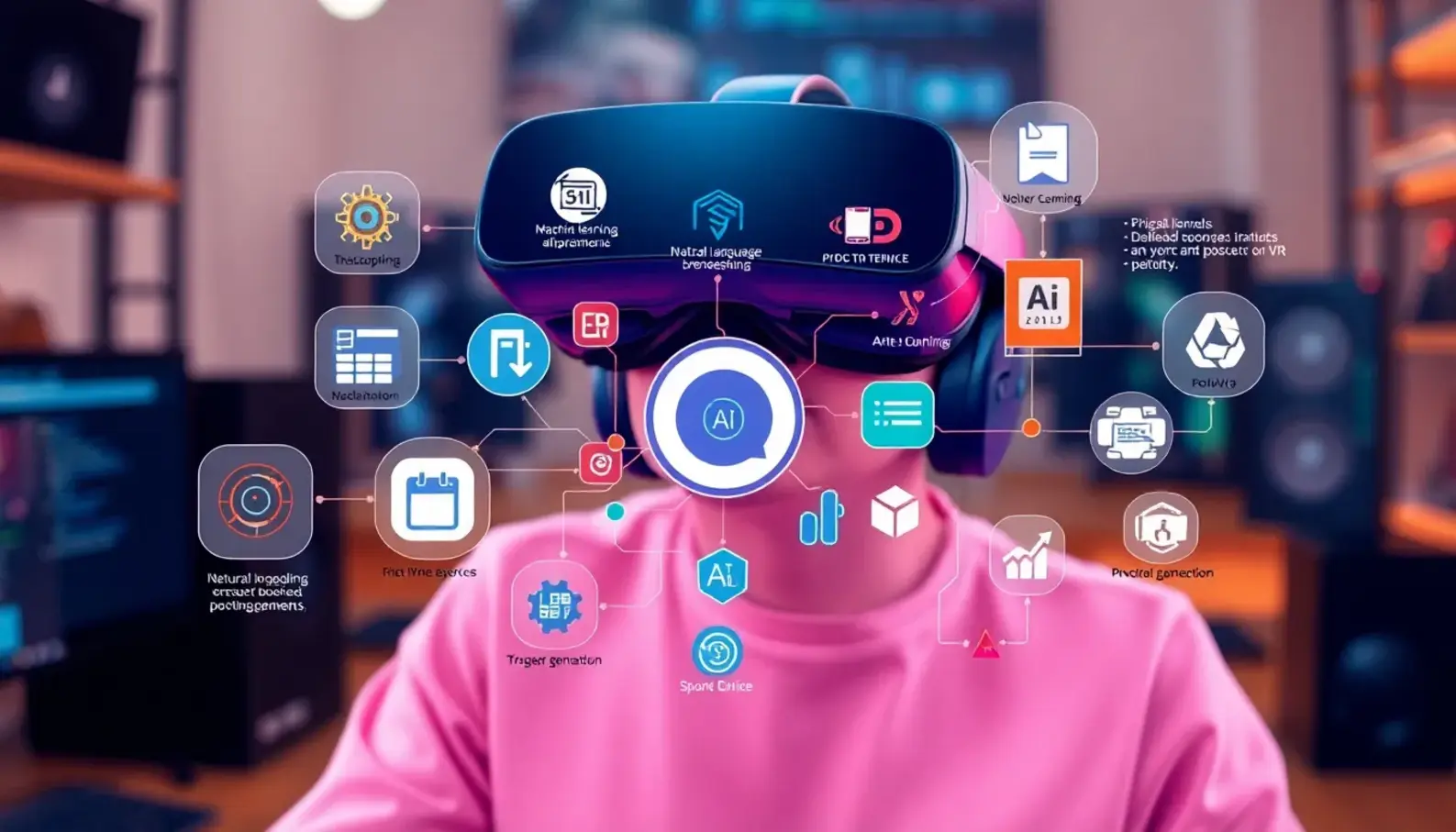
Artificial Intelligence holds immense potential in reshaping virtual reality development by alleviating technical constraints and empowering creativity. As AI gains prominence, its tools are becoming ever-critical in transforming how VR environments are conceptualized, created, and experienced. These tools are enabling a shift from an engineering-heavy process toward a visionary and design-centric journey. By integrating machine learning, procedural generation, and natural language processing, developers can transcend traditional barriers and create immersive worlds with unprecedented ease.
Machine Learning: Enhancing Interactivity and Realism
One of the most potent contributions of AI is through machine learning, which elevates both interactivity and realism in VR applications. Within the VR landscape, machine learning algorithms can analyze vast datasets to inform how virtual environments react to a user’s presence and actions in real time. This dynamic adaptability means the virtual experience becomes more personalized and engaging. As the system learns user preferences and behaviors, it adjusts environmental responses to better suit individual needs.
Behavior prediction, a specific application of machine learning, tracks user interactions to predict future actions. This prediction system allows VR applications to anticipate user intents and adjust scenarios dynamically, thus maintaining immersion. For example, if a user frequently explores certain paths or interacts with specific objects, the application can recommend new elements or adapt narratives seamlessly, enhancing the experience’s authenticity and preventing predictability.
Procedural Generation: Crafting Expansive Worlds
Another transformative facet of AI in VR is procedural generation, which refers to the automatic creation of large-scale environments and assets using algorithmic techniques rather than manual efforts. This innovation enables the generation of vast and intricate worlds without necessitating exhaustive resource input. By automating content production, procedural generation empowers designers to manifest expansive landscapes and complex architectures that would be otherwise formidable to construct manually.
Procedural generation proves essential in creating unique experiences for each user. With algorithms that recalibrate scenarios based on defined parameters or user interactions, the same VR application can provide a multitude of varied experiences, ensuring longevity and replayability. As algorithms evolve, they grow increasingly adept at creating textures, objects, and entire ecosystems that feel organically crafted.
A significant aspect of procedural generation is its utility in reducing development time and cost. By eliminating the need for manually crafted assets in every instance, development teams can focus their efforts on refining core experiences and storytelling, rather than struggling with technical and mundane details. This shift lets creativity and innovation flourish, further making VR environments richer and more engaging.
Natural Language Processing: Bridging Humans and Machines
Natural Language Processing (NLP) plays a crucial role in crafting immersive narratives and fostering interaction within VR environments. By allowing users to communicate with virtual characters and systems using everyday language, NLP breaks down traditional barriers between human intentions and machine understanding.
The incorporation of NLP in VR design permits real-time, dynamic dialogues between users and virtual entities. These dialogues not only enhance realism but also deepen user engagement and investment in the virtual world. As users converse naturally, they can impact narratives or influence decision trees within the environment, ensuring the VR experience remains fluid and user-directed.
In addition to enhancing user interaction, NLP aids in creating more inclusive environments. Language barriers can be mitigated through translation algorithms, allowing users from different linguistic backgrounds to interact and explore VR realms cohesively. This inclusivity expands the potential user base and enriches community engagement in shared virtual spaces.
Frameworks and Platforms: Streamlining the Development Process
Underlying these AI capabilities are robust frameworks and platforms designed to streamline development processes. These tools help bridge the gap between high-concept designs and technical implementations, enabling creators to realize their visionary projects without getting bogged down by intricate coding tasks.
Several AI-driven platforms offer streamlined workflows, automated testing, and optimization solutions. These platforms enable rapid prototyping, iteration, and testing of VR components, thereby decreasing the traditionally significant development cycle times. Some provide drag-and-drop functionality, which allows developers to integrate complex AI functionalities without deep technical expertise, so focus can remain on the artistic and experiential aspects of VR.
Moreover, scalable cloud-based solutions support collaborative development efforts, opening up opportunities for global teamwork. These platforms allow multiple developers to contribute to VR projects simultaneously, ensuring diversity of ideas and accelerating innovation. The rapid advancement of hardware capabilities further complements these platforms, making it easier to deploy and consume resource-intensive VR applications.
As we continue to embed AI within the infrastructure of VR development, it becomes clear that traditional boundaries are fading. Developers, freed from the cumbersome aspects of technical implementation, are empowered to push the envelope of creativity, crafting experiences that are as limitless as imagination itself. For a deeper dive into the intersection of innovative technologies, the insights shared in hybrid computing strategies reveal broader trends shaping our future computational landscapes.
Enhancing User Engagement Through AI-Driven Experiences
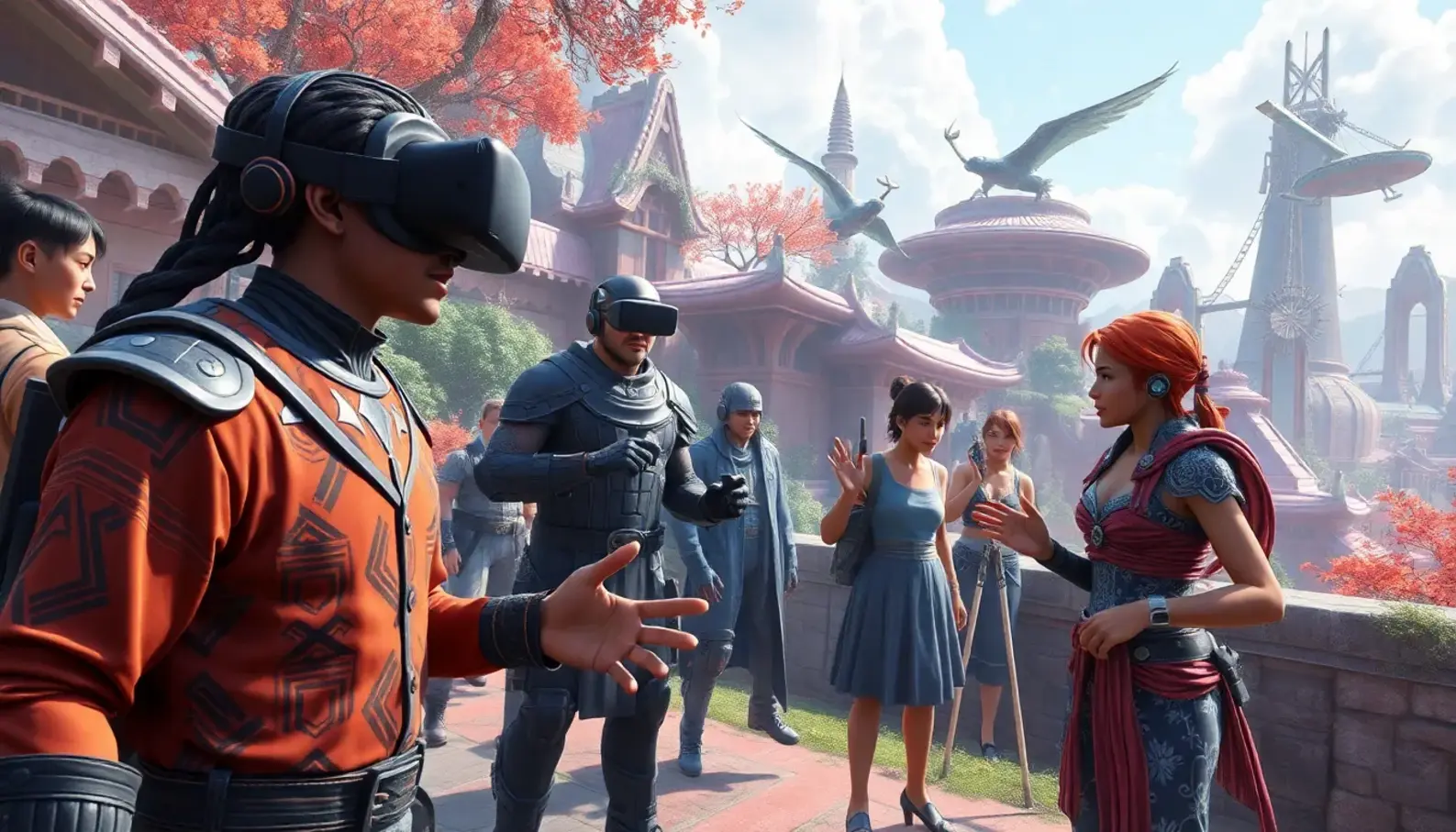
The fusion of AI and VR is revolutionizing our understanding and use of virtual environments, moving beyond static immersion into a realm of dynamic engagement. By leveraging artificial intelligence, VR experiences can now be hyper-responsive, adapting in real-time based on user inputs and behaviors. This chapter explores how AI enables this adaptability, crafting personalized journeys that deepen user engagement.
One of the cornerstone applications of AI in VR is the creation of responsive environments that evolve based on user actions. Imagine exploring a virtual forest where the flora and fauna react authentically to your presence. The rustling leaves, chirping birds, and even the change in weather could be dynamically adjusted by AI algorithms analyzing your interaction patterns. This level of complexity requires sophisticated data processing capabilities, enabling environments to mimic the unpredictability of the real world.
AI achieves this by weaving together a multitude of data streams through machine learning models. Sensors within VR headsets and controllers capture data such as movement, gaze direction, and even biometric feedback like heart rate. By processing this information in real-time, AI can tailor the environment to enhance user enjoyment and engagement. Users become part of an endlessly unique narrative, where environments do not simply exist; they respond and change.
Moreover, AI’s role extends to personalizing user interactions, particularly with non-player characters (NPCs). These AI-driven NPCs can analyze players’ verbal and non-verbal cues to deliver interactions that feel genuinely lifelike. The narrative arcs of games or virtual scenarios are no longer linear or predictable but shift depending on individual actions and decisions.
For instance, consider a VR-based mystery game where the NPC detective assistants learn from your every choice. By recognizing patterns in your decision-making process, these AI characters can offer tips or questions tailored to your style, guiding the storyline in an organic manner. As players engage with these adaptive characters, they are drawn deeper into the narrative, feeling that their choices matter and shape the outcome.
This personalized storytelling is further enriched by the use of AI in predictive analysis. Machine learning models can predict potential user pathways and adjust storylines accordingly. By anticipating user needs or desires, the storyline can be pushed in directions that maximize engagement or challenge, without the player ever feeling manipulated.
A fascinating aspect of AI in VR is its capacity to delve into the psychology of user engagement. By analyzing user data, AI can unveil insights into player preferences, tailoring experiences that not only absorb attention but stimulate emotional responses. For example, in educational VR environments, AI can determine if a learner is struggling with a concept and adapt the teaching style or difficulty in real-time, enhancing the learning outcome.
This adaptive feedback loop ensures that users continually feel challenged yet capable—a balance crucial for sustained engagement. In entertainment, this can mean the difference between a passive viewer and an active participant completely immersed within the virtual world.
Furthermore, AI-driven VR experiences hold the potential to transport users into scenarios that not only entertain but educate and empower. The realism of AI-enhanced simulations provides avenues for training and skills development in sectors ranging from healthcare to manufacturing. These environments provide safe spaces to practice high-stakes scenarios with immediate, personalized feedback that mimics real-world unpredictability.
As the integration of AI in VR continues to evolve, it raises intriguing possibilities and challenges, from ethical considerations to technical hurdles. Issues of data privacy and the nuances of real-time processing demand careful attention. Nevertheless, the trajectory toward AI-enhanced VR experiences shows a future where technology transcends entertainment, becoming an indispensable tool for learning, empathy, and creativity.
Notably, the effectiveness of such immersive experiences relies heavily on the blend of AI’s predictive power and the sensory richness of VR hardware. The seamless interaction between hardware and software is crucial, allowing users to navigate the edge of technology without cumbersome barriers disrupting the experience.
In conclusion, the integration of AI into VR development is reshaping the landscape of virtual engagement. By creating adaptive environments and personalized narratives, AI-driven VR not only promises rich, engaging experiences but also heralds a new era of interaction and involvement. Understanding and harnessing this potential stands to redefine the way users interact with digital worlds, opening up uncharted avenues for innovation in both personal and professional realms. For further insights into AI’s transformative role, the exploration of AI in business growth may offer additional perspectives on leveraging these technologies for strategic advantage.
Final words
The integration of AI in VR development is set to redefine the boundaries of creativity and user engagement. By harnessing AI tools, developers can produce immersive worlds that react and adapt uniquely to each user. As this technology continues to evolve, embracing AI will not be just advantageous but essential for creating memorable virtual experiences.
Build Engaging VR Experiences with AI
Learn more: https://innoupdates.com
About us
Unlock your creative potential with our AI for VR Content Creation and Interaction. Our tools assist in designing immersive experiences that resonate with users, making your VR projects both innovative and engaging.