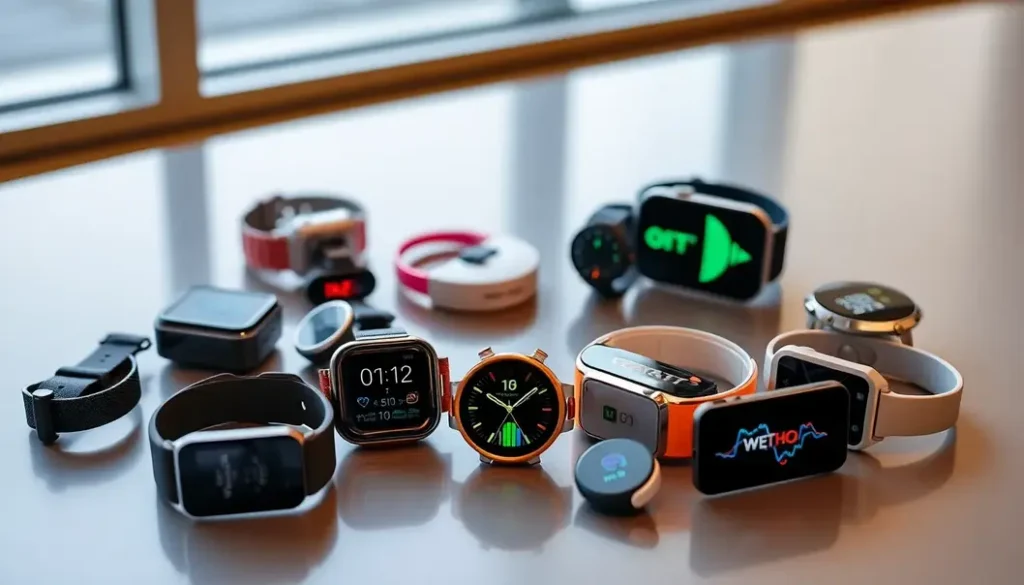
Wearable technology, underpinned by artificial intelligence, is rapidly becoming a game-changer in personal health management. Devices like smartwatches and fitness trackers are not just trendy; they’re powerful tools that can monitor health metrics, track physical activity, and provide valuable insights into daily wellness. As healthcare professionals and consumers alike embrace these innovations, the potential to enhance preventive care and promote healthier lifestyles expands. With AI wearables, the boundaries of personal health tracking are being pushed further than ever before, creating a future where proactive health management is accessible to everyone.
Understanding AI Wearable Technology
AI wearable technology is at the forefront of revolutionizing how individuals engage with their personal health. These devices, ranging from smartwatches to fitness trackers, integrate artificial intelligence to provide dynamic insights into one’s health data. Such advancements are not only empowering consumers to make informed health decisions but also assisting healthcare professionals in delivering enhanced care.
Wearables equipped with AI capabilities transform raw health data into actionable information through continuous monitoring and analysis. Real-time health analytics stands out as a significant advantage, offering users up-to-the-minute data on various health metrics. For instance, these devices can track heart rate variability, sleep patterns, and physical activity levels, allowing for immediate adjustments to lifestyle choices or alerting users to potential health concerns.
At the heart of these innovations is machine learning, a branch of AI focused on building systems that can learn from and make decisions based on data. In the context of wearables, machine learning algorithms analyze the data collected by the devices to identify patterns and trends that might not be obvious to the naked eye. This analysis can lead to early detection of possible health issues such as arrhythmias or sleep disorders, thus paving the way for early intervention and treatment.
Personalized healthcare is another realm where AI wearables make a profound impact. By continuously learning from an individual’s health data, these devices can offer personalized advice tailored to the user’s unique health needs and goals. Imagine a fitness tracker that not only counts steps but also provides customized workout plans based on your fitness level, historical activity data, and health goals. As described in a broader context about personalization in various domains, AI’s capacity to tailor experiences to the individual is a game-changer.
Types of AI Wearables:
-
Smartwatches: These devices are probably the most ubiquitous in the wearable tech category. Beyond just telling time, they double as powerful health monitors, tracking metrics such as heart rate, calorie burn, and even blood oxygen levels. The integration of AI allows them to offer insights like stress management tips by analyzing physical signs of stress.
-
Fitness Trackers: Known for their ability to monitor physical activities, these devices take it a step further with AI by predicting fitness plateaus and offering suggestions to overcome them, thereby enhancing fitness routines and promoting sustained improvements in physical condition.
-
Smart Clothing: This relatively new category in AI wearables embeds sensors within textiles. These can measure everything from respiratory rate to muscle strain, providing data-rich insights to athletes and fitness enthusiasts, helping them optimize performance and reduce injury risks.
-
Health Monitoring Bands: Specializing in tracking specific health parameters, such as glucose levels in diabetes patients, these bands use AI to analyze trends over time, offering vital information that can lead to better management of conditions.
AI wearables also serve a critical role in assisting healthcare professionals. Through accurate data collection and analysis, these devices provide healthcare providers with a more comprehensive view of a patient’s health, allowing for more informed decisions about treatment and care. Continuous data streams reduce the reliance on periodic check-ups as they enable a more holistic and timely approach to patient management.
The penetration of AI in wearable technology signifies more than a mere trend; it is an evolution towards a future where technology not only complements but actively improves health outcomes. Whether by promoting proactive lifestyle changes or facilitating a deeper connection between health data and healthcare delivery, AI wearables are trailblazing the path towards an era of empowered health consciousness, bridging the gap between innovation and practical healthcare solutions.
The Impact of AI Wearable Tech on Health Management

The transformation of healthcare through AI wearable technology is profound, setting the stage for a new era in health management. These devices, often deceptively simple in appearance, provide powerful real-world applications that significantly enhance how individuals and healthcare systems manage health.
AI-driven wearables excel in collecting diverse data types, including heart rate, activity levels, sleep patterns, and even stress indicators. The ability to continuously monitor these metrics allows for tailored insights that can lead to meaningful lifestyle changes. For instance, tracking sleep quality and patterns can help users adjust their routines to improve rest, subsequently enhancing overall well-being and productivity.
Chronic disease management is one of the most critical applications of AI wearables in health management. Patients with conditions such as diabetes or hypertension benefit enormously from real-time monitoring and feedback. Continuous glucose monitors, integrated with AI algorithms, help adjust dietary and insulin plans dynamically. For hypertensive patients, wearables can track blood pressure changes and provide alerts when values deviate from the norm, encouraging timely intervention.
AI wearables also serve as vital tools in the realm of remote patient monitoring, a sector that has witnessed significant growth. They allow healthcare professionals to gather critical data on patient health without requiring in-person visits. This functionality is particularly valuable for patients in rural or under-served areas, providing access to continuous care and reducing the frequency of hospital visits. The integration of these devices with telehealth solutions further consolidates healthcare delivery, creating a seamless experience for patients and providers alike.
Consider a case study in which wearables contributed to remote cardiac care. Patients equipped with AI wearables that continuously monitor heart activity were less likely to require emergency interventions, as potential issues could be identified and tackled early. Healthcare professionals received real-time alerts upon detecting anomalies, allowing for immediate action that could prevent complications.
Furthermore, AI wearables enhance data collection quality, translating into actionable insights for healthcare professionals. The precision of these devices, combined with advanced analytics, offers a comprehensive view of a patient’s health. This complete picture aids medical decision-making and enables personalized healthcare strategies.
Despite their advantages, AI wearables come with challenges. Data accuracy is crucial, as even slight deviations can lead to incorrect health assessments. Manufacturers continually work to improve algorithm precision and device calibration to ensure reliability in data collection.
Privacy concerns also merit attention in the widespread adoption of wearables. Users produce vast amounts of sensitive health data, prompting a need for stringent privacy measures. It is imperative that laws and technologies evolve to protect user data from unauthorized access or misuse.
Looking ahead, the potential integration of AI wearables with broader healthcare systems offers promising possibilities. By connecting wearables with electronic health records, patient care can become more centralized and efficient. This synergy could facilitate predictive analytics, offering early warnings of potential health issues based on historical data and current metrics.
Ultimately, as AI wearable technology continues to advance, its role in health management will only expand. These devices are more than passive data collectors; they are active participants in improving individual and collective health outcomes. For further insights into AI’s influence across various sectors, including its role in business growth, visit AI in Business Growth.
Final words
AI wearable technology is setting new standards in health management, empowering consumers and healthcare professionals to make data-driven decisions. As these innovations become more sophisticated, the potential for improved population health and prevention strategies is immense. Embracing these tools can lead to more proactive health management, ultimately fostering a healthier society.
Shop Wearables Now
Learn more: https://innoupdates.com
About us
Health Monitoring Devices