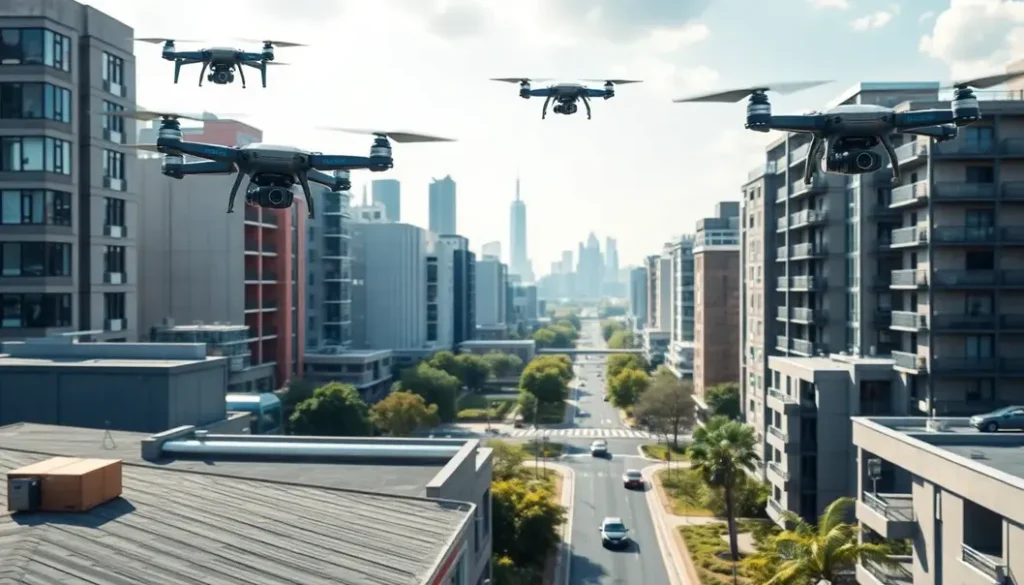
Autonomous drones are emerging as a crucial innovation in the logistics sector, offering unprecedented speed and efficiency in operations. With the capability to traverse challenging terrains and deliver goods directly to consumers, these flying robots are designed to streamline supply chains and enhance service delivery. Logistics firms are challenged to adapt to this technological shift, while regulators face the task of ensuring safety and compliance in airspace management. A closer look at the integration of drones in logistics unveils complex yet rewarding opportunities that could reshape the landscape of delivery systems.
The Advantages of Autonomous Drones in Logistics
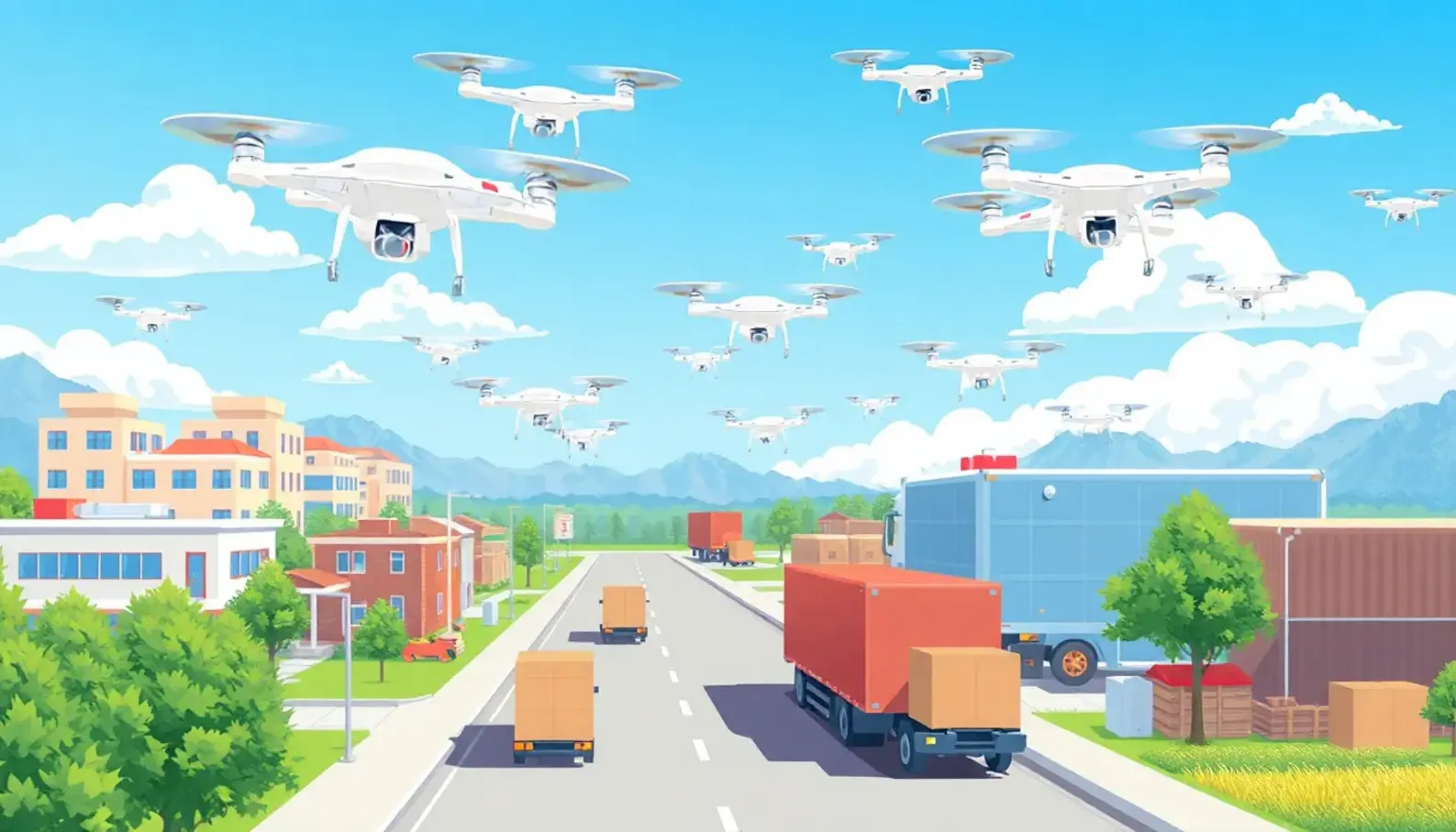
Autonomous drones have emerged as a transformative force in logistics, offering numerous benefits that enhance efficiency and customer satisfaction. By addressing key logistical challenges, these drones improve cost management, expedite delivery times, and provide access to remote locations previously difficult to reach. This chapter explores how these advantages collectively contribute to the evolution of logistics operations.
One of the most significant advantages of autonomous drones in logistics is cost reduction. By automating the transportation of goods, companies can significantly decrease reliance on traditional delivery methods, which often involve substantial labor and fuel costs. Drones require less maintenance than ground fleets and consume less energy, particularly when they use renewable energy sources. This shift not only trims operational expenses but also positions firms to reinvest savings into other critical areas of their business.
Imagine reducing the operational costs by minimizing the necessity for a large fleet of delivery vehicles or a workforce spread across vast geographies. Through autonomous drones, logistics firms are well-equipped to streamline routes and optimize resources effectively. This redirection of resources enables businesses to achieve a higher volume of deliveries without proportionate increases in overhead, making logistics processes more sustainable and financially viable over time.
Speed is another crucial advantage brought by autonomous drones. They excel at delivering goods swiftly, navigating directly between delivery points without the hinderances of traffic congestion or roadway detours. This capability is particularly beneficial for industries where time is of the essence, such as medicine and perishable goods. By ensuring that critical deliveries occur much faster, drones help reduce spoilage and improve service levels.
Consider the impact on e-commerce, where customer expectations for fast shipping have become a standard. Autonomous drones enable logistics companies to meet and often exceed these expectations by incorporating last-mile solutions that bring products swiftly to the consumer’s doorstep. Customers, in turn, benefit from this increased pace, leading to enhanced satisfaction and loyalty. By responding to consumer demands efficiently, businesses position themselves favorably in competitive markets.
In addition to speed and cost efficiency, autonomous drones provide remarkable access to remote areas. Regions that lack robust transportation infrastructure have historically posed challenges for logistics providers. Drones mitigate these issues by easily traversing geographic barriers such as mountains, rivers, or dense urban landscapes, and reaching destinations where traditional vehicles might struggle.
This capability opens new potential for humanitarian efforts in disaster-affected areas where immediate aid delivery is critical. Drones can swiftly transport medical supplies, food, and other essentials, directly impacting the survival and recovery efforts in such regions. Through this operational flexibility, autonomous drones bridge the gap in last-mile logistics even under the most challenging conditions.
The combined effect of these advantages—cost reduction, speed, and remote area access—translates to heightened operational efficiency. Autonomous drones decrease the dependency on conventional logistics networks, offering innovative solutions to optimize supply chains. By implementing drone technology, companies efficiently manage inventory and minimize delays, ultimately ensuring a responsive logistics system.
Moreover, integrating drones with other emerging technologies, such as real-time data analytics and Internet of Things (IoT) devices, enhances this efficiency. Through advanced analytics, logistics firms can predict demand patterns, adjust delivery routes dynamically, and allocate resources where they are most needed. This synergy fosters a proactive logistics environment, enabling firms to anticipate challenges and act swiftly to counteract disruptions.
This convergence of benefits leads directly to improved customer satisfaction. As firms enhance their logistics capabilities, they meet customer demands more precisely and promptly. The promise of rapid delivery and the reliability provided by drone technology cultivate a consumer trust that is increasingly vital in today’s market. Satisfied customers are more likely to become repeat clients, contributing to a robust client base that supports long-term business growth.
In a broader context, autonomous drones in logistics form part of an ecosystem that encourages innovation and sustainable practices. As companies continue to explore ways to integrate drones within their logistics strategies, they contribute to reduced environmental impact. Drones’ lower energy consumption and ability to reduce carbon footprints compared to traditional delivery methods align with corporate sustainability goals.
These advancements in logistics reflect the progressive nature of technology’s role in shaping business strategies and fulfilling consumer demand. With the benefits of autonomous drones becoming more apparent, companies are increasingly motivated to embrace this technology, paving the way for a logistics future that is faster, more efficient, and ultimately more attuned to the complexities of modern commerce.
For more insights on integrating technology into business for growth and innovation, explore related topics on AI in Business Growth.
Navigating Regulatory Frameworks for Drone Operations

The rise of autonomous drones in logistics has introduced a complex array of regulatory challenges. These flying devices, capable of delivering packages with unprecedented speed, are subject to stringent government oversight. Understanding the regulatory landscape is crucial for logistics firms aiming to integrate drones into their operations.
Current regulations for drone operations vary significantly across regions, reflecting unique political and infrastructural considerations. However, common themes exist, focusing on safety, privacy, and national security. For example, many countries require drone operators to obtain certification, akin to a pilot’s license, ensuring they possess the necessary skills to manage drones safely. These certifications often involve both theoretical knowledge and practical flying proficiency.
Operational restrictions are another regulatory challenge. Governments impose constraints on where and when drones can fly, primarily to avoid interference with manned aircraft. No-fly zones, including areas around airports and military bases, are common. In urban settings, altitude limits protect residential privacy and reduce the risk of accidents. Compliance with these operational guidelines is critical to ensuring public safety and maintaining trust in drone technology.
Logistics firms face significant hurdles in adapting to these diverse and sometimes conflicting regulations. The evolving nature of drone technology means regulations can quickly become outdated, creating uncertainty for companies planning long-term investments. Additionally, cross-border operations compound these difficulties, as firms must navigate multiple regulatory environments. Harmonizing international regulations remains a distant goal, necessitating adaptive strategies for firms that operate globally.
To manage these challenges, logistics companies often invest in dedicated compliance teams. These specialists are responsible for monitoring regulatory developments and ensuring ongoing adherence. They work closely with policymakers to advocate for practical and forward-looking regulations. By engaging with the legislative process, these teams help shape a legal environment conducive to innovation without compromising safety.
Technological advancements in drone software offer potential solutions to compliance challenges. For instance, geo-fencing capabilities, integrated into drone navigation systems, automatically prevent drones from entering restricted areas, thus enhancing operational safety. Such innovations demonstrate how technology can align with regulatory requirements, suggesting that collaboration between tech developers and regulators could yield mutually beneficial outcomes.
A dynamic regulatory framework is essential to balance innovation with security concerns. Policymakers must consider technological advances and adapt regulations to remain relevant. This requires ongoing dialogue between regulators, tech innovators, and the public. Engaging stakeholders from various sectors ensures that diverse perspectives shape regulations, promoting safety while fostering innovation.
A responsive framework must also address emerging issues such as data privacy and cybersecurity. As drones collect data to improve operations, protecting this information becomes paramount. Regulations must set clear guidelines on data usage and storage, ensuring personal privacy is not violated. By prioritizing data security in regulatory frameworks, regulators can mitigate potential risks, fostering greater public confidence in drone technologies.
The need for a flexible regulatory strategy also extends to environmental considerations. Drones, powered by electricity, present a more sustainable alternative to traditional delivery methods. Yet, their manufacturing and disposal pose environmental challenges. Incorporating ecological impact assessments into regulatory procedures ensures sustainability remains at the forefront of drone innovation.
Logistics firms that navigate these regulatory challenges successfully will likely benefit from a significant competitive edge. Drone technology offers the potential to transform logistics by reducing delivery times and costs. However, capitalizing on these benefits requires meticulous regulatory compliance and proactive engagement with policymakers. By investing in compliance capabilities and collaborating with regulators, logistics companies can contribute to developing a regulatory environment that supports sustainable innovation.
To explore further insights on navigating innovation within regulated industries, visit AI and Business Growth. Here, the dynamic relationship between technological advancements and regulatory adaptations is discussed in depth, providing valuable perspectives applicable to the evolving field of autonomous drones.
In conclusion, while the regulatory landscape for autonomous drones in logistics is complex and evolving, the path forward involves building a collaborative regulatory framework. This framework must balance innovation with safety and tackle emerging challenges. As technology and regulations co-evolve, logistics firms must remain adaptable, ensuring they can both comply with and shape the regulations governing this transformative technology.
Final words
The integration of autonomous drones into logistics offers an avenue for enhanced efficiency and speed in operations. However, this comes with regulatory challenges that need careful navigation to ensure safe and compliant airspace usage. As logistics firms begin to embrace this technology, cohesive strategies between industry players and regulators will be paramount for maximizing the potential of drone logistics.
Deploy Drone Solutions for Logistics Now!
Learn more: https://innoupdates.com
About us
Our company specializes in Drone Fleet Management, providing logistics firms with advanced solutions for monitoring, controlling, and optimizing their drone delivery systems. We help streamline operations while ensuring compliance with regulatory standards, allowing businesses to harness the full potential of autonomous drone technology.