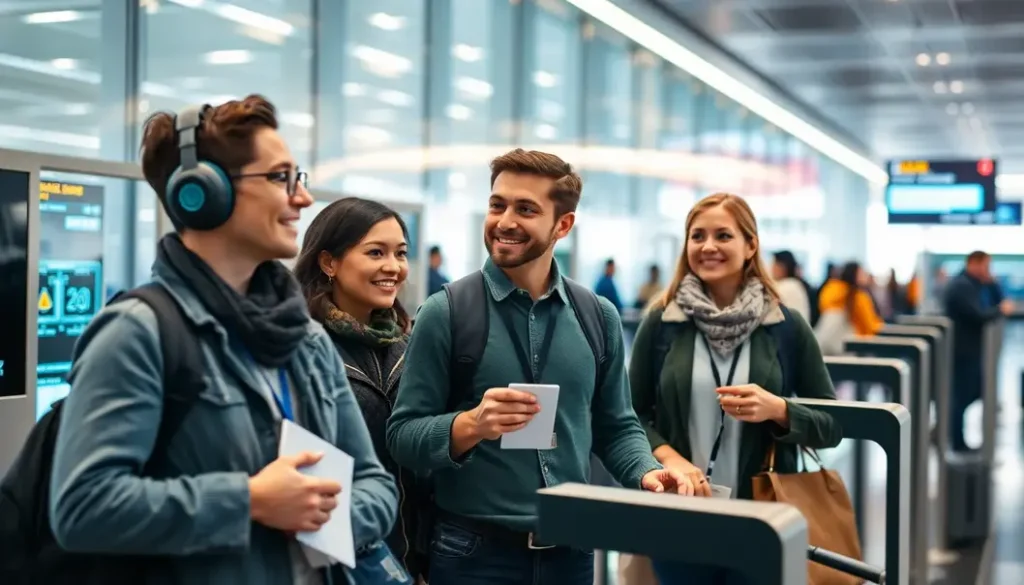
Biometric travel technology is reshaping how travelers experience security and efficiency at borders. With innovations such as facial recognition, fingerprint scanning, and iris detection, border management becomes streamlined and secure. For travelers, this means shorter waits and enhanced security. For governments, it represents an opportunity to boost national security while ensuring a smoother flow of people. As both sectors embrace these technologies, understanding their implications is crucial for maximizing benefits.
Benefits for Travelers: A Seamless Journey
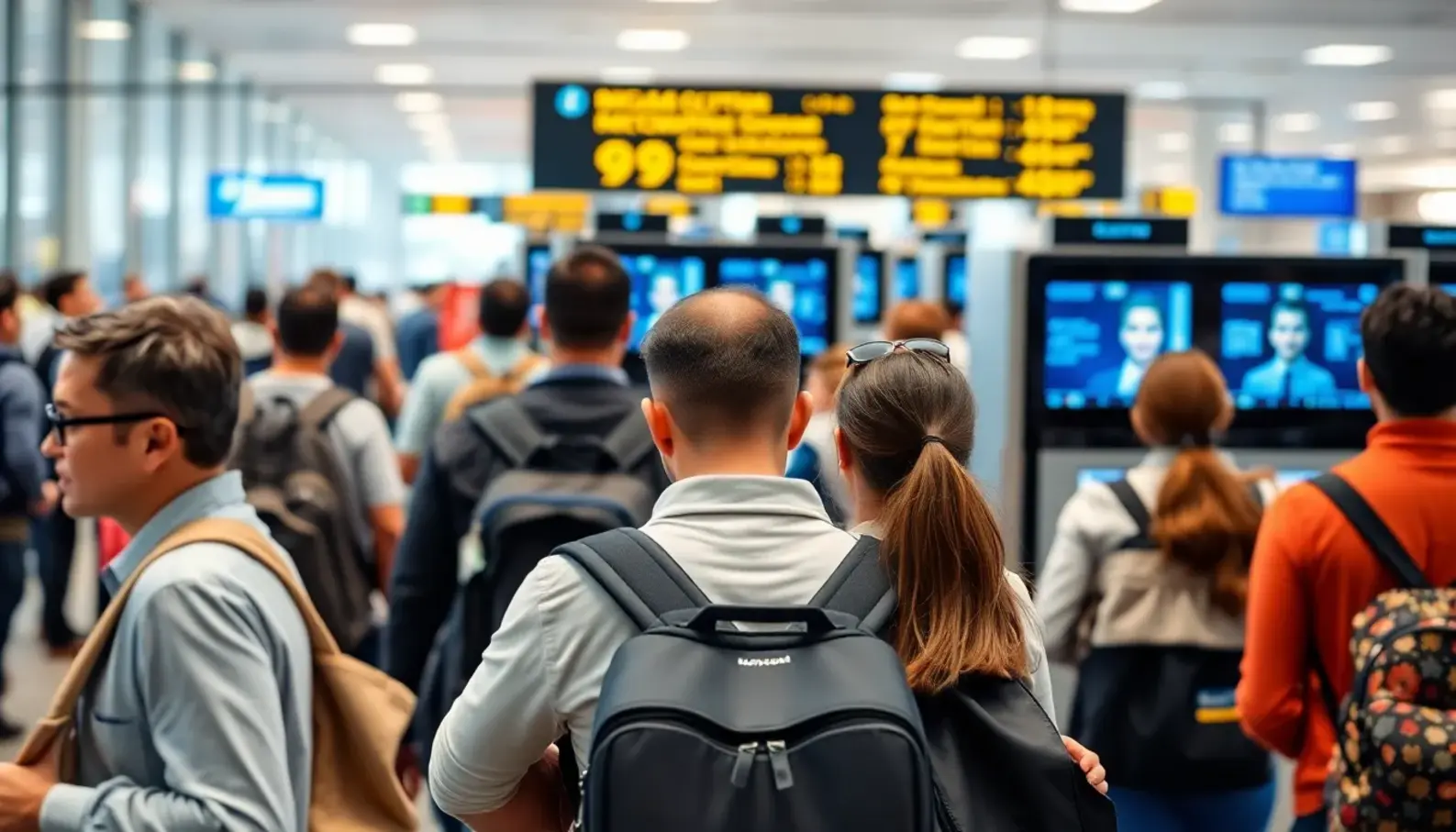
For travelers, biometric technology presents a transformative experience by significantly reducing wait times and enhancing overall experience. The insertion of biometrics into travel processes introduces a level of efficiency and precision previously unattainable. At its core, biometric tech ensures faster and more accurate identification processes, enabling individuals to pass through security checkpoints and immigration with minimal delays.
The use of biometric passports is a prime example of how this technology accelerates travel. These passports contain embedded chips with biometric identifiers, such as fingerprints or facial markers, which can be instantaneously verified against national and international databases. When travelers arrive at an airport, automated systems can quickly read these biometric details, vastly reducing the time spent at immigration desks.
Facial recognition technology is becoming increasingly prevalent at major airports worldwide. Travelers can now have their identity verified merely by looking into a camera. This streamlines the boarding process, ensuring that the individual embarking the plane is indeed the ticket holder, thereby enhancing security. By utilizing facial recognition, the boarding experience is expedited—a critical advancement in managing the flow of travelers efficiently during peak seasons.
Major international airports implementing these technologies have witnessed remarkable changes in travel dynamics. For instance, self-service kiosks using biometric verification have slashed the average processing time per passenger. In airports where biometric e-gates are deployed, travelers experience a quicker, hassle-free journey. These systems often integrate seamlessly with existing technologies, preserving a user-friendly interface while minimizing disruptions.
Despite these advancements, privacy concerns naturally emerge, and they deserve careful consideration. Travelers may worry about how their data is collected, stored, and shared. It’s essential for governing bodies to ensure that biometric data is protected by robust cybersecurity measures. Transparency in data handling and the implementation of strict access controls are fundamental in maintaining trust between the authorities and travelers. Discussions about these practices might align with broader themes in technology use, such as those explored in areas like AI in Business Growth.
In addressing privacy, the introduction of clear, informative guidelines on data usage and rights is crucial. Travelers should be empowered to understand the scope of biometric data application. Furthermore, providing options to opt-in or out where possible respects individual autonomy. Such frameworks are vital in alleviating concerns and promoting wider acceptance of these systems.
Biometric travel tech does not only offer pragmatic advantages but also significantly heightens safety and security measures. By providing an accurate identification method, it minimizes fraudulent activities and unauthorized entries, which are critical in maintaining national security and passenger safety. This layer of security is indispensable in an era where threats may emerge rapidly and unexpectedly.
Overall, biometric travel technology facilitates a seamless journey, balancing efficiency and security, while addressing valid privacy concerns. The road ahead will likely see these systems refined and embedded further into international travel infrastructure, echoing the continued evolution of travel tech as it adapts to increasingly complex global demands.
Government Perspectives: Security and Efficiency

Governments worldwide are increasingly integrating biometric technologies into their border control procedures to address both security and logistical challenges. These innovations transform how authorities manage borders by streamlining processes, enhancing security, and balancing privacy concerns, all within a rapidly evolving field.
Biometric systems such as fingerprint scanners, facial recognition cameras, and iris scanners are becoming more common at airports and border checkpoints. Automated border control kiosks, equipped with these technologies, enable travelers to clear immigration quickly by verifying their identities against stored biometric data. Such systems not only expedite the border crossing process but also reduce the risk of human error associated with manual checks.
The contribution of biometric verification processes to national security cannot be overstated. By leveraging databases filled with biometric templates, government agencies can quickly identify individuals who may pose security threats or have prior records. This rapid identification process is a key benefit of biometric systems, enabling the effective prevention of unauthorized access while facilitating legitimate travel.
Moreover, automated border control systems significantly increase operational efficiency. By reducing the dependence on manual checks, these systems decrease wait times and allocate resources more effectively, allowing border agents to focus on more complex cases. Countries such as Australia and Singapore have successfully implemented automated border processing, showcasing the dual benefits of heightened security and improved traveler experience.
However, despite these benefits, the implementation of biometrics at borders is not without its challenges, primarily concerning privacy. Governments must address how biometric data is collected, stored, and used to alleviate citizens’ concerns. Transparent communication about data protection measures is crucial. This includes clarifying who has access to biometric data, how it is protected against breaches, and the duration for which it is stored.
For instance, the European Union has established regulations such as the General Data Protection Regulation (GDPR) to ensure the protection of personal data across its member states. Such frameworks provide a model for balancing security needs with privacy rights, setting standards for data processing and ensuring citizens’ rights are respected.
Several countries have demonstrated the successful integration of biometrics into their border control processes. Australia, for example, has long been a pioneer in employing electronic passport gates, also known as SmartGates, which utilize facial recognition technology to simplify the process for Australian citizens. Similarly, Singapore’s Changi Airport uses automated systems that incorporate multiple biometric modalities to facilitate quick and secure passenger clearances.
The case of the United Arab Emirates offers another compelling example. It has adopted an advanced iris recognition technology system for its border control, allowing swift yet accurate verification of travelers’ identities. This not only enhances security but also offers a seamless experience for travelers, reducing queues and wait times.
Balancing these advanced security measures with privacy concerns requires ongoing dialogue between governments and citizens, continuous technological advancements, and robust regulatory frameworks. Governments must ensure that the deployment of biometric technologies aligns with ethical considerations and respects individuals’ rights.
Furthermore, advancements in related technologies, like generative AI as explored in AI in Business Growth, indicate a potential overlap where AI can further enhance the efficacy and adaptability of biometric systems without compromising privacy. Integrating AI can help refine biometric data analysis, reducing false positives, and enhancing overall system accuracy.
In conclusion, the embrace of biometric technologies by governments signifies a pivotal shift towards modernizing border security. While these systems offer substantial benefits in terms of efficiency and security, maintaining the trust of travelers through transparent practices and stringent protections is essential for their continued success.
Final words
Embracing biometric travel technology presents numerous benefits for both travelers and governments. By enhancing security and streamlining border processes, these innovations boost efficiency and create a safer travel experience. As the technology evolves, addressing privacy concerns will be essential for public acceptance. Stakeholders must collaborate to ensure that the systems implemented serve the interests of security, convenience, and personal privacy.
Secure Your Identity
Learn more: innoupdates.com
About us
Identity Verification Tech offers robust solutions for biometric identity management, enhancing security for travelers and government processes alike. Our cutting-edge technology safeguards personal data while ensuring efficient identification and authentication measures.