Neuromorphic computing represents a significant leap towards mimicking the complexities of human neural networks in technology. By integrating principles of neuroscience into computer architecture, this innovative approach enables data processing that is more efficient and adaptable, reflecting the way the human brain operates. Engineers and tech innovators are keen to explore how neuromorphic systems can transform artificial intelligence, machine learning, and other computational fields, offering enhanced performance for a variety of applications. Understanding the core principles and future implications of this technology is crucial for those looking to stay at the forefront of engineering advancements.
Understanding Neuromorphic Computing: Principles and Architectures
Neuromorphic computing stands as a frontier in the evolution of computational systems. To grasp its transformative potential, we must first understand the foundational principles underpinning this innovative approach. Traditional computing relies on sequential processing and binary logic. In contrast, neuromorphic computing draws inspiration from the human brain, using bio-mimetic architectures to achieve unprecedented efficiency in data processing and machine learning.
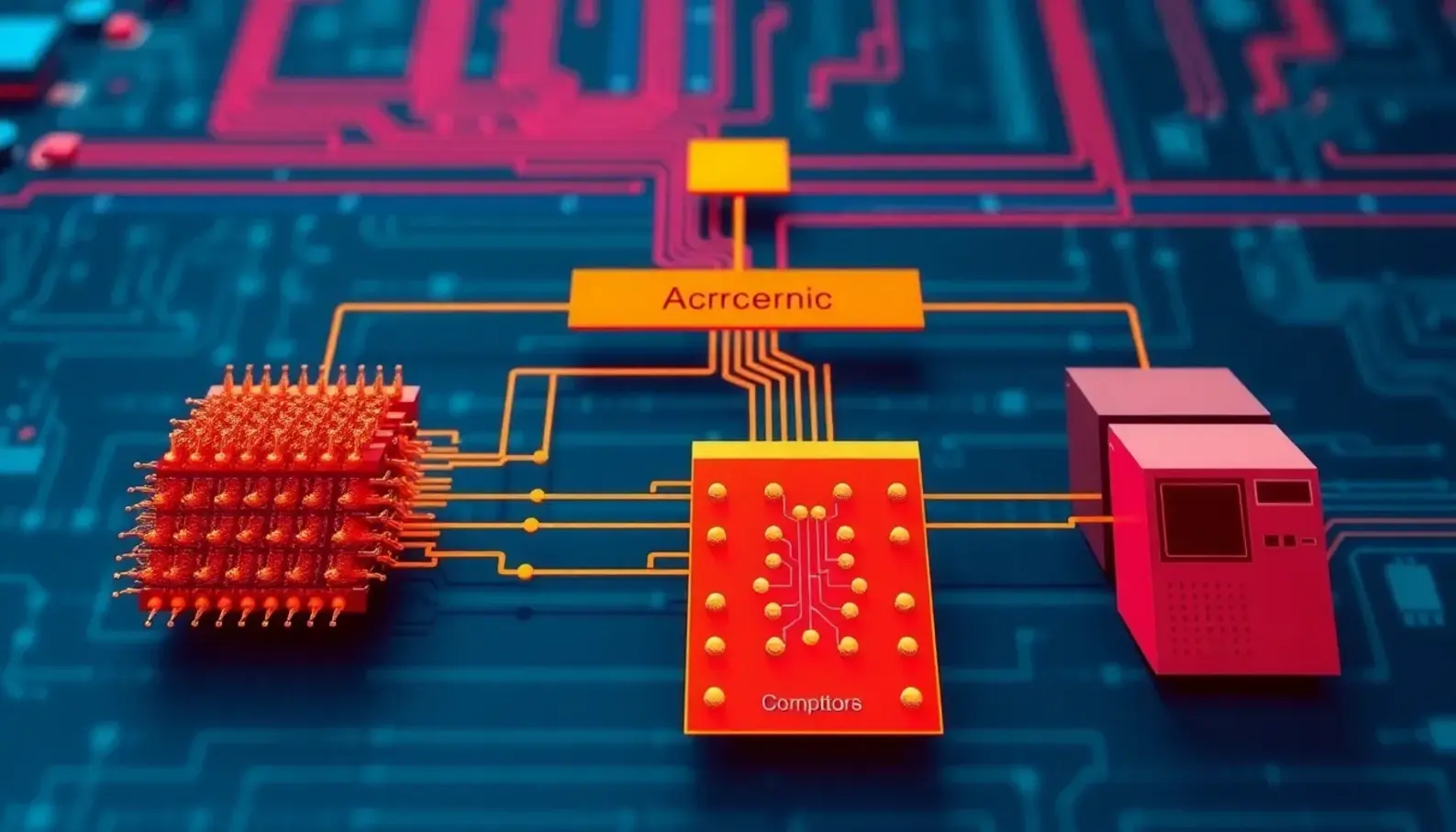
At the core of neuromorphic computing lies the attempt to recreate the functionalities of neural networks using hardware. The human brain consists of roughly 86 billion neurons, interconnected by an even larger number of synapses. Neuromorphic systems mimic these structures through specialized hardware components, such as artificial neurons and synapses, facilitating parallel processing and dynamic adaptability.
Unlike conventional processors, which process data in a linear sequence, neuromorphic chips operate on events or spikes akin to neuronal firings. This difference is crucial in understanding the efficiency of neuromorphic systems. Spiking Neural Networks (SNNs) represent a class of models that leverage this spike-based communication. In SNNs, information is encoded temporally, with spikes or events representing the occurrence of information transmission. This event-based approach replicates the brain’s efficiency in processing sensory inputs, enabling systems to handle vast amounts of data with minimal power consumption.
This efficiency comes from two primary characteristics: sparsity and temporal coding. Sparsity reduces the amount of data processed at any given time by focusing on significant spikes rather than all input signals. Temporal coding allows for the encoding of information based on the precise timing of spikes, adding a dimension that traditional computing lacks. These characteristics enable neuromorphic systems to operate in real-time environments with less energy.
Several architectures have been proposed to exploit these principles, each with unique features and potential applications. One notable example is the use of event-based sensors, which mimic the retina’s functionality to capture changes in a scene without redundant data capture. This capability is particularly advantageous in fields like robotics and autonomous vehicles, where sensory input must be processed rapidly and efficiently.
Another promising architecture is memristor-based networks. Memristors serve as non-volatile memory components resembling synapses’ behavior. They can retain resistance states, thus storing information and providing a physical substrate for implementing learning algorithms directly in hardware. This results in the integration of memory and processing, blurring the distinction traditional systems maintain between data storage and computation.
Neuromorphic computing also holds significant implications for advancing AI applications. By enabling more organic learning processes, these systems open new frontiers in machine learning evolution. They allow machines to adapt to changing environments in real-time, honing skills through experience rather than pre-programmed instructions. This approach contrasts with classical AI, which often requires extensive data preprocessing and significant computational resources for training models.
The impact of neuromorphic systems is evident in their ability to excel at tasks requiring pattern recognition and anomaly detection. Their efficiency in processing auditory and visual data is particularly noteworthy. They offer promising progress for industries reliant on quick decision-making, such as finance and healthcare, where speed and accuracy are paramount.
Despite the potential advantages, challenges remain. One primary challenge is the need for new algorithms capable of fully exploiting neuromorphic architectures. While neural networks for classical AI continue to evolve, neuromorphic systems require fundamentally different methods due to their distinct hardware constraints. The development of appropriate learning rules and training methods remains an active area of research.
Moreover, standardization in neuromorphic hardware design is yet to be achieved. Various hardware implementations exist, each tailored to specific applications or principles, complicating interoperability and broader application.
In summary, neuromorphic computing represents a monumental step toward creating systems that parallel human cognitive abilities. By harnessing brain-like architectures and event-driven processing, these systems offer a pathway to developing more efficient, adaptive, and powerful computing solutions. As research progresses, the integration of neuromorphic principles promises to revolutionize fields such as AI and beyond, offering a glimpse into the future of intelligent technology systems.
For those interested in exploring hybrid approaches that blend neuromorphic and classical models, examine innovative strategies in hybrid computing.
Applications and Future Directions of Neuromorphic Computing
Neuromorphic computing is rapidly evolving as a cornerstone of technological advancement across an array of industries. Its unique brain-inspired architecture enables more efficient data processing, setting a new trajectory for artificial intelligence implementation. One significant advantage lies in its potential to enhance AI systems by delivering real-time processing capabilities while maintaining low-power consumption.
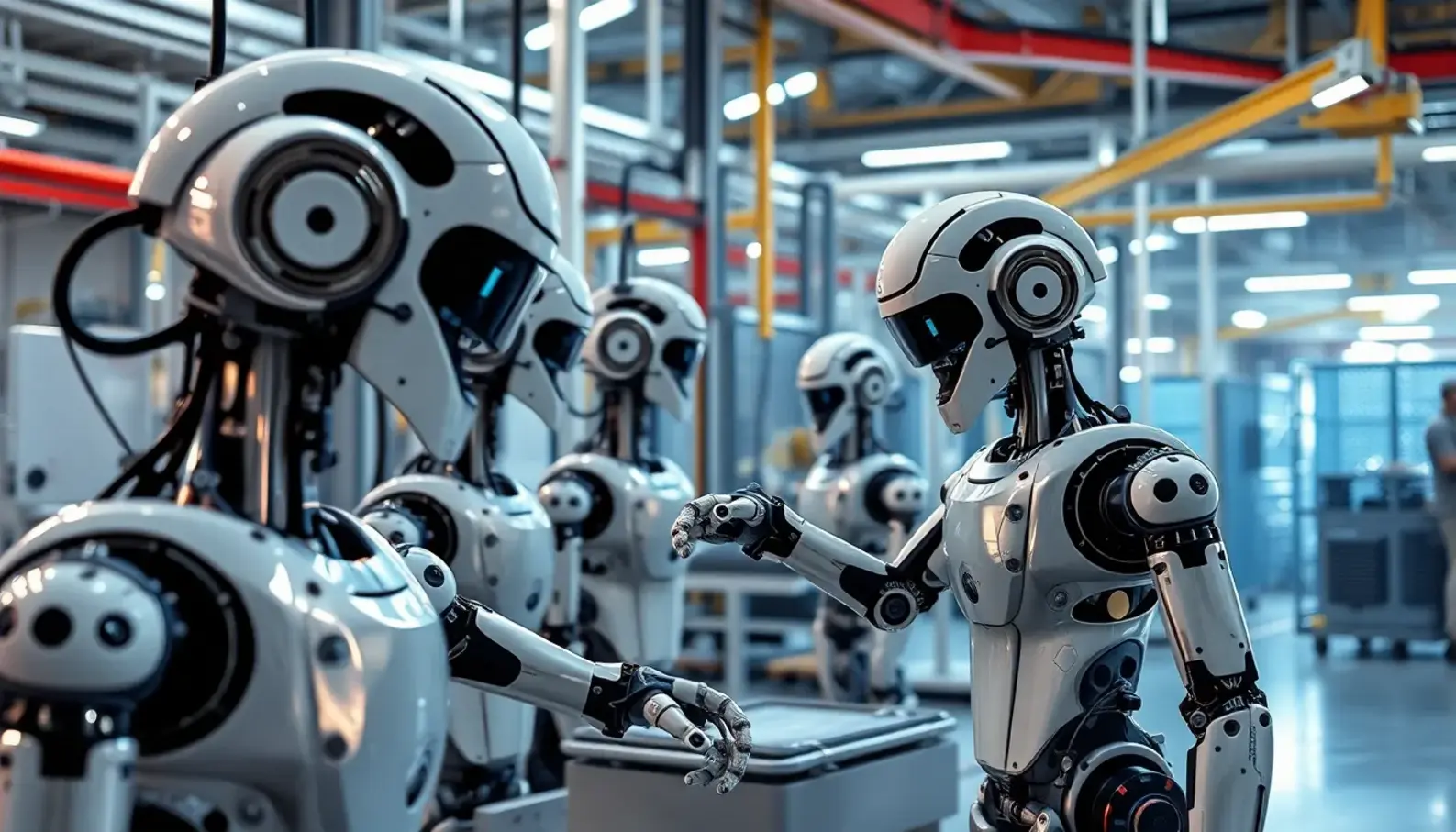
In robotics, neuromorphic computing is a game-changer. The ability to process information similarly to a human brain allows robots to handle tasks with increased responsiveness and adaptability. This real-time processing capability can be pivotal in areas like autonomous vehicles and drones, where split-second decision-making is crucial. Neuromorphic systems promise to enhance pathfinding and obstacle avoidance, making navigation safer and more reliable.
Another promising application of neuromorphic computing is in the realm of data analysis. Traditional computing systems often struggle with large-scale, unstructured datasets. Neuromorphic architectures, with their parallel processing capabilities, are uniquely equipped to handle such data. They can efficiently discern patterns and correlations that might elude conventional systems, thereby accelerating decision-making processes in sectors such as finance, healthcare, and weather forecasting.
The energy efficiency of neuromorphic chips represents a marked improvement over conventional processors. They offer substantial energy savings, which is a critical attribute as data centers and IoT devices proliferate. The demand for power-efficient solutions is increasing, making neuromorphic computing an attractive choice for sustainable technological growth.
Looking to the future, neuromorphic computing harbors the potential to bridge existing gaps in AI capabilities. Current AI systems sometimes falter when faced with tasks that require nuanced understanding and adaptation. Neuromorphic systems, with their derivative cognitive architectures, promise improved cognitive functions, such as perception and sensory processing, potentially surpassing human levels in certain domains.
In computational neuroscience, neuromorphic computing is opening new avenues of research. By reflecting the brain’s structure more faithfully, these systems enable researchers to test hypotheses about brain function and network dynamics in a way that was previously not possible. These insights not only enhance our understanding of the human brain but also inform the design of more sophisticated neural networks.
The influence of neuromorphic computing on engineer-led innovation is immense. Engineers are poised to leverage its capabilities to forge new AI applications that enrich human life, from healthcare diagnostics to smart home systems that anticipate user needs. This, in turn, can stimulate economic growth by fostering entrepreneurial ventures and startups seeking to capitalize on this cutting-edge technology.
The AI landscape is evolving at an unprecedented pace, necessitating innovative approaches to overcome current limitations. Neuromorphic computing is a key enabler in this evolution, unlocking possibilities for more efficient, intelligent, and adaptable systems. As we explore its potential, it is clear that this technology will play a pivotal role in shaping the computational strategies of the future.
For those interested in how hybrid computing strategies can complement the advances in neuromorphic computing, further insights can be found in this relevant article, which explores the integration of different computing paradigms to bolster AI performance across various domains.
Final words
Neuromorphic computing presents a paradigm shift in how we approach computing problems. By adopting architectures inspired by the human brain, engineers and tech innovators can unlock new levels of efficiency and adaptability across numerous applications. The journey towards realizing the full potential of this technology is just beginning, and its implications for AI and machine learning are profound. Embracing neuromorphic systems will be key to pioneering future advancements.
Explore Neuromorphic Tech
Learn more: https://innoupdates.com
About us
Our team specializes in AI hardware development, focusing on cutting-edge neuromorphic systems that enhance artificial intelligence applications. We design and prototype full-stack solutions tailored for industries such as robotics, automotive, and healthcare, ensuring our clients harness the full power of neuromorphic computing.