
The integration of Artificial Intelligence (AI) into supply chain operations is reshaping how businesses function at every level. As technology advances, entrepreneurs and Chief Information Officers (CIOs) must navigate this complex landscape to optimize their operations. AI technologies are not only enhancing efficiency and accuracy in logistics but also fundamentally changing decision-making processes. From predicting demand trends to automating repetitive tasks, AI offers a vast array of tools to improve supply chain performance. Embracing AI facilitates smarter resource allocation, better risk management, and enhanced customer satisfaction, making it crucial for modern businesses looking to stay competitive in an evolving market.
Understanding AI’s Role in Supply Chain Management
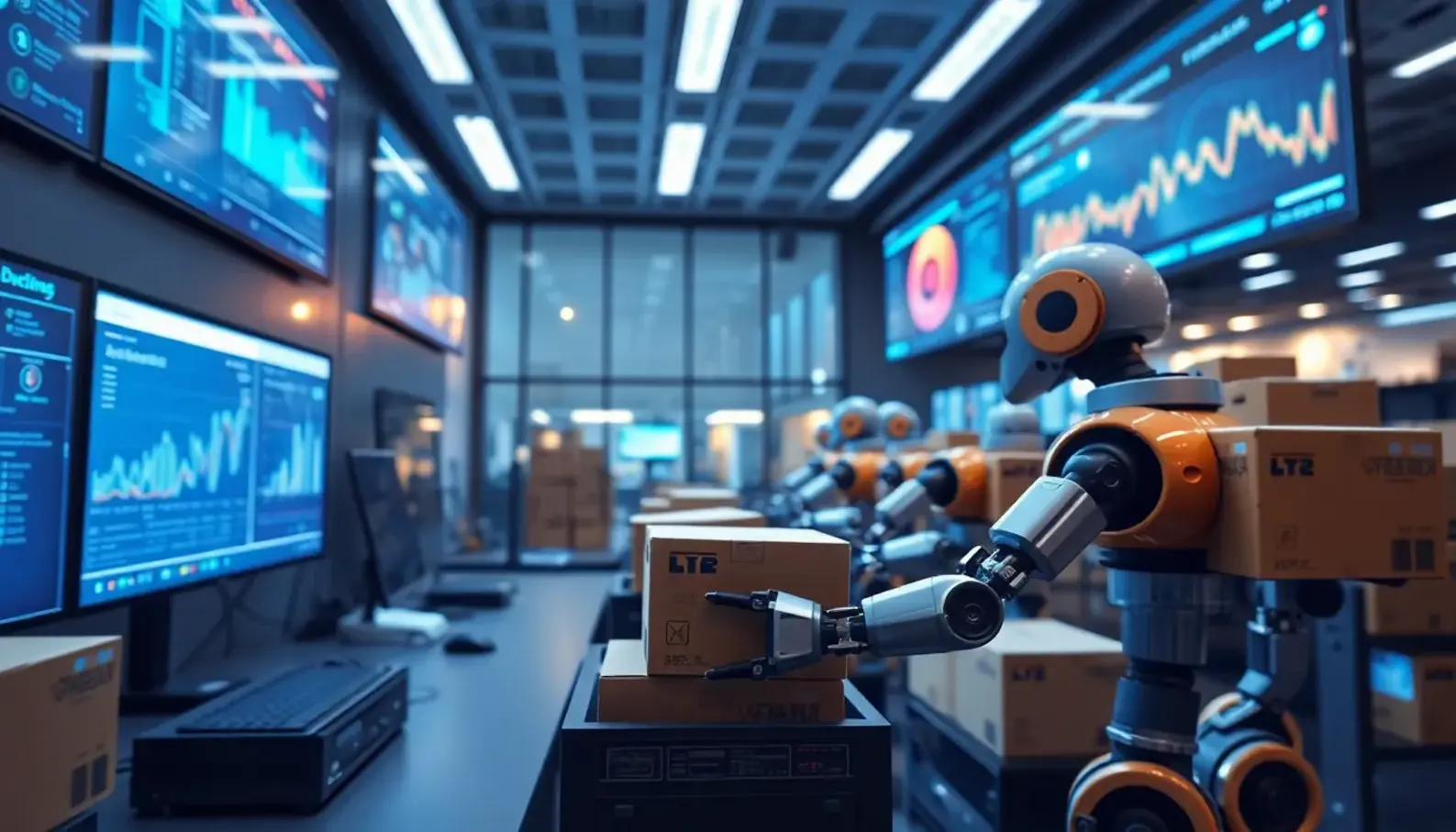
Artificial Intelligence serves as a transformative force in supply chain management, drastically improving operational efficiency, cost reduction, and predictive analytics. By leveraging AI, businesses can optimize processes traditionally prone to inefficiencies and errors, paving the way for more streamlined operations.
Efficiency and Cost Reduction
AI technologies streamline various aspects of the supply chain. Machine learning algorithms analyze vast quantities of data, identifying patterns and anomalies faster than human capabilities. These insights enable businesses to make more efficient decisions, like inventory management, procurement, and logistics.
Take inventory management as an example. By deploying AI-driven systems, companies can predict demand more accurately. This minimizes overstock and understock situations, which directly reduces costs associated with excess inventory or missed sales opportunities. Predictive algorithms assess historical sales data combined with market trends, adjusting inventory levels in real-time.
In logistics, AI-driven route optimization tools help distribution networks save significantly on transportation costs. Machine learning models calculate the most efficient routes by factoring in variables like traffic patterns, weather conditions, and delivery windows. The result is lower fuel consumption and faster delivery times.
Predictive Capabilities
The predictive power of AI transforms supply chains from reactive to proactive. Predictive analytics identifies potential disruptions before they occur. For instance, AI can predict equipment failures by analyzing sensor data from machinery. Early detection allows for preemptive maintenance, averting costly downtimes and keeping production lines running smoothly.
AI’s predictive capabilities extend to market trends. By analyzing consumer behavior and external factors, businesses can anticipate shifts in demand. This foresight helps supply chains adjust quickly to market changes, ensuring that production meets consumer needs without unnecessary lag.
AI Applications in Logistics
Several AI applications have emerged as game-changers in logistics. Natural language processing (NLP) creates smarter customer service through chatbots, which handle inquiries efficiently and round-the-clock. Customers receive instant support, improving their experience and reducing the workload on human customer service teams.
Robotics further exemplifies AI’s role. In warehouses, AI-powered robots manage picking and packing operations, increasing throughput and reducing human error. Robotics systems can work alongside humans, lifting heavier loads and performing repetitive tasks. This synergy enhances overall productivity while maintaining safety standards.
Industry Success Stories
Numerous companies successfully leverage AI to improve supply chain operations. A global leader in e-commerce uses machine learning and NLP to forecast demand and manage inventories across vast distribution networks. By enhancing these processes, they reduce waste and improve delivery efficiency.
Another example comes from an automotive company employing AI to optimize its supply chain from sourcing materials to producing vehicles. Machine learning algorithms offer insights into supplier performance and product quality, enabling more informed decision-making.
Real-Time Decision-Making
Integrating AI within supply chains facilitates real-time decision-making. Data from multiple sources across the supply chain funnel into AI models. Analyzing this data in real-time allows businesses to respond agilely to changes, be it supply disruptions, shifts in consumer demand, or logistic delays.
This ability to adapt quickly ensures supply chains remain resilient. In a volatile market, responsiveness is key to maintaining competitive advantage. AI provides this flexibility, allowing for strategic adjustments that align with dynamic market conditions.
Improved Inventory Management
AI reshapes inventory management by utilizing advanced analytics. Machine learning tools process historical data alongside real-time metrics, resulting in precise demand forecasting. This accuracy aids in maintaining optimal stock levels, reducing storage costs, and minimizing waste.
Furthermore, AI enhances visibility across the supply chain. With real-time tracking, businesses keep abreast of inventory levels, shipment statuses, and potential bottlenecks. This transparency is crucial for identifying issues before they escalate into significant problems.
By understanding AI’s role in supply chain management, entrepreneurs and CIOs can harness its potential to create more efficient, responsive, and cost-effective supply chains. AI-driven tools and technologies serve as invaluable assets in navigating the complexities of modern supply chain operations. For those looking to delve deeper into related AI innovations, consider exploring AI in Business Growth, which shares insights into leveraging AI across business functions beyond supply chains.
Strategies for Successful AI Integration in Supply Chains

Integrating AI into supply chains demands a thoughtful approach that emphasizes clarity of objectives, robust data handling, and cultural readiness. Entrepreneurs and CIOs must begin by identifying specific use cases where AI can bring tangible benefits. This involves a comprehensive assessment of current processes, pinpointing bottlenecks, or inefficiencies that could be mitigated through automation, predictive analytics, or enhanced decision-making capabilities.
Identifying Use Cases
To determine the right use cases, start with a clear understanding of the core supply chain objectives. Are you aiming to enhance demand forecasting, optimize inventory levels, or improve logistics? Use this clarity to guide the identification of areas where AI can make a difference. This targeted approach prevents the dilution of effort over too broad a scope, maximizing return on investment.
Once you’ve identified potential areas for AI implementation, prioritize them based on factors such as impact potential and ease of integration. Use pilot projects to test feasibility and iterate on these initial steps, refining the technology’s application in real-world conditions.
Understanding Data Requirements
Data is the cornerstone of any AI application. Ensure your supply chain data is comprehensive, clean, and accessible. A lack of high-quality data can derail AI initiatives before they start. Implement systems to collect and process both structured and unstructured data across supply chain operations. It’s vital to maintain a data governance framework that ensures continuous data quality, accuracy, and compliance with relevant regulations.
Moreover, understand the data privacy and security landscapes. AI solutions must compile extensive data volumes, making them appealing targets for cybersecurity threats. Implement robust security measures, such as end-to-end encryption, to prevent data breaches and ensure regulatory compliance.
Fostering a Culture of Innovation
The successful integration of AI requires more than just advanced technology; it necessitates a cultural shift towards innovation. Cultivating an environment that embraces change begins with leadership. Entrepreneurs and CIOs should champion AI by educating teams on its potential benefits and how it can augment existing processes. Foster an open dialogue about technology and innovation to encourage team members to contribute insights and ideas.
Training staff is another critical component. Equip teams with the necessary skills to work alongside AI technologies, helping them transition smoothly into roles that may change with AI integration. Consider tailored training programs and workshops to boost AI literacy across the organization.
Evaluating AI Solutions
Choosing the right AI solutions involves a systematic evaluation process. Consider functionality, scalability, and ease of integration into existing systems. Evaluate multiple vendors, keeping an eye on their track records, solution flexibility, adaptation capabilities, and customer support. Use pilot programs to test AI applications on a smaller scale, allowing for adjustments before wider deployment.
Incorporate feedback loops from these tests to refine and adapt strategies. Continuous evaluation helps align AI applications with dynamic supply chain needs, ensuring sustained effectiveness and relevance.
Measuring Impact
Once implemented, measuring the impact of AI on supply chain efficiency is crucial. Establish clear KPIs that align with your initial objectives. Whether it’s reducing delivery times, increasing forecast accuracy, or lowering costs, having measurable outcomes provides tangible evidence of AI’s benefits. Regularly review these metrics to ensure objectives are being met and to ascertain areas for further improvement.
Use advanced analytics to dive deeper into performance data, providing nuanced insights that can inform strategic adjustments. Frequent reassessment and recalibration keep the AI applications aligned with evolving business goals.
Overcoming Challenges
Resistance to change is a common obstacle in AI integration. Address these challenges by clearly communicating the benefits, including AI’s role in reducing workloads and enabling more strategic task focus. Provide demonstrations and involve employees in pilot projects to build familiarity and comfort with AI technologies.
Supply chains are dynamic, and AI solutions must be as adaptable. Allow for flexibility within systems to accommodate changing conditions, from market shifts to evolving customer demands. Adopt an iterative approach to AI development, welcoming feedback and adaptations as necessary.
Ultimately, successful AI integration in supply chains is a journey that requires commitment across the organization. Entrepreneurs and CIOs armed with well-defined strategies can spearhead this integration, leveraging AI to unlock new efficiencies and drive innovation forward.
For further exploration of AI’s implications across various business functions, AI in Business Growth may be a helpful resource.
Final words
The integration of AI into supply chain operations represents a significant opportunity for entrepreneurs and CIOs to enhance efficiency and responsiveness. By understanding AI’s role and implementing targeted strategies, businesses can transform their supply chains into adaptive, data-driven ecosystems. Embracing this change is no longer optional but a necessity to thrive in an increasingly competitive environment.
Empower your supply chain with AI insights. Get your checklist now!
Learn more: https://innoupdates.com
About us
At Innoupdates, we specialize in providing cutting-edge AI solutions tailored to enhance your supply chain management. Our expertise includes data analytics, machine learning implementation, and strategic consulting to optimize operations, reduce costs, and improve overall efficiency. We guide entrepreneurs and CIOs in navigating the complexities of AI integration, ensuring your business stays ahead in a competitive landscape.