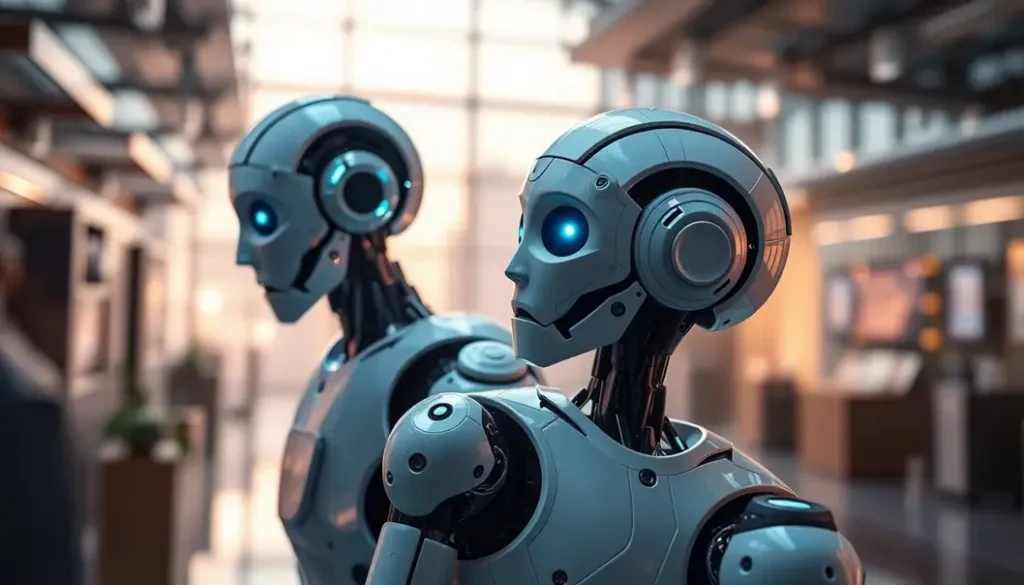
Robotics has steadily advanced from the realm of science fiction into the fabric of our daily lives. This technology is no longer confined to factories or laboratories; it is now assisting us at home and in workplaces worldwide. From household chores to innovative solutions in customer service, robotics is streamlining operations, boosting productivity, and enhancing quality of life. As we dive deeper into this exploration, we’ll uncover how robotics is not just a technological tool but a vital partner in improving efficiency and redefining human interactions in a multitude of sectors.
The Household Revolution: Everyday Robotics in Action
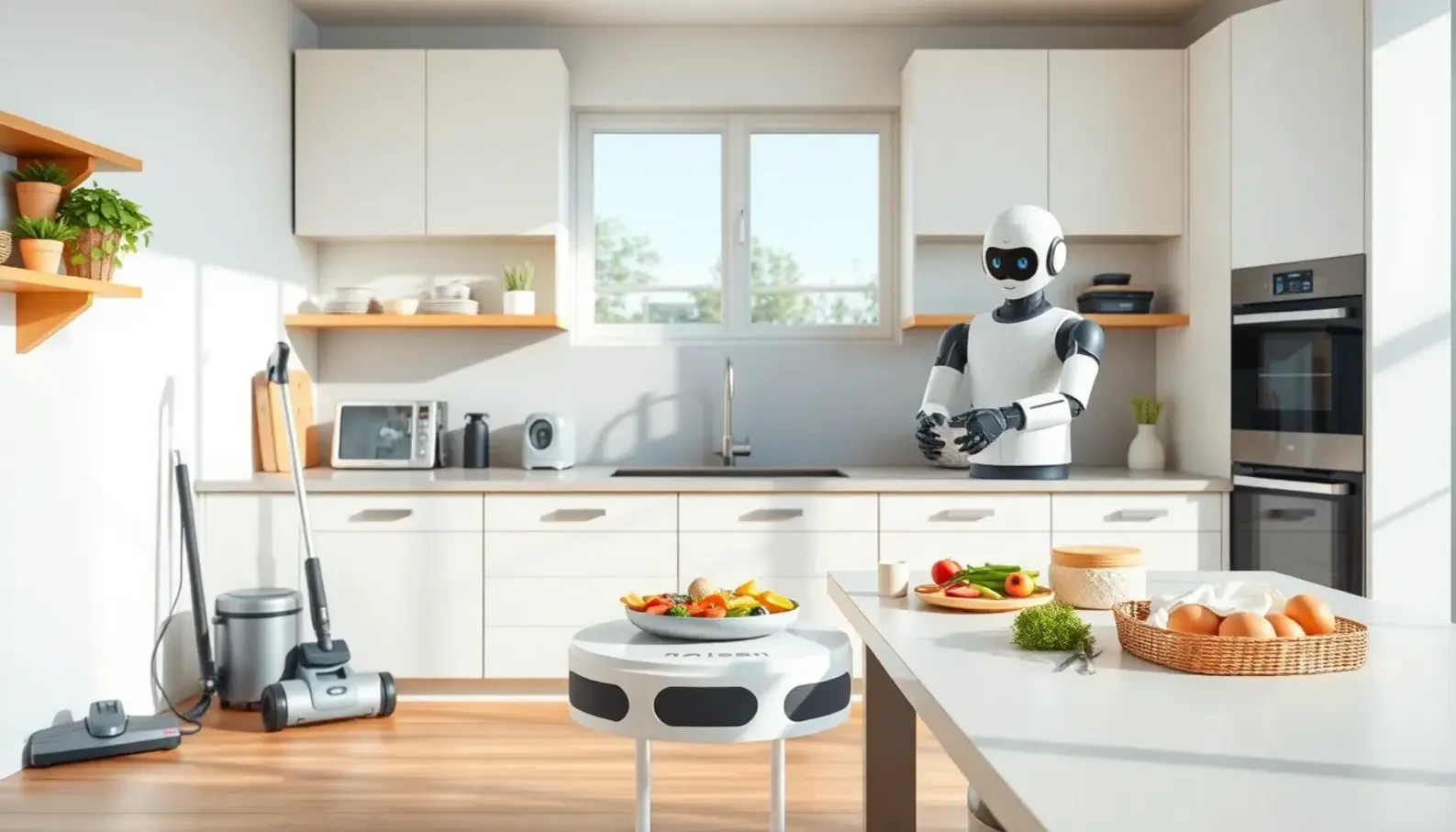
Household robotics signify a remarkable shift in how we interact with our living spaces. Once confined to futuristic films, robots have seamlessly integrated into our homes, revolutionizing daily routines and streamlining mundane tasks. These devices not only save time but also contribute significantly to enhancing the quality of life.
Aiding Everyday Chores
Domestic robots have become essential tools in managing household duties efficiently. From vacuuming floors to mowing lawns, these intelligent machines handle chores that once demanded physical labor and time. The adoption of robotic cleaners has been particularly notable. These devices map out floor plans, navigate around furniture, and efficiently clean surfaces, leaving homes spotless without human intervention. Similarly, robot lawn mowers operate autonomously, maintaining pristine gardens all year. Their sensors and algorithms ensure precise cutting patterns, contributing to perfectly manicured lawns.
The rising popularity of robotic kitchen assistants is another development. These devices assist in meal preparation by automating simple yet repetitive tasks. They handle everything from chopping vegetables to stirring ingredients, freeing up precious time for home cooks to focus on creativity rather than process. Such innovations transform the way meals are prepared, redefining convenience and culinary experiences.
Integration into Daily Routines
The integration of robotics into household schedules reflects a major shift toward automation-driven living. These devices are designed to blend seamlessly into daily routines, performing duties unobtrusively and consistently. For example, robotic vacuum cleaners operate during the day while residents are away, ensuring a clean home upon their return. Lawn maintenance robots rely on pre-set schedules that avoid human interference, while kitchen assistants prepare ingredients in tandem with cooking activities.
This smooth integration is made possible through advanced scheduling apps that allow homeowners to set precise operating times remotely. These applications provide real-time feedback on task progress and enable users to make necessary adjustments, adding layers of personalization to robotic involvement in domestic affairs.
Enhancing Quality of Life
The shift toward household robotics goes beyond convenience and efficiency—it’s about enhancing life quality. By delegating repetitive and time-consuming chores to machines, households can invest more time in other meaningful activities. This includes spending quality time with family, pursuing hobbies, or simply relaxing. The psychological impact of a well-maintained home without the associated labor cannot be underestimated. It reduces stress and creates a more harmonious living environment.
Moreover, domestic robots contribute to sustainability efforts. Many are designed with energy efficiency in mind, reducing overall household energy consumption. Some devices incorporate smart sensors that moderate power usage based on activity and requirement, thus lessening the carbon footprint incrementally.
Revolutionary Examples
The array of devices reshaping home management is vast, but key innovations stand out. The concept of robotic cleaners extending beyond floors is one such development. Window-cleaning robots maintain cleanliness and enhance views, eliminating the need for professional services or precarious balancing acts.
Emerging trends in smart closet systems demonstrate potential for transforming how clothes are managed. These automated systems sort, organize, and even suggest outfits based on weather, calendar events, or personal style preferences, merging convenience with style proficiency.
Looking Ahead
The evolution of household robotics will likely continue, with future advancements promising even greater integration and functionality. Technologies such as ambient intelligence could see devices not only responding to explicit commands but also predicting needs based on environmental cues and user patterns.
Exploring further innovations in this realm is crucial. For insights into how smart technology continues to shape homes and enhance convenience, visit Smart Assistants at Home: A New Era of Domestic Technology for a broader understanding of this burgeoning field.
This ongoing revolution reflects the tremendous potential of robotics to transform everyday life, from practical task assistance to elevating overall living standards.
Robotics in Business: Streamlining Operations and Enhancing Customer Experiences
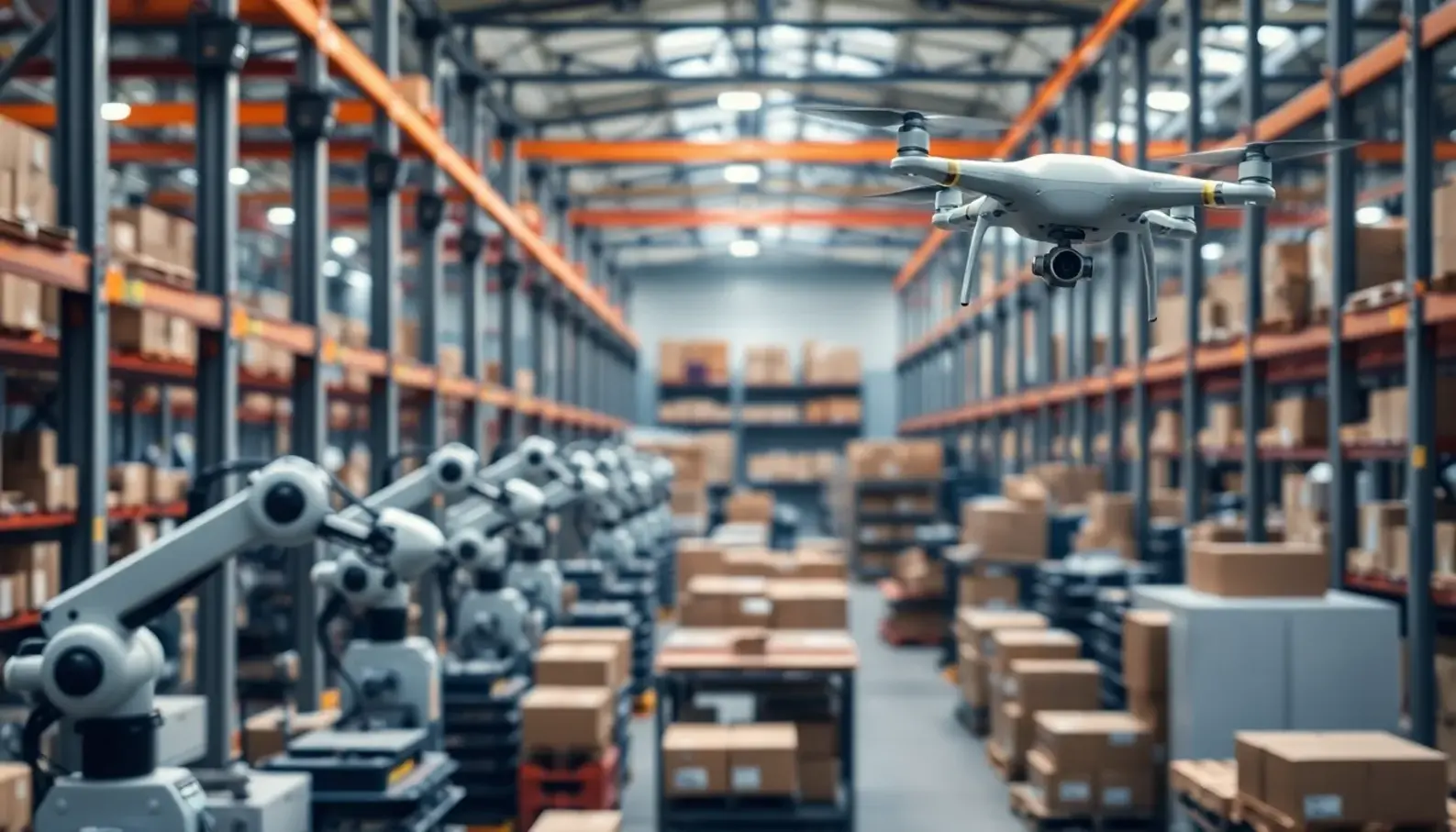
The integration of robotics within various business sectors signifies a profound transformation affecting both operational processes and customer engagement. In manufacturing, robotics has been instrumental in optimizing production lines. The use of robotic arms and automated machines increases the speed and precision of production, greatly reducing the margin of error. For instance, in specialized manufacturing environments, robots can consistently perform repetitive tasks with accuracy that greatly surpasses human capabilities, driving down costs and enhancing efficiency.
Operational Efficiency in Manufacturing
Robotics in manufacturing also allows for extended operational hours, as robots can work tirelessly without breaks. This transition not only maximizes throughput but also enables businesses to meet rising demands more efficiently. Furthermore, adaptive robotics, which can adjust quickly to different tasks on the line, make it possible to introduce higher product variability at a minimal additional cost. The flexibility inherent in today’s robotics systems allows companies to pivot production lines quickly in response to market needs, a shift that significantly shortens the time from innovation to marketplace.
Impact on the Service Industry
In the service sector, robotics provides enhanced customer interactions through the implementation of service robots in environments like retail and hospitality. These robots are capable of performing tasks such as greeting customers, providing product information, and even handling transactions. Notably, their presence allows human staff to focus on more complex customer interactions, enriching the service quality and customer satisfaction.
Service robots are also pivotal in data collection processes, gathering information on consumer preferences and behaviors without intruding on customer experience. These insights enable businesses to tailor services more efficiently and develop targeted marketing strategies, optimizing operational decisions and ensuring that customer needs are met more effectively.
Improving Logistics and Supply Chains
The logistics and supply chain sectors have seen a revolution through robotics. Autonomous vehicles and drones are frequently utilized for transportation and delivery, facilitating a faster and more reliable logistics infrastructure. Automated sorting systems in warehouses — capable of organizing, tracking, and dispatching products — streamline supply chains, minimizing the delivery times and reducing the overhead costs traditionally associated with human labor.
These automated systems are complemented by advanced data analytics, which, when combined with robotics, offer enhanced visibility and control over logistics operations. The synergy between robotics and data-driven strategies ensures resources are used optimally, reducing waste and achieving more sustainable business practices. Additionally, these advancements support just-in-time inventory systems, reducing excess storage costs and improving response time to supply chain disruptions.
Customer Experience and Satisfaction
From a customer perspective, the integration of robotics directly improves the quality and speed of service they receive. Automated customer service bots, powered by advances in natural language processing, provide immediate assistance and streamline the resolution of customer inquiries. In retail, the implementation of robotics enhances the shopping experience by making it smoother and more engaging, encouraging greater customer satisfaction and brand loyalty.
Moreover, as seen in innovative retail environments, robotic systems that guide customers through personalized experiences — by suggesting products based on previous purchases or browsing histories — deepen engagement and drive sales. This concept of a more personalized and responsive customer experience is a significant competitive advantage in today’s marketplace.
Strategic Integration with Emerging Technologies
The integration of robotics in business does not occur in isolation. It is part of a broader trend of digital transformation, incorporating technologies like artificial intelligence to improve decision-making processes. For instance, AI coupled with robotics fosters an environment where machines learn from human interactions and optimize their operations accordingly. This synergy is highlighted in strategic applications, discussed in resources like AI in Business Growth, where the blend of robotics and AI enhances business models and operational strategies.
The seamless integration of robotics into business operations and customer interfaces promises continued improvement in efficiency and satisfaction. As companies harness the full potential of robotics, they prepare to meet future challenges with innovative solutions that may redefine traditional business models. By weaving robotics into the fabric of business operations, industries can remain competitive, responsive, and sustainable in an ever-evolving landscape.
Final words
Robotics is swiftly becoming an integral part of our lives, enhancing daily tasks at home and transforming the way businesses operate. As these technologies continue to evolve, they promise to offer even more solutions to everyday challenges, making life easier and more efficient. Staying informed and embracing these innovations will empower us to leverage their full potential, enhancing both personal and professional arenas.
Discover Robotics
Learn more: innoupdates.com
About us
Robotic Automation Services: We specialize in integrating advanced robotic solutions into your daily operations, ensuring efficiency and innovative growth in your business.