
The integration of Artificial Intelligence into healthcare analytics marketing is proving to be a game-changer for HR managers and investors alike. By leveraging AI, organizations can gain invaluable insights into patient behaviors, market trends, and operational efficiencies. This shift not only enhances the precision of marketing efforts but also ensures better allocation of resources toward initiatives that yield optimal returns. As the healthcare landscape evolves, embracing AI as a key component of marketing strategies represents an opportunity for growth and innovation, enabling stakeholders to make informed decisions backed by robust, data-driven analytics. Stakeholders must therefore understand the implications and strategies of integrating AI into healthcare marketing analytics.
Understanding AI’s Role in Healthcare Analytics
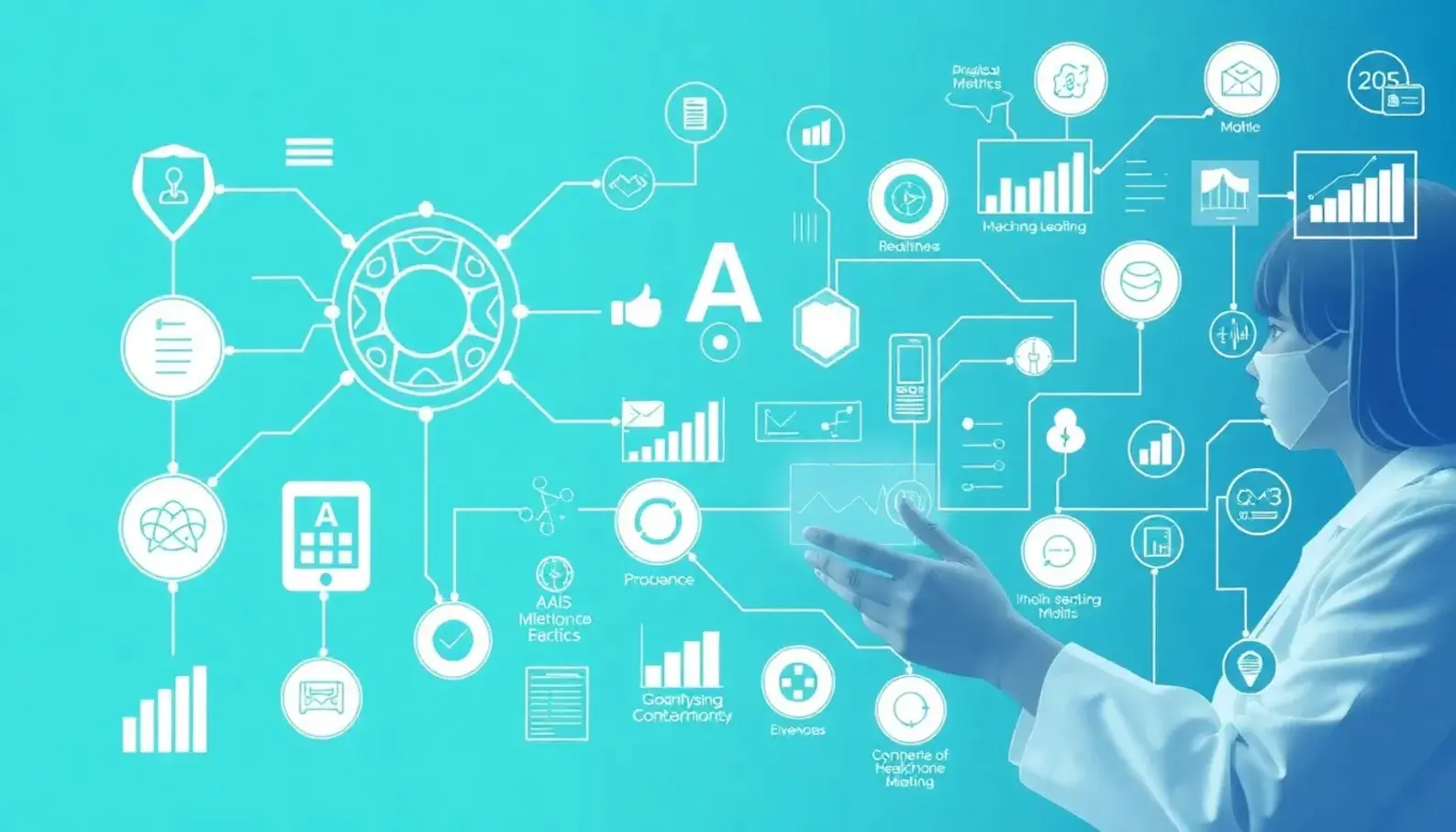
In the realm of healthcare analytics, AI has emerged as a transformative force, reshaping how data is interpreted and utilized. The essence of AI in this field lies in its capacity to mine vast datasets, identify patterns, and generate insights that might elude traditional analytical methods. AI achieves this through a diverse array of technologies and techniques, each playing a unique role in unraveling healthcare data’s complexities.
Machine Learning: Decoding Patterns
Machine learning (ML) stands at the core of AI’s impact on healthcare analytics. Its foundation rests in algorithms that learn from data, adapting to new information without explicit programming. One pivotal aspect of ML is its ability to process large volumes of varied data—structured or unstructured. Supervised learning techniques, where models are trained on labeled datasets, allow for robust predictive analytics. These models assist healthcare marketers in identifying trends and predicting patient behaviors, enabling them to tailor their strategies accordingly.
Moreover, unsupervised learning helps in anomaly detection and clustering, which are crucial for segmenting patient demographics. For instance, clustering algorithms can group patients based on similar characteristics, making it easier for marketers to focus on niche markets. By categorizing patients effectively, healthcare marketers can devise strategies that resonate with the specific needs of each demographic, enhancing personalization and engagement.
Natural Language Processing: Interpreting Human Language
Natural Language Processing (NLP) augments AI’s analytical capabilities by allowing computers to understand and process human language. In healthcare, NLP is pivotal for extracting information from unstructured data sources like clinician notes, patient reviews, and social media. By converting text into quantitative data, NLP helps reveal patient sentiments and preferences. This insight is invaluable for marketers looking to hone their messaging techniques and develop more effective communication strategies.
Sentiment analysis, a branch of NLP, is particularly beneficial. By analyzing patient feedback, sentiment analysis can provide marketers with an understanding of how different demographics perceive a brand or service. It enables the creation of marketing messages that resonate with target audiences, thus enhancing the overall patient experience and brand loyalty.
Predictive Capabilities: Foreseeing Trends
AI’s predictive analytics offers a new frontier in healthcare marketing. By leveraging historical data and identifying patterns, predictive models forecast future trends. This is especially useful for anticipating changes in patient preferences and behaviors. Marketers can take proactive steps to align their strategies with these anticipated trends, ensuring they remain competitive.
Predictive analytics drives the implementation of trend analysis and customer lifetime value prediction. By evaluating past interactions and transactional data, AI can gauge the potential future behaviors of patients. This insight helps marketers allocate resources efficiently and focus on high-value markets. Thus, predictive analytics not only optimizes marketing efforts but also enhances the allocation of marketing budgets, providing better returns on investment.
Data Visualization: Making Sense of Complex Data
The power of AI in healthcare analytics is significantly amplified by advanced data visualization techniques. These tools transform complex data sets into visual representations that are easier to comprehend. Through charts, graphs, and dashboards, marketers can gain a clearer view of data-driven insights. This clarity enables swift decision-making processes, crucial for adapting strategies in an ever-evolving healthcare environment.
Interactive dashboards, powered by AI, allow marketers to explore data from various angles. By visualizing patient journeys and demographic-specific patterns, they gain a deeper understanding of patient segments. It also aids in tracking the performance of marketing campaigns in real-time, facilitating immediate adjustments to optimize outcomes. This agility ensures that marketing strategies remain dynamic and responsive.
Tailoring Marketing Strategies with AI
For HR managers and investors, understanding AI’s prowess in healthcare analytics translates to appreciating its strategic value in marketing. AI-driven insights empower marketers to tailor strategies that align with specific patient needs, enhancing engagement and personalization. The ability to personalize marketing efforts increases patient satisfaction and strengthens brand loyalty.
Additionally, AI’s ability to process diverse data types means marketers can craft more inclusive strategies. By understanding the behavioral patterns across different patient demographics, marketers ensure their campaigns resonate with a broader audience. This holistic understanding fosters greater inclusivity and broadens market reach.
The integration of AI tools such as machine learning, NLP, and data visualization in healthcare analytics is revolutionizing how marketing strategies are conceived and applied. By eliminating outdated, one-size-fits-all approaches, AI paves the way for precise, data-driven marketing that resonates with patients on a personal level.
For an in-depth exploration of how AI revolutionizes marketing strategies across various fields, you can visit AI in Marketing Strategies. This resource provides further insights into how AI-driven analytics can optimize marketing efforts beyond healthcare, enhancing their effectiveness across industries.
As the healthcare marketing landscape becomes increasingly data-centric, leveraging the full potential of AI’s analytical capabilities is not merely an option—it’s a necessity. By fully understanding and harnessing these tools, healthcare organizations can deliver marketing experiences that are not only targeted but also intimately connected to the nuanced needs of their audience.
Implementing AI to Optimize Healthcare Marketing Strategies

To unleash the full potential of AI in healthcare marketing, a structured implementation is crucial. AI offers extensive opportunities to refine targeting, personalize communication, and enhance overall marketing strategies. Let’s delve into actionable strategies and examine successful case studies.
One significant area where AI has demonstrated impressive potential is in targeting potential patients. By leveraging machine learning algorithms, healthcare marketers can analyze vast quantities of data to predict patient behavior and preferences. In one case study, a healthcare provider utilized AI to identify at-risk patient groups for colorectal cancer screenings. By examining patterns in electronic health records, the system accurately targeted communications to those most in need of screening, resulting in a higher participation rate.
AI’s ability to segment markets with precision is another powerful application. Consider a hospital network that applied natural language processing to social media data to understand community health concerns. By segmenting feedback into meaningful categories, marketing teams developed customized campaigns addressing specific issues, leading to a substantial increase in patient trust and engagement.
Optimizing marketing channels through AI can streamline operations and drive efficiency. An insurance provider, for instance, implemented AI-driven analysis to determine the most effective communication channels for different patient demographics. The AI model evaluated engagement metrics across email, social media, and direct mail, advising on optimal resource allocation. This data-driven approach improved conversion rates significantly, illustrating AI’s role in optimizing multi-channel strategies.
Developing an AI-based marketing plan involves setting clear objectives, selecting appropriate tools, and ensuring data integrity. Start by defining precise goals, whether increasing patient engagement or improving service uptake. Choose AI tools aligned with these objectives that integrate seamlessly with existing technology infrastructure. It’s vital to maintain high data quality and privacy standards throughout the entire process to build and sustain patient trust.
Assessing ROI on AI initiatives requires evaluating changes in key performance indicators pre-and post-implementation. Critically analyze metrics such as patient acquisition cost, conversion rates, and patient satisfaction levels. A comparative approach will highlight the financial and qualitative value AI adds to your marketing strategy, justifying investment to stakeholders.
Managing ethical considerations in data usage is non-negotiable. Patient data is sensitive; hence ethical use mandates compliance with legislation like GDPR or HIPAA. Ensure ethical practices by being transparent about data collection methods, obtaining informed consent, and implementing robust data protection measures. Profiling patients through AI should always prioritize patient well-being and respect for personal privacy.
Despite its advantages, AI adoption in healthcare marketing faces challenges. Data privacy concerns, algorithmic biases, and integration complexity are key issues. Solutions involve using anonymized data, auditing AI systems for fairness and bias, and ensuring seamless integration of AI technologies with existing systems. Collaborating with AI ethics experts can mitigate potential risks and strengthen system design.
To further explore the intersection of AI and strategic marketing, our readers can delve into AI Marketing Strategies for additional insights.
HR managers and investors must understand that AI not only optimizes operations but also enhances patient relationships by delivering personalized health experiences. The rationale for integrating AI lies in its ability to transform marketing strategies into precision tools that adapt dynamically to patient needs. AI empowers healthcare providers to offer more efficient and targeted marketing, making a compelling case for its adoption.
Final words
AI is reshaping healthcare analytics marketing in ways that enhance decision-making and operational efficiency. By harnessing AI tools, HR managers and investors can unlock rich insights that improve targeting, reduce costs, and boost patient engagement. In an increasingly competitive healthcare landscape, understanding how to leverage these technologies will be essential for success. The path to a data-driven future in healthcare marketing is clear – it is time to embrace AI.
Sign up for our webinar to learn more about AI in Healthcare Analytics Marketing!
Learn more: https://innoupdates.com
About us
Our company specializes in providing cutting-edge AI solutions tailored for the healthcare sector. We offer a suite of tools designed to enhance analytics capabilities, optimize marketing strategies, and drive engagement. Our expertise allows HR managers and investors to navigate the complexities of healthcare marketing while leveraging AI to deliver innovative and effective solutions.