Navigating modern marketing demands innovation and data-driven insight. AI marketing leverages advanced technologies to enhance customer engagement and streamline operations. This paradigm shift not only allows brands to personalize experiences but also equips marketing executives with tools to make informed decisions.
Understanding AI in Marketing
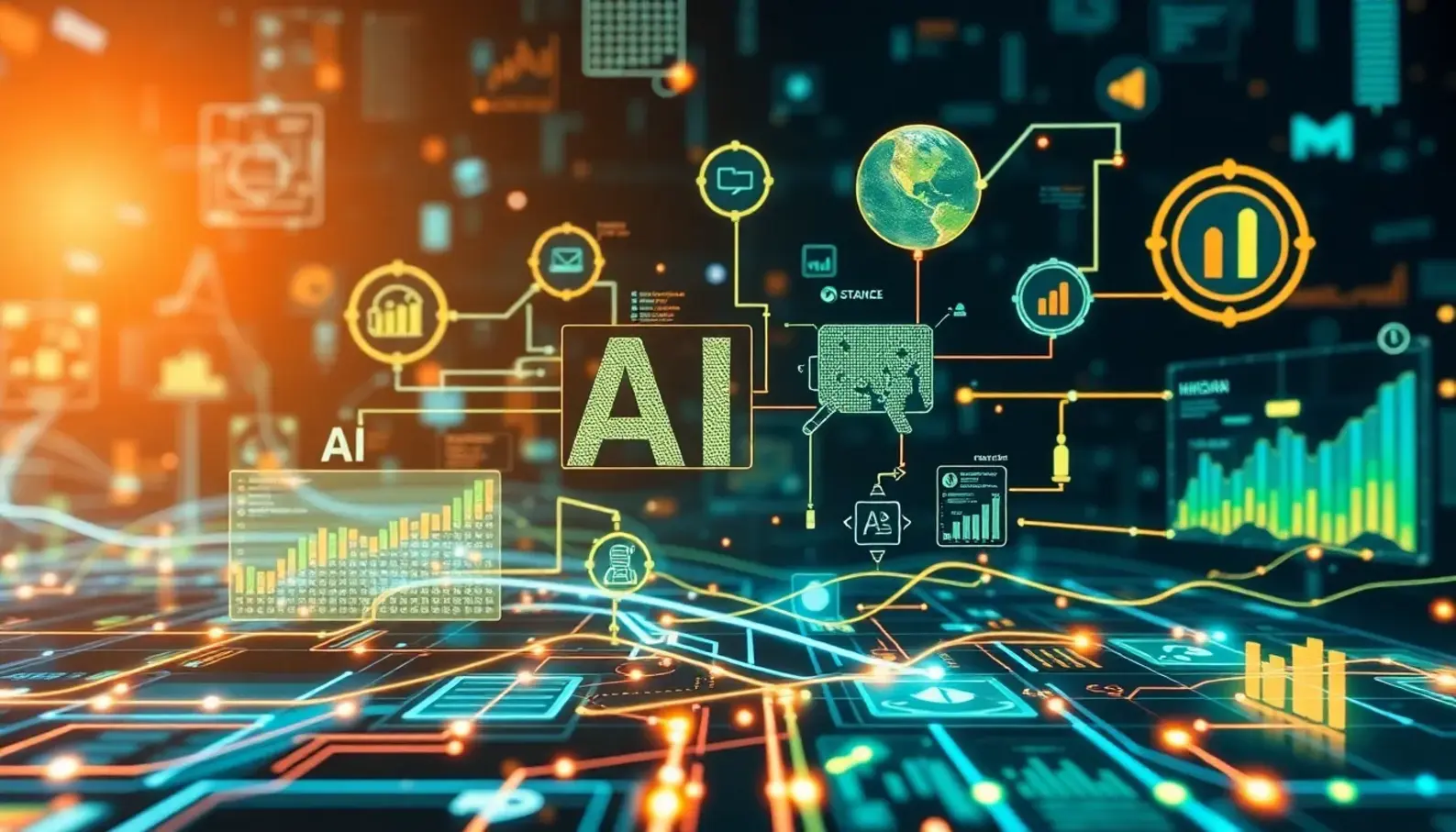
Artificial intelligence is redefining every aspect of marketing, transcending traditional boundaries to revolutionize how brands connect with consumers. With the rapid evolution of AI technologies, marketers are now equipped to harness vast amounts of data with unprecedented speed and precision. This transformation is characterized by a myriad of AI applications, each finding distinct roles in enhancing customer analytics, segmentation, and personalization.
AI technologies such as machine learning, natural language processing (NLP), and neural networks are at the core of this shift. Machine learning algorithms enable systems to learn from data, automatically improving their performance. This adaptability is crucial for brands seeking to refine their marketing strategies based on consumer behavior.
One of the most profound impacts of AI in marketing is its ability to process and analyze vast datasets. Such capabilities allow marketers to glean insights from customer interactions at a granular level. These insights help in understanding patterns, preferences, and pain points, ultimately leading to more informed decision-making. For instance, AI-driven analytics can reveal trends that might otherwise remain hidden in traditional datasets.
Beyond analytics, AI plays a pivotal role in customer segmentation. Traditional segmentation techniques often rely on broad demographic categories. In contrast, AI can segment audiences based on behavioral data, purchasing history, and even real-time interactions. This granular segmentation means that marketing messages can be tailored to resonate with the smallest and most specific groups within a brand’s customer base.
Personalization is another area where AI is driving significant advancements. AI systems can analyze the unique preferences of individual users and deliver personalized content, offers, and experiences. This level of customization enhances the customer journey, increasing engagement and fostering brand loyalty. By utilizing AI to deliver personalized experiences, companies can distinguish themselves in a crowded marketplace.
However, the adoption of AI in marketing is not without challenges. One of the primary hurdles is the integration of AI tools into existing systems. Many marketers find themselves grappling with technical complexities and the need for specialized knowledge. Additionally, as AI systems rely heavily on data, ensuring data privacy and compliance with regulations becomes paramount. The evolving landscape of data protection laws, such as GDPR, necessitates that marketers remain vigilant and informed.
The potential for AI to disrupt and enhance the marketing field also raises ethical considerations. There is a delicate balance between personalization and privacy, and marketers must navigate this responsibly. Transparency in how data is used and the ethical deployment of AI technologies are crucial in maintaining consumer trust. Moreover, as AI systems learn from data, inherent biases can be amplified. Addressing these biases and ensuring AI fairness should be a priority for all involved.
AI’s role in marketing is further detailed by the emergence of sophisticated applications such as chatbots and recommendation engines. AI-powered chatbots enhance customer service by providing instant, 24/7 responses to inquiries, leading to higher customer satisfaction rates. Recommendation engines, meanwhile, utilize AI to suggest products or services to consumers based on their past behaviors and preferences, driving sales and improving user engagement.
Looking towards the future, the integration of AI in augmented reality (AR) and virtual reality (VR) marketing spaces promises yet more avenues for engagement. Through AI, these immersive technologies can deliver personalized, interactive experiences that captivate and engage audiences at a deeper level.
For businesses aiming for growth through innovation, exploring how AI can be integrated into their marketing strategies is essential. By doing so, they can not only remain competitive but also lead the charge in creating innovative ways of engaging with customers. Companies must strive to adopt a balanced approach, leveraging AI capabilities while overcoming its challenges to truly transform their brand engagement strategies.
For further insights into how AI is transforming business landscapes, you can read about its broader impact on business growth in this article.
Implementing AI Marketing Solutions

Successfully incorporating AI into marketing requires a strategic approach that combines cutting-edge tools with thoughtful planning. This chapter outlines how to implement AI-powered solutions for better customer engagement, leveraging data analytics, and optimizing marketing automation.
To start, organizations need a robust framework for collecting and processing data. Rich data sources are foundational, offering actionable insights into consumer behavior. AI tools can help analyze vast amounts of data from various touchpoints, pinpointing patterns and predicting trends. This requires identifying clear objectives and ensuring data quality. By deploying data integration platforms, marketing teams can unify diverse datasets into coherent insights, empowering more strategic decision-making.
Next, customer insights can be profoundly enhanced using AI. By integrating sentiment analysis and natural language processing (NLP) tools, businesses can decode consumer emotions and preferences seamlessly. This empowers marketers to create personalized campaigns that resonate more deeply with the target audience. Personalization, when done right, fosters a stronger connection with customers, bridging the emotional gap between them and the brand.
Predictive analytics is another pivotal area where AI shines. Through machine learning models, companies can anticipate customer needs and suggest relevant products or services. By analyzing past behaviors, AI can forecast future trends with remarkable accuracy. This not only aids in inventory and supply chain management but also ensures marketing campaigns are timely and relevant, thereby maximizing their impact.
Automation forms a critical component of AI marketing solutions. Automating repetitive tasks, like email marketing or social media updates, allows teams to focus on strategic activities that drive growth. AI-driven platforms can segment audiences in real-time, tailor messages, and optimize delivery times, ensuring content reaches the right people at the right moment.
To seamlessly integrate AI into existing marketing campaigns, fostering collaboration across departments is essential. Digital silos can stifle creativity and limit success. Cross-functional teams should work together to explore how AI can complement existing efforts, sharing knowledge and insights gained from AI implementations. Collaborative cultures fuel innovation and maximize the potential of AI tools in delivering unparalleled customer experiences.
Selecting the appropriate AI platforms is equally crucial. Companies should consider scalability, ease of integration, and support ecosystems when choosing tools. Conduct thorough assessments of the AI platform’s capabilities, ensuring they can adapt and grow with organizational needs. Opt for solutions that offer flexibility and allow for custom integrations, tailored to specific industry or campaign requirements.
Finally, measuring success is imperative to refine and improve AI marketing strategies continuously. Define clear performance metrics to evaluate the effectiveness of AI initiatives. This includes tracking conversion rates, customer engagement levels, and return on investment (ROI). By utilizing sophisticated analytics dashboards, organizations can have a real-time overview of how AI tools are performing against set benchmarks. This iterative process of assessing and adjusting ensures the sustained success of AI-driven marketing efforts.
In conclusion, implementing AI marketing solutions is about more than just adopting new tools; it’s about reshaping the marketing landscape to be more data-driven, predictive, and automated. By aligning objectives, promoting collaboration, choosing the right technologies, and measuring outcomes effectively, companies can ensure their brand engagement strategies are superior and future-ready. For more insights on leveraging AI for growth, you might find our discussion on AI in business growth beneficial: AI in business growth.
Final words
Artificial intelligence in marketing is not a choice but a necessity for brands aiming to thrive in a competitive environment. By adopting AI tools and strategies, marketers can significantly enhance their ability to engage consumers and optimize campaigns.
Get Advice from AI Experts
Learn more: innoupdates.com
About us
Our company specializes in providing cutting-edge AI solutions tailored for marketing professionals. We offer insights, tools, and strategies to enhance brand engagement, customer analytics, and campaign effectiveness.