
The integration of Artificial Intelligence (AI) in healthcare analytics is rapidly reshaping the industry’s landscape. As healthcare organizations continually seek methods to enhance patient outcomes and streamline operations, AI presents a compelling solution for deep insights derived from vast and complex data. By leveraging AI technologies, healthcare providers can predict trends, identify risk factors, and efficiently allocate resources. This shift towards a data-driven paradigm not only empowers healthcare professionals but also reinforces patient-centric care. The investment into AI-driven healthcare analytics is a strategic endeavor that anticipates rising healthcare demands while ensuring improved service delivery across the sector. The thoughtful application of these technologies represents a critical advancement in achieving optimal operational efficiency, making it an essential focus area for engineers and analysts navigating the future of healthcare.
Understanding the Value of AI in Healthcare Analytics
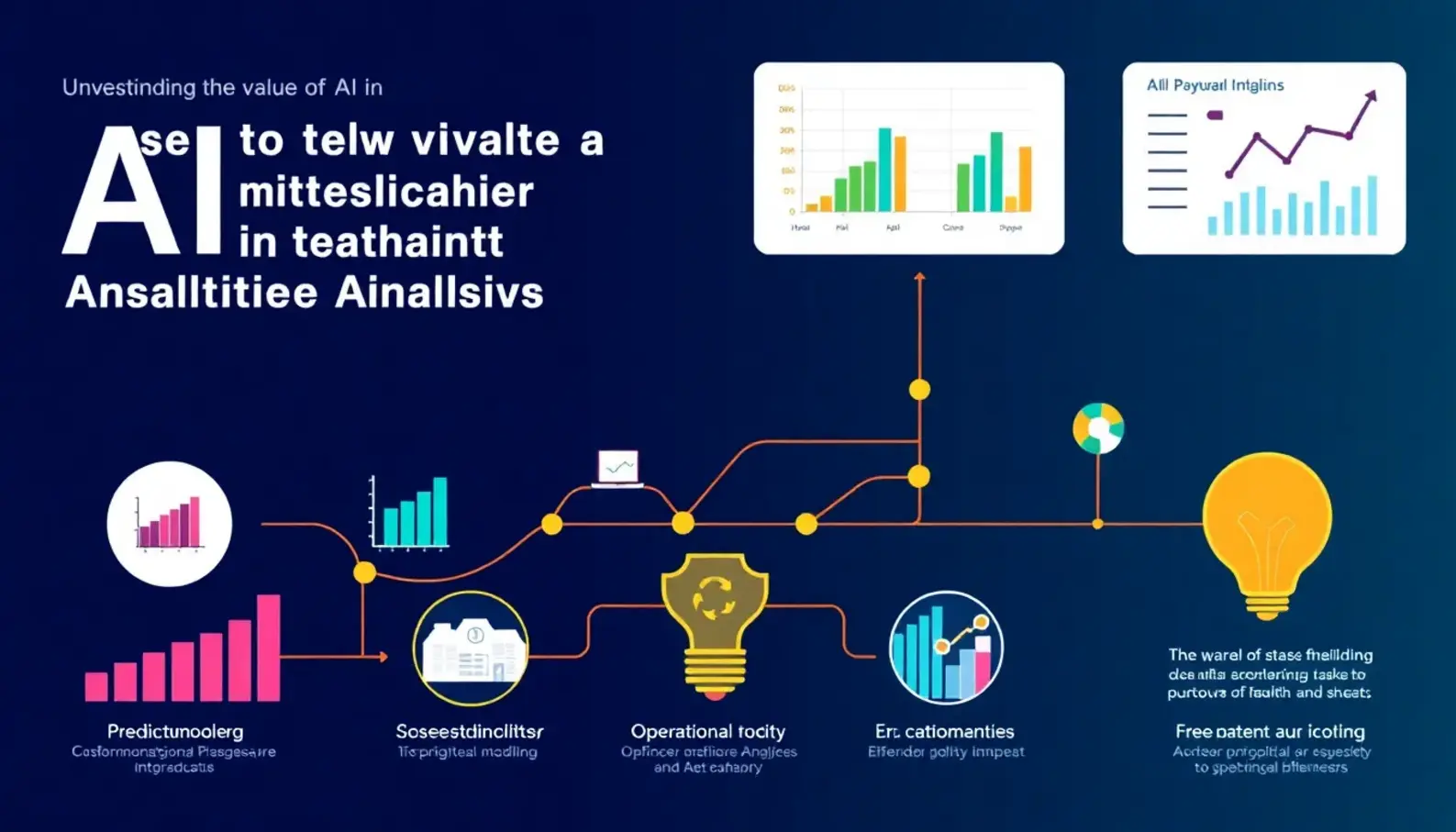
Investing in artificial intelligence (AI) for healthcare analytics is rapidly becoming a necessity, playing a pivotal role in transforming the way information is processed and decisions are made. Healthcare faces numerous challenges, from managing vast amounts of data to ensuring optimal patient outcomes. AI emerges as a formidable ally in addressing these challenges, offering predictive insights, enhancing patient outcomes, and optimizing operational efficiency. The integration of AI into healthcare analytics is not a mere trend; it is a strategic investment that promises substantial returns.
One of the primary benefits of AI in healthcare analytics is its ability to provide predictive insights. By employing sophisticated algorithms, AI systems can analyze vast datasets far more efficiently than human analysts. These predictive capabilities allow healthcare professionals to anticipate patient outcomes and potential complications before they arise. For example, AI algorithms can sift through patient histories, lab results, and demographic data to identify those at risk of developing chronic conditions such as heart disease or diabetes. Thus, early interventions can be initiated, potentially altering the trajectory of a patient’s health.
Another area where AI shows value is in improving patient outcomes. Through personalized medicine, AI can tailor treatments based on individual genetic information and lifestyle factors. This level of precision ensures that treatments are not only effective but also reduce the likelihood of adverse effects. Moreover, AI-powered diagnostics tools can accurately interpret medical imaging, such as X-rays or MRIs, often identifying abnormalities that might be missed by human eyes. This leads to earlier diagnosis and treatment for conditions like cancer, significantly improving survival rates.
Operational efficiency in healthcare settings is often hindered by bottlenecks and resource allocation issues. AI addresses these inefficiencies by analyzing workflow processes and suggesting optimizations. For instance, predictive analytics in hospital resource management can forecast patient admissions, prompting an adjustment in staff allocation and equipment availability. Streamlining these operations results in shorter wait times and improved patient satisfaction, all while reducing unnecessary costs.
Population health management is another critical area benefiting from AI investment. By aggregating and analyzing data from various sources, AI can identify health trends and outbreaks in real time. Health organizations can then deploy resources more effectively, targeting interventions where they are most needed. This capability was especially evident during global health crises, where AI helped track infection rates and predict future hotspots.
Use cases abound where AI has already made a measurable impact. In hospital settings, AI has improved patient scheduling systems by predicting patient no-show rates and optimizing appointment times. This development has improved clinic throughput and reduced revenue loss. Another remarkable use case involves AI-driven virtual health assistants that provide patients with 24/7 support, offering them medical advice based on a vast database of healthcare knowledge.
AI is also revolutionizing predictive analytics for patient care, transforming how conditions like sepsis are managed. By analyzing patient data and vital signs in real time, AI systems can alert healthcare providers to early signs of sepsis, facilitating timely and potentially life-saving interventions. Additionally, AI’s role in predictive analytics extends to chronic disease management, where continuous monitoring systems alert patients and doctors to deviations in health metrics, minimizing hospital readmissions.
The vast potential of AI in healthcare analytics is not without its challenges. Integrating AI into existing systems requires substantial investment in both technology and training. There are also ethical concerns about data privacy and the need for transparent algorithms to prevent biases. However, these challenges are surmountable with collaborative efforts between technologists and healthcare professionals.
For further exploration on how AI integrates with other industries, such as finance, check out AI in Finance Strategies. This cross-industry perspective highlights the adaptable nature of AI solutions across diverse fields.
In conclusion, the value of investing in AI for healthcare analytics is unequivocal. By transforming how data is managed and decisions are made, AI stands to greatly enhance efficiency, improve patient outcomes, and provide predictive insights, ensuring that healthcare operations meet the demands of present and future challenges.
Investment Trends and Market Dynamics
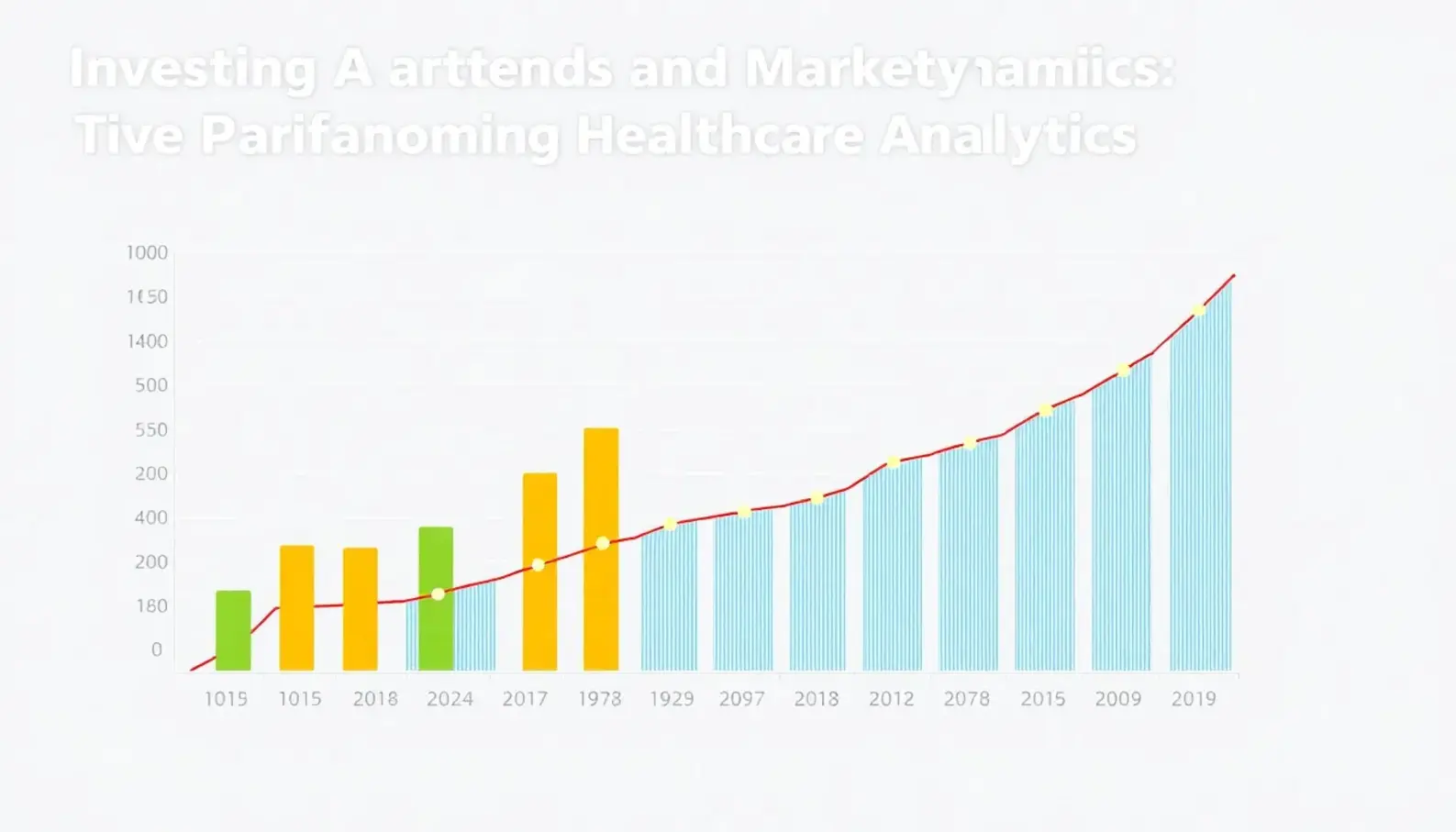
Artificial Intelligence (AI) in healthcare analytics represents a dynamic and rapidly evolving frontier for investment. As the industry matures, understanding current investment trends and market dynamics is crucial. The role of venture capital, public and private partnerships, and enterprise funding are central in steering this evolution, influencing both the pace of innovation and the distribution of AI technologies across healthcare systems.
Venture capital firms are avid players in the AI healthcare analytics arena, drawn by the potential for exponential growth and substantial returns. Their investments often focus on startups and early-stage companies with promising AI solutions. The attractiveness of these firms lies in their innovative approaches to complex healthcare issues, such as predictive analytics for patient treatment outcomes and cost management. The influx of venture capital not only bolsters these startups financially but also provides them with strategic guidance and networks essential for scaling operations.
Parallel to venture capital, public and private partnerships have emerged as pivotal forces driving AI in healthcare analytics. Governments and non-profit organizations collaborate with tech giants and healthcare providers to foster innovation while addressing systemic healthcare challenges. These collaborations have resulted in significant breakthroughs, notably in improving diagnostic efficiency and enabling personalized medicine. Public-private partnerships also facilitate large-scale data sharing, essential for developing robust AI models that enhance predictive accuracy.
Enterprise funding is another substantial element shaping the investment landscape. Large healthcare institutions and corporations are investing heavily in AI-driven analytics to optimize operations and improve patient care. This trend is underscored by strategic alliances between traditional healthcare entities and technology companies, aiming to co-develop AI solutions tailored to healthcare challenges. Notably, such alliances bring about economies of scale, allowing for broader application and a more rapid transition from pilot programs to routine use.
Successful case studies highlight the transformative potential of these investments. For example, some hospitals have effectively integrated AI-driven analytics into their workflows, achieving significant reductions in patient readmittance rates and operational costs. By quantifying returns on investment, these case studies illustrate tangible benefits, such as enhanced predictive accuracy in diagnostics and optimized resource allocation, ultimately leading to improved patient outcomes.
Yet, harnessing AI technology in healthcare analytics is not without challenges and risks. Data privacy concerns remain at the forefront, as healthcare data is immensely sensitive. The integration of AI systems requires stringent measures to ensure compliance with regulations like GDPR and HIPAA. Organizations must prioritize data protection frameworks, adopting encryption and anonymization techniques to safeguard patient information.
Another challenge lies in integrating AI solutions with existing healthcare systems. Many healthcare facilities operate on legacy systems that complicate the seamless adoption of cutting-edge AI technologies. Overcoming this hurdle requires significant investment in upgrading infrastructure and systems integration, which can be resource-intensive and time-consuming.
Moreover, the successful deployment of AI in healthcare analytics is contingent on the availability of skilled labor. There is a pronounced demand for professionals proficient in AI and data science, capable of developing, implementing, and maintaining these advanced systems. The talent shortfall necessitates investment in training and education programs to cultivate the next generation of AI and healthcare analytics experts.
In conclusion, investing in AI for healthcare analytics presents both opportunities and challenges. The sector’s growth is fueled by venture capital, public and private partnerships, and enterprise funding, each playing a distinct role in fostering innovation and adoption. Successful implementations demonstrate significant returns on investment, underscoring the transformative potential of AI in healthcare. However, addressing challenges such as data privacy, system integration, and talent acquisition is imperative for sustaining growth and realizing the full benefits of AI technologies in healthcare analytics. As the landscape evolves, continuous evaluation and adaptation of investment strategies will be vital. Explore further insights on AI integration to expand your understanding of AI’s broader impact across industries.
Implementing AI Solutions: Challenges and Best Practices

Implementing AI in healthcare analytics is no small feat. The intricacies of healthcare systems, data sensitivity, and regulatory landscapes make this undertaking complex. Organizations often navigate a labyrinthine path full of technological, organizational, and regulatory hurdles. However, with a strategic approach, these challenges can transform into stepping stones toward enhanced healthcare delivery and patient outcomes.
Technological Challenges
The technological landscape of AI is evolving, yet implementing solutions in healthcare requires navigating legacy systems and ensuring interoperability. Many existing systems are not designed to handle large datasets or integrate seamlessly with AI technologies. Moreover, the computational power required for AI algorithms can be a limiting factor for healthcare institutions with constrained resources.
Legacy Systems and Interoperability
Hospitals and healthcare providers often rely on outdated systems. These systems need significant upgrades to process and analyze the large volumes of data that AI applications require. Migrating data onto newer, more efficient platforms necessitates careful planning to prevent disruptions in healthcare delivery.
In tackling these issues, best practices include conducting a thorough audit of existing infrastructure and developing a comprehensive migration plan. Establishing integration protocols that ensure compatibility with AI technologies is crucial for seamless operations. Leveraging cloud-based solutions can also mitigate computational limitations.
Organizational Challenges
AI implementation is as much an organizational challenge as a technological one. It demands a cultural shift within healthcare organizations, from data silos to collaborative ecosystems.
Culture and Skill Development
Adopting AI technology requires a cultural shift towards a data-driven mindset. Healthcare professionals must embrace change and view AI as a partner rather than a substitute. Training and development programmes play a pivotal role in easing this transition. Providing continuous learning opportunities fosters an organizational culture that embraces technological advancements. Partnerships with educational institutions can help bridge skill gaps by developing tailored training modules.
Regulatory Challenges
Meeting regulatory requirements is non-negotiable in healthcare. Jurisdictions have varied rules about data usage, especially when it concerns patient data. Compliance with these regulations is crucial to avoid legal repercussions.
Data Privacy and Security
Ensuring the privacy and security of patient data is imperative. Implementing AI requires strict adherence to data protection regulations. Healthcare organizations must invest in cybersecurity measures to protect sensitive information.
A proactive approach involves setting up a comprehensive compliance programme. Organizations should regularly monitor regulatory changes and update practices accordingly. Effective data anonymization strategies can also enhance security measures by reducing the risk of data breaches.
Best Practices for Implementation
Successful AI integration depends on a robust data governance framework and the harmonious collaboration of cross-functional teams.
Data Governance
Creating a solid data governance framework is critical. It involves defining clear data-handling protocols and establishing accountability measures. Regular audits and data quality assessments ensure that the data driving AI solutions is accurate and reliable.
Cross-Functional Teams
An interdisciplinary approach is critical for effective implementation. Cross-functional teams that combine healthcare professionals, data scientists, IT experts, and legal advisors ensure that diverse perspectives contribute to the development and use of AI solutions. Such teams can better address the multifaceted challenges that arise, from ethical considerations to technological integration.
Fostering collaboration through workshops and strategic alignment meetings encourages communication and shared understanding. This unity is vital for harmonizing objectives across different departments and ensuring cohesive efforts towards a common goal.
Future Trends and the Evolving Role of AI in Healthcare Analytics
As AI technology matures, its role in healthcare analytics will expand, offering even more transformative potential. AI advancements are set to revolutionize predictive analytics, precision medicine, and patient management systems. By continuously learning and adapting, AI systems can enhance decision-making, leading to more personalized and effective healthcare interventions.
Exploring the integration of AI with novel technologies, such as quantum computing innovations will likely boost computational capabilities, enabling more complex data analytics and modeling. Additionally, AI will increasingly play a crucial role in understanding patient behavior through wearables and ambient intelligence, pushing the boundaries of personalized healthcare services.
An agile approach to implementation allows healthcare organizations to stay ahead by adapting to new technologies and methodologies. Actively engaging with emerging trends and foreseeing the potential evolution of AI applications is vital for leveraging future opportunities in healthcare analytics.
In summary, while the path to AI implementation in healthcare analytics is fraught with challenges, these can be navigated with strategic planning, robust frameworks, and collaborative efforts. As AI continues to evolve, its synergistic potential with healthcare promises to redefine patient care and operational efficiencies like never before.
Final words
The integration of AI into healthcare analytics represents a significant opportunity for enhanced patient care and operational efficiency. By understanding its value, recognizing investment trends, and addressing implementation challenges, healthcare organizations can leverage AI technologies effectively. As the future of healthcare continues to unfold, the emphasis placed on evidence-based decision-making powered by AI will pave the way for transformative improvements in how healthcare is delivered. Systematic investment in AI analytics will not only enhance patient outcomes but also create new pathways for innovation into the healthcare industry.
Watch Video Series
Learn more: https://innoupdates.com
About us
At Innoupdates, we specialize in providing cutting-edge solutions that leverage AI and advanced analytics to empower healthcare organizations. Our services range from implementing data governance frameworks to offering comprehensive analytics platforms that drive actionable insights. We help you harness the power of AI to improve patient outcomes, streamline operations, and enhance the overall quality of care. Experience transformative results with our tailored AI solutions tailored specifically for the healthcare sector.