
Healthcare analytics powered by artificial intelligence is revolutionizing patient care and operational efficiency. By leveraging vast amounts of health data, AI systems can derive actionable insights, enabling better decision-making and resource allocation. This innovation not only enhances patient outcomes but also reduces costs and improves overall healthcare quality. As the deployment of AI in healthcare analytics becomes increasingly prevalent, organizations must navigate the complexities and benefits of implementation. This article explores essential strategies to effectively deploy AI-driven analytics in healthcare settings.
Understanding the Data Landscape in Healthcare
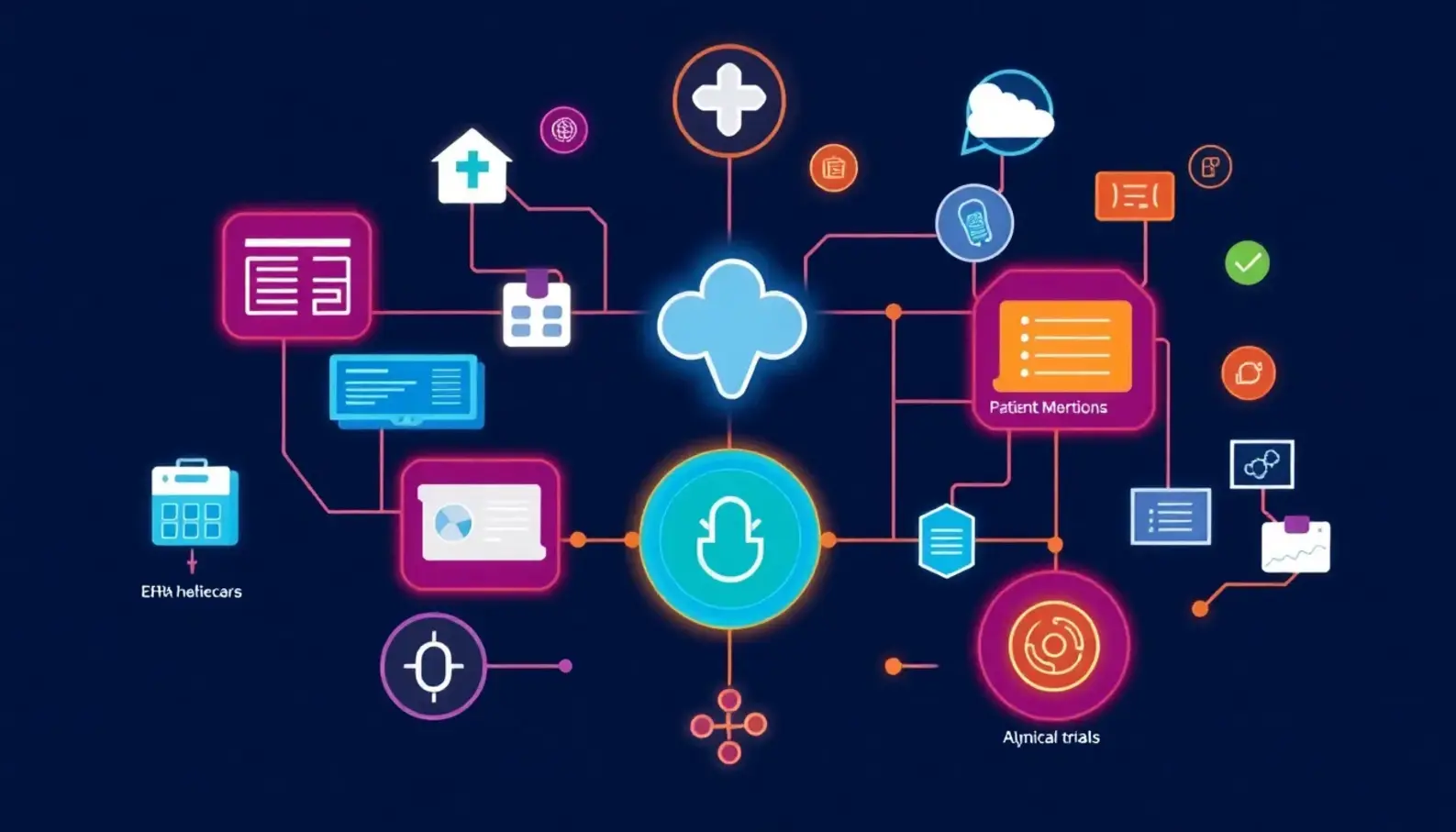
In the evolving domain of healthcare, data stands as the bedrock for transformative AI analytics. Grasping the intricacies of this landscape is imperative for leveraging AI’s potential to enhance patient care and operational efficiency. Healthcare data bifurcates into two main categories: structured and unstructured data. Structured data is quantitative and easily searchable, often residing in databases and spreadsheets. It includes numeric values, dates, and categorically ordered data, making it ideal for initial analytic processes. Conversely, unstructured data consists of qualitative information like text from physician notes, dictations, radiology images, and emails. It encompasses the bulk of healthcare data—nearly 80%—making it both a challenge and a rich source for insights.
The sources of healthcare data are diverse and expansive. Electronic Health Records (EHRs) are pivotal, housing comprehensive patient histories, diagnoses, medication lists, treatment plans, immunization dates, and test results. Clinically accurate and meticulously maintained, EHRs are invaluable for any analytics application. Additionally, data from clinical trials offers insights into new treatments and drugs, enriching the dataset with research-oriented findings. Another emerging source is patient-generated data, collected from wearable devices and mobile health apps. This data provides real-time health metrics, paving the way for personalized healthcare solutions and continuous monitoring. Moreover, administrative data, insurance claims, and patient registries add layers of operational and socioeconomic factors that inform healthcare decisions.
The integration of these various data categories into AI analytics hinges on their quality. Data quality impacts the efficacy of AI-driven insights significantly; hence, ensuring accuracy, completeness, consistency, and timeliness is crucial. Poor data quality can lead to inaccurate models, misdiagnoses, and ultimately, compromised patient safety. Therefore, maintaining data integrity through rigorous validations and regular audits is non-negotiable.
Overlaying the technical aspects of data handling are legal and ethical dimensions, primarily data privacy and security regulations. Compliance with standards such as the Health Insurance Portability and Accountability Act (HIPAA) in the U.S., the General Data Protection Regulation (GDPR) in Europe, and other local regulations is essential. These regulations mandate the protection of patient data, ensuring privacy and preventing unauthorized access. Thus, every AI analytics deployment must build robust frameworks to uphold these compliance requirements.
Introducing data governance is another pillar in structuring a successful healthcare data landscape. Data governance defines policies and procedures to manage data assets, ensuring they meet organizational standards for quality and security. By establishing a governance framework, healthcare organizations can systematically address data stewardship, manage data lineage, and maintain a transparent data use policy. This not only enhances the reliability of analytics but also builds trust among stakeholders.
As AI in healthcare continues to evolve, it draws parallels with innovations in AI wearable tech health, where seamless integration of technology aims to streamline processes and enhance user experience. Similarly, addressing the complexities of healthcare data facilitates richer, more meaningful analytics outcomes. Inevitably, understanding and navigating the healthcare data landscape is foundational in leveraging AI to unlock insights and enhance care delivery.
Strategic Framework for Deploying AI Analytics
Implementing AI analytics in healthcare demands a strategic approach that is aligned with the organizational goals. This means setting clear objectives, ensuring stakeholder engagement, and creating a comprehensive roadmap for integration. It begins with a recognition of the unique challenges and opportunities AI presents to healthcare environments.
Effective deployment hinges on clearly defined objectives that resonate with the strategic vision of the organization. These objectives should drive improvement in patient outcomes, enhance operational efficiency, and support clinical excellence. To ensure alignment, it is crucial to involve senior leadership early in the planning process. This engagement fosters a culture that embraces innovation and transformation, motivating teams to rally around shared goals.
Stakeholder Engagement and Buy-In
Stakeholders in healthcare analytics are diverse, including clinicians, IT professionals, administrative leaders, and patients. Gathering input from these groups ensures that the AI system is designed to meet the practical needs of all users. Building trust and fostering transparency during this phase is essential. Regular communication regarding project goals, expected impacts, and implementation timelines nurtures stakeholder buy-in. This can be further solidified by establishing advisory groups or committees comprised of representatives from all key areas.
Creating an Integration Roadmap
An effective roadmap for AI integration outlines step-by-step plans, from initial pilot projects to full-scale deployment. This roadmap should include timelines, responsible parties, anticipated challenges, and technology or infrastructure requirements. Perennial adjustments to this roadmap allow for flexibility, accommodating the rapid advancements in AI technology and adapting to insights gained from pilot projects.
Pilots provide an invaluable opportunity to test hypotheses, explore use cases, and refine methodologies in a controlled environment. By articulating measurable goals and performance metrics for these projects, organizations can assess the effectiveness and impact of AI implementations. Successful pilots often lead to broader acceptance and provide momentum for larger rollouts.
Setting Measurable Goals
Concrete, measurable goals enable organizations to quantify the success of AI initiatives. These might include reducing patient wait times, decreasing readmission rates, improving diagnostic accuracy, or achieving cost savings. Each goal should be linked to specific performance metrics, ideally aligned with broader organizational targets. Regular evaluation against these metrics helps to maintain focus and can guide necessary course corrections.
For comprehensive deployment, cross-disciplinary collaboration is paramount. IT infrastructure, clinical insights, and operational workflows must be harmonized to create systems that are not only technically sound but also practically viable. Effective collaboration between IT teams, clinicians, and operational staff can lead to innovative solutions that might not have been realized in isolation.
Cross-Disciplinary Collaboration
An integrated approach drives the successful deployment of AI analytics by leveraging the strengths of diverse teams. For example, IT professionals bring technical expertise, while clinicians provide insights into patient care processes. Operations managers understand workflow logistics, pivotal for integrating AI in everyday tasks. This collaboration engenders a holistic understanding of the challenges and potential improvements AI can bring, fostering a seamless adoption process.
In some instances, as seen in AI in Business Growth, AI strategies have been adapted to improve efficiency and decision-making. Similar practices can be tailored to healthcare, focusing on data-driven decision-making and predictive analytics.
Securing Resources
Resource allocation is a critical component of the strategic framework. This includes human resources, financial investments, and technological infrastructure. Adequate training programs are essential to equip staff with the skills needed to implement and manage AI systems effectively. Moreover, securing financial investment involves making the case for the long-term benefits of AI, emphasizing potential cost savings and improved patient care outcomes.
Through thoughtful planning, clear communication, and collaborative execution, AI analytics can transform healthcare organizations. The strategic deployment framework not only enables sustainable integration but also promotes a culture of innovation and continuous improvement in patient care.
Measuring Success and Enhancing Continuous Improvement
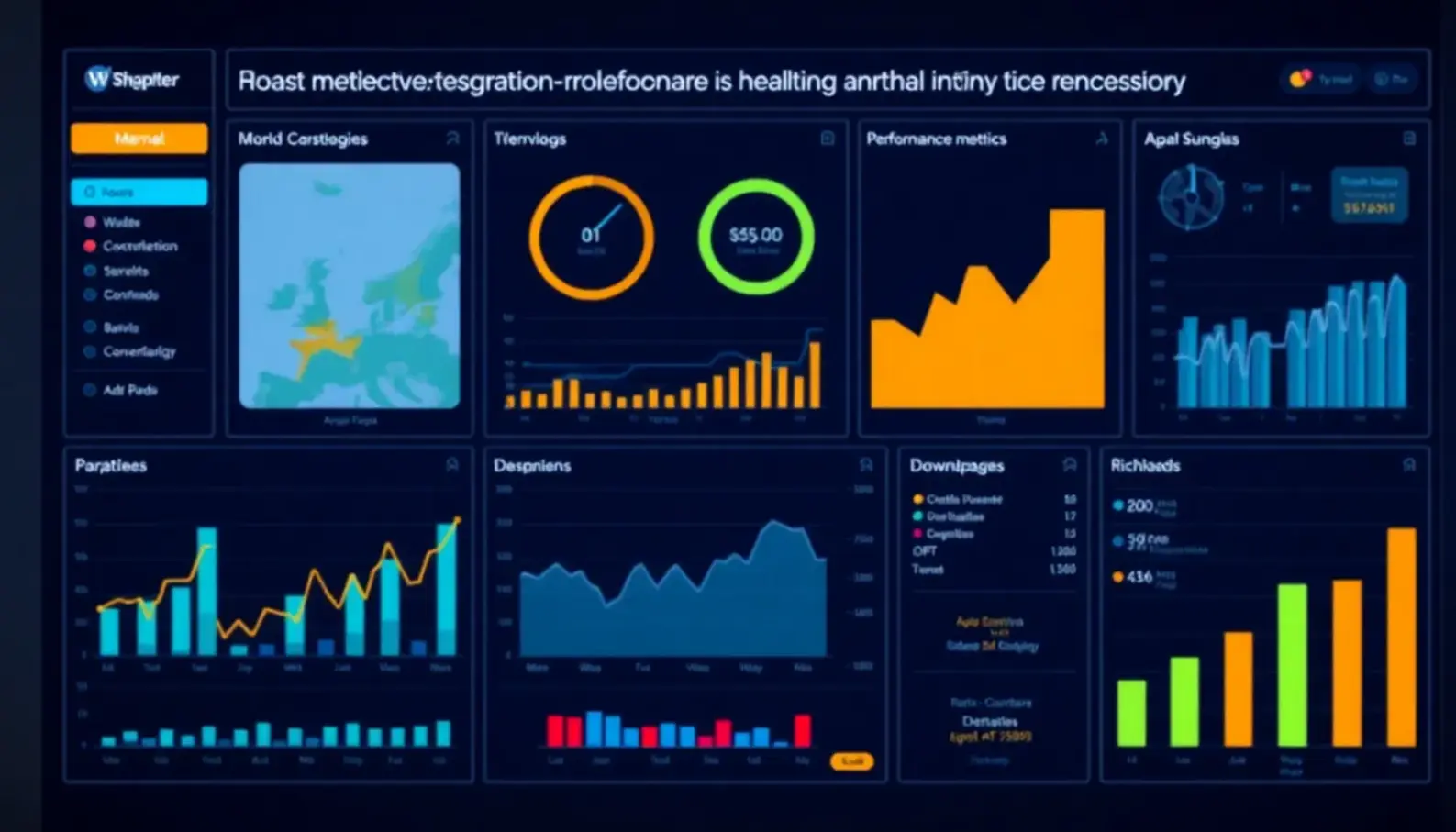
The deployment of AI in healthcare analytics has brought about transformative changes, but measuring the success of these implementations remains crucial. Key performance indicators (KPIs) serve as essential tools for assessing the impact of AI, focusing on patient outcomes, operational efficiency, and cost reductions. Better patient outcomes can be reflected in improved recovery times, reduced readmission rates, and enhanced patient satisfaction scores. Operational efficiency might be gauged through faster service delivery, improved resource management, and reduced waiting times.
Cost reduction remains a significant goal for healthcare institutions, and AI promises significant gains in this area. By minimizing unnecessary tests, optimizing staff schedules, and predicting demand accurately, AI-driven analytics can lead to substantial savings. However, it’s critical to ensure these savings do not come at the expense of patient care quality.
Continuous monitoring and feedback loops play a vital role in refining AI processes and algorithms. Developing a robust system for continuous data collection and analysis allows healthcare providers to adapt to emerging trends and challenges. Regular monitoring ensures algorithms remain aligned with clinical objectives and patient needs.
Case studies illustrate the power of effective measurement and continuous improvement. One hospital network successfully implemented AI to manage patient flow, resulting in a 20% reduction in emergency department wait times. Continuous monitoring allowed for adjustments as new data insights emerged, further enhancing performance. In another instance, a healthcare system used AI analytics to identify patterns in chronic disease management, leading to tailored patient interventions that improved care outcomes by 15%.
Embracing a culture of continuous improvement means fostering an environment where feedback is continuously sought and applied. The iterative nature of AI analytics is central to this approach. It involves understanding that no model is ever truly final; instead, each represents a snapshot in a long journey of refinement. Therefore, healthcare organizations must remain adaptable, quickly leveraging technological advancements and evolving data landscapes.
The success of AI in healthcare requires embracing new tools and methodologies. As technologies advance, organizations that cultivate a mindset geared towards innovation and learning will be well-positioned to enhance care delivery. By committing to a philosophy of ongoing refinement, healthcare providers can ensure they meet patient and operational goals effectively.
Adapting to technological advancements involves more than just understanding current tools. Organizations should stay informed about emerging fields such as AI wearable tech for health, which offers potential new data sources for patient health monitoring and personalized analytics. Incorporating innovative technologies requires strategic planning and a willingness to invest in employee training.
Encouraging collaboration among teams is a cornerstone of continuous improvement. Data scientists, clinicians, and IT professionals must work closely to ensure AI tools align with clinical workflows and enhance patient care. Transparency in algorithm development and decision-making fosters trust and encourages widespread adoption.
In conclusion, the pursuit of measuring success and driving continuous improvement is an ongoing journey. Healthcare institutions must remain vigilant and proactive, ensuring their AI systems continually learn and adapt. By doing so, they will unlock deeper insights and enhance the quality of care delivered to patients.
Final words
Artificial intelligence is reshaping how healthcare organizations analyze and utilize data. By implementing robust analytics frameworks, embracing collaborative strategies, and committing to continuous improvement, healthcare providers can significantly enhance care delivery and operational efficiency. Understanding the data landscape and strategically deploying AI analytics fosters an environment conducive to better patient outcomes and innovation in healthcare services.
Watch Video Series
Learn more: https://innoupdates.com
About us
We provide innovative AI-driven solutions designed for healthcare analytics. Our tools enable organizations to harness their data efficiently, improve patient outcomes, and streamline their operations. From implementation support to continuous optimization, we help healthcare providers navigate the complexities of AI integration while ensuring compliance with regulatory standards and maximizing the value of their data.