As the retail landscape rapidly evolves, the integration of artificial intelligence (AI) emerges as a pivotal technology to enhance customer experience. This is not just about improving sales; it’s about creating seamless interactions that drive loyalty and operational efficiency. Retailers face mounting pressure to leverage data to understand consumer behavior, predict trends, and personalize offers. For CFOs and HR Managers, the focus isn’t just on technology adoption but also on strategic investment and workforce development to harness AI’s capabilities. This exploration into AI in retail experience optimization highlights transformative strategies that can reshape the business landscape.
Understanding Customer Journeys Through Data
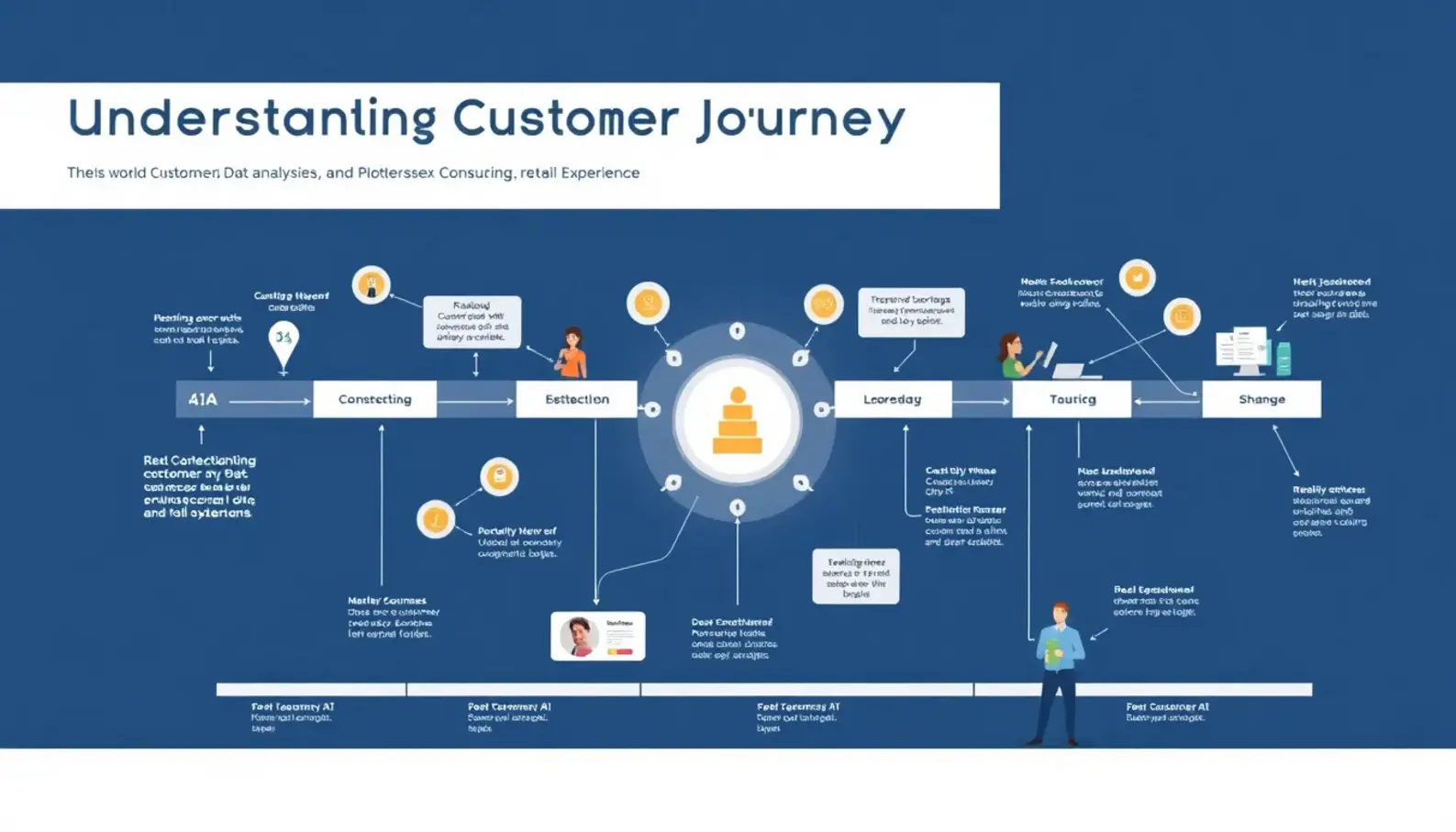
Artificial Intelligence has transformed the way retailers understand and cater to customer needs. One powerful application lies in the ability to analyze extensive consumer data, providing retailers a deeper insight into the customer journey. By utilizing machine learning algorithms and sentiment analysis, businesses can map these journeys with precision, unlocking opportunities for personalized experiences.
Mapping customer journeys begins with data collection from various touchpoints, including websites, mobile apps, and in-store interactions. Organizations now harness customer data at every stage, from browsing to post-purchase feedback. This comprehensive data collection enables AI systems to identify patterns and trends, deciphering complex consumer behaviors that were once elusive.
Machine learning algorithms play a vital role in processing this vast data. By analyzing clickstreams, purchase history, and engagement metrics, these algorithms identify distinct stages of the customer journey. They offer actionable insights into what drives engagement and where potential drop-offs occur. Retailers can then optimize their strategies, offering customers tailored experiences that guide them seamlessly from discovery to purchase.
Sentiment analysis is another crucial tool in understanding customer journeys. By examining customer reviews, social media interactions, and feedback, businesses can gauge consumer sentiment towards their products and services. This analysis offers qualitative data, revealing the emotional drivers behind customer decisions. Positive sentiment can be leveraged to amplify successful strategies, while negative feedback can guide improvements.
These insights have significant implications not only for enhancing customer engagement but also for operational efficiency. For CFOs, the return on investment from adopting data-driven strategies is considerable. Improved customer experiences often lead to increased customer lifetime value and higher sales conversions. Streamlined operations reduce costs through targeted marketing campaigns and reduced churn, directly impacting the bottom line.
For HR managers, the adoption of AI-driven tools necessitates new training initiatives. Employees must be equipped with the skills to interpret data insights and integrate them into daily operations. This requires investment in comprehensive training programs that emphasize both technical proficiency and strategic thinking. Staff must understand how to use AI tools to enhance customer interactions and support data-driven decision-making.
Understanding customer journeys through data also provides a competitive edge. By accurately predicting consumer needs, businesses can innovate quicker and respond proactively to market changes. This agility is critical in a retail landscape characterized by rapidly evolving consumer preferences.
To explore further on AI’s impact beyond retail, consider the broader implications in business strategies, as detailed in this AI in business growth article.
Integrating AI effectively into retail strategies demands a nuanced approach that aligns technology with human expertise. Organizations must cultivate a culture of continuous learning, where data insights guide innovation and foster customer loyalty. By doing so, retailers not only enhance individual customer journeys but also elevate the entire retail experience.
Personalization: The Key to Customer Loyalty
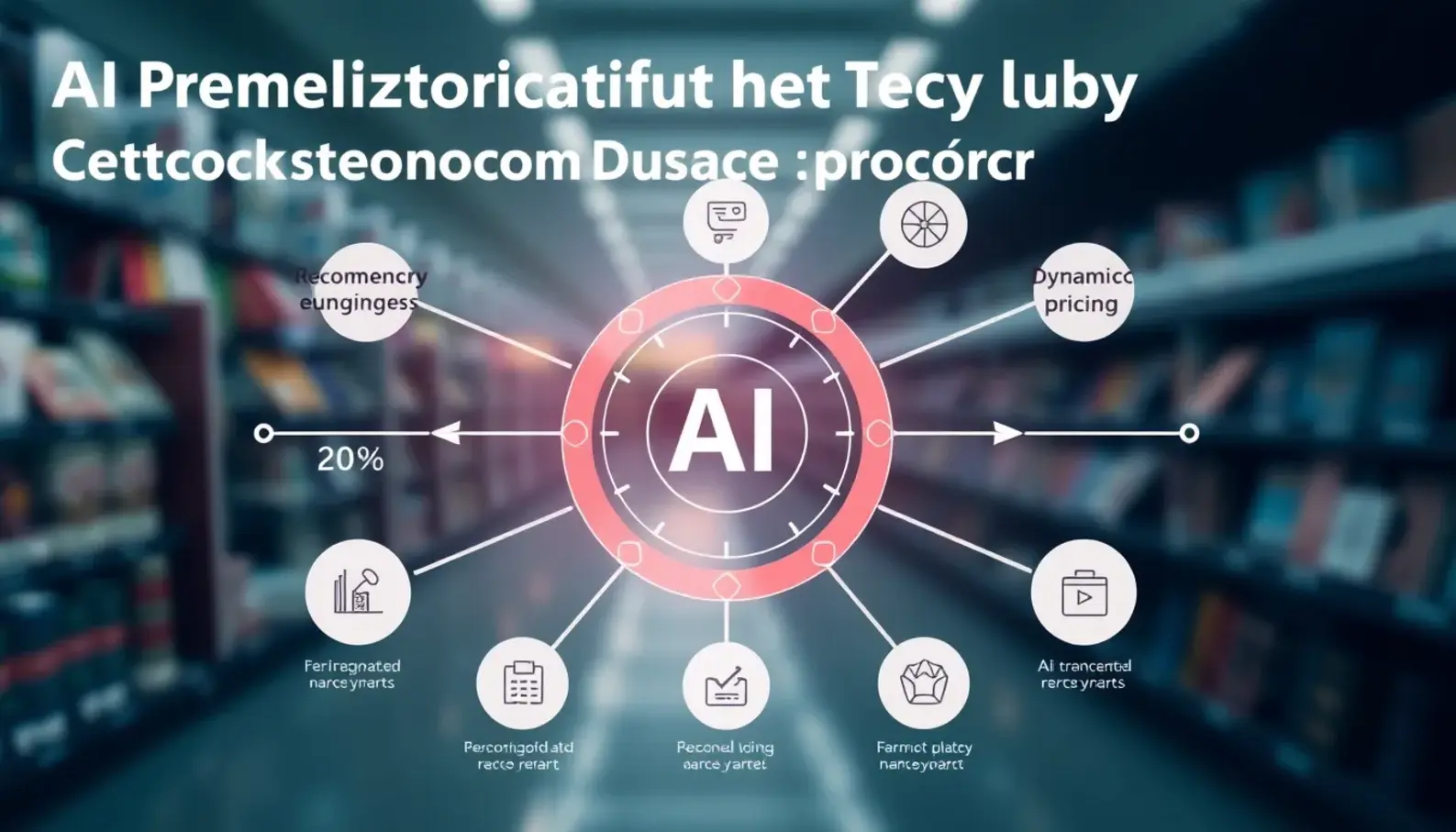
Artificial Intelligence is reshaping the retail landscape by enabling extensive personalization that boosts customer loyalty. Retailers now have the power to tailor experiences at an unprecedented scale, capturing the essence of individual shopper preferences through AI-driven insights. The ability to analyze vast amounts of data in real time allows retailers to offer personalized recommendations, marketing communications, and seamless interactions that resonate with each customer.
AI technologies interpret patterns in shopping behavior, enabling retailers to craft individualized experiences. By understanding preferences, past purchases, and browsing history, AI delivers both online and offline recommendations that coalesce with customer desires. These personalized suggestions streamline decision-making processes for customers, offering them not just what they need, but what they might not have realized they wanted.
Personalizing at scale also extends to dynamic pricing models and inventory management. AI adapts prices based on real-time demand analytics, competitor prices, and customer behavior, ensuring competitiveness without sacrificing margins. Simultaneously, inventory systems powered by AI ensure that popular products remain in stock, reducing the chances of customer dissatisfaction due to unavailability.
Implementing AI for personalizing retail experiences comes with financial implications. CFOs must assess initial technology investments, ongoing maintenance costs, and potential revenue uplift. While AI systems require substantial upfront investments, the outcome often justifies the expense through increased customer satisfaction and loyalty. Financial metrics such as conversion rates, average transaction values, and customer lifetime value can quantify AI’s impact. Measuring these metrics over time provides a clear picture of the return on investment, helping decision-makers recalibrate strategies for maximum profitability.
For HR managers, the shift towards AI-driven personalization necessitates upskilling employees. Retail teams must possess a deeper understanding of AI tools to harness their full potential. Training initiatives should focus on integrating AI seamlessly into daily operations, ensuring that employees can interpret data insights effectively and enhance customer interactions. These skills are invaluable for front-line staff who utilize AI insights to optimize the customer experience, as well as for back-office teams focused on analytics and strategic decision-making.
Creating a culture of innovation and adaptability is crucial. Employees should be encouraged to experiment with AI tools to discover new opportunities for personalization. Continuous learning programs and collaborations with AI specialists can empower teams to remain at the forefront of technological advancements.
To foster an environment conducive to personalization, HR managers can establish clear pathways for skill development that align with organizational goals. Engagement with external experts from tech domains ensures that learning materials are cutting-edge and relevant. Furthermore, incentivizing employees who actively contribute to personalization initiatives can invigorate a workforce committed to delivering exceptional customer experiences.
As retail operations become more automated, the human touch in customer service becomes even more valuable. AI complements human efforts by handling data-heavy tasks, freeing employees to focus on delivering personalized service that can significantly impact customer satisfaction and loyalty. By equipping staff with AI tools and the necessary training to use them effectively, retailers can offer a sophisticated blend of personalized service and efficiency.
Operational Efficiency: Streamlining Retail Operations
The advent of artificial intelligence (AI) in retail has revolutionized how businesses streamline operations. This transformation touches every aspect of the retail value chain, elevating inventory management and optimizing customer service processes. By automating crucial operations, AI not only reduces overhead costs but also presents an opportunity for agile supply chain dynamics, ensuring retailers can keep pace with changing market demands.
Inventory Management Optimization
AI-powered systems redefine inventory management by improving accuracy through real-time data analytics. These intelligent systems predict demand, minimizing overstock and stockouts, which translates into significant cost savings for retailers. By leveraging machine learning algorithms, retailers can forecast trends with precision, making data-driven decisions that enhance inventory turnover. Such predictive capabilities ensure that retail stocks align with consumer demands, reducing unnecessary expenditures on excess inventory. Retailers such as Company X have integrated these systems, achieving a 20% reduction in overstock and a similar decline in stockouts, demonstrating the tangible financial benefits AI offers.
Streamlined Supply Chain Dynamics
AI enhances supply chain efficiency by offering visibility into every movement, from supplier to shelf. Real-time tracking systems, powered by AI, allow for seamless monitoring and adjustments, reducing lead times and improving delivery accuracy. This transparency not only mitigates risks associated with delays but also optimizes logistics through advanced route planning and autonomous transportation. Implementing AI in logistics can lead to savings on fuel and labor costs, directly enhancing the bottom line. Retailers adopting such technologies report a decrease in shipping costs by an average of 15%, a testament to AI’s efficacy in streamlining supply chain operations.
Enhancing Customer Service Efficiency
AI’s role extends to refining customer service, often seen at the forefront of retail operations. Intelligent chatbots handle inquiries around the clock, providing consistent and efficient customer interactions. These AI assistants reduce the need for extensive human-led service teams, reshaping workforce requirements and delivering cost-effective customer engagement. Furthermore, AI systems analyze customer feedback, offering actionable insights that help tailor services and improve satisfaction rates.
Importantly, the evolution of roles within retail due to AI-driven processes requires a strategic focus in human resources (HR). Retail workers transition from repetitive tasks to roles requiring creativity and emotional intelligence, guided by AI insights. This shift highlights the intersection of technology and HR strategy, fostering a workforce adept at navigating modern retail landscapes. Strategies for this transition can be explored in more detail on AI in HR Strategies.
Financial Implications for CFOs
For Chief Financial Officers (CFOs), AI’s potential lies in its capacity for cost reduction and efficient resource allocation. Marginal improvements in operations, multiplied across an enterprise’s breadth, offer significant financial benefits. From inventory carrying costs to personnel expenses, AI streamlines processes that historically drained resources. Additionally, AI-driven insights into operational performance allow CFOs to strategize investments accurately, fostering sustainable growth and maximizing return on investment.
Case Studies and Practical Insights
Several retail pioneers illustrate the successful integration of AI for operational efficiency. Company Y, for example, has effectively used AI to refine its demand forecasting model, enhancing supply alignment with actual demand and reducing excess inventory costs. Similarly, Company Z has harnessed AI to optimize workforce allocation, channeling human resources to high-value activities while AI manages routine tasks. These cases provide actionable insights for retailers aiming to harness AI’s power. Implementing tailored AI solutions can offer a competitive edge, transforming operational efficiency from a theoretical concept into an attainable reality.
AI’s integration into retail operations fundamentally reshapes the landscape, with opportunities for enhanced efficiency and cost savings. As businesses navigate these changes, the strategic application of AI will define the new era of retail innovation.
Final words
Incorporating AI into retail experience optimization is not merely a trend but a necessary evolution for staying competitive. By understanding customer journeys, personalizing experiences, and streamlining operations, retailers can create significant value. For CFOs, this means smart investments and quantifiable returns, while HR Managers are tasked with empowering a workforce ready for such innovation. The future of retail is a synergy of technology and human touch, aiming for enhanced engagement and operational excellence.
Watch our comprehensive video series to explore more about AI in retail experience optimization!
Learn more: http://innoupdates.com
About us
Our company specializes in innovative AI solutions tailored for the retail sector, aiming to optimize customer experiences and enhance operational efficiencies. We provide end-to-end services from consultancy to deployment, ensuring that retail organizations can leverage cutting-edge technology effectively. Join us on the journey to transform your retail business!