
The retail landscape is evolving rapidly, with AI technologies leading the charge in reshaping customer engagement strategies. With increasing competition and changing consumer expectations, organizations are turning to advanced analytics to enhance their predictive capabilities, enabling them to anticipate customer behavior, streamline operations, and personalize offerings. HR managers and CTOs are at the forefront of this transformation, driving their teams to adopt powerful AI tools that not only optimize the retail experience but also improve employee management practices. This article delves into the transformative role of AI in retail experience prediction, providing actionable insights and evidence for decision-makers.
Chapter One: Understanding Consumer Behavior Through AI
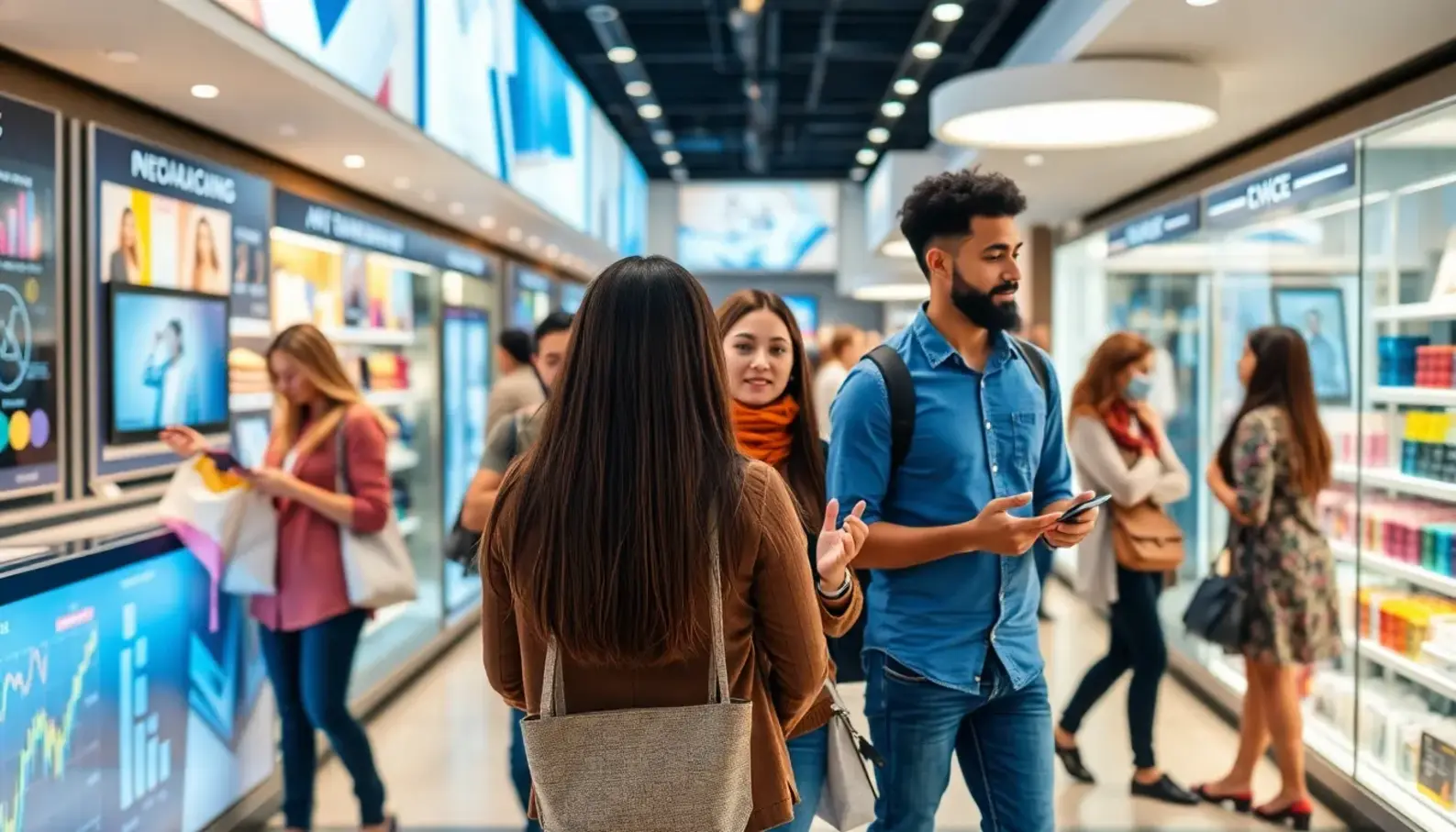
The ability to decode consumer behavior has long been a coveted skill in the realm of retail. The traditional methods of manual observation, surveys, and focus groups have served retailers in the past, but they often fall short when retailers need real-time, actionable insights. Enter artificial intelligence (AI), a transformative force redefining how we comprehend consumer behavior in retail.
AI technologies bring precision and depth to consumer analysis, providing data-driven insights that elevate decision-making processes. Predictive analytics plays a pivotal role by forecasting future consumer behaviors based on historical data. This technique helps retailers anticipate what products will be in demand and tailor stock levels to avoid overstock or stockouts.
Moreover, customer segmentation has been revolutionized by AI’s capabilities to process vast datasets. Machine learning algorithms efficiently categorize consumers into specific segments based on behavioral patterns, preferences, and purchasing history. This enables marketers to craft personalized messages and product recommendations that resonate deeply with each consumer group.
Behavioral tracking through AI further refines our understanding by continuously monitoring and analyzing consumer interactions with retail platforms. This dynamic analysis helps in tweaking marketing strategies in real-time and ensures that no detail about evolving consumer preferences is overlooked.
These AI-driven insights directly impact inventory decisions. By predicting bestseller products, AI assists retailers in optimizing their inventory, ensuring popular items are readily available while reducing waste in unsold stock. It becomes easier for businesses to align their supply chain strategies with actual consumer demand, thus maximizing their revenue potential.
Personalization strategies benefit immensely from AI as well. Utilizing machine learning algorithms, retailers can personalize shopping experiences, from the offers a customer sees to the product recommendations tailored specifically to their tastes. This leads to an enhanced customer experience, fostering loyalty and increasing the likelihood of repeat purchases.
Marketing campaigns crafted with AI insights become more efficient and effective. With AI, marketers can predict which campaigns will resonate best with different consumer segments, optimizing the allocation of resources and ensuring higher returns on investment.
To illustrate the power of AI in retail, consider a leading fashion retailer that implemented AI-driven predictive analytics to understand purchase patterns. This insight enabled them to shift to a data-backed inventory management system, substantially reducing stockouts and boosting customer satisfaction. As a result, they noticed a 25% increase in customer retention rates within a year.
Another case study involves a global electronics brand utilizing AI-based customer segmentation to refine their marketing campaigns. By targeting ads and promotions more precisely, they experienced a notable increase in their conversion rates, supporting overall business growth. More insights on AI’s impact on business can be found here.
Beyond simply understanding consumer trends, AI insights empower HR departments to enhance employee training and engagement. By analyzing sales data and customer interaction patterns, AI can identify areas where employees excel or require further training. Retail staff can be better prepared to engage with consumers effectively, improving the overall customer experience and leading to higher satisfaction rates.
Additionally, employing AI in assessing employee performance transforms HR’s approach to development programs. By aligning employee capabilities with consumer needs, businesses can foster innovative sales strategies and create a motivated, customer-focused workforce.
In conclusion, the integration of AI technologies into retail holds transformative potential. By understanding consumer behavior at a granular level, these technologies allow retailers to make informed, strategic decisions that enhance customer experience and loyalty while also streamlining operations. Retailers equipped with AI insights are well-positioned to adapt to ever-changing market dynamics and maintain a competitive edge.
Chapter Two: Implementing AI for Enhanced Retail Operations
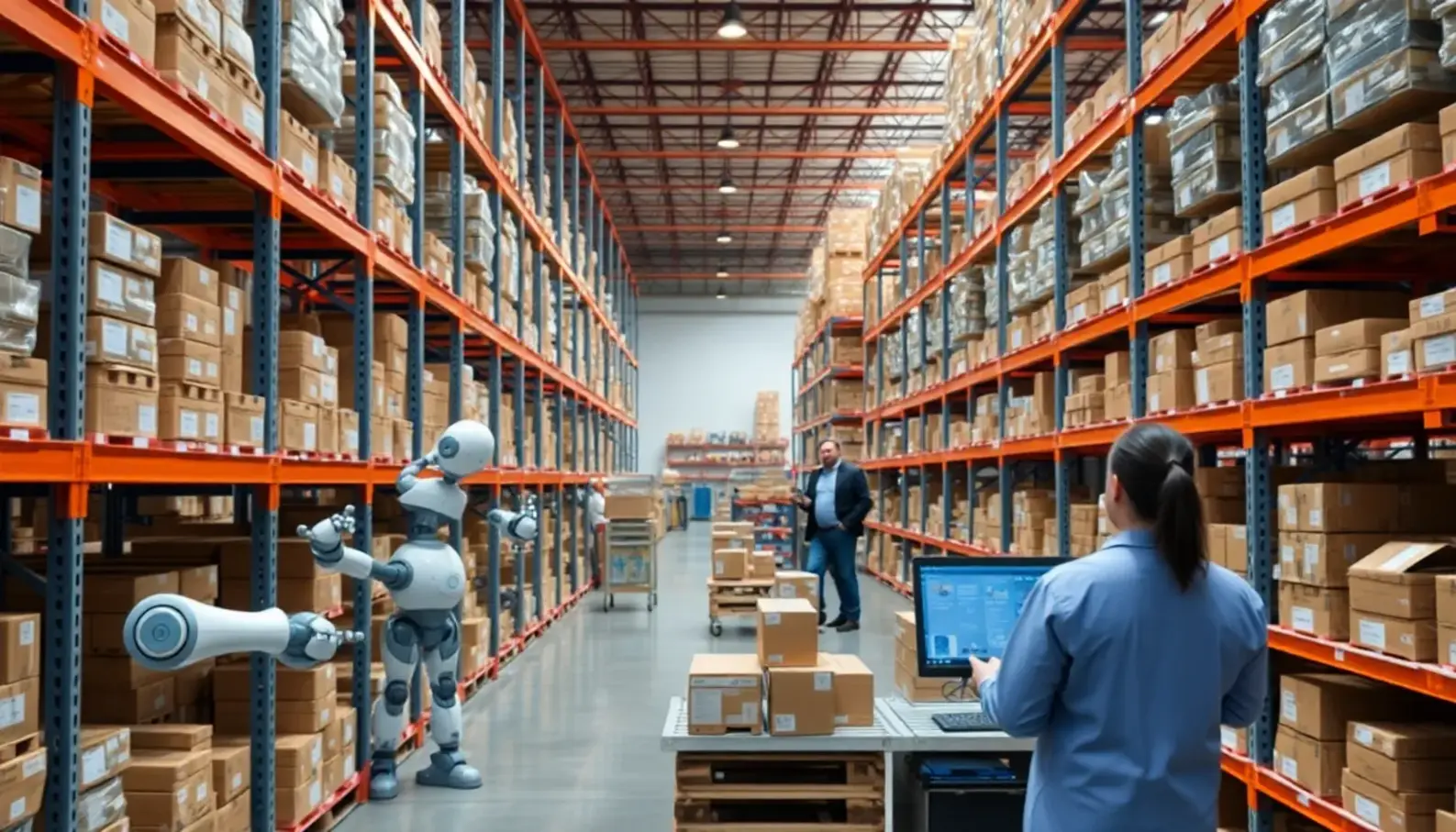
AI technologies are revolutionizing retail operations, providing new avenues to optimize processes from inventory management to employee training. By integrating intelligent systems, retailers can enhance efficiency, customer experience, and ultimately, profit margins.
Inventory Management
Inventory management represents a crucial area where AI’s impact is substantial. Traditional methods often involve guesswork, resulting in either overstocking or stockouts. Machine learning algorithms can predict demand more accurately, utilizing historical data, seasonality trends, and external factors like economic conditions. Implementing AI in inventory processes allows for real-time tracking and management, reducing waste and increasing customer satisfaction.
For instance, predictive analytics can determine optimal stocking levels. Algorithms analyze sales data to predict future product needs, ensuring that popular items are always in stock. This not only satisfies customer demand but also minimizes the capital locked in excessive inventory.
Supply Chain Optimization
AI also streamlines the supply chain, offering tools for enhanced logistics and reduced operational costs. Machine learning models can forecast demand accurately, facilitating better supplier coordination. These insights lead to improved supply chain agility, enabling retailers to respond swiftly to market changes.
Consider a multinational retail company that implemented AI-driven analytics to optimize its supply chain. By analyzing data from multiple sources—such as sales trends, weather forecasts, and traffic patterns—the company significantly reduced delivery times and costs. The predictive capabilities of AI allowed the synchronization of supply chain operations with actual demand, rather than historical averages.
AI-powered platforms can further enhance efficiency through automation. Automated systems handle order processing, reducing human error and freeing personnel to focus on strategic tasks. This integration creates a leaner, more responsive supply chain network.
Employee Training and Engagement
Employee readiness is a critical component for the successful implementation of AI in retail operations. Preparing staff for AI technologies not only mitigates resistance but also enhances the workforce’s ability to use advanced tools effectively. HR departments play a strategic role in this transition.
Training programs can be enriched with AI-driven personalized learning experiences. Machine learning algorithms assess individual learning patterns, tailoring content to employee needs. Such tailored training ensures that employees grasp new concepts more efficiently, improving retention and applicability in daily operations.
Moreover, chatbots can be utilized for ongoing support and training. These AI tools deliver instant assistance, addressing employee queries and facilitating continuous learning. Employees equipped with AI knowledge contribute significantly to operational efficacy and customer satisfaction.
Applications and Frameworks
Several AI-driven tools and frameworks are employed to optimize retail operations. Recommendation systems enhance the shopping experience by analyzing customer data to suggest products. This personalized approach not only boosts sales but also elevates brand loyalty.
Chatbots play a dual role, improving customer service and acting as personal shopping assistants. With natural language processing, chatbots engage customers, resolve issues, and recommend products instantaneously. Their ability to provide 24/7 assistance enhances customer engagement and satisfaction.
Implementation may also involve overcoming challenges, such as integrating AI systems with existing infrastructures or addressing data privacy concerns. Solutions include adopting modular AI platforms that ensure compatibility and investing in robust cybersecurity measures.
Success Stories
Several retail companies illustrate the successful integration of AI. A prominent fashion retailer implemented a recommendation system resulting in a 20% rise in sales. The system analyzed purchase history and preferences, guiding customers to products they were most likely to buy.
Another instance involves an electronics retailer using AI to refine inventory management. By deploying predictive analytics, they reduced excess inventory by 30%, significantly lowering storage costs.
A food and beverage company enhanced its supply chain using AI logistics solutions. The improvements led to a 15% increase in delivery efficiency, translating to better customer service and lower operational costs.
Challenges and Solutions
Potential hurdles in integrating AI include technical complexity and employee resistance. Successful strategies often involve phased implementation and comprehensive employee training to ease transitions. HR strategies must focus on fostering a culture that embraces innovation, emphasizing AI’s role in facilitating rather than replacing human tasks.
Retailers can also minimize resistance by involving employees early in the development process, soliciting feedback, and building systems that supplement their roles. Engaging staff in the AI journey empowers them, creating stakeholders who are invested in the technology’s success.
For more insights on AI’s impact on business growth and the strategic importance of HR, visit this relevant AI in HR strategies article.
Integrating AI into retail operations requires a concerted effort across various domains, from technology to human resources. By strategically embedding AI, companies not only enhance operational efficiency but also elevate the entire customer journey, fostering loyalty and trust.
Final words
The application of AI in predicting retail experiences has shown promise in enhancing customer engagement and operational efficiency. By adopting AI-driven strategies, retailers can better understand consumer behavior and optimize their operations. For HR managers and CTOs, understanding these trends and methods is essential for fostering a workforce that is agile and responsive to changing market demands. As AI continues to evolve, those who leverage its capabilities now will position their organizations for future success.
Book a Demo
Learn more: https://innoupdates.com
About us
Our company offers advanced AI solutions designed specifically for retail businesses. We provide predictive analytics tools that enhance customer engagement, optimize inventory management, and streamline operations, empowering HR and technology leaders to make data-driven decisions that drive growth. Schedule a demo to see how our cutting-edge technology can transform your retail strategy.