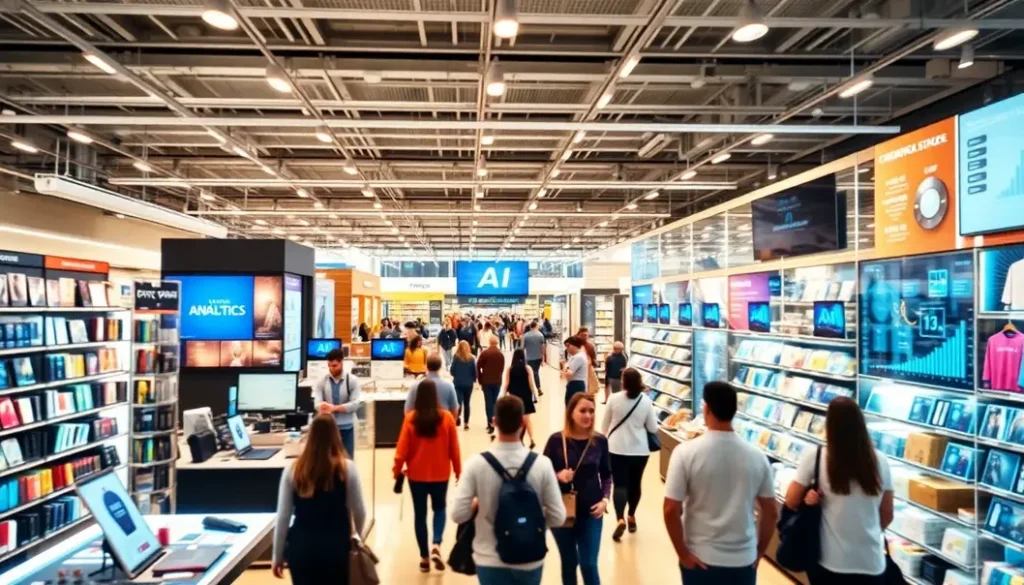
The retail landscape is undergoing a significant transformation as artificial intelligence (AI) becomes a vital tool for enhancing customer experiences. Retail leaders are now leveraging AI to gain insights that help shape customer interactions and optimize operations. From understanding shopper behavior in real-time to predicting product demand, AI empowers decision-makers with data-driven solutions that enhance operational efficiency and customer satisfaction. With an increasing array of AI tools at their disposal, directors and planners are poised to revolutionize how experiences are monitored and refined, leading to enhanced engagement and loyalty. This article delves into the multifaceted role of AI in retail experience monitoring, providing actionable insights for leaders looking to stay ahead in an evolving market.
Understanding AI’s Role in Customer Experience
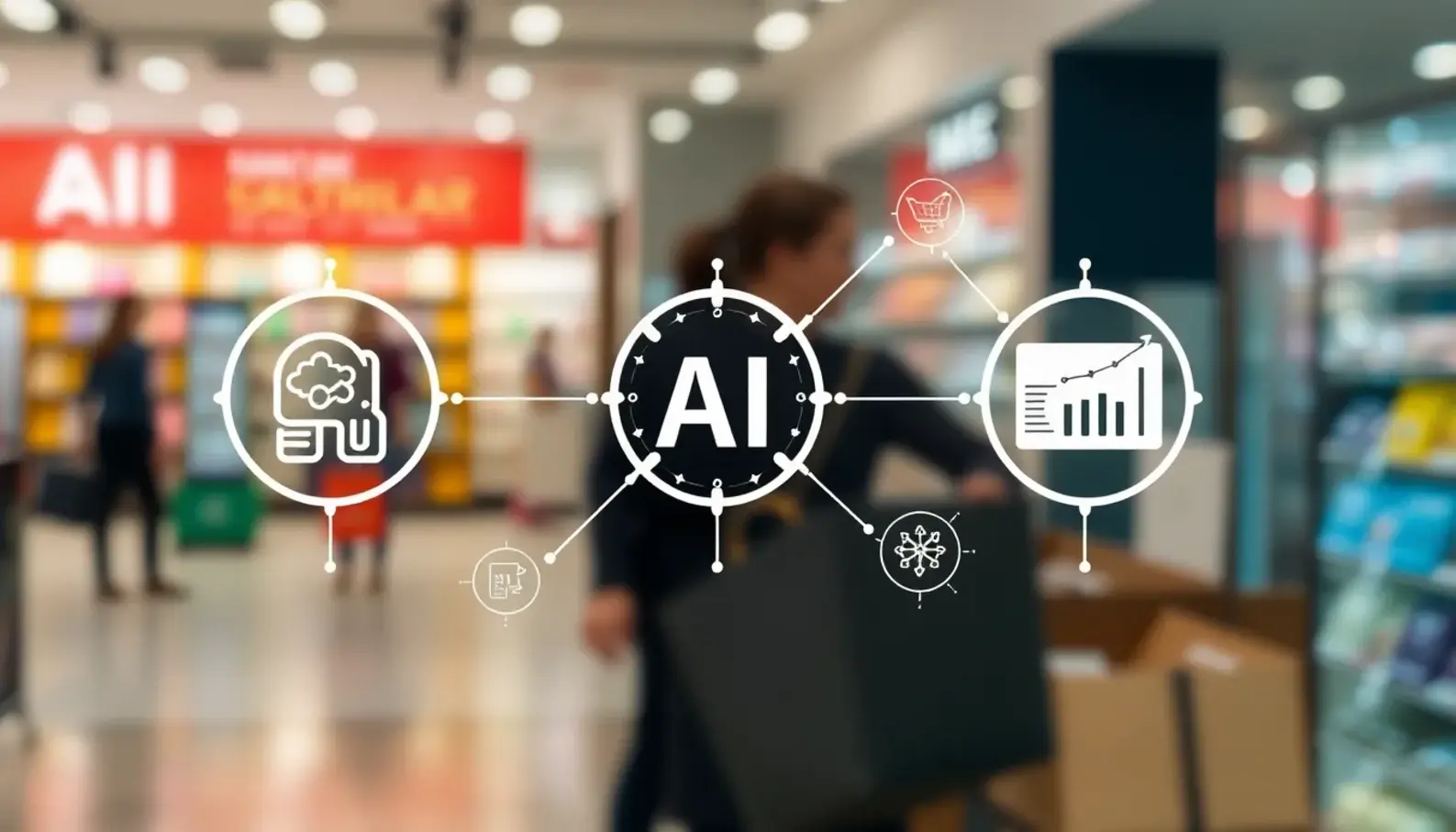
Artificial Intelligence (AI) has permeated the retail sector, transforming how businesses understand and enhance customer experiences. The integration of AI technologies into retail operations provides a framework that allows for profound insights into consumer behavior and preferences. By leveraging this transformative technology, retailers are not simply guessing what customers might want; they can predict it with remarkable accuracy.
Machine learning stands at the core of this AI revolution. By processing vast amounts of data, machine learning algorithms uncover patterns that would be impossible for a human to discern. These patterns help forecast future buying behaviors, enabling retailers to optimize inventory and personalize marketing strategies effectively.
Natural language processing (NLP), another pivotal AI advancement, allows retailers to interact with customers in a more personalized and responsive manner. NLP-driven chatbots improve both online and in-store customer support, providing instant assistance tailored to individual needs. By analyzing the language used by customers in interactions, these systems can also identify areas of frequent dissatisfaction and modify offerings accordingly.
Predictive analytics further enhances the retail experience by foreseeing trends and customer preferences. This form of AI not only improves stock management but also tailors promotions and recommends products suited to individual customers. Predictive models analyze past purchases and browsing history to suggest items likely to appeal to each shopper individually.
The power of AI in retail extends beyond improving interactions with consumers. It provides managers with actionable insights critical for service delivery enhancements. For example, sentiment analysis of customer feedback allows brands to pinpoint shortcomings in their offerings and rectify them expeditiously.
Several notable retail brands have already reaped the benefits of AI integration. These companies have transformed their engagement strategies, leading to increased customer satisfaction and retention. By employing AI, they track real-time data from various touchpoints, such as websites and physical stores, crafting seamless experiences that cater to consumers’ immediate and long-term needs.
A key example includes a multi-national retailer that utilized AI for dynamic pricing—adjusting prices in response to the competitive landscape and consumer demand fluctuations. As a result, their sales and profitability surged, demonstrating AI’s capacity to fine-tune not only customer engagement but also overall business performance.
Moreover, AI is instrumental in streamlining operations, as demonstrated by another retailer that employed AI-driven shelf management. By using computer vision technology, they monitored shelf stock levels, reducing the incidence of stockouts and excess inventory. This optimization resulted in improved customer satisfaction and operational efficiency.
Directors and planners interested in leveraging AI to bolster their retail strategies should focus on these AI-driven methodologies. By doing so, they not only enhance the customer experience but also gain a competitive advantage in an ever-evolving market. Harnessing these insights is crucial to developing robust, forward-thinking strategies that meet and exceed consumer expectations.
For further exploration into the transformative role of AI in business growth, consider visiting AI in Business Growth. This resource provides additional insights on how AI technologies can propel forward-thinking business strategies, resonating well with retail sector advancements.
Thus, the integration of AI into retail operations is no longer a futuristic vision but a business imperative. As the technology continues to advance, those who adapt will thrive in the expanding digital marketplace.
Data-Driven Insights for Decision Making
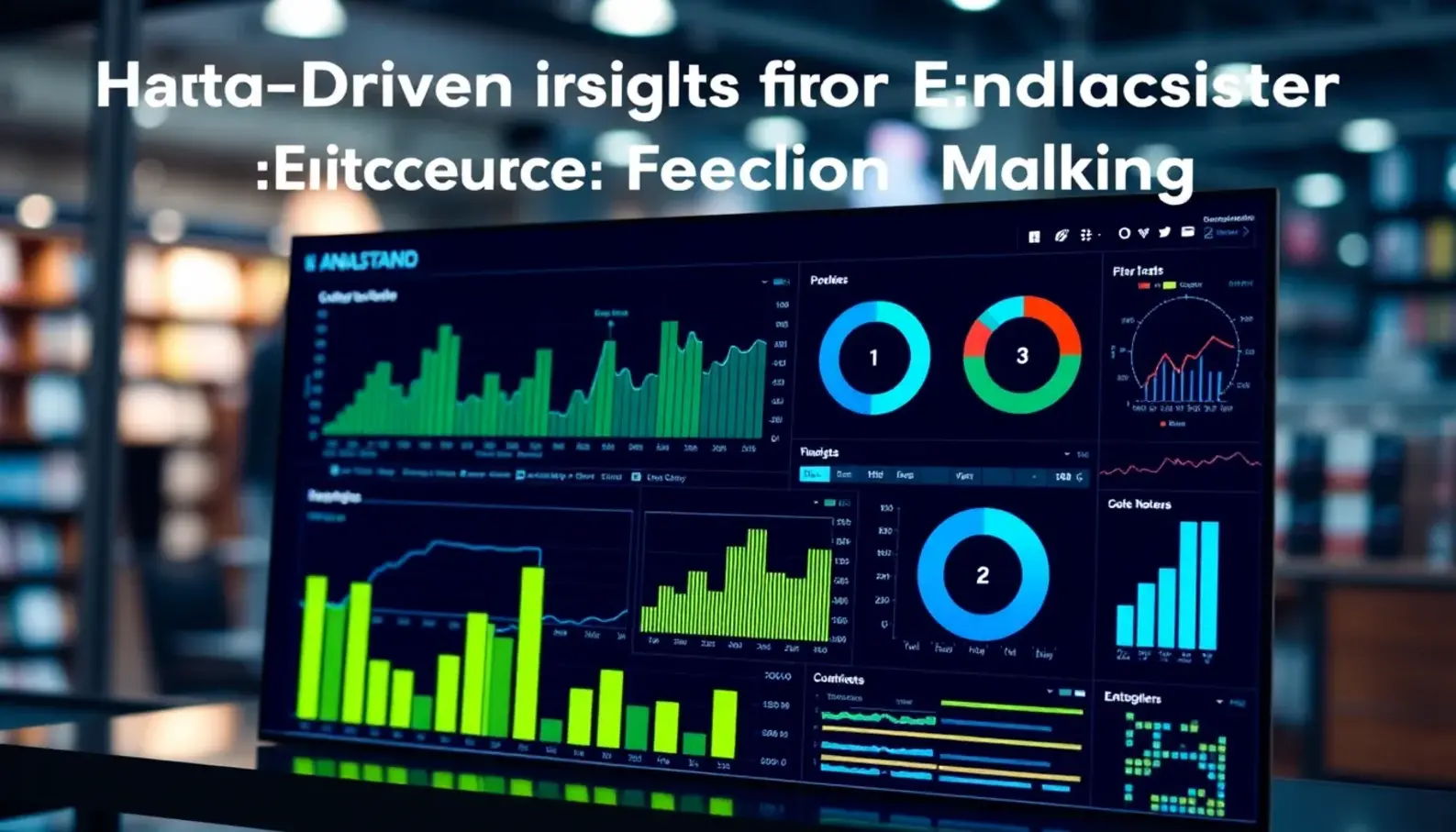
The rise of AI-driven analytics has transformed the retail industry by providing unprecedented insights into customer behavior and preferences. These insights empower retailers to make informed decisions about inventory management, marketing strategies, and customer engagement, ultimately enhancing the overall retail experience.
Collecting and analyzing data are foundational to leveraging AI analytics effectively. Retailers must gather data from various touchpoints, including online interactions, in-store purchases, and customer feedback. By compiling these data streams, businesses can create comprehensive profiles of customer behavior, enabling them to tailor their offerings more precisely.
One of the most significant applications of AI analytics in retail is inventory management. Traditional methods often rely on historical sales data, which can fail to account for fluctuating consumer demands and trends. AI analytics, however, utilize real-time data to predict demand more accurately, reducing overstock and stockouts. For example, a global clothing retailer utilized AI to analyze past sales and current fashion trends, optimizing its supply chain to ensure that popular items were always in stock while minimizing excess inventory. This strategy not only reduced costs but also improved customer satisfaction by ensuring product availability.
AI-driven insights also revolutionize marketing strategies by enabling personalized campaigns. Retailers can tailor their marketing efforts to individual preferences, increasing the relevance of promotions and advertisements. For instance, a major online marketplace leverages AI to analyze browsing and purchase history, allowing it to suggest products that align with a customer’s past behavior and interests. As a result, conversion rates improve and customer loyalty strengthens, as shoppers feel understood and valued.
Customer engagement benefits immensely from AI analytics. By understanding customer preferences and pain points, retailers can design more engaging and rewarding experiences. For example, a leading electronics store implemented AI chatbots to provide personalized recommendations and support, enhancing the customer experience. The chatbot not only addresses customer queries efficiently but also collects data that further refines the retailer’s understanding of customer needs.
Despite the clear advantages, adopting AI analytics in retail presents challenges. Data privacy and security concerns can hinder implementation, as customers may be wary of how their information is used. Retailers must ensure that their data collection processes comply with regulations and maintain transparency with consumers to build trust. Furthermore, integrating AI solutions into existing systems can be complex, requiring technical expertise and investment.
To overcome these hurdles, retailers should begin by establishing a strong data governance framework, prioritizing data security and compliance. Collaboration with AI solution providers can also ease the integration process. By working closely with experts, businesses can implement AI tools that align with their specific goals and technological infrastructure.
Additionally, training staff to understand and utilize AI analytics is crucial. Retailers should invest in training programs to equip their teams with the skills needed to interpret data insights effectively. By fostering a data-driven culture, companies can maximize the benefits of AI analytics, ensuring that all departments are aligned and capable of leveraging insights for decision-making.
AI-driven analytics continue to reshape the retail landscape, offering valuable insights that improve customer experiences and business outcomes. As technology advances, retailers that embrace these tools will find themselves better positioned to anticipate consumer needs and respond with agility and precision. Emphasizing a strategic approach to data collection, analysis, and application will enable retailers to optimize their operations and thrive in an increasingly competitive market. For further insights on the integration of AI technologies in business strategies, explore this article.
Driving Personalization through AI
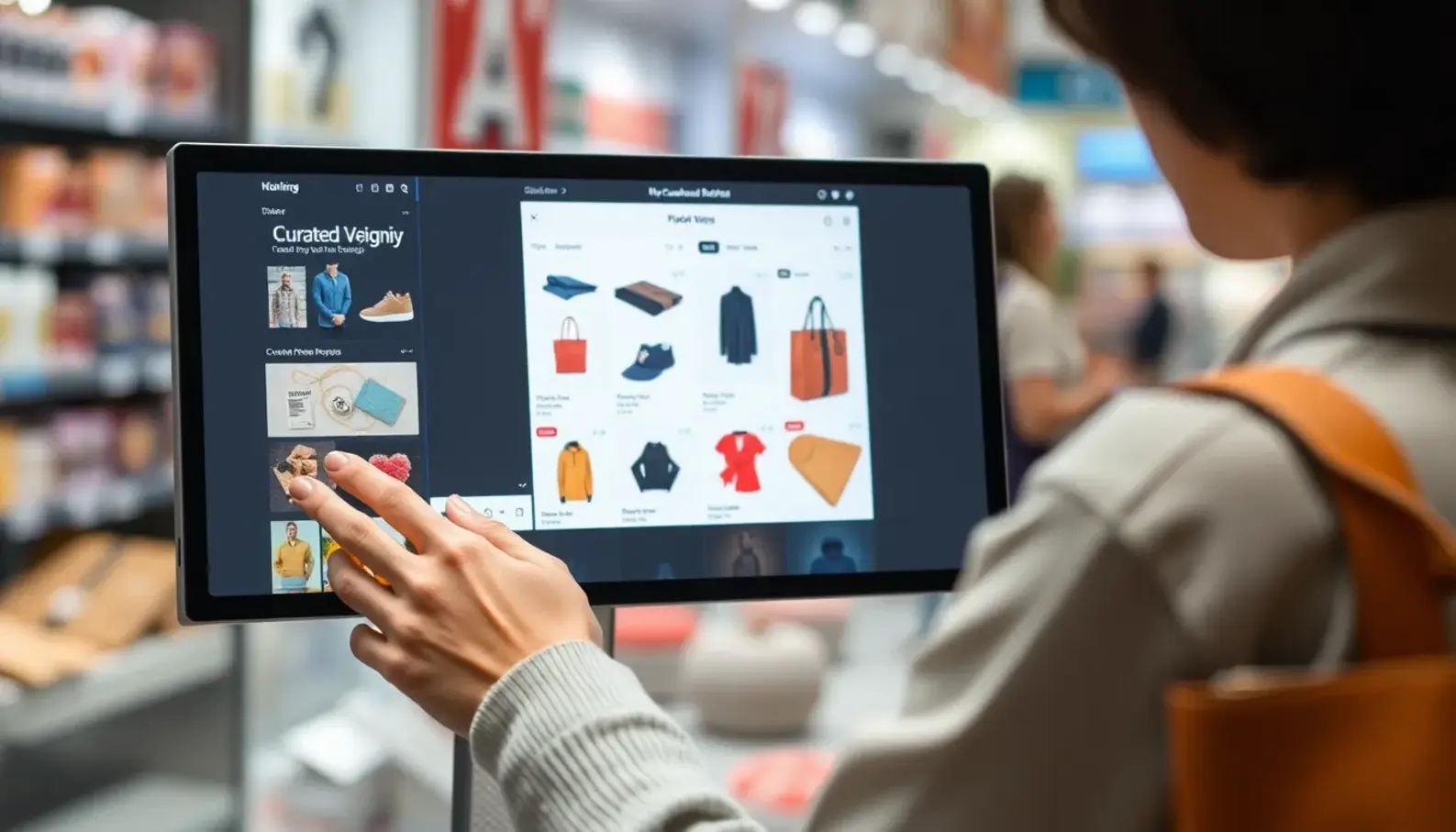
Artificial Intelligence (AI) is transforming the retail landscape by enabling highly personalized customer experiences. These transformations range from targeted marketing campaigns to personalized shopping experiences. Retailers have long sought to understand customer preferences, and AI now offers powerful tools to craft individualized interactions that resonate deeply with consumers. By tapping into vast streams of data, AI can analyze customer behavior patterns, preferences, and past interactions to create bespoke experiences.
Recommendation systems are among the most potent AI-driven tools in retail’s personalization arsenal. By leveraging machine learning algorithms, these systems analyze customer data to suggest products that align closely with individual preferences. Such recommendations not only drive sales but also enhance customer satisfaction by providing a streamlined shopping experience. The power of AI lies in its ability to process enormous volumes of data quickly, providing insightful suggestions that might elude even the most seasoned retail professionals.
Chatbots represent another AI application reshaping retail personalization. These virtual assistants facilitate seamless, real-time interactions with customers, providing answers to queries, assisting with orders, and offering personalized recommendations. By employing natural language processing, chatbots understand and respond to customer inquiries in a human-like manner. This interaction fosters a sense of connection and loyalty by addressing individual needs promptly and efficiently.
Dynamic pricing is an AI technique that adjusts product prices in response to real-time supply and demand fluctuations. This adaptability allows retailers to remain competitive while ensuring that customers receive value-driven pricing. By analyzing behavior patterns, previous purchasing history, and various market factors, dynamic pricing strategies tailor prices that reflect the current consumer climate, ultimately boosting both sales and customer satisfaction.
Beyond these applications, AI plays a critical role in anticipating customer needs and behaviors. Predictive analytics allows retailers to identify emerging consumer trends and adapt their offerings accordingly. By understanding purchasing patterns and preferences, AI helps retailers forecast demand and stock in anticipation, thereby reducing waste and ensuring product availability.
Implementing AI-driven personalized strategies requires thoughtful orchestration by retail leaders. The first step is to build a robust data infrastructure that enables the collection and analysis of customer data while ensuring privacy and compliance with regulations. Next, organizations should invest in AI technologies that align with their business goals and customer engagement strategies. Training staff to interpret AI insights and act on them is also crucial, as is fostering a culture that embraces innovation and change.
Achieving successful personalization also demands cross-functional collaboration. Marketing, technology, and customer service teams must work together to integrate AI solutions that enhance the customer experience holistically. This collaboration ensures that the insights generated by AI translate into actionable strategies that resonate with customers across various touchpoints, driving engagement and loyalty.
In summary, AI is not just an enhancement tool for retail; it’s a redefining force for customer interactions. Through recommendation systems, chatbots, and dynamic pricing, AI fosters stronger customer relationships by making interactions more relevant and timely. By anticipating needs and tailoring experiences, retailers can cultivate deeper customer connections and long-term loyalty, leading to a significant impact on overall business success. For those interested in exploring more innovative AI strategies, Innovative AI Marketing Strategies offers a deep dive into leveraging AI for business growth.
Final words
AI is transforming the retail landscape through enhanced experience monitoring, providing directors and planners with powerful insights to drive customer satisfaction. By leveraging data-driven techniques, retail leaders can craft personalized and engaging experiences that foster loyalty. As the retail environment continues to evolve, embracing AI tools will be crucial for staying competitive and meeting customer expectations.
Download E-Book for In-Depth Strategies
Learn more: https://innoupdates.com
About us
At InnoUpdates, we specialize in providing cutting-edge AI solutions tailored for the retail sector. Our analytics platforms empower retail directors and planners with the insights they need to enhance customer engagement, optimize operational processes, and ultimately drive sales. Learn how our innovative offerings can help you navigate the complexities of modern retail and stay ahead of the competition.