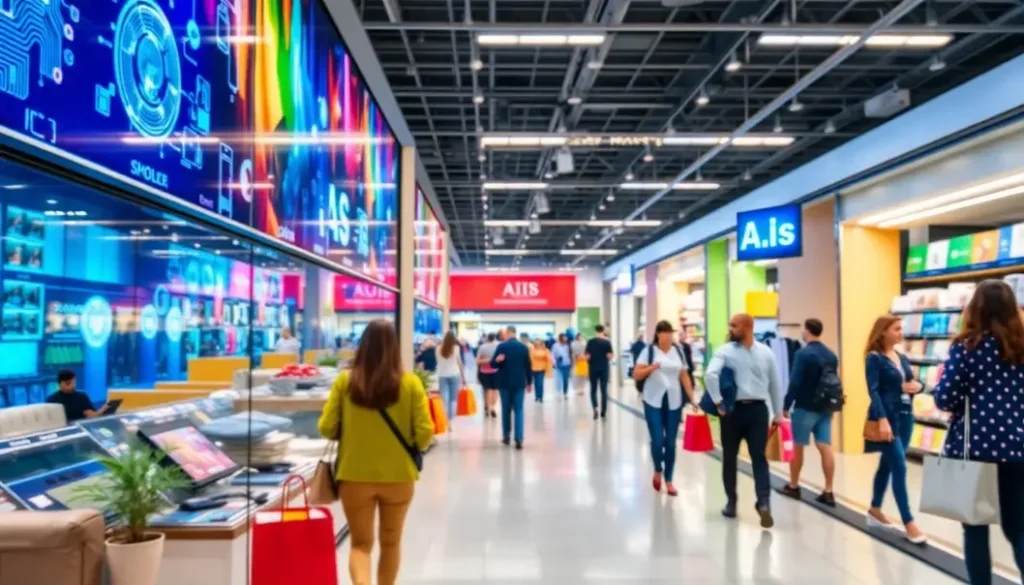
Artificial Intelligence (AI) is reshaping the retail landscape, paving the way for innovative security measures that protect consumers and businesses alike. This integration of technology into retail environments not only enhances safety but also enriches the shopping experience. Clinicians and designers alike have a crucial role in navigating this complex interplay between technology, security, and user interaction. By examining the multifaceted applications of AI in security, we uncover new opportunities for collaborative advancements that prioritize customer trust and safety. Join us as we dive deeper into the implications of AI within the retail sector, exploring ways to secure environments while providing exceptional customer experiences.
AI-Driven Security: Redefining Retail Safety
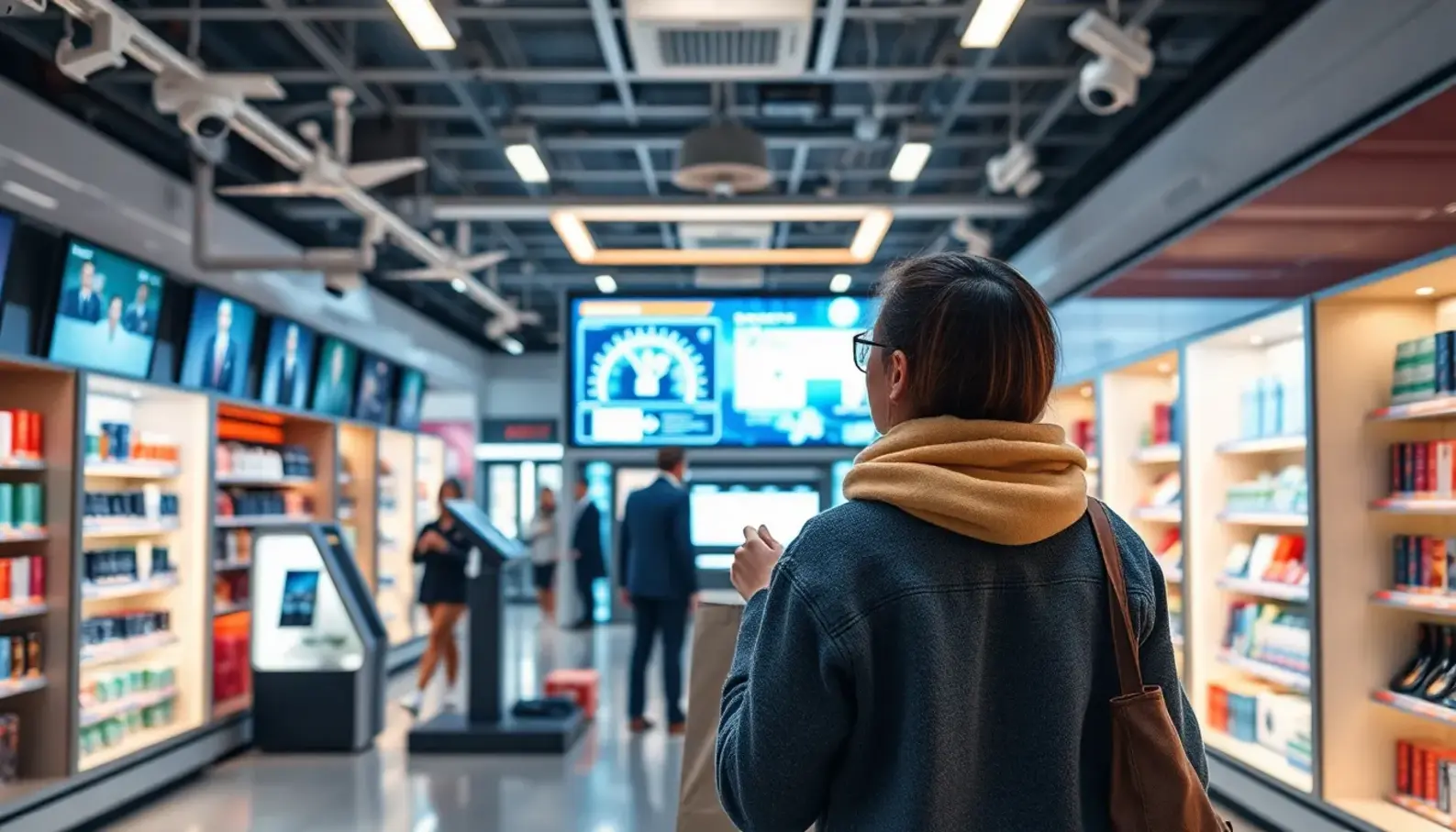
In the rapidly evolving world of retail, security remains a top priority, with AI technologies offering unprecedented advancements. Artificial intelligence, through sophisticated machine learning algorithms and data analytics, now plays a critical role in bolstering security, preventing theft, fraud, and other threats. This chapter explores how AI redefines retail safety, ensuring a secure and seamless shopping experience for both consumers and retailers.
Machine learning algorithms analyze vast amounts of data collected from various sources like surveillance cameras, point-of-sale systems, and customer loyalty programs. By assessing this data, AI can identify potential security threats before they materialize. For instance, in-store cameras powered by AI can detect suspicious behavior patterns, such as loitering or repeated visits to high-value product sections without purchase. This proactive approach helps in thwarting shoplifting attempts, thereby protecting both inventory and customers.
Theft prevention is only one aspect of AI’s role in retail security. Fraud detection has become increasingly sophisticated with AI analytics. Retail environments with digital payment systems are particularly vulnerable to fraudulent activities. AI systems analyze transaction patterns, identifying anomalies that could indicate fraudulent behavior. This real-time monitoring reduces the opportunity for fraud to occur, protecting retailers from financial losses and ensuring the integrity of customer data.
AI’s ability to analyze and interpret foot traffic patterns offers retailers further security enhancements. By monitoring how customers move through a store, AI can identify areas of congestion or concern. If unusual patterns are detected, such as a sudden influx in typically quiet areas, alerts can be sent to staff for further investigation. This dynamic surveillance not only aids in loss prevention but also improves customer flow and enhances their shopping experience.
One innovative AI application in retail security is its integration with biometric technology. Facial recognition systems can identify known offenders or individuals with suspicious activity recorded at other locations. When paired with AI-driven data analytics, these systems become even more powerful. For example, certain behaviors flagged by AI can trigger enhanced scrutiny only when matched with biometric data, ensuring that privacy concerns are respected while maintaining security.
Real-time alerts and seamless customer experiences are crucial in the integration of AI in retail security. It’s essential for these systems to operate without causing disruption. Customers should feel confident and undisturbed, knowing that their shopping environment is safe. To achieve this balance, AI solutions often operate silently in the background, providing staff with timely alerts that are subtle and unobtrusive.
Privacy and ethical considerations are integral when implementing AI-driven security measures in retail. Transparency with customers about how their data is collected and used can help in building trust. Retailers must comply with existing laws and regulations while ensuring their data handling practices are ethically sound and respect consumer privacy.
For both clinicians and designers, understanding the broader implications of AI in retail security is vital. Clinicians must recognize the potential health impacts of increased surveillance, while designers should focus on crafting interfaces and interactions that enhance user experience. AI offers a unique opportunity to redesign how security is conceptualized, balancing rigorous protection measures with a welcoming retail environment.
As the retail landscape continues to evolve, AI-driven security systems will become standard. Their ability to adapt and learn makes them invaluable in mitigating security threats. Retailers investing in these technologies can expect not only enhanced security but also a more engaging, safe, and efficient shopping experience for their customers.
To explore further about how AI impacts various industries, visit this article on AI’s role in business growth.
Designing Secure Experiences: A Collaborative Approach

In an era where digital footprints guide retail dynamics, designers and clinicians find themselves at the confluence of creativity and consumer psychology. This intersection is where secure, engaging retail experiences are born. The core of this collaboration is a shared goal: enhancing security while sustaining a satisfying shopping environment.
Designers contribute their aesthetic sensibility and deep understanding of user experience, while clinicians bring insights into consumer behavior and psychology. This collaboration ensures that solutions are not only aesthetically pleasing but also aligned with the psychological needs and expectations of consumers. Ethical considerations regarding customer data and privacy are paramount, requiring transparent and secure systems that encourage consumer trust.
Understanding Ethical Considerations
Retail environments are rich with data collection opportunities. Every transaction, online or in-store, reveals consumer preferences and behaviors. While this data is invaluable for personalized experiences, its ethical usage necessitates stringent protection. Privacy breaches erode trust, underscoring the importance of deploying cutting-edge security measures.
Designers and clinicians must assess the impact of their strategies on consumer trust. Transparency in data collection processes and purpose is crucial. Informed consent, a keystone of ethical data usage, cannot be overlooked. Establishing clear communication channels about how data is collected, stored, and used plays a pivotal role in maintaining consumers’ confidence.
An effective approach is implementing biometric authentication mechanisms that strike a balance between security and user convenience. Fingerprint scans, facial recognition, or even voice authentication provide secure access without cumbersome processes. These methods not only heighten security but can be integrated seamlessly into the consumer journey. For additional insights into the potential of biometric technologies across various domains, explore this article on biometric travel tech.
Seamless Integration of Security
The art of incorporating robust security measures involves ensuring they do not disrupt the customer experience. Interventions such as real-time authentication checks and silent facial recognition confirm consumer identity without obtrusive interruptions. These innovations enhance a sense of safety and continuity, encouraging deeper consumer engagement with the brand.
Design methodologies focusing on security must leverage user-centered design principles. Engage consumers during the design phase through focus groups and usability testing to gather feedback on potential security features. This dialogue between developers and end-users helps designers empathize with user concerns and anticipates points of friction.
Case Studies of Successful Collaborations
A prominent retail giant worked with design teams and behavioral psychologists to revamp its security systems. By incorporating advanced AI-driven analytics along with psychologists’ input on consumer comfort zones, they crafted an atmosphere that prioritized intuitive security. The result was a retail environment that did not just restrict unauthorized access but proactively engaged customers, boosting their overall experience.
Another collaboration between an apparel retail chain and clinical experts focused on redesigning fitting rooms equipped with privacy-assuring biometric locks and digital sizing assistants. This integration impressed consumers and promoted a feeling of exclusive, personalized service. Sales increased, highlighting the influence of secure, sophisticated, and inclusive design.
The Role of Consumer Psychology
Consumer psychology is integral to understanding how security measures impact shopping behavior. Clinical experts can map emotional responses to perceived threats or safeties. By embedding these insights into design, retailers can create a perception of protection that cultivates trust.
Secure spaces instill confidence and encourage longer dwell times, which often translate to higher sales. Moreover, environments designed with consumers’ psychological comfort in mind are more likely to foster brand loyalty, resulting in long-term business benefits. Integrating elements that resonate with specific demographics’ emotional and psychological expectations enhances customers’ perceived value of the brand.
By employing a collaborative approach, designers and clinicians turn retail spaces into sanctuaries of trust and engagement. The balance of technical sophistication with human-centric design cultivates environments that don’t just meet security expectations but exceed them, cultivating profound consumer loyalty and brand distinction.
Final words
As artificial intelligence permeates the retail industry, the partnership between clinicians and designers will be pivotal in guiding the evolution of security measures. This collaboration not only addresses the critical aspects of safety and protection but also takes into account the importance of creating enjoyable shopping experiences. By leveraging AI technologies and design methodologies, the retail landscape can evolve into a safer and more engaging environment for consumers, ultimately building lasting trust.
Apply for Beta and join the forefront of AI security innovation!
Learn more: https://innoupdates.com
About us
We specialize in providing cutting-edge AI solutions designed to enhance security in the retail environment. Our offerings include sophisticated data analytics tools, real-time monitoring systems, and seamless integration of biometric technology, all aimed at creating a safe and engaging shopping experience for consumers while empowering retailers with the confidence that their assets are protected.