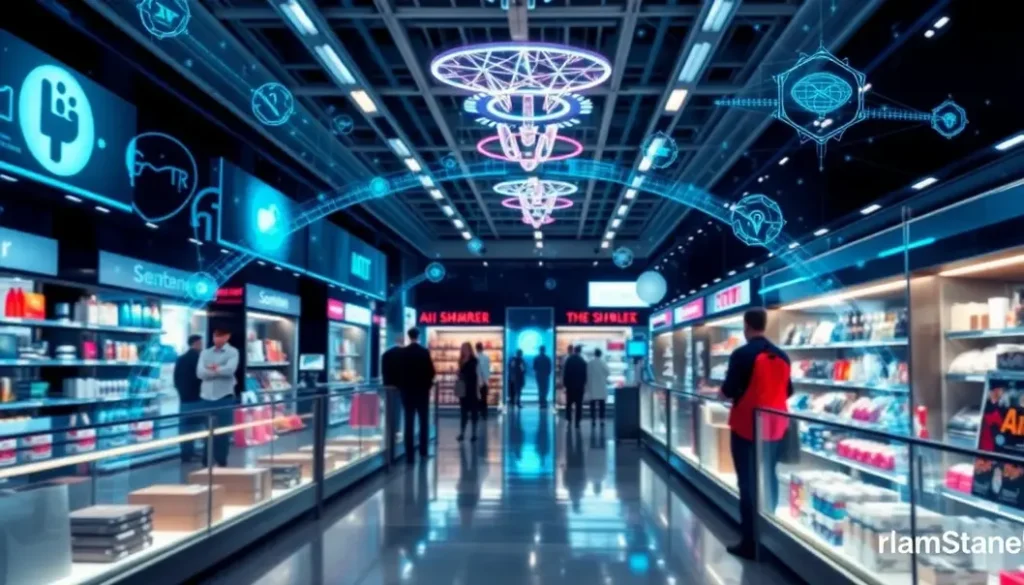
Artificial Intelligence (AI) is redefining the retail landscape, providing businesses with potent tools for decision-making. From personalized customer experiences to optimizing inventory management, AI empowers retailers to make data-driven choices that enhance operational efficiency. As investor interest in tech-driven solutions surges, understanding AI’s role in retail becomes vital. For clinicians, recognizing AI’s impact on consumer behavior offers valuable insights into public health trends and spending patterns. This article delves into the multifaceted applications of AI in retail, highlighting its potential to revolutionize customer interactions, inform merchandising strategies, and ultimately, drive profitability.
Personalization: Driving Customer Engagement with AI
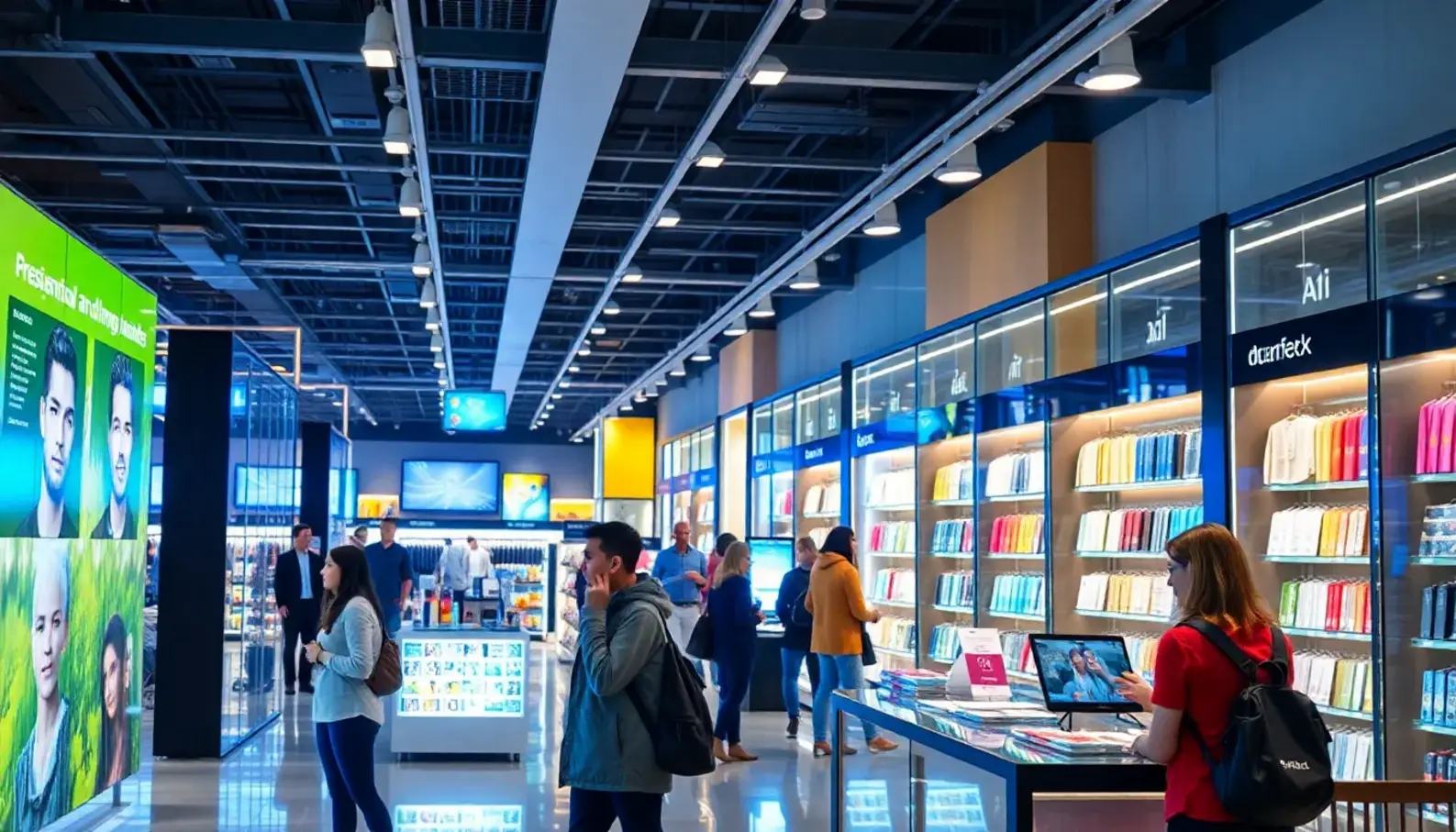
The power of AI in retail is most prominently displayed through hyper-personalization. By leveraging sophisticated algorithms, retailers can dissect customer data to craft individualized shopping experiences. This deep personalization not only engages customers but also fosters a sense of brand loyalty, as consumers feel understood and valued.
AI algorithms sift through vast amounts of data, parsing customer behavior patterns, shopping histories, and demographic attributes. These insights enable retailers to tailor recommendations and promotions effectively. When a customer enters a store or logs into a website, AI-driven systems can suggest products aligned with their preferences and past purchases, creating a seamless and intuitive shopping journey.
Imagine a retail environment where promotions are no longer generic but are specifically designed for individual customers. Targeted promotions become a powerful tool in driving engagement. For instance, if a customer frequently buys running shoes, they could receive a personalized discount on the latest sportswear. This strategy not only attracts attention but also increases the likelihood of purchase conversion.
Tailored communication strategies further enhance the personalized shopping experience. AI systems can determine the best times and channels to communicate with each customer. Through email, push notifications, or even in-app messages, tailored communications ensure that the promotional messages are received and read. AI can also predict the type of messaging a customer might respond to, increasing the effectiveness of marketing campaigns.
Consumer preferences are rapidly shifting, necessitating a flexible approach to personalization. AI can adapt in real-time, recalibrating its analyses as new data flows in. This adaptability is particularly crucial during seasonal shifts or in response to emerging trends. During these periods, maintaining engagement through timely and relevant communication is key.
Moreover, the nuances of human behavior add complexity to retail strategies. AI technology excels by identifying subtle signals that might otherwise fly under the radar. By understanding how different customers interact with products, online platforms, and in-store setups, AI can unveil hidden patterns. These insights assist in optimizing product placements and website interfaces, enhancing the overall shopping experience for users.
Importantly, retailers must be mindful of consumer trust. While AI’s capabilities are impressive, transparency is crucial. Customers should be informed about how their data is collected and used. Clear privacy policies help build trust, ensuring customers feel comfortable sharing their data, which in turn, fuels the AI-driven personalization engine.
The competitive edge provided by AI in personalization cannot be overstated. Retailers are witnessing enhanced customer loyalty, increased cart size, and more frequent repeat visits. It’s not just about selling a product; it’s about crafting an experience that resonates on a personal level with each customer.
AI’s role in personalization is reminiscent of a skilled conductor directing a symphony. By harmonizing data, preferences, and behavioral insights, AI crafts unique and memorable shopping experiences. As retailers continue to innovate, staying abreast of cutting-edge AI strategies will be paramount. The future of retail is not only bright but deeply personalized, promising an era where shopping becomes more than a transactional experience—it becomes an intimate interaction tailored to each individual’s unique tastes and preferences.
For a deeper insight into AI’s transformative effect on businesses, you can explore AI in business growth, which provides broader applications of AI beyond the retail sector.
AI-Optimized Inventory Management: Ensuring Availability and Minimizing Waste
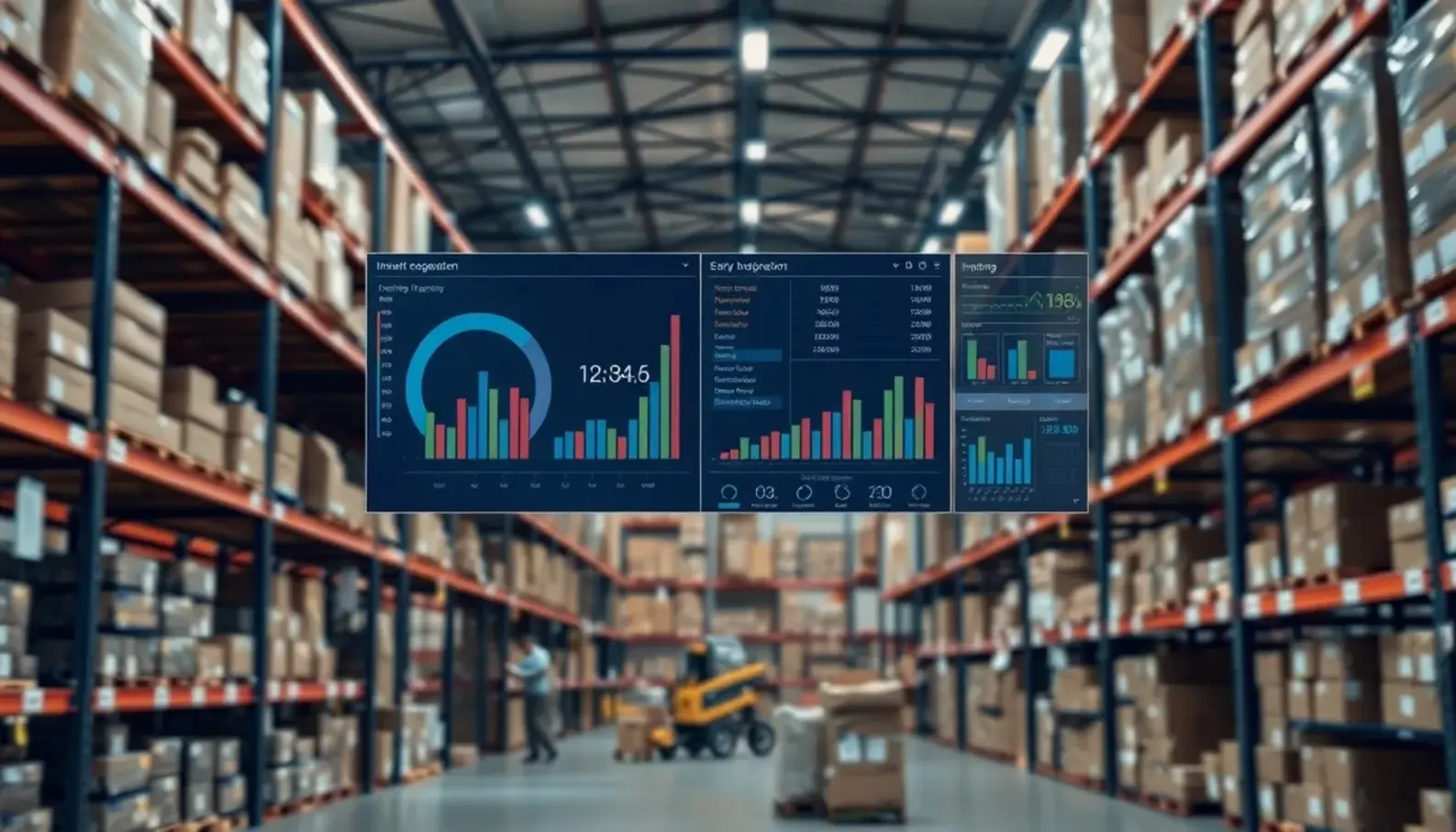
Artificial Intelligence (AI) is revolutionizing inventory management. Through the power of predictive analytics, retailers can optimize stock levels with precision. The use of AI in interpreting vast amounts of data—such as sales figures, market trends, and even weather forecasts—enables businesses to maintain optimal inventory without incurring unnecessary costs.
Central to AI’s efficacy is its ability to process and analyze historical sales data. Retailers have long relied on past sales to guide future stocking decisions. However, manual analysis lacks the nuanced understanding AI provides. With machine learning algorithms, AI systems can discern patterns from complex datasets, offering more accurate predictions on high-demand products. These insights empower retailers to ensure popular items are always available, directly enhancing customer satisfaction.
AI’s role extends beyond sales data interpretation. Understanding market trends is crucial for competitive advantage. AI systems can scan and interpret information from various sources, including news articles, industry reports, and social media, to anticipate shifts in market demand. For instance, if a particular fashion trend is gaining momentum globally, AI can alert retailers about potential high demand for related items, allowing timely stock adjustments.
Weather forecasting, often overlooked, is another vital element in AI-driven inventory management. Weather patterns significantly impact consumer behavior. A sudden cold snap can drive up demand for warm clothing, while an unexpected heatwave can boost sales of cooling appliances. AI can integrate real-time weather data with historical consumption patterns to predict spikes in demand for weather-sensitive items, enabling more precise inventory adjustments.
Inventory optimization isn’t only about maintaining availability; it also involves waste reduction. Overstocking not only ties up capital but also increases the risk of obsolete inventory. AI addresses this by providing just-in-time stock recommendations, reducing excess stock levels. This strategic approach reduces waste while ensuring that shelves are stocked efficiently.
The integration of AI in supply chain and logistics further streamlines inventory management. Through predictive analytics, AI can optimize ordering schedules, ensuring products are replenished just before depletion. Additionally, AI enhances supplier relationship management by analyzing supplier performance and predicting potential disruptions. By identifying reliable partners, retailers can mitigate risks associated with delayed shipments or inadequate product quality.
Utilizing AI in inventory management more broadly impacts operational costs and overall business strategy. By reducing overstock and minimizing stockouts, AI-driven inventory strategies directly cut costs tied to excess warehousing, spoilage, and loss of revenue from unavailable products. This cost efficiency frees up resources that can be reinvested in other areas, such as customer experience enhancement or innovation in product offerings.
Moreover, AI-driven insights facilitate strategic decision-making. Retailers can use predictive analytics to explore “what-if” scenarios, examining the potential outcomes of launching new products or entering different markets. These predictive capabilities allow for strategic foresight, enabling retailers to make informed decisions that align with long-term business goals.
Finally, the potential impact of AI-driven inventory management on sustainability should not be understated. By minimizing waste and optimizing stock levels, AI contributes to a reduction in resource consumption. This aligns with increasing consumer expectations for corporate sustainability practices, offering a dual advantage of operational efficiency and enhanced brand reputation.
AI-optimized inventory management is a significant leap forward in retail operations. Its capacity to enhance availability, reduce waste, and cut costs while supporting strategic business decisions underscores its transformative potential. As AI continues to evolve, retailers who adeptly harness its power will undoubtedly lead the charge in delivering superior customer experiences while achieving operational excellence.
To learn more about how AI can be integrated into various sectors, consider visiting AI in Business Growth.
Data-Driven Decision Making: Enhancing Strategic Retail Operations with AI

Retail operations are undergoing a profound transformation, where data-driven decision-making is not just a convenience but a necessity. At the heart of this transformation is artificial intelligence (AI), pushing the boundaries of how retailers manage operations, from merchandising to supply chain logistics. AI-driven data analytics offers unprecedented insights, enabling retailers to make strategic decisions that continuously refine and enhance the customer experience.
Merchandising Enhancements
AI-powered data analytics can significantly refine and shape merchandising strategies. By leveraging machine learning algorithms, retailers can analyze vast datasets to understand purchasing patterns and customer preferences. This enables the retailer to customize product offerings, ensuring the right mix of products at the right time. AI can predict which products are likely to succeed based on historical data, market trends, and even social media sentiment analysis. Furthermore, it allows dynamic pricing models that adjust in real-time, maximizing both competitiveness and profitability.
One case study illustrating this success is a multi-national fashion retailer that implemented AI-driven merchandising. By analyzing customer feedback, sales data, and fashion trends, the retailer optimized inventory and personalized marketing. This led to a 15% increase in sales and significantly higher customer satisfaction rates.
Improving Forecasting Methods
The impact of AI on forecasting cannot be overstated. Traditionally, retail forecasting relied heavily on historical sales data, which often leads to inaccurate predictions due to unseen variables. AI, however, integrates a broader spectrum of data sources, including weather patterns, economic indicators, and even customer foot traffic. This comprehensive data application enables much more accurate demand forecasting.
A prominent supermarket chain utilized AI to improve its forecasting. By employing AI algorithms to incorporate real-time data from various sources, they minimized inventory waste and optimized labor allocation. This case shows an 8% reduction in unnecessary inventory costs and improved customer service through better staff deployment.
Supply Chain Management
Optimization of supply chain operations through AI tools is reshaping logistics and fulfillment strategies. AI facilitates predictive analytics that foresees potential supply chain disruptions, allowing companies to proactively mitigate risks. This capability is crucial in maintaining the balance between supply and demand.
A tech giant with an extensive supply chain leveraged AI for more efficient logistics operations. By implementing route optimization and predictive maintenance using AI, they reduced transportation costs by 12% and decreased the downtime of delivery vehicles. This strategic initiative not only cut costs but also improved delivery timelines, which enhanced overall customer satisfaction.
In addition to immediate logistical improvements, AI’s role in supply chain management is expanding into areas like warehouse automation, where robotics and AI collaborate to streamline processes. This approach is not just about efficiency; it’s driving towards sustainability by reducing carbon footprints through optimized delivery routes and reduced waste.
Driving Strategic Initiatives
Beyond immediate operational efficiencies, AI in the retail sector empowers organizations to drive significant strategic initiatives. AI supports personalized experiences and recommendation engines that engage customers at a profoundly individual level, enhancing loyalty and lifetime value. Retailers can also use AI to refine marketing strategies, ensuring messaging is timely and resonates well with targeted customer segments.
Furthermore, AI enables continuous adaptation through real-time data integration, allowing for agile responses to market changes. An informative resource on AI’s role in business growth, which can provide further insights, is available here.
This data-driven approach has proven transformative for many businesses. Companies can now move beyond reactive strategies to proactive decision-making. Seamlessly integrating AI into retail operational strategies equips businesses with the tools needed to anticipate trends, streamline operations, and deliver enhanced customer engagement.
Retailers embracing AI-driven data analytics are setting new standards in the industry. As AI continues to evolve, so too will its capabilities in transforming retail operations, paving the way for new business models and unprecedented customer experiences.
Final words
AI stands at the forefront of revolutionizing retail decision-making, providing tools that foster personalized shopping experiences, streamline inventory, and enhance strategic operations. For investors, this presents a unique opportunity to capitalize on technological advancements that drive profitability. For clinicians, understanding these dynamics can provide a deeper insight into consumer behaviors influencing public health trends. The future of retail is evidently intertwined with AI, creating an imperative for stakeholders to engage with these innovations.
Book a Demo
Learn more: innoupdates.com
About us
Our company specializes in cutting-edge AI solutions designed to optimize retail experiences and operations. We provide personalized analytics, inventory management tools, and strategic decision-making frameworks that empower retailers to enhance customer engagement and drive growth. Our comprehensive offerings facilitate a seamless integration of AI into retail strategies, ensuring superior performance and a competitive edge.