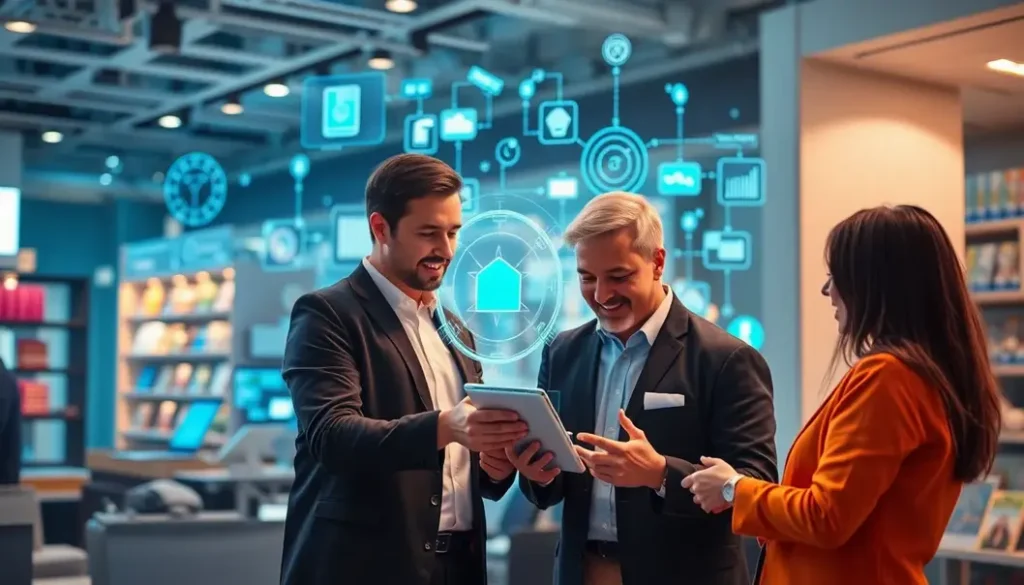
Artificial Intelligence (AI) is redefining retail education, enhancing how planners and educators develop talent and enhance customer experiences. As technology evolves, integrating AI into education strategies enables tailored learning paths, data-driven decision-making, and immersive simulations. This approach empowers retail professionals with the skills and insights needed to thrive in a data-centric market. By harnessing AI’s capabilities, educational institutions can create engaging curricula that resonate with real-world challenges, making the learning process more effective and relevant. Exploring these advancements offers a glimpse into a future where education is not just a transfer of knowledge but an experiential journey fueled by innovation.
Integrating AI into Retail Education Strategies
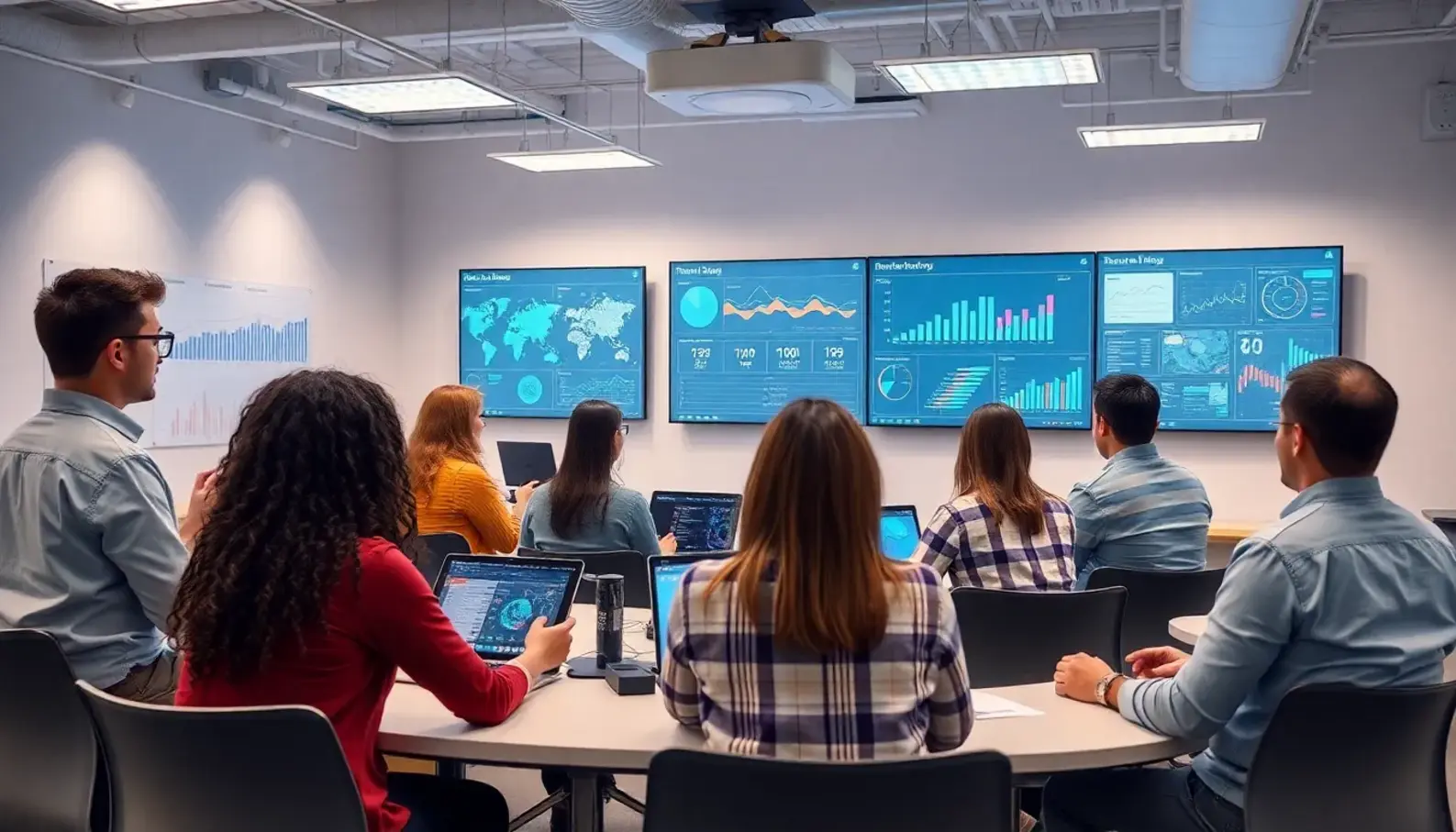
Artificial Intelligence (AI) is dramatically transforming how retail education is structured and delivered. At the heart of this transformation lies the deployment of advanced tools and methodologies that enable tailored learning experiences. Retail education planners and educators are increasingly leaning towards AI to create personalized, efficient, and continuous learning environments that align with the rapidly evolving retail landscape.
To begin with, AI-driven platforms have made significant strides in personalizing education by analyzing vast datasets to provide insights into individual learner behaviors and preferences. Such insights allow educators to tailor content that matches the personal learning paces and styles of retail professionals. Machine learning algorithms can identify patterns in the learner’s progress and suggest targeted resources or modules that reinforce understanding, similar to having a personal tutor available around the clock.
Moreover, the use of natural language processing (NLP) within AI systems empowers educators to enhance collaboration and communication. For instance, AI can analyze discussion forums or chat logs to identify common areas of misunderstanding. This analysis enables the timely adjustment of curriculum content to address these gaps proactively. NLP helps automate feedback cycles, ensuring that retail professionals receive constructive feedback in real-time which is crucial for continuous improvement.
AI in retail education also ensures curricula remain relevant to industry standards by continuously scanning and analyzing retail market trends. Through these AI systems, educational planners can swiftly adapt course content to include the latest advancements or shifts within the industry, thereby closing the gap between existing knowledge and emerging practices. This dynamic updating process is crucial in a sector where technological and consumer behavior changes can rapidly alter market conditions.
Another pivotal role AI plays in retail education is through virtual simulations and augmented reality tools that offer immersive learning experiences. Retail professionals can engage in realistic simulations that mimic actual retail environments, providing practical, hands-on experiences without the operational risks of a real-world setting. These interactive tools foster skill development in areas such as customer service, inventory management, and sales strategy, thus enabling learners to visualize and practice complex concepts.
Furthermore, AI-enhanced analytics provide a robust framework for assessing educational outcomes. Educators and institutions can access detailed reports on learner engagement, course effectiveness, and skill acquisition thanks to AI’s capability to process and interpret large datasets. Such insights are invaluable for refining curricula and teaching methodologies, ensuring they effectively meet the learning objectives and ultimate goals of professional development programs.
A striking real-world use case is where AI aids in streamlining onboarding processes for retail companies. New hires can interact with AI-driven modules that introduce company policies, culture, and job-specific training content in a digestible and less overwhelming manner. These AI systems adapt to the learners’ pace and understanding, ensuring no one is left behind, while also freeing human resources to focus on tasks that necessitate personal intervention.
In conclusion, AI is proving indispensable in evolving retail education strategies by enhancing personalization, ensuring curricular relevance, and providing immersive learning experiences. As AI technology continues to advance, its integration into retail education will drive even more sophisticated and effective learning solutions. To explore more about how personalized learning is transforming the education landscape, consider exploring this resource on EdTech Personalization. As we uncover and harness the full potential of AI, retail professionals will be better equipped to adapt and thrive amidst the constant flux of the retail industry.
Enhancing Learner Engagement with AI-Driven Experiences
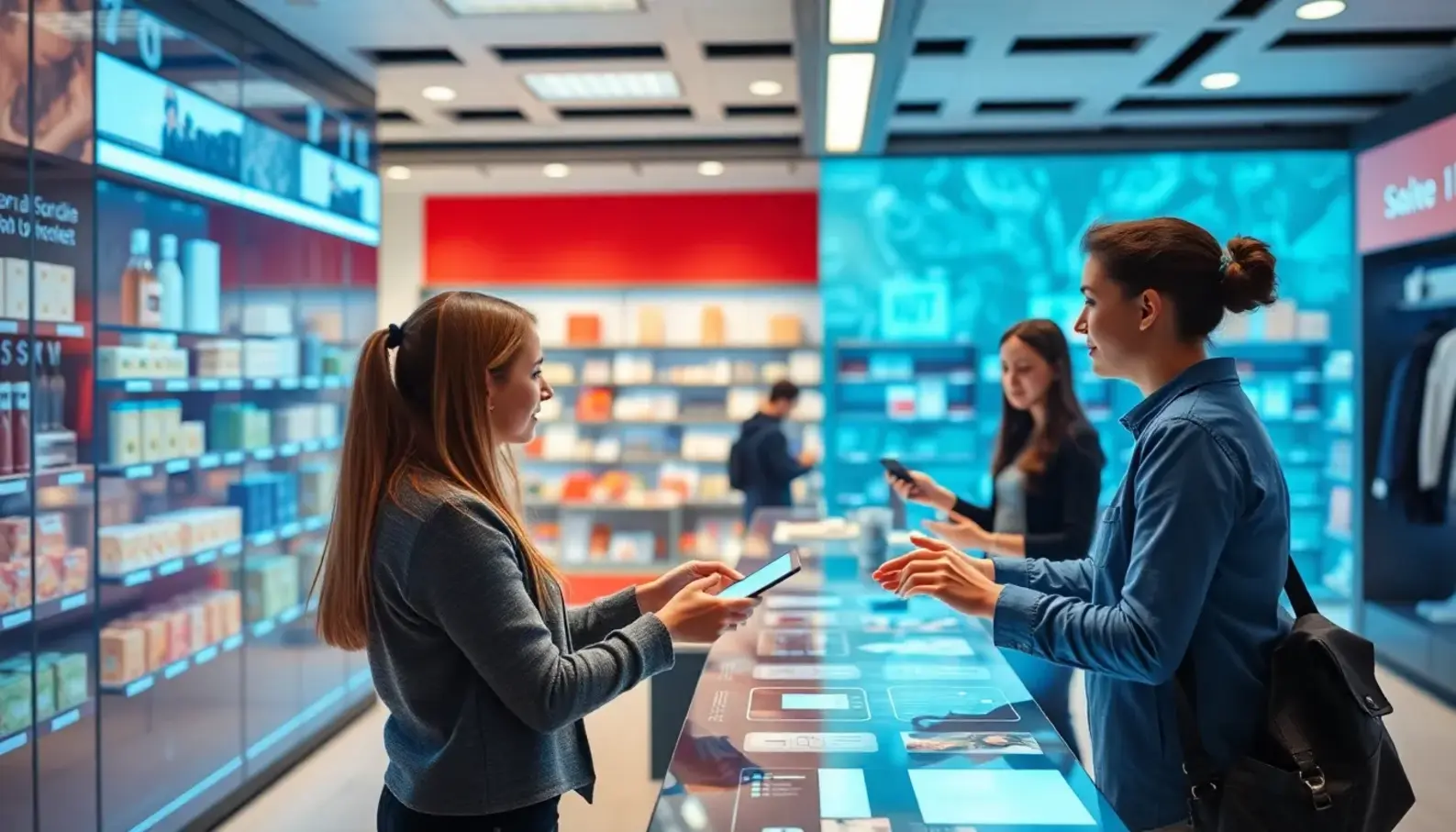
Artificial Intelligence (AI) is setting a new standard in the realm of retail education by amplifying learner engagement through innovative, interactive experiences. These AI-powered experiences promise to transform traditional learning paradigms into dynamic, adaptive, and deeply personalized journeys that not only instruct but inspire. By leveraging AI’s potential, educational experiences become immersive, allowing retail professionals to practice and hone their skills in virtual environments that emulate real-world scenarios, yet remain risk-free and controlled.
At the heart of these AI-enabled simulations are interactive modules that allow learners to participate actively in their educational process. These modules often utilize virtual and augmented reality technologies to create lifelike retail environments. For example, learners can step into a simulated store, rearranging products and adjusting visual displays to understand the impact on customer behavior and sales. Such environments might be akin to advanced gaming interfaces where participants can explore various strategies and observe the outcomes without the real-world consequences of trial and error.
Incorporating AI-driven simulations into retail education not only enhances engagement but also significantly boosts retention rates. Learners actively involved in these engaging simulations are more likely to remember the concepts and strategies they’ve practiced. Moreover, the tactile nature of interacting within a simulation solidifies learning through experiential means. When learners witness their decisions leading to tangible, albeit virtual, outcomes, the educational content transcends theoretical understanding, becoming a part of the learner’s practical knowledge base.
Furthermore, AI’s machine learning algorithms play a pivotal role in tailoring content to suit individual learner profiles and preferences. Data collected from learners’ interactions with educational content helps AI systems assess each individual’s strengths, weaknesses, and unique learning preferences. Using these insights, AI can adapt the difficulty and focus of the learning materials, ensuring that each educational journey is as effective and efficient as possible. Such personalized learning experiences are far superior to uniform teaching methods, which often fail to cater to the diverse needs of all learners.
Prominent educational institutions that have embraced AI in their curriculums report remarkable results. A case in point is a retail education program that utilized AI to create personal learning dashboards. These dashboards continuously updated to reflect the learner’s progress and suggested custom paths to deepen understanding in areas that required more attention. As a result, students not only met but often exceeded learning objectives, demonstrating a higher level of competence and confidence in their retail skills.
Another successful implementation involved an institution integrating AI-enhanced chatbots as educational aids. These chatbots interact with learners to provide timely feedback, additional resources, and encouragement, mimicking the supportive role of a human tutor. These bots were programmed with advanced natural language processing capabilities, ensuring that interactions were both meaningful and informative. This approach not only improved classroom engagement but also allowed educators to focus their efforts on more complex teaching tasks, knowing that foundational learner inquiries were effectively being handled.
AI also facilitates peer-to-peer learning by identifying complementary skill sets within learner groups and orchestrating collaborative projects. This fosters an environment of cooperative learning where students can learn from each other’s experiences and insights, greatly enriching the educational experience. Such systems can also match learners with mentors, either peers or professionals in the field, providing real-world context and networking opportunities that traditional educational models often miss.
AI’s role in advancing retail education is also highlighted through its impact on learning analytics. By analyzing engagement metrics, performance data, and behavioral patterns, AI systems provide granular insights into the learning process. These insights empower educators to refine and optimize course content continuously. Such data-driven decision-making ensures the curriculum remains relevant and aligned with industry trends and demands.
In conclusion, AI-driven educational experiences are revolutionizing retail education by creating engaging, personalized, and highly effective learning environments. The success stories from various institutions underscore the transformative power of AI in fostering an enhanced learning experience. As AI technology advances and becomes more integrated into educational systems, the future for retail professionals shines brighter with opportunities for growth and innovation. For further exploration of AI’s impact on education and learning personalization, one may explore insights on edtech personalization.
Final words
The integration of AI in retail education is not just a trend; it is a pivotal advancement that enables more dynamic, personalized, and impactful learning experiences. With AI’s capabilities, planners and educators can shape the future workforce, ensuring that retail professionals are well-equipped to handle the challenges of a rapidly changing industry. Embracing this technology paves the way for continuous improvement and innovation in educational practices.
Join our workshop today to delve deeper into AI’s impact on retail education!
Learn more: https://innoupdates.com
About us
Our company specializes in delivering cutting-edge solutions in training and development for the retail sector, armed with the latest advancements in AI technology. We offer workshops, online courses, and tailored educational programs designed for planners and educators looking to enhance their approaches and engage learners effectively. Join us to explore best practices and innovative strategies that empower retail professionals.