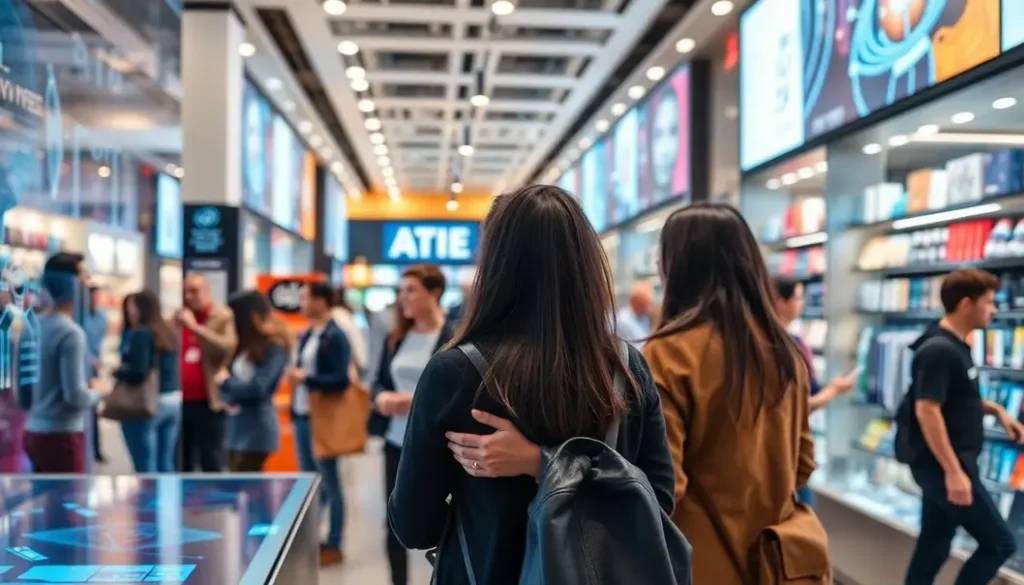
Artificial intelligence (AI) has emerged as a pivotal force in reshaping consumer experiences in the retail sector. By integrating AI-driven solutions, retailers can enhance customer engagement and create entertaining shopping environments that captivate their audience. This evolution not only elevates engagement levels but also enables brands to deliver personalized experiences that resonate with modern consumers. As designers and specialists in the realm of retail, understanding AI’s capabilities in experience entertainment becomes essential for staying ahead of the curve and fostering deeper connections with customers.
AI-Driven Personalization: Creating Tailored Shopping Journeys
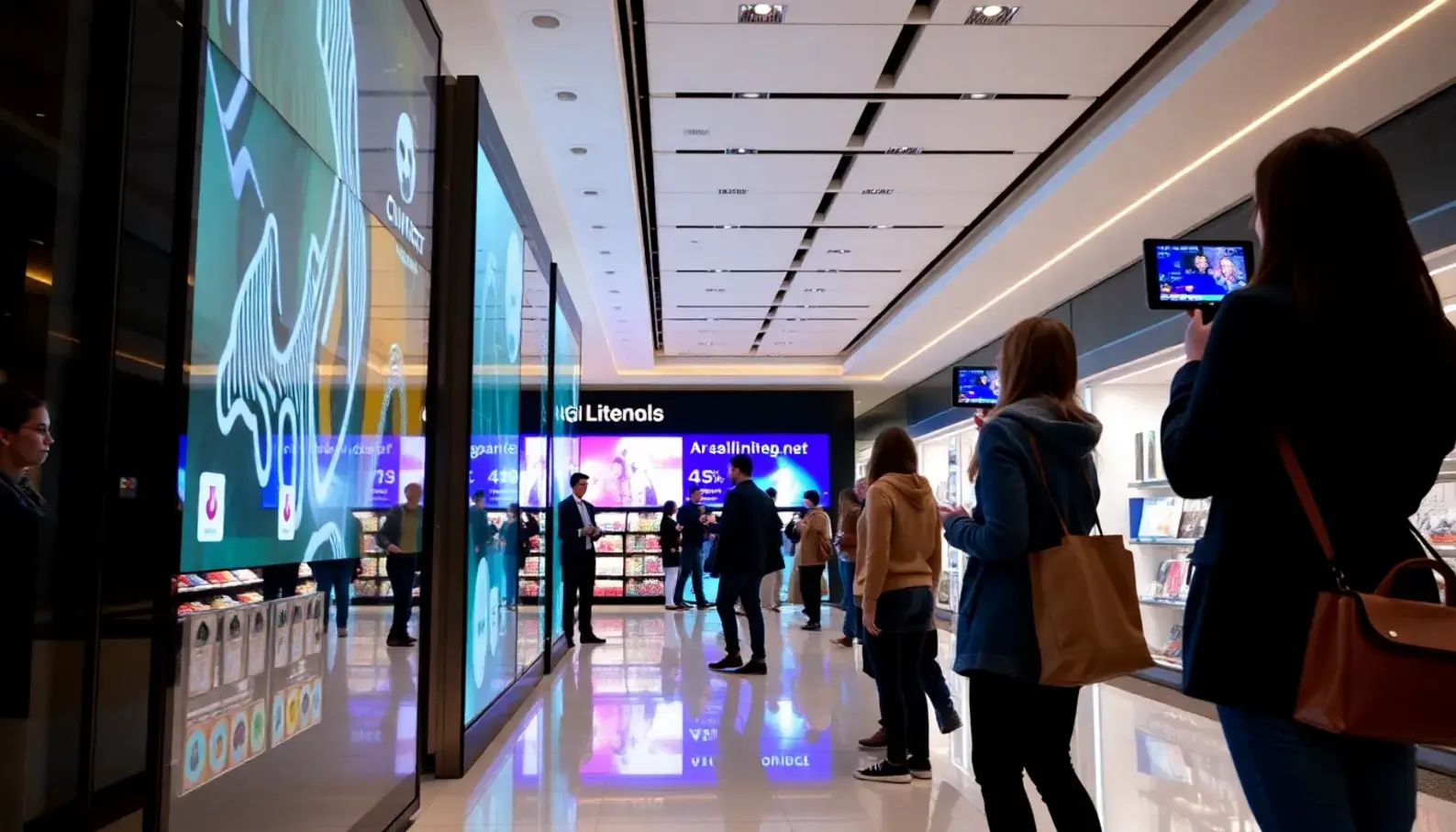
Artificial Intelligence (AI) is transforming the retail landscape by crafting personalized shopping experiences that cater to the individual needs and preferences of consumers. Retailers are leveraging AI-driven technologies to analyze vast amounts of consumer data, enabling a deep understanding of customer behavior and preferences. This chapter explores various methods through which AI facilitates tailor-made shopping journeys, such as recommendation systems, AI-driven chatbots, and personalized marketing strategies, and examines their influence on both customer satisfaction and retail success.
Recommendation systems lie at the heart of AI-driven personalization. These systems harness machine learning algorithms to predict and display products that align with customer preferences. By analyzing data such as purchase history, browsing behavior, and even social media interactions, AI can offer consumers relevant product suggestions. This targeted approach not only enhances the customer shopping experience but also increases the likelihood of conversions and upselling opportunities for retailers.
A key component of effective recommendation systems is collaborative filtering. This method compares user behavior and preferences to those of similar users, identifying patterns and suggesting products that may not be immediately apparent. For example, if two customers exhibit similar purchasing habits, the system can recommend items to one based on purchases made by the other. The application of collaborative filtering in retail fosters customer discovery of new products while ensuring a highly personalized experience.
Content-based filtering, another pivotal strategy, focuses on recommending products by analyzing item characteristics and aligning them with consumer preferences. By understanding the features of items a consumer has expressed interest in or purchased, this approach ensures that recommended products share similar attributes. Such systems excel in providing personalized recommendations that account for individual tastes and preferences.
AI-driven chatbots are revolutionizing customer service within retail environments. These chatbots, powered by natural language processing, engage with customers in real-time, providing instant support and personalized recommendations. By interpreting and understanding customer queries and context, chatbots offer not only solutions to customer problems but also suggest products tailored to the customer’s needs. This seamless interaction enhances the customer experience, making conversations more efficient and increasing the likelihood of customer satisfaction and loyalty.
The strategic implementation of AI-driven marketing further enhances personalization efforts. Through data mining and predictive analytics, AI can refine marketing strategies to target customer segments more accurately. Personalized email campaigns, tailored advertisements, and customized promotions are just a few ways AI can drive engagement by delivering content that resonates with individual consumers. This level of personalization ensures marketing messages are relevant and timely, effectively capturing consumer interest and fostering long-term customer relationships.
In addition to boosting customer satisfaction, AI-driven personalization strategies significantly contribute to retail success. Higher levels of personalization typically result in increased customer engagement, leading to better sales performance. Retailers benefit from enhanced customer loyalty and retention as their ability to anticipate customer needs and preferences grows. This anticipatory approach not only strengthens brand affinity but also encourages repeat purchases, extending the customer’s lifetime value.
AI technologies are instrumental in providing retailers with insights into consumer behavior that were previously unattainable. The ability to segment and analyze consumer data with precision allows retailers to tailor their offerings and adjust their inventories in real-time, ensuring that they can meet the dynamic demands of their customer base. This agile response to market trends is crucial in maintaining competitive advantages in the rapidly evolving retail sector.
While AI-driven personalization offers substantial benefits, it is crucial for retailers to address potential ethical considerations associated with data usage and privacy. Transparency in how consumer data is collected, used, and protected is vital. Retailers must ensure compliance with data protection regulations and provide customers with control over their personal information. Prioritizing these ethical considerations will not only enhance consumer trust but also safeguard the long-term viability of AI applications in retail.
The potential of AI to revolutionize retail through personalization is immense. By adopting innovative techniques such as recommendation systems, chatbots, and personalized marketing, retailers can create experiences that resonate with their audience on a personal level. As AI technology continues to advance, the capability to provide hyper-personalized shopping experiences will become a hallmark of successful retailers. Continuing to learn from and refine these AI-driven strategies will position retailers to thrive in an increasingly competitive and digital marketplace.
For more insights into the integration of AI strategies and their transformative impact across different sectors, visit the AI Marketing Strategies page.
Immersive Experiences: How AI Enhancements Drive Engagement
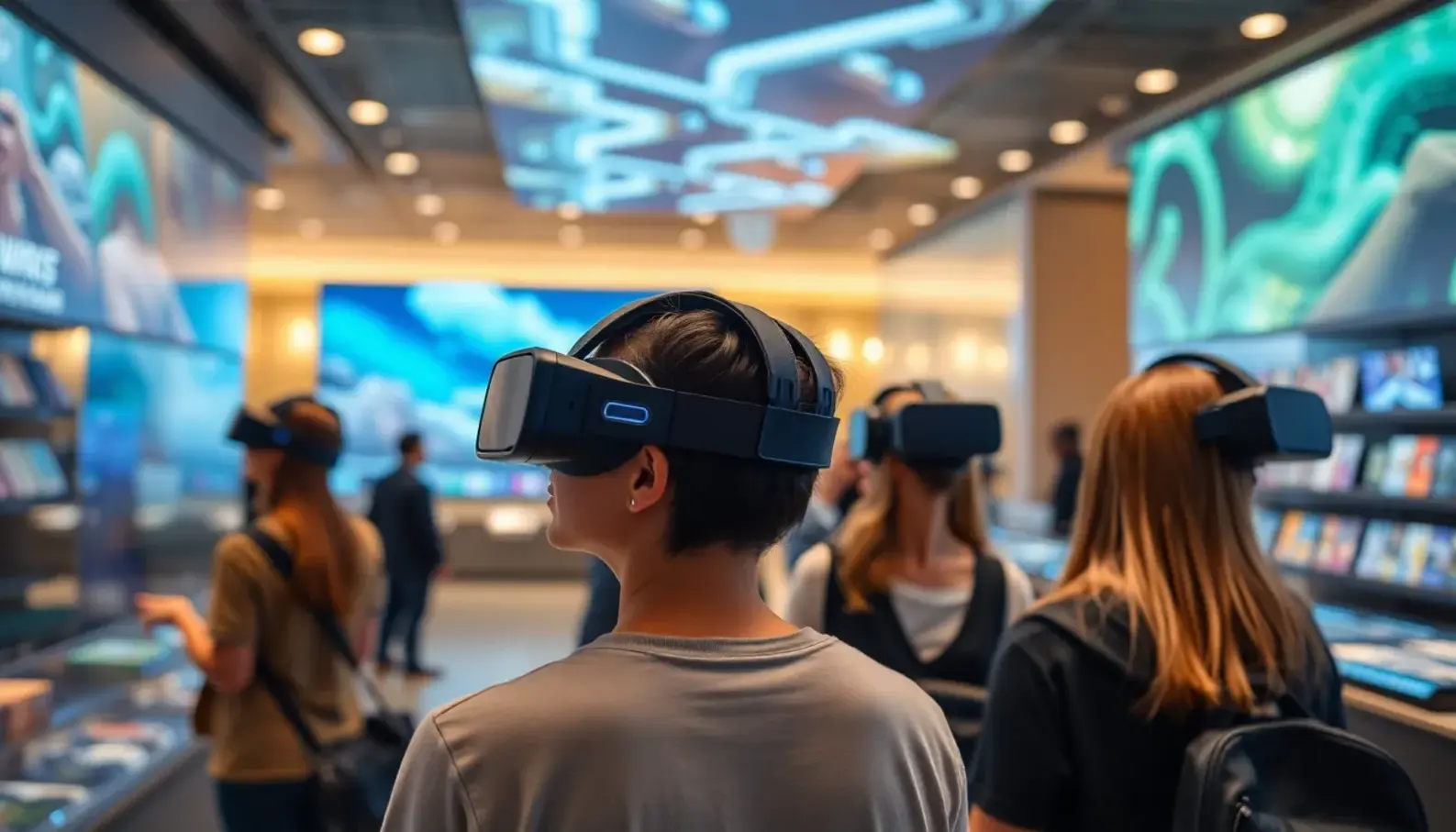
Augmented reality (AR) and virtual reality (VR) are not just buzzwords in the retail industry; they are powerful tools redefining customer interactions. By providing immersive experiences, these AI-driven technologies create opportunities for brands to engage with consumers on a much deeper level.
AR and VR facilitate unique interactions by seamlessly blending the digital and physical worlds. This integration allows customers to visualize products in various environments before making a purchase decision. For instance, AR enables shoppers to see how a piece of furniture might look in their living room by superimposing the digital image onto a live view. Such interactions not only empower consumer choices but also heighten the shopping experience through personalization.
The entertainment value derived from immersive technologies is unparalleled. Retail spaces leveraging VR often transport users to digital realms where they can explore products. For example, a virtual showroom might allow a customer to explore an entire product range from the comfort of their home. VR has the capability to transform mundane shopping trips into engaging adventures by offering fully interactive and dynamic environments.
One significant advantage of implementing AR and VR in retail is their ability to overcome traditional boundaries. The geographical constraints that once dictated the reach of physical stores are now diminished. Customers can explore, experience, and purchase products without being limited by location. This accessibility broadens the audience base and introduces retailers to potential international markets.
Moreover, using immersive technologies in retail can lead to enhanced customer loyalty. By creating memorable and engaging experiences, brands can forge stronger emotional connections with consumers. These interactions go beyond transactional relationships, cultivating a community of brand advocates who derive joy and satisfaction from their shopping experiences.
Many retailers are combining AI with AR and VR to offer intelligent recommendations and personalization. For instance, AI can analyze user data to suggest products that suit individual style preferences or usage patterns. This personalization can be visualized in real-time through AR, creating a tailor-made shopping experience facilitated by AI insights.
Retailers integrating these technologies often see an increase in consumer retention and conversion rates. Customers who engage with immersive experiences are more likely to spend longer periods exploring a store’s offerings. This elevated engagement often translates to higher sales conversions as consumers feel more confident in their understanding and choice of products.
However, while the benefits of AR and VR in retail are extensive, challenges exist in their widespread implementation. High initial costs and the complexity of developing AI-driven content require substantial investment. Retailers must also consider the technological literacy of their customer base, integrating intuitive systems that are easy to navigate by users of varying tech-savviness.
Another crucial factor is the continuous updating and maintenance of these virtual systems. To keep customers engaged, retail spaces must offer fresh and relevant content regularly. As technology evolves, retailers must adapt to new developments in AI, AR, and VR to ensure their platforms remain appealing and competitive.
Industry leaders leveraging immersive experiences are setting benchmarks for the future of retail. Companies that capitalize on the synergy between AI and these technologies are poised to revolutionize consumer expectations and redefine engagement strategies. To delve deeper into how transformative such technological advancements can be across industries, explore insights on AI in business growth at AI in Business Growth.
In conclusion, augmented and virtual realities are radicalizing retail spaces by enhancing customer experiences through immersive, personalized, and entertaining interactions. As retailers continue adopting AI-driven solutions, the retail landscape will undoubtedly become more dynamic, providing a more gratifying shopping experience. The successful combinations of technology, creativity, and consumer insight will set a new standard for customer engagement in the retail world.
Final words
AI is not merely a tool but a catalyst for creating compelling consumer interactions in retail. By embracing innovative AI-driven solutions in experience entertainment, retailers can build deeper consumer relationships, ensuring their relevance in a competitive landscape. This approach signifies a strategic shift towards enhancing not just the purchase process but the entire shopping experience.
Download Insights
Learn more: innoupdates.com
About us
Innoupdates specializes in delivering cutting-edge AI solutions aimed at revolutionizing retail experiences. Through our innovative technologies, we provide platforms that enable personalized customer engagement, immersive shopping environments, and actionable insights to drive business success. Join us in shaping the future of retail with AI.