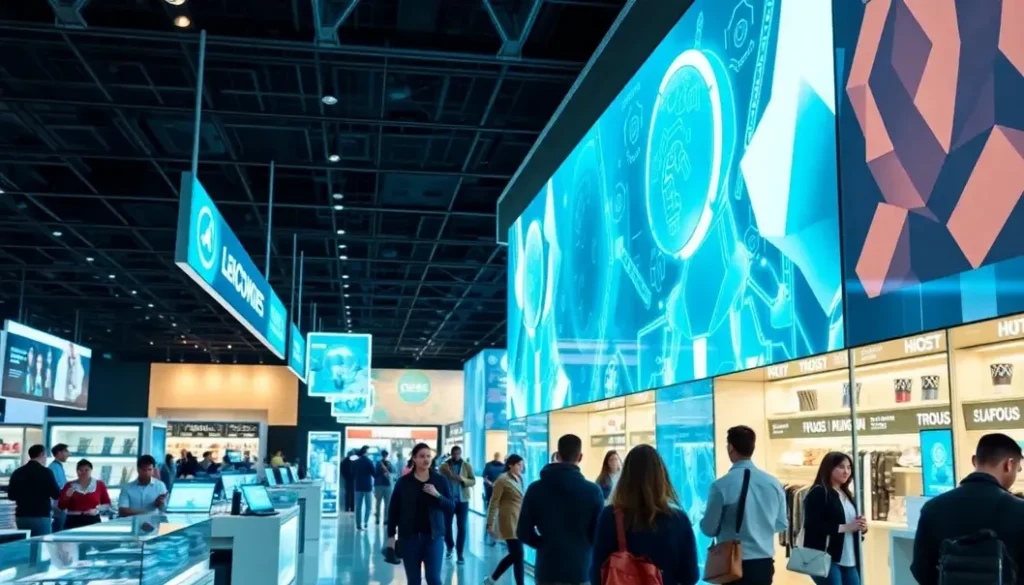
Leveraging artificial intelligence in retail experience simulation opens new avenues for designers and educators. By creating immersive environments that simulate real-world shopping behaviors, stakeholders can glean insights that were once difficult to capture. This not only enhances the shopper’s journey but also empowers designers to innovate their creations. As we delve deeper, we will explore how AI integrates with experiential design, its educational implications, and the potential for meaningful transformation in the retail landscape.
Empowering Designers through AI Simulation
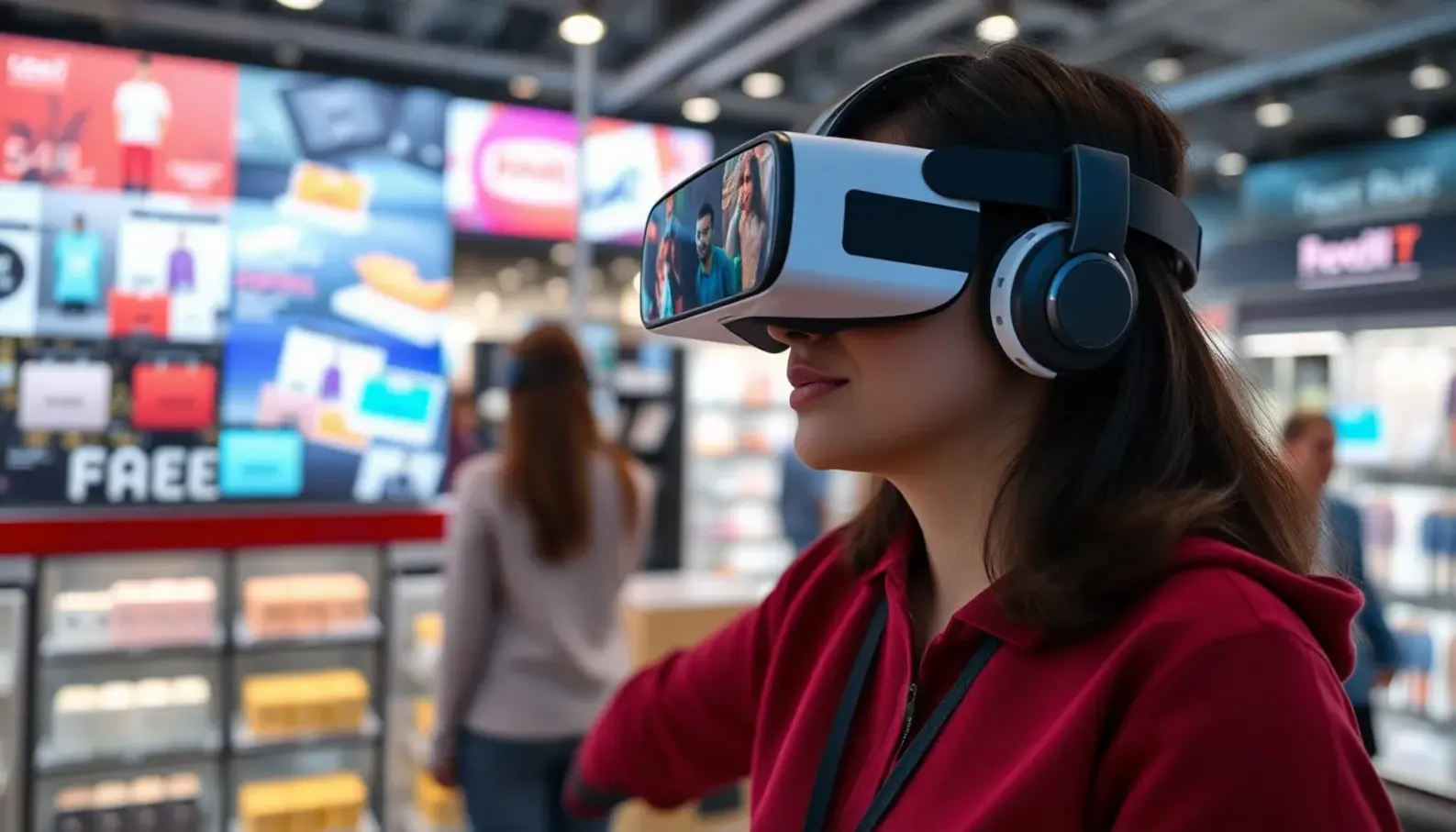
AI-powered simulations are dramatically reshaping the landscape for retail designers. The integration of advanced technologies is facilitating unprecedented opportunities for creativity and innovation. Designers, once reliant on tangible materials and physical space constraints, now find themselves navigating digital realms that surpass traditional boundaries. These virtual environments provided by AI enable designers to visualize concepts and gauge consumer reactions before any physical deployment.
Predictive analytics is increasingly becoming the backbone of retail design strategies. By analyzing large datasets, AI algorithms can predict trends and patterns in consumer behavior. This allows designers to create environments aligned with future customer preferences, rather than merely reacting to present demands. As a result, retail spaces are becoming more intuitive, personal, and engaging. Such foresight empowers designers to craft experiences that are not only visually appealing but also emotionally resonant with their target audience.
Virtual environments offer designers a playground for experimentation without the constraints of the physical world. These environments allow for the rapid prototyping of ideas, where designers can test various layouts, lighting setups, and merchandising strategies in a risk-free manner. By simulating these retail spaces, designers can refine and optimize their concepts, ensuring that the final product meets both aesthetic and functional requirements. Additionally, AI simulations can mimic foot traffic and customer interactions, providing insights that would be challenging to gather in real-world settings.
The synergy between AI and designers is also enhancing collaboration across teams. Design ideas can be shared and iterated upon in real-time, no matter the location of team members. This connectivity fosters a collaborative environment where ideas flow more freely and innovations are born out of diverse perspectives. Retail designers working in tandem with AI are thus uniquely positioned to push the boundaries of what is possible, creating immersive and interactive spaces that captivate the modern consumer.
Importantly, AI technologies allow for a truly personalized retail experience. By analyzing individual purchasing behaviors and preferences, AI tools enable designers to tailor environments that cater to specific customer needs. This personalization goes beyond mere product recommendations; it extends to the atmosphere, layout, and ambiance of the retail space. Such customization enhances customer satisfaction and loyalty, driving an increase in both foot traffic and overall sales.
AI simulations are also instrumental in sustainability efforts within retail design. Virtual prototyping reduces the need for physical mock-ups, leading to a decrease in material waste. Designers can assess the environmental impact of their choices through simulations, aiming for eco-friendly solutions that do not compromise on quality or customer satisfaction. This integration of sustainable practices aligns with the growing consumer demand for environmentally responsible businesses.
Moreover, the democratization of design cannot be overlooked. AI-powered tools are becoming more accessible, allowing smaller retail businesses to benefit from sophisticated design capabilities that were once the domain of larger corporations. This leveling of the playing field is leading to a surge of creativity and innovation across the sector, as more voices and ideas contribute to the evolution of retail experiences.
Looking further, the intersection of AI simulation and emerging technologies such as augmented reality (AR) and virtual reality (VR) is set to redefine how retail interiors are conceived and experienced. AR and VR allow consumers to interact with products or environments in ways that were previously unimaginable. For designers, integrating these technologies into AI simulations opens up a new dimension of creativity, where the line between digital and physical experiences becomes increasingly blurred.
In harnessing the potential of AI simulations, designers in the retail sector are not just adapting to change—they are leading it. This transformative role comes with the responsibility to ensure ethical considerations are addressed, from data privacy to the use of AI-generated ideas. As these technologies become even more ingrained in the design process, ongoing dialogue about their impact and best practices will be essential. For those interested in exploring the ethical dimensions of AI, the article Generative AI Ethics offers valuable insights into maintaining ethical standards in AI implementations.
Overall, AI-powered simulations are unlocking unprecedented innovation, offering designers the tools to redefine the retail experience. By embracing these technologies, retail designers can create environments that are not only aesthetically pleasing but also rich in customer engagement and sustainability.
Instructional Strategies for AI-Enhanced Learning
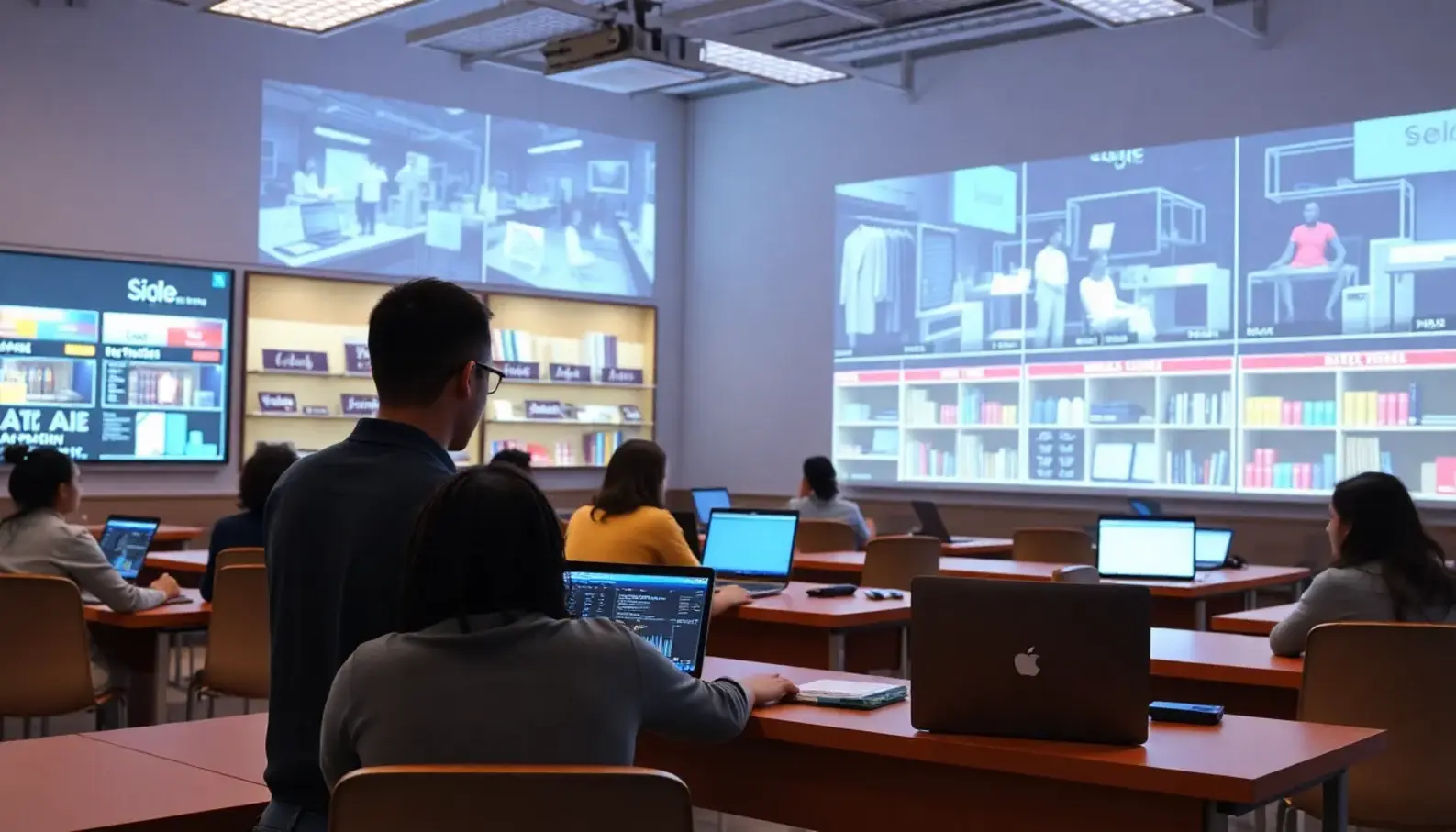
As artificial intelligence continues to evolve, its potential in transforming education becomes increasingly apparent. Retail experience simulations powered by AI have emerged as a critical tool for educators striving to blend theoretical concepts with practical exposure. These simulations create immersive environments where students can engage with realistic retail scenarios, making them indispensable in teaching future-ready skills.
Drawing on methodologies from various fields, educators can incorporate AI in ways that resonate with different learning styles. Effective instructional strategies in this domain hinge on the integration of AI-driven insights with established pedagogical practices, facilitating active learner engagement and deeper understanding.
One approach is to employ scenario-based learning, a method where students are placed in AI-simulated retail settings, tasked with navigating challenges they might encounter in actual retail environments. This immersive learning technique prompts learners to apply academic knowledge in practical contexts, effectively bridging the gap between theory and application. Scenario-based simulations are particularly beneficial in fostering decision-making and problem-solving skills, as students must evaluate the impact of their choices in real-time, dynamic scenarios.
Incorporating adaptive learning technologies is another strategy educators can use. AI systems can assess a student’s understanding through adaptive tools, tailoring experiences to individual needs and learning paces. Through these personalized learning pathways, students receive targeted feedback, promoting incremental improvements. This method not only enhances the learner’s experience but also provides educators with detailed analytics to understand student progression and areas requiring further attention.
Collaborative learning environments facilitated by AI-powered platforms represent another instructional strategy. By simulating retail experiences that require teamwork, students can work together in a virtual space to solve complex tasks. Such collaboration cultivates interpersonal skills and emphasizes the importance of joint problem-solving, communication, and negotiation—skills critical in any retail setting.
Furthermore, the use of AI to simulate diverse customer interactions allows students to understand different consumer behaviors and preferences. By analyzing trends and customer data within the simulations, students learn to adapt marketing strategies and improve customer experiences, skills crucial in the current retail climate focused on customization and personalization. This aligns with broader AI applications in business settings, emphasizing the need for industry-specific insights (source).
Additionally, gamification of learning experiences through AI can motivate students by making difficult tasks more engaging. Through elements like badges, leaderboards, and performance metrics, gamification introduces an element of competition and achievement, driving students to reach new heights in their learning journey. When gamified elements are supported by AI analytics, educators can fine-tune the difficulty and type of challenges, ensuring students remain within their optimal learning zones.
Lastly, continuous reflection and feedback loops embedded in AI-enhanced retail simulations provide significant educational value. By encouraging students to reflect on their actions and receive constructive feedback, these systems foster a growth mindset. Continuous feedback allows students to learn from mistakes and successes alike, building their resilience and improving their competence over time.
The integration of AI in retail education facilitates a richer, more interactive learning landscape. By leveraging AI-driven simulations across various instructional strategies, educators can prepare students to thrive in the retail industry, particularly as it evolves to meet new technological advancements.
Augmenting Retail Strategies with Real-World Insights
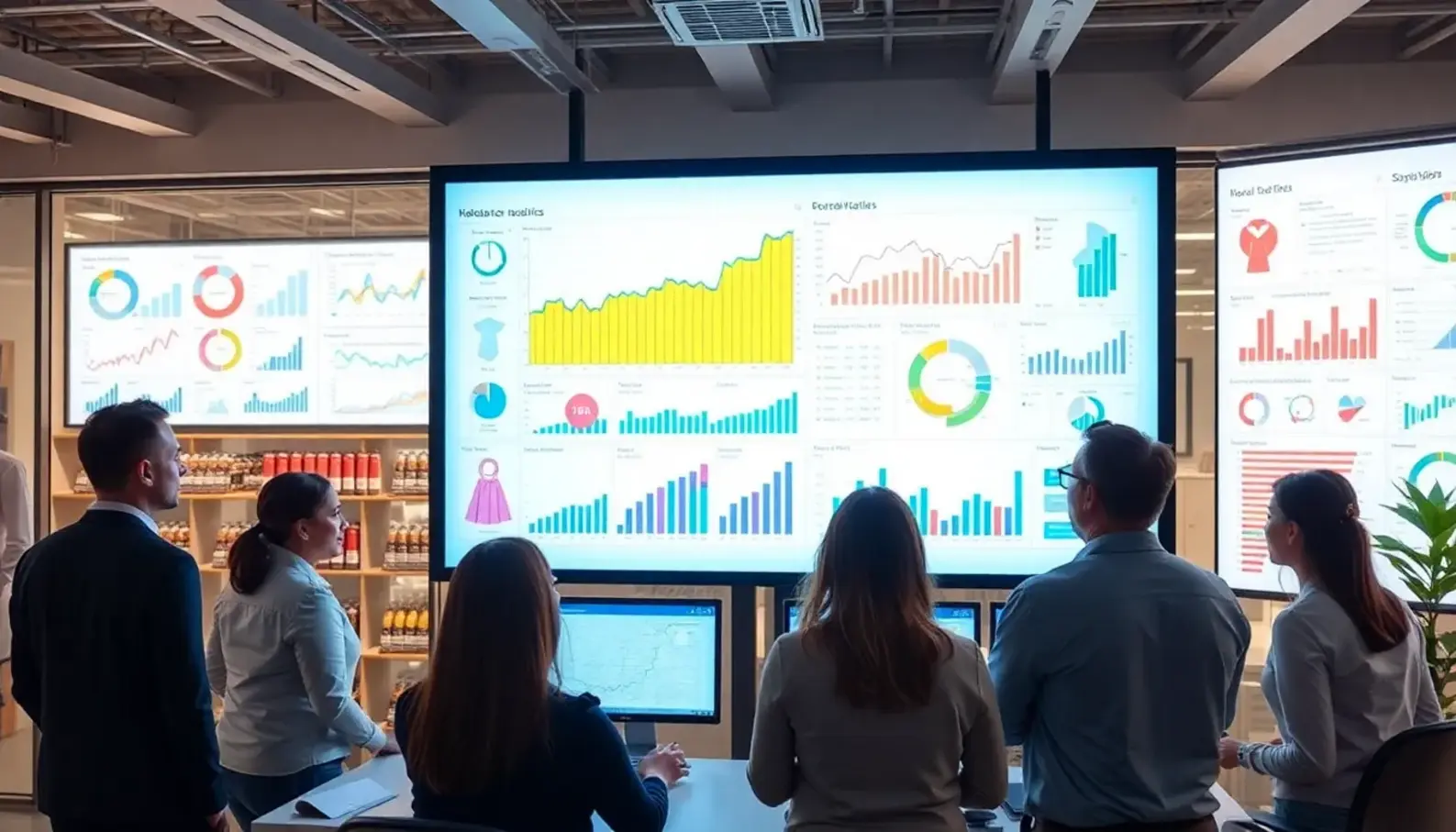
The evolution of AI-powered retail simulations has transformed market research, offering unprecedented insights into consumer behavior. These simulations create realistic retail environments where nuances of customer interactions can be observed and analyzed without the limitations of physical stores. By leveraging advanced AI algorithms, businesses can model various retail scenarios, from store layout changes to promotional strategies, and assess their impacts before implementation.
AI-driven retail simulations allow companies to conduct in-depth market research in a controlled yet dynamically adjustable environment. Retailers can test hypotheses about customer preferences and buying habits by simulating a wide range of variables such as product placement, price adjustments, and promotional campaigns. This approach enables businesses to gather granular data on customer responses, leading to informed decision-making processes that enhance the overall shopping experience.
To illustrate, consider a retail company looking to optimize its store design. By using AI simulations, they can trial different layout configurations to determine which arrangement maximizes customer satisfaction and sales. Factors such as aisle width, product adjacency, and traffic flow can be adjusted in the simulation, yielding insights that help refine store designs. This predictive capability minimizes the risk associated with costly physical alterations and accelerates the decision-making timeline.
Furthermore, these simulations are invaluable for understanding consumer behavior patterns across different demographics and psychographics. Retailers can segment virtual customers based on age, gender, preferences, or even emotional responses captured through sensors and cameras. Analyzing interaction patterns within a simulated environment helps identify trends and predict future consumer needs, providing retailers with a competitive edge.
One significant advantage of AI simulations is the capacity to incorporate real-time data, offering a dynamic and continuously evolving model. Retailers can integrate customer feedback, market trends, or even current events into the simulation, ensuring their strategies are both reactive and proactive. This agility in adapting to the ever-changing retail landscape enables businesses to stay relevant and maintain strong customer engagement.
Moreover, the ability to simulate various customer journeys and touchpoints provides a holistic understanding of the shopping experience. Retailers can analyze specific phases of the customer journey, such as the decision-making process or checkout experience, to identify pain points or areas for improvement. Streamlining these aspects not only boosts customer satisfaction but can also lead to increased loyalty and repeat business.
AI simulations also support the development of personalized marketing strategies. By analyzing simulated interactions, businesses can tailor their communications and promotions to suit individual customer preferences. This targeted approach increases the effectiveness of marketing campaigns and enhances the likelihood of converting potential leads into loyal customers.
Additionally, retailers can utilize AI simulations to stress-test supply chain resilience under diverse conditions. By modeling disruptions like supply shortages or sudden demand spikes, businesses can devise effective contingency plans. This foresight is crucial in maintaining operational stability and ensuring a seamless customer experience even during unforeseen challenges.
Finally, businesses should consider integrating insights gained from AI retail simulations with other innovative technologies such as those outlined in AI marketing strategies. By doing so, they create a synergistic approach that enhances both customer engagement and business efficiency. AI-driven simulations, when combined with advanced analytics and personalization tools, can lead to revolutionary retail strategies that consistently exceed customer expectations.
In summary, the practical applications of AI-driven retail simulations in market research and consumer behavior analysis are vast and varied. By harnessing these insights, businesses can elevate customer experiences, optimize sales strategies, and navigate the complex retail environment with confidence and precision.
Final words
Artificial intelligence is reshaping retail experience simulation, offering designers and educators the tools necessary to innovate and inspire. By embracing this technology, they pave the way for more engaging, data-driven approaches that cater to evolving consumer needs. As the boundaries between technology and retail continue to blur, those who adapt will lead the charge towards a more interactive and responsive shopping experience.
Download the latest Research Report to explore AI in Retail Experience Simulation.
Learn more: https://innoupdates.com
About us
We specialize in pioneering research and solutions at the intersection of technology and retail design. Our comprehensive platforms empower designers and educators by providing cutting-edge tools and insights necessary to thrive in a competitive landscape. Join us in discovering innovative pathways to enhance retail experiences through AI integration.