
As global cyber threats evolve in sophistication and frequency, the integration of artificial intelligence into cybersecurity analysis has become critical. With advanced algorithms, AI empowers specialists and planners to detect, predict, and mitigate potential risks with greater accuracy. Utilizing AI-driven analytics enhances the efficiency of threat detection, allowing teams to prioritize vulnerabilities and respond proactively. This article delves into the strategic application of AI in cybersecurity, examining its capabilities and presenting actionable insights for professionals looking to leverage data-driven solutions in safeguarding sensitive information and IT infrastructures.
The Evolution of Cybersecurity Threats

The landscape of cybersecurity threats has evolved dramatically over the years. As technology advances, so do the tactics employed by cybercriminals. Their methods are becoming increasingly sophisticated and diverse, exploiting vulnerabilities in systems to a significant extent. Recent trends indicate not just a rise in the volume of threats but also in their complexity, presenting challenges that traditional cybersecurity measures struggle to tackle.
The digital transformation across sectors exposes critical systems and sensitive data to more vulnerabilities. Attackers are no longer limited to exploiting software weaknesses alone. They now target whole network infrastructures, human factors, and even supply chains. For instance, ransomware attacks have surged, targeting everything from small businesses to critical national infrastructure. These attacks encrypt essential data, often demanding substantial ransoms to decrypt information vital for operations.
One example highlighting the increased severity of cyber threats is the widespread ransomware attack in 2021 that targeted a major pipeline. This attack highlighted vulnerabilities in critical infrastructure systems, demonstrating the far-reaching impact of cybercrime on national security and economic stability. The disruption led to fuel shortages and highlighted weak points that need urgent addressing.
Phishing attacks, too, have adopted more convincing tactics and are now designed to exploit the smallest human error. With more sophisticated spear-phishing campaigns, attackers target specific individuals within organizations, using social engineering to obtain sensitive information or deploy malicious software.
Another alarming trend is the rise of supply chain attacks. These attacks focus on infiltrating third-party service providers to compromise the end-users, circumventing conventional defense mechanisms that might be employed by the primary target. The infamous attack on a popular IT management platform in 2020 illustrated how infiltration through trusted suppliers can amplify the scale and impact of breaches.
Traditional cybersecurity measures such as firewalls and antivirus programs generally operate on a perimeter defense model. While they can be effective against known threats, they struggle with detecting and responding to novel or evolving threats. Signature-based detection, a conventional method, becomes less effective as threats diversify and become more elusive.
The overwhelming volume of data generated by modern organizations further complicates threat detection. Manual analysis of logs and alerts is impractical and inefficient, often resulting in missed threats or delayed responses. This information overload contributes significantly to the inefficiencies in threat mitigation.
To counter these challenges, there is a growing demand for AI-driven analysis in cybersecurity. AI can enhance threat detection and response efficiency by learning from massive datasets to identify anomalies and predict potential threats before they materialize. Machine learning algorithms, for instance, can analyze patterns and behaviors to uncover threats that traditional systems might overlook.
AI technologies can also automate many repetitive tasks, freeing cybersecurity professionals to focus on more complex problems. By employing AI, organizations can quickly process and analyze vast amounts of security data, dramatically improving response times and reducing the window of opportunity for attackers.
AI’s potential in cybersecurity is vast but not without challenges. Implementing AI solutions requires addressing data privacy concerns and ensuring that AI systems remain transparent and free from biases that could skew threat detection outcomes. As AI becomes more integrated into cybersecurity strategies, it is essential to continuously adapt and refine these systems to stay ahead of ever-evolving cyber threats.
As highlighted in innovation in AI business growth, the integration of AI systems is not just about replacing existing protocols but creating a cohesive strategy that enhances digital security across all touchpoints. Through this evolution, the role of AI transforms cybersecurity into a proactive defense mechanism capable of adapting to the multifaceted nature of modern cyber threats.
AI Techniques Revolutionizing Threat Detection
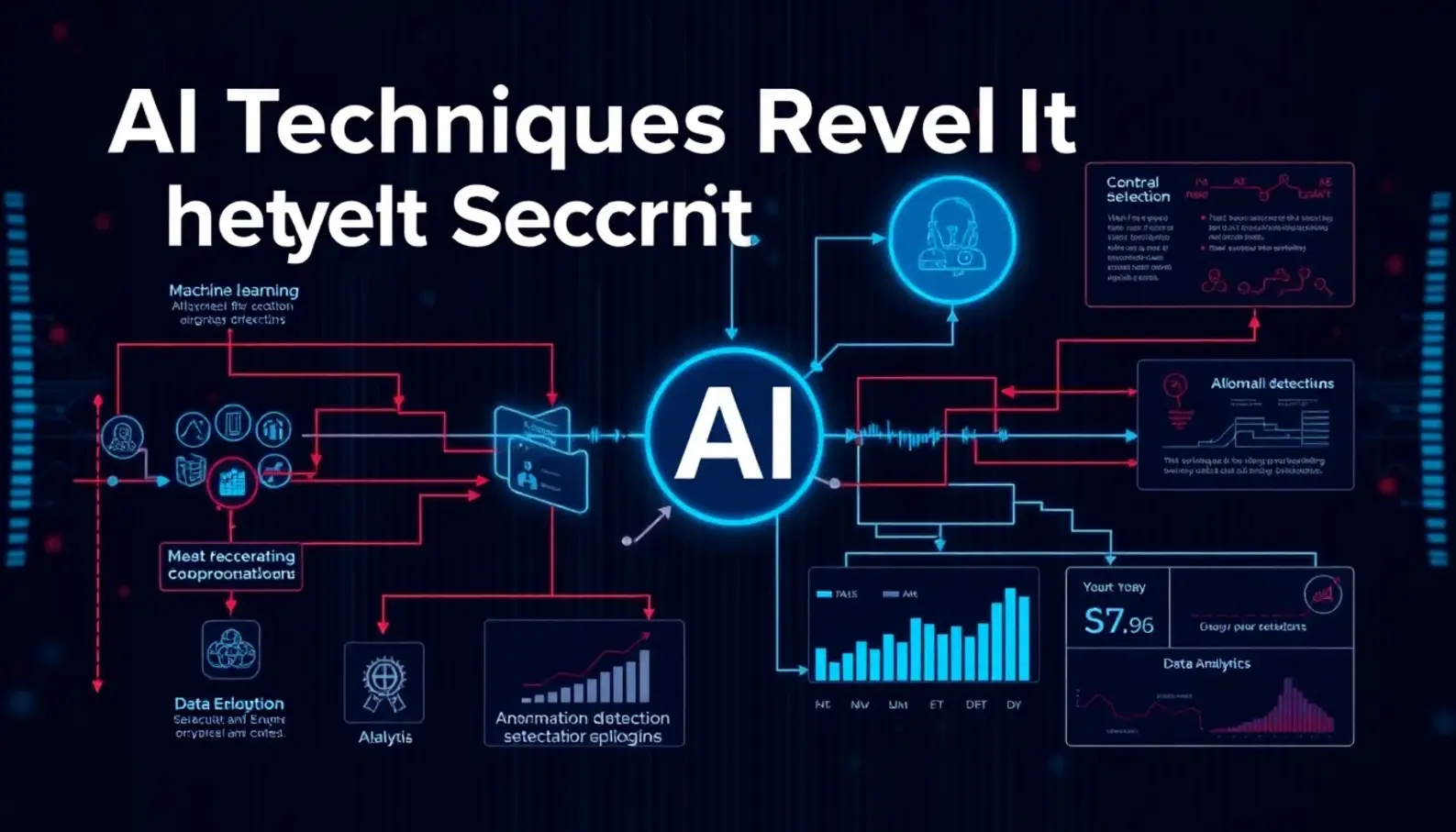
Artificial intelligence (AI) is transforming cybersecurity, significantly enhancing the ability to detect and respond to threats. By integrating machine learning, natural language processing, and anomaly detection, organizations can more accurately recognize patterns, predict potential breaches, and automate responses. These advancements are crucial in safeguarding sensitive data and maintaining the integrity of IT systems.
Machine learning (ML) is at the forefront of these efforts. ML algorithms analyze vast amounts of data, identifying patterns that may indicate a security breach. For instance, a model trained on network data can detect unusual traffic patterns that could signal an attempted intrusion. The ability to learn from historical data and adjust in response to new information makes machine learning invaluable in evolving threat environments.
One real-world application of machine learning is its use in email filtering systems. By analyzing email metadata and content, ML models can classify emails as spam, phishing, or benign. This capability reduces the likelihood of phishing attacks, where malicious actors deceive users into divulging sensitive information. As phishing tactics evolve, ML systems refine their understanding, ensuring they recognize new variants of these threats.
In cybersecurity, natural language processing (NLP) assists in the analysis of textual data from various sources, such as security reports, threat intelligence feeds, and online forums. NLP empowers security analysts to quickly extract relevant information and identify emerging threats. For example, by automatically scanning news sources and hacker forums, NLP can flag discussions about new vulnerabilities or exploits, allowing organizations to preemptively bolster their defenses.
Anomaly detection, a specific type of machine learning, plays a significant role in threat detection. It involves identifying data points that deviate from established patterns, which is crucial for spotting potential security breaches. In network traffic analysis, anomaly detection can identify unusual spikes in data transfer rates or unauthorized access attempts. These anomalies often serve as early warning signs of malicious activity, enabling security teams to investigate and neutralize threats before they escalate.
A compelling case study illustrating the impact of anomaly detection involves a financial institution that implemented this technology to safeguard its network. The system successfully identified an unusual pattern of out-of-hours access requests from an employee’s account. Upon investigation, it was discovered that these access attempts were unauthorized, leading to a successful intervention that prevented potential data theft.
Beyond detection, AI techniques like automated responses significantly enhance cybersecurity. Automation enables rapid responses to detected threats, minimizing damage and preventing further unauthorized access. For instance, when a threat is identified, AI-driven systems can automatically quarantine affected files, block suspicious IP addresses, or alert security personnel for further investigation.
The implementation of these AI techniques requires a robust infrastructure and a strategic approach to data management. Organizations must ensure their data is comprehensive, well-labeled, and up-to-date to train effective AI models. Moreover, continuous monitoring and refinement of AI technologies are essential to adapt to the shifting threat landscape and enhance system resilience.
A successful implementation of AI in cybersecurity was demonstrated in a tech company that adopted a multi-layered AI strategy. Integrating machine learning for intrusion detection, NLP for threat intelligence, and automated responses for incident management resulted in a substantial reduction in response times and improved threat detection accuracy. This holistic approach to AI application not only protected sensitive data but also optimized resource allocation, allowing security teams to focus on complex threats.
For further exploration of how AI is revolutionizing other sectors, consider reading about robotics in daily life. This content highlights similar AI advancements and their practical applications in transforming industries.
By leveraging AI techniques, organizations can enhance their capability to detect threats ahead of time, respond swiftly, and protect their critical assets efficiently. The proactive adaptation of AI technologies in threat detection signifies a critical advancement in the ongoing battle against cyber threats.
Strategic Implementation of AI in Cybersecurity

Successfully implementing AI into a cybersecurity framework requires a structured approach that encompasses technical innovation, teamwork, and an adherence to ethical usage. AI technologies offer powerful capabilities but need strategic planning to deliver value securely and sustainably.
Collaboration is key when embedding AI into cybersecurity. IT teams, security analysts, and data scientists must work closely to tailor AI solutions to the organization’s specific threats and architecture. The implementation should begin with clear communication between these groups, establishing shared goals and responsibilities. Regular cross-departmental meetings can foster an environment where AI tools are precisely aligned with operational needs.
Continuous training enhances the integration process and ensures the workforce remains adept at leveraging AI technologies. As AI evolves, ongoing education for team members helps maintain a competitive edge. Cybersecurity professionals should be trained to interpret AI-generated insights effectively, enabling informed decision-making and swift threat response.
Data management plays a pivotal role in AI-powered cybersecurity. Clean, high-quality data is essential for AI models to perform accurately. Organizations must invest in robust data management practices, ensuring data is secure, anonymized, and compliant with privacy laws. This helps prevent bias in AI models and safeguards sensitive information.
Ethical considerations are paramount in deploying AI technologies. Organizations must maintain transparency about AI processes and their impact. Users should be informed about AI-driven decisions affecting them, and AI systems should be designed to prioritize equity and avoid discrimination. The ethical use of AI fortifies trust and compliance.
Governance frameworks provide the structure necessary for the sustainable use of AI technologies. These frameworks should include policies for monitoring AI systems, maintaining security protocols, and conducting regular audits. Effective governance enables organizations to adapt to technological advancements while maintaining control and oversight.
For organizations seeking to integrate AI into their cybersecurity posture, the following checklist of best practices may serve as a guide:
- Define Clear Objectives: Establish what AI should achieve within the security framework.
- Ensure Cross-Departmental Collaboration: Encourage partnerships between IT, data science, and security teams.
- Invest in Data Quality: Implement stringent data collection and management policies.
- Prioritize Ethical AI Use: Strive for transparency and fairness in AI processes.
- Implement Continuous Training: Keep staff informed and skilled in using AI tools.
- Develop a Robust Governance Framework: Design and enforce policies for AI oversight.
- Regularly Update AI Systems: Keep AI tools updated to address evolving threats.
- Conduct Frequent Audits: Regularly review AI performance and impact.
By adhering to these guidelines, organizations can harness the capabilities of AI to enhance their cybersecurity measures effectively. Ultimately, strategic implementation results in improved threat detection and response, bolstering an organization’s overall security landscape. For further insights into the intersection of AI and cybersecurity, consult resources on technology ethics such as those available at Generative AI Ethics.
Final words
Integrating AI into cybersecurity analysis is no longer optional; it is essential for combating sophisticated threats. By embracing AI-driven techniques, organizations can significantly enhance their threat detection capabilities and response efficiency. The strategic implementation of these technologies not only safeguards systems but also positions teams to stay ahead in an evolving cyber landscape.
Download our comprehensive E-Book to explore the potential of AI in cybersecurity analysis and elevate your defenses today!
Learn more: https://innoupdates.com
About us
Innoupdates provides cutting-edge cybersecurity solutions that leverage artificial intelligence for comprehensive threat detection and analysis. Our tools help organizations efficiently identify vulnerabilities and enhance their defensive strategies, ensuring robust protection against the evolving landscape of cyber threats.